 Talmud Bavli
Ketubot 61a : Youtube
Daf TubeYoutube
1 video class :
Ketubot Page 61a
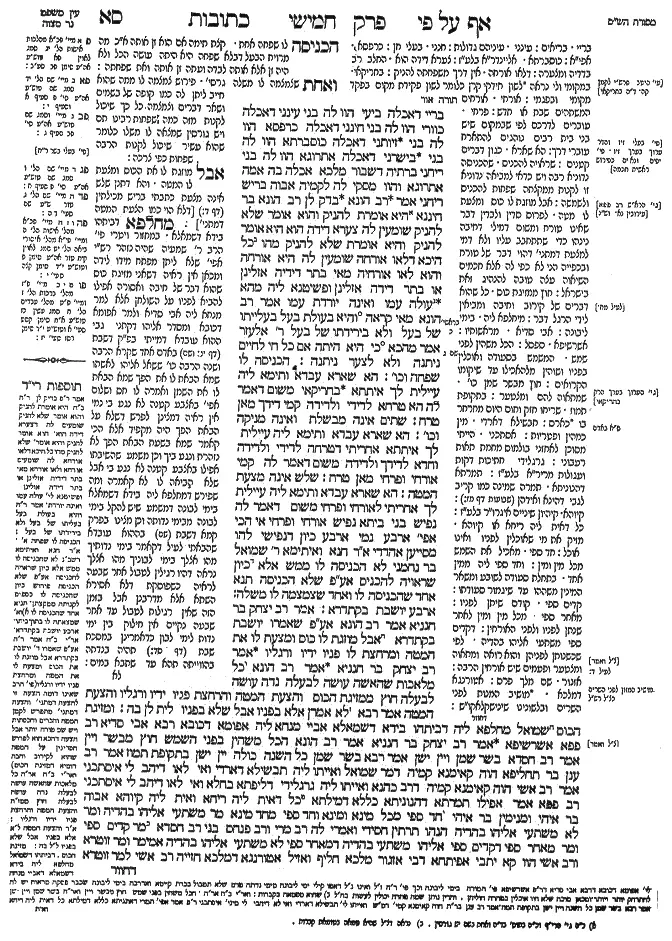
Ketubot 61a - Guemara
בריי דאכלה ביעי הוו לה בני עינני דאכלה כוורי הוו לה בני חינני דאכלה כרפסא הוו לה בני זיותני דאכלה כוסברתא הוו לה בני בישרני דאכלה אתרוגא הוו לה בני ריחני ברתיה דשבור מלכא אכלה בה אמה אתרוגא והוו מסקי לה לקמיה אבוה בריש ריחני אמר רב הונא בדק לן רב הונא בר חיננא היא אומרת להניק והוא אומר שלא להניק שומעין לה צערא דידה הוא הוא אומר להניק והיא אומרת שלא להניק מהו כל היכא דלאו אורחה שומעין לה היא אורחה והוא לאו אורחיה מאי בתר דידיה אזלינן או בתר דידה אזלינן ופשיטנא ליה מהא עולה עמו ואינה יורדת עמו אמר רב הונא מאי קראה (בראשית כ, ג) והיא בעולת בעל בעלייתו של בעל ולא בירידתו של בעל ר' אלעזר אמר מהכא (בראשית ג, כ) כי היא היתה אם כל חי לחיים ניתנה ולא לצער ניתנה:
הכניסה לו שפחה וכו':
הא שארא עבדא ותימא ליה עיילית לך איתתא בחריקאי משום דאמר לה הא טרחא לדידי ולדידה קמי דידך מאן טרח:
שתים אינה מבשלת ואינה מניקה וכו':
הא שארא עבדא ותימא ליה עיילית לך איתתא אחריתי דטרחה לדידי ולדידה וחדא לדידך ולדידה משום דאמר לה קמי אורחי ופרחי מאן טרח:
שלש אינה מצעת המטה:
הא שארא עבדא ותימא ליה עיילית לך אחריתי לאורחי ופרחי משום דאמר לה נפיש בני ביתא נפיש אורחי ופרחי אי הכי אפי' ארבע נמי ארבע כיון דנפישי להו מסייען אהדדי א"ר חנא ואיתימא ר' שמואל בר נחמני לא הכניסה לו ממש אלא כיון שראויה להכניס אע"פ שלא הכניסה תנא אחד שהכניסה לו ואחד שצמצמה לו משלה:
ארבע יושבת בקתדרא:
אמר רב יצחק בר חנניא אמר רב הונא אע"פ שאמרו יושבת בקתדרא אבל מוזגת לו כוס ומצעת לו את המטה ומרחצת לו פניו ידיו ורגליו אמר רב יצחק בר חנניא אמר רב הונא כל מלאכות שהאשה עושה לבעלה נדה עושה לבעלה חוץ ממזיגת הכוס והצעת המטה והרחצת פניו ידיו ורגליו והצעת המטה אמר רבא לא אמרן אלא בפניו אבל שלא בפניו לית לן בה:
ומזיגת הכוס שמואל מחלפא ליה דביתהו בידא דשמאלא אביי מנחא ליה אפומא דכובא רבא אבי סדיא רב פפא אשרשיפא אמר רב יצחק בר חנניא אמר רב הונא הכל משהין בפני השמש חוץ מבשר ויין אמר רב חסדא בשר שמן ויין ישן אמר רבא בשר שמן כל השנה כולה יין ישן בתקופת תמוז אמר רב ענן בר תחליפא הוה קאימנא קמיה דמר שמואל ואייתו ליה תבשילא דארדי ואי לאו דיהב לי איסתכני אמר רב אשי הוה קאימנא קמיה דרב כהנא ואייתו ליה גרגלידי דליפתא בחלא ואי לאו דיהב לי איסתכני רב פפא אמר אפילו תמרתא דהנוניתא כללא דמילתא כל דאית ליה ריחא ואית ליה קיוהא אבוה בר איהי ומנימין בר איהי חד ספי מכל מינא ומינא וחד ספי מחד מינא מר משתעי אליהו בהדיה ומר לא משתעי אליהו בהדיה הנהו תרתין חסידי ואמרי לה רב מרי ורב פנחס בני רב חסדא מר קדים ספי ומר מאחר ספי דקדים ספי אליהו משתעי בהדיה דמאחר ספי לא משתעי אליהו בהדיה אמימר ומר זוטרא ורב אשי הוו קא יתבי אפיתחא דבי אזגור מלכא חליף ואזיל אטורנגא דמלכא חזייה רב אשי למר זוטרא
Comments from Rashi on Masechet Ketubot Page 61a
בריי . בריאים: עינני . עיניהם גדולות: חנני . בעלי חן: כרפסא . אפי"א: כוסברתא . אליינדר"א בלע"ז: צערא דידה הוא . החלב רב בדדיה ומצערה: דלאו אורחה . אין דרך משפחתה להניק: בחריקאי . במקומי ולי נראה לשון חידקי קרן כלומר לשון פקידת מקום בפקד מקומי ובפגמי: אורחי . אורחים המשתהים שבת או חדש: פרחי . עוברים לדרכם לפי שבמקום שיש בני בית רבים נוהגים להתארח עוברי דרך: הא שארא . כגון דברים קטנים: שראויה להכניס . שהכניסה נדוניא רבה ויש כדאי למביאה נדוניא זו לקנות ממקצתה שפחות להכניס ולשמשה: אבל מוזגת לו כוס ומצעת לו מטה . לפרוס סדין ולבדין דבר שאינו טורח ומשום דמילי דחיבה נינהו כדי שתתחבב עליו ולא דמי למצעת דמתני' דהוי דבר של טורח ובכפייה הני לא כפי לה אלא חכמים השיאוה עצה טובה להנהיג זאת בישראל: חוץ ממזיגת כוס . כל שהוא דברים של קירוב וחיבה ומביאין לידי הרגל דבר: מיחלפא ליה . בימי ליבונה: אבי סדיא . מראשותיו: אשרשיפא . ספסל: הכל משהין לפני שמש . המשמש בסעודה ואוכלין בפניו ושוהין מלהאכילו עד שיקומו הקרואים: חוץ מבשר שמן כו' . שמתאוה להם ומצטער: בתקופת תמוז . שריחו חזק וחום היום מחרחר בו כארס: תבשילא דארדי . מין כמהין ופטריות: אסתכני . הייתי מסוכן לאחזני בולמוס מחמת תאות רעבוני: גרגלידי . חתיכות דקות ועגולות מריר"א בלע"ז: תמרתא דהנוניתא . תמרה שמינה כמו קריב לגבי דהינא ואידהן (שבועות דף מז:): קיוהא . קיהיון שיניים איגרו"ר בלע"ז: כל דאית ליה ריחא או קיוהא . מזיק את מי שאוכלין לפניו ואינו אוכל: חד ספי . מאכיל את השמש מכל מין ומין: וחד ספי ליה ממין אחד . בתחלת סעודה לשובע ומשאר המינין משההו עד שיגמור סעודתו: קדים ספי . קודם שיתן לפניו: מאחר ספי . מכל מין ומין לאחר שנתן לפניו ולפני האורחין: דקדים ספי משתעי אליהו בהדיה . לפי שכשנותן לפניהן והוא רואה ומתאוה ומצטער ופעמים שיש אורחין הרבה: אזגור . שם מלך פרס: אטורנגא דמלכא . מושיב המנות לפני השרים ובלשונינו שינישקלאקו"ש:
Comments from Tosafot - Ketubot 61a
הכניסה לו שפחה אחת . קצת תימה אם הוא זן אותה א"כ מה מרויח הבעל דבלא שפחה היא היתה עושה הכל ולא היה זן אלא אותה לבדה ועתה זן אותה ואת שפחתה: יכול יהא חלב מהלכי שתים טמא ודם מהלכי שתים טמא . בת"כ גרסי' בשר במקום דם וקאמר ת"ל זה אוציא חלב שאינו נוהג בכל פירוש דחלב בהמה טהורה מותר ולא אוציא את הבשר שהוא נוהג בכל שאף בבהמה טהורה אסור בשר מן החי ת"ל זה טמא זה בלא תעשה על אכילתו ואין בשר מהלכי שתים כו' ואור"י דבין לפי ספרים שלנו דדריש מהוא היתר חלב ודם ובין לת"כ דדריש מזה אתי שפיר דמצי למעוטי חלב בשר ודם כולהו מחד קרא כמו שמצינו בכמה מקומות דממעטין מחד קרא כמה דברים כדאשכחן בפרק הנהנה מן ההקדש (מעילה יח:) דכמה פעמים קאמר תמעול מעל ריבה ופליגא השתא אברייתא דפרק דם שחיטה (כריתות כ: ושם) דממעט דם מהלכי שתים מדכתיב לעוף ולבהמה ויש ספרים דממעטין חלב מדכתיב הוא ודם מדכתיב זה ותימה לר"י דמנא לן לאוקמא אדם דסברא הוא יותר לאוקמא אבשר ולהתיר בשר מדם דאין איסור בשר נוהג בכל אלא מחיים אבל דם איסורו נוהג בכל בין מחיים בין לאחר מיתה ואור"י דאי הוה גריס בשמעתין בשר במקום דם הוה אתי שפיר דמזה ומהוא ממעטינן חלב ובשר ומההוא קרא דכריתות ממעטינן דם וא"ת וכיון דממעטינן דם מההוא קרא דכריתות אמאי איצטריך קרא למישרי חלב השתא דם מותר חלב לא כ"ש וי"ל דמההוא קרא דכריתות לא מצי למישרי דם לגמרי דלא ממעטינן ליה אלא מאיסור דם אבל מאיסור טמא לא ממעטינן ליה והואיל ונתמעט מאיסור דם השתא דם וחלב שוין: ואחת שצמצמה לו משלה גרסי' . פירוש צמצמה לו ממה שהוא חייב ליתן לה כמו קופה של בשמים ושאר דברים וצמצמה כל כך שיכול לקנות מזה כמה שפחות רבינו תם ויש גורסין שמצאה לו משלו כלומר שהוא עשיר שיכול לקנות הרבה שפחות כפי צרכה: אבל מוזגת לו את הכוס ומצעת לו המטה . והא דתנן שלש אינה מצעת כתבתי בריש מכילתין (דף ד:) [דלא הוי כמו הצעת המטה דמתני']: מחלפא דביתהו בידא דשמאלא . במחזור ויטרי פי' הרב ר' שמעיה שהיה נזהר רש"י אפי' שלא ליתן מפתח מידו לידה ומכאן אין ראיה דשאני מזיגת כוס שהוא דבר של חיבה ואסורה אפילו להביא לפניו על השולחן אלא למר מנחא ליה אבי סדיא ולמר אפומא דכובא ומסדר אליהו דקתני גבי ההוא עובדא דמייתי בפ"ק דשבת (דף יג: ושם) באדם אחד שקרא הרבה ושנה הרבה כו' ששאל אליהו לאשתו שמא הבאת לו את הפך שמא הבאת לו את השמן ואמרה לו חס ושלום אפי' באצבע קטנה לא נגע בי נמי אין ראיה דמצינן לפרש דשלא על הבאת הפך היה מקפיד אלא הכי קאמר שמא בשעת הבאת הפך לא נזהרת ונגע ביך וכן משמע שהשיבתו אפילו באצבע קטנה לא נגע בי אבל שלא הביאה לו לא קאמרה ומה שפירש דמחלפא ליה בידא דשמאלא בימי לבונה דמשמע שיש להקל בימי לבונה מבימי נדותה וכן מצינו בפרק קמא דשבת (שם) בההוא עובדא שהבאתי לעיל דקאמר בימי נדותיך מהו אצלך בימי לבוניך מהו אצלך נראה דהיו רגילין לטבול אחר שבעה לראיה כשפוסקת דלא אסירא השתא אלא מדרבנן אבל בזמן הזה שאין רגילות לטבול עד אחר שבעה נקיים אין חילוק בין ימי נדות לימי לבון כדאמרינן במסכת שבת (דף סד:) תהיה בנדתה בהווייתה תהא עד שתבא במים:
Ketubot 61a - Mishnah translated into english
healthy; one who eats eggs will have large-eyed children; one who eats fish will have graceful children; one who eats celery will have beautiful children; one who eats coriander [kusbarta] will have corpulent children; and one who eats etrogim will have sweet-smelling children. It is related with regard to the daughter of King Shapur of Persia, that her mother ate etrogim while pregnant with her and they used to place her in front of her father on top of all the spices, as she was so fragrant.
§ Rav Huna said: Rav Huna bar Ḥinnana tested us, by asking: If she says that she wants to nurse and he says that he does not want her to nurse but rather to give the child to a wet nurse, we accede to her desires, as she is the one suffering from engorgement of her breasts. However, if he says that he wants her to nurse and she says that she does not want to nurse, what is the halakha? He then narrowed the scope of the question: Anywhere that she is not accustomed, as the women of her family generally do not nurse their children but give them to wet nurses instead, we accede to her desires. However, if she is accustomed to nursing and he is not accustomed, i.e., the women of her family generally nurse their babies but the women in his family do not, what is the halakha: Do we follow his wishes to follow her family custom or do we follow her wishes to follow his family custom?
And we answered his question from this amoraic statement: When a woman marries a man, she ascends with him to his socioeconomic status, if it is higher than hers, but she does not descend with him if his status is lower. Consequently, if his family is not accustomed to nurse, she is not obligated to nurse either. Rav Huna said: What is the verse from which this is derived? It is derived from: “She is a man’s wife” (Genesis 20:3). The Gemara explains: The word used here for “wife [be’ula]” hints through similar spelling that she ascends in status with the ascension [aliya] of her husband but does not descend with the descent of her husband. Rabbi Elazar said: There is a hint to this principle from here: “As she was the mother of all living” (Genesis 3:20), which indicates that she was given to her husband for living with him, but was not given to suffer pain with him.
§ The mishna states that if she brought him one maidservant into the marriage with her, she does not need to grind wheat, bake, or wash clothes. The Gemara infers from this statement that she must nevertheless perform the other tasks. The Gemara asks: Let the wife say to him: I brought you a woman in my place [baḥarikai] who can perform all the tasks I am supposed to do, and the wife should be completely exempt. The Gemara answers: This is not a valid argument because the husband can say to her: This maidservant toils for me and for herself like any other woman, but who will toil for you? It is necessary for the wife to do some work in order to cover some of her own expenses.
The mishna further said that if she brought him two maidservants, she does not need to cook and does not need to nurse her child. The Gemara infers: She must nevertheless perform the other tasks. The Gemara asks: Let the wife say to him: I brought you another woman who can toil for me and for herself, and one who can toil for you and for herself. Consequently, I do not need to do any work at all. The Gemara answers: This is also not a valid argument because he can say to her: Who is going to toil for the guests and wayfarers who will come because we are a large household? There are still other tasks that need to be performed.
The mishna further said that if she brought him three maidservants, she does not need to make his bed or make thread from wool. The Gemara infers: She must nevertheless perform the other tasks. The Gemara asks: Let her say to him: I brought you another woman to toil for the guests and wayfarers, in addition to one to toil for herself and for me, and another to toil for herself and for you. Therefore, I do not need to do any work at all. The Gemara answers: This is also not a valid argument because he can say to her: When the members of the house increase, the number of guests and wayfarers also increases and therefore there is still more work to be done.
The Gemara asks: If so, then even if she brought him four maidservants as well, she should also have to work, as there will be many more guests. But the mishna says that if she brought four maidservants she does not need to do anything. The Gemara answers: When there are four, since there are many of them, they assist one another and can complete all the necessary tasks.
Rav Ḥana, and some say Rav Shmuel bar Naḥmani, said: This does not necessarily mean that she actually brought him maidservants. Rather, once she is able to bring him maidservants, i.e., once her dowry is sufficiently large to buy maidservants, then she is exempt from performing the tasks, although she did not actually bring him maidservants. The Sages taught: Whether she brought him actual maidservants or whether she reduced her own needs in order to release enough money to bring a maidservant to work, she is exempt from the tasks.
§ The mishna says that if she brought him four maidservants, she may sit in a chair and not do anything. Rav Yitzḥak bar Ḥananya said that Rav Huna said: Although they said that she may sit in a chair and does not need to work, she should still pour his cup; and make his bed; and wash his face, hands, and feet, as these responsibilities are not household tasks that can be delegated to a maidservant. Rather, they are gestures of affection toward her husband.
Rav Yitzḥak bar Ḥananya also said that Rav Huna said a similar halakha: All tasks that a wife performs for her husband, a menstruating woman may similarly perform for her husband, except for: Pouring his cup; and making his bed; and washing his face, hands, and feet. As explained above, these are acts of affection. If she is menstruating she should not perform them, so as not to lead to forbidden intercourse.
And with regard to the prohibition against making the husband’s bed, Rava said: We said this only if she made the bed in front of him, but if it was not in front of him, we have no problem with it. With regard to the prohibition against pouring his cup, the Gemara comments: Shmuel’s wife would change her practice toward him during her menstruation period and pour with her left hand, since if she made some change in the manner of pouring, this would serve as a reminder of her status and mitigate the concern that it might lead to intimacy. Abaye’s wife would place his cup on top of a barrel, Rava’s wife would place it on his pillow, and Rav Pappa’s wife would place it on the bench to create a change.
§ Apropos statements by Rav Yitzḥak ben Ḥananya, the Gemara cites other statements in his name. Rav Yitzḥak bar Ḥananya said that Rav Huna said: All foods may be withheld from before the waiter, as one who is a waiter at the meal must wait until the guests have eaten from every food and only then may he eat, except for meat and wine, as these foods arouse the appetite more and the waiter would suffer if he could not eat them together with the other participants. Rav Ḥisda said: This is referring only to fatty meat and aged wine. Rava said: It applies to fatty meat all year round but aged wine only during the season of Tammuz, in the summer. Due to the heat, the aroma of the wine is more pervasive at that time.
Rav Anan bar Taḥalifa said: I was once standing before Mar Shmuel, and they brought him a cooked dish of mushrooms, and if he had not given me some, I would have been endangered due to the craving that I suffered. Rav Ashi said: I was once standing before Rav Kahana, and they brought him slices [gargelidei] of turnip in vinegar, and if he had not given me some, I would have been endangered. Rav Pappa said: Even a fragrant date should be offered to the waiter. The Gemara concludes: The principle of the matter is: One should offer some of everything that either has an aroma or that has a sharp taste to whomever is present when it is served, so that no one suffer by being unable to partake of these foods.
It is related about two Sages, Avuh bar Ihi and Minyamin bar Ihi, that one of them was accustomed to give his waiter from every type of food that he ate, while the other one would give him only one of the types of food that he ate. The Gemara says: Elijah spoke with this Sage, but Elijah did not speak with that Sage, since he did not act with piety and caused his waiter to suffer.
Similarly, the Gemara relates an incident with regard to two pious men, and some say they were Rav Mari and Rav Pineḥas, the sons of Rav Ḥisda: One Sage would give the waiter something to eat before the meal, and the other Sage would give the waiter something to eat after the guests had eaten. With regard to the one who gave it to him earlier, Elijah spoke with him. But with regard to the one who gave it to him later, Elijah did not speak with him.
The Gemara relates another incident with regard to this matter: Ameimar and Mar Zutra and Rav Ashi were sitting at the entrance to the house of King Izgur. The king’s chief butler was passing by with various foods. Rav Ashi saw Mar Zutra’s
Traduction : The William Davidson digital edition of the Koren Noé Talmud, with commentary by Rabbi Adin Even-Israel Steinsaltz.