 Talmud Bavli
Ketubot 21a : Youtube
Daf TubeYoutube
1 video class :
Ketubot Page 21a
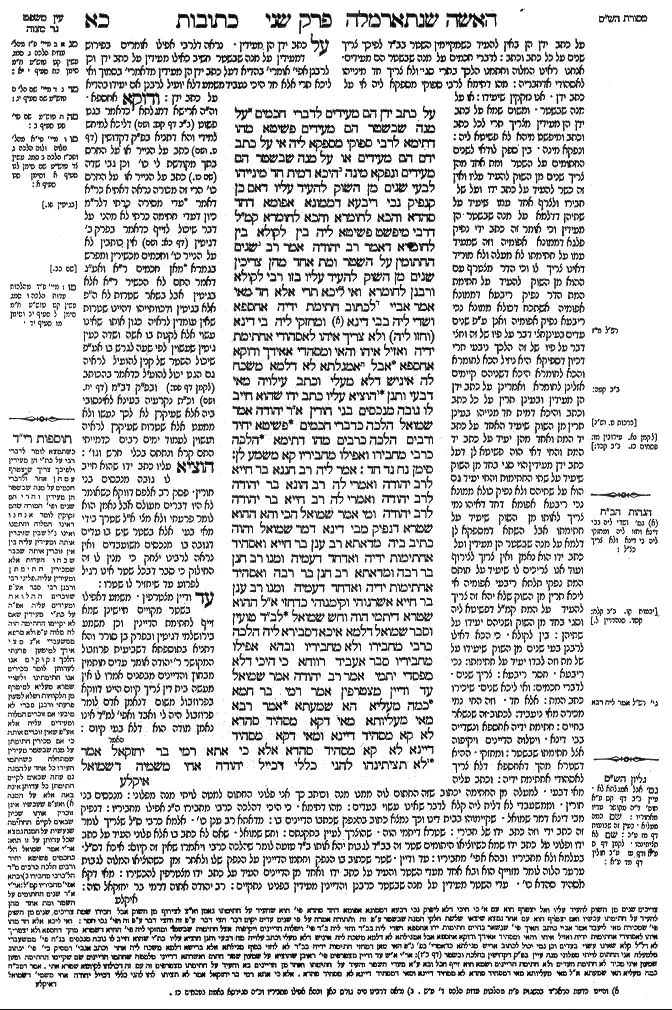
Ketubot 21a - Guemara
על כתב ידן הם מעידים לדברי חכמים על מנה שבשטר הם מעידים פשיטא מהו דתימא לרבי ספוקי מספקא ליה אי על כתב ידם הם מעידים או על מנה שבשטר הם מעידים ונפקא מינה היכא דמית חד מינייהו לבעי שנים מן השוק להעיד עליו דאם כן קנפיק נכי ריבעא דממונא אפומא דחד סהדא והכא לחומרא והכא לחומרא קמ"ל דרבי מיפשט פשיטא ליה בין לקולא בין לחומרא דאמר רב יהודה אמר רב שנים החתומין על השטר ומת אחד מהן צריכין שנים מן השוק להעיד עליו בזו רבי לקולא ורבנן לחומרא ואי ליכא תרי אלא חד מאי אמר אביי לכתוב חתימת ידיה אחספא ושדי ליה בבי דינא ומחזקי ליה בי דינא (וחזו ליה) ולא צריך איהו לאסהודי אחתימת ידיה ואזיל איהו והאי ומסהדי אאידך ודוקא אחספא אבל אמגלתא לא דלמא משכח לה איניש דלא מעלי וכתב עילויה מאי דבעי ותנן הוציא עליו כתב ידו שהוא חייב לו גובה מנכסים בני חורין א"ר יהודה אמר שמואל הלכה כדברי חכמים פשיטא יחיד ורבים הלכה כרבים מהו דתימא הלכה כרבי מחבירו ואפילו מחביריו קא משמע לן:
סימן נח נד חד:
אמר ליה רב חננא בר חייא לרב יהודה ואמרי לה רב הונא בר יהודה לרב יהודה ואמרי לה רב חייא בר יהודה לרב יהודה ומי אמר שמואל הכי והא ההוא שטרא דנפיק מבי דינא דמר שמואל והוה כתיב ביה מדאתא רב ענן בר חייא ואסהיד אחתימות ידיה ואדחד דעמיה ומנו רב חנן בר רבה ומדאתא רב חנן בר רבה ואסהיד אחתימות ידיה ואדחד דעמיה ומנו רב ענן בר חייא אשרנוהי וקימנוהי כדחזי א"ל ההוא שטרא דיתמי הוה וחש שמואל לב"ד טועין וסבר שמואל דלמא איכא דסבירא ליה הלכה כרבי מחבירו ולא מחביריו ובהא אפילו מחביריו סבר אעביד רווחא כי היכי דלא מפסדי יתמי אמר רב יהודה אמר שמואל עד ודיין מצטרפין אמר רמי בר חמא כמה מעליא הא שמעתא אמר רבא מאי מעליותא מאי דקא מסהיד סהדא לא קא מסהיד דיינא ומאי דקא מסהיד דיינא לא קא מסהיד סהדא אלא כי אתא רמי בר יחזקאל אמר לא תציתינהו להני כללי דכייל יהודה אחי משמיה דשמואל
Comments from Rashi on Masechet Ketubot Page 21a
לדברי חכמים על מנה שבשטר הם מעידים . אנחנו ראינו המלוה וחתמנו הלכך בתרי סגי ולא צריך חד מינייהו לאסהודי אדחבריה: מהו דתימא לרבי ספוקי מספקא ליה אי על כתב ידן . אנו נזקקין שיעידו: או על מנה שבשטר . ומשום שמא על כתב ידן הן מעידין מצריך תרי לכל כתב וכתב ומיפשט מיהא לא פשיטא ליה: ונפקא מינה . בין ספק לודאי לשנים החתומים על השטר ומת אחד מהן צריך שנים מן השוק להעיד עליו ואין זה כשר להעיד על כתב ידו ועל של חבירו ולצרף אחד עמו שיעיד על שתיהן דדלמא על מנה שבשטר הן מעידין וכי אומר זה כתב ידי נפיק פלגא דממונא אפומיה וזה שמעיד עמו על חתימתו לא מעלה ולא מוריד דאינו צריך לו וכי הדר מצטרף עם ההוא מן השוק להעיד על חתימת המת הדר נפיק ריבעא דממונא אפומיה אשתכח דכולא ממונא נכי ריבעא נפיק אפומיה ואנן ע"פ שנים עדים בעינן חצי דבר על פיו של זה וחצי דבר על פיו של זה הלכך ניבעי תרי דכיון דספיקא היא ניזיל הכא לחומרא והכא לחומרא היכא דשניהם קיימים אזלינן לחומרא ואמרינן על כתב ידן הן מעידין ובעינן תרין על כל כתב וכתב והיכא דמית חד מנייהו בעינן תרין מן השוק שיעיד האחד על כתב יד המת ואחד מהן יעיד על כתב יד המת והחי דאי הוה פשיטא לן דעל כתב ידן מעידין הוי סגי בחד מן השוק שיעיד על שתי החתימות והחי יעיד גם הוא על שתיהם ולא נפיק כולא ממונא נכי ריבעא אפומא דחד דאיהו נמי צריך לאותו מן השוק שיעיד על חתימתו אבל השתא דמספקא לן דלמא על מנה שבשטר הן מעידין ועל כתב ידו הוא נאמן ואין צריך לצירוף ועוד אנו צריכים לו שיעיד על חותם המת נפקי תלתא ריבעי אפומיה אי ליכא תרין מן השוק שלא יהא זה צריך להעיד על המת קמ"ל דפשיטא ליה וסגי בחד מן השוק ושניהם יעידו על שתיהן: נכי ריבעא . חסר ריבעא: בין לקולא . כי הכא דאילו לרבנן בעי שנים מן השוק שיעידו על של מת וזה לבדו יעיד על חתימתו: צריך שנים . לדברי חכמים: ואי ליכא שנים . שיכירו כתב המת: אלא חד . וזה החי נמי מכירה מאי ניעביד: לכתוב . זה שנשאר בחיים: חתימת ידיה אחספא ונשדייה בבי דינא . ויטלוה הדיינים ויקיפוה אצל חתימתו שבשטר: ומחזקי . ההיא דשטרא מהך דאחספא דלא צריך לאסהודי אחתימת ידיה: וכתב עליה מאי דבעי . למעלה מן החתימה יכתוב שזה החתום לוה ממנו מנה וכותב כך אני פלוני החתום למטה לויתי מנה מפלוני: וכתב עליה מאי דבעי . למעלה מן החתימה יכתוב שזה החתום לוה ממנו מנה וכותב כך אני פלוני החתום למטה לויתי מנה מפלוני: מנכסים בני חורין . וממשעבדי לא דלית ליה קלא לדבר שאינו עשוי בעדים: מהו דתימא . כי היכי דהלכה כרבי מחבירו ה"נ אפילו מחביריו: דנפיק מבי דינא דמר שמואל . שקיימוהו בבית דינו וכך נמצא כתוב בהנפק שכתבו הדיינים בו: מדאתא רב ענן כו' . אלמא כרבי ס"ל שצריך לומר זה כתב ידי וזה כתב ידו של חבירי: שטרא דיתמי הוה . שהוצרך לעיין בתקנתם: וחש שמואל . שאם לא כתב בו אלא פלוני העיד על כתב ידו ופלוני על כתב ידו שמא כשיוציאו היתומים שטר זה בב"ד לגבות יהא אותו ב"ד טועה לומר שהלכה כרבי ויאמרו שאין זה קיום: איכא דס"ל . בעלמא ולא מחביריו ובהא אפי' מחביריו: עד ודיין . שטר שכתוב בו הנפק וחתמו הדיינין על הנפק שלו ולאחר זמן כשהוציאו המלוה לגבות ערער הלוה לומר מזוייף הוא ובא אחד מעדי השטר והעיד על כתב ידו ואחד מן הדיינים העיד על כתב ידו מצטרפין להכשירו: מאי דקא מסהיד סהדא כו' . עדי השטר מעידין על מנה שבשטר כרבנן והדיינין מעידין בפנינו נתקיים: רב יהודה אחוה דרמי בר יחזקאל הוה:
Comments from Tosafot - Ketubot 21a
על כתב ידן הן מעידין . נראה דלרבי אפילו אומרים בפירוש דמעידין על מנה שבשטר חשיב כאילו מעידין על כתב ידן וכן לרבנן אפי' אומרי' בהדיא דעל כתב ידן הן מעידין מדאמרי' בסמוך ואי ליכא תרי אלא חד היכי נעביד משמע דלא יועיל לרבנן אם יעידו בהדיא על כתב ידן: ודוקא אחספא . וה"ה ארישא דמגלתא כדאמר בגט פשוט (ב"ב דף קס: ושם) דליכא למיחש למידי והא דתניא בפ"ק דקדושין (דף ט. ושם) כתב על הנייר או על החרס בתך מקודשת לי כו' וכן גבי שדה (שם כו.) כתב על הנייר או על החרס כו' הרי זה מכורה נראה דאתיא כר"א דאמר עדי מסירה כרתי דלר"מ כיון דעדי חתימה כרתי לא מהני על דבר שיכול לזייף כדאמר בפרק ב' דגיטין (דף כא: ושם) אין כותבין לא על הנייר כו' וחכמים מכשירין ומפרש בגמרא מאן חכמים ר"א ואע"ג דאמר התם לא הכשיר ר"א אלא בגיטין אבל בשאר שטרות לא ה"פ אלא בגיטין ודכוותייהו דהיינו שטרות שאין עומדין לראיה כגון אותו שאינו עשוי אלא לקנות בו אשה ושדה כעין גיטין שעשוין לפי שעה לגרש בו אע"פ שיכול השטר של קנין להועיל לראיה גם הגט יכול להועיל כדאמר בהכותב (לקמן כתובות דף פט:) ובפ"ק דב"מ (דף יח. ושם) וכ"ת נקרעיה בעינא לאינסובי ביה אלא שעיקרן לא לכך נעשו ולא ממעט אלא שטרות שעיקרן לראיה ועשוין לעמוד ימים רבים כדמייתי התם קרא ונתתם בכלי חרש וגו': הוציא עליו כתב ידו שהוא חייב לו גובה מנכסים בני חורין . פסק רב אלפס דווקא כשאומר לא היו דברים מעולם אבל נאמן הוא לומר פרעתי ולא מצי א"ל שטרך בידי מאי בעי אלא בשטר שיש בו עדים דגובה בו מנכסים משועבדים ואין נראה לרבינו יצחק כי מנין לו זה החילוק כי סבר דבכל שטר אינו רגיל לפרוע עד שיחזיר לו שטרו: עד ודיין מצטרפין . משמע דאפילו בשטר מקויים חיישינן שמא זייף לחתימת הדיינין וכן משמע בירושלמי דגיטין ובפרק בן סורר והא דתניא בתוספתא דשביעית פרוזבול המקושר ר' יהודה אומר עדים חותמין מבחוץ והדיינים מבפנים אמרו לו אין מעשה בית דין צריך קיום היינו דווקא בפרוזבול משום דנאמן אדם לומר פרוזבול היה לי ואבד ואפי' למ"ד אינו נאמן מודה הוא דלא בעי קיום:
Ketubot 21a - Mishnah translated into english
the witnesses are testifying about their handwriting and authenticating their own signatures. Therefore, if each witness testifies only with regard to his own handwriting, there is only one witness authenticating each signature. According to the Rabbis, the witnesses are testifying about the sum of one hundred dinars that is in the document and are not authenticating the signatures at all. Therefore, the testimony of the two witnesses who signed the document is sufficient to ratify the document.
The Gemara asks: That is obvious. No analysis is necessary to arrive at this explanation of the dispute. The Gemara answers: The analysis is necessary lest you say that according to Rabbi Yehuda HaNasi there is uncertainty whether they are testifying about their handwriting or whether the witnesses are testifying about the sum of one hundred dinars that is in the document, and due to the possibility that the purpose of the testimony is to authenticate their handwriting, he requires two witnesses for each signature.
And the practical difference between whether the opinion of Rabbi Yehuda HaNasi is based on certainty or uncertainty is in a case where one of the witnesses who signed the document died. If his opinion is based on certainty that they are testifying about the signatures, one other witness testifying to the authenticity of both signatures would suffice, as both that other witness and the surviving signatory would testify to authenticate each signature. However, if his opinion is based on uncertainty, let them require two other witnesses from the street to testify about the signature of the deceased witness.
That is due to the fact that if it is so that the witnesses are testifying about the sum of one hundred dinars that is in the document and only one other witness joined the surviving witness in testifying with regard to that signature, the result would be that the entire sum of money, less one-quarter, is collected based on the testimony of a single witness. The surviving signatory authenticates his signature and thereby facilitates collection of half the sum. In addition, his testimony together with the testimony of the witness from the street authenticating the signature of the deceased signatory facilitates collection of the other half. Based on the verse: “At the mouth of two witnesses…shall a matter be established” (Deuteronomy 19:15), each witness is responsible for half the sum.
And one would have thought that Rabbi Yehuda HaNasi would rule stringently here: When both signatories are alive they must add another witness with them to authenticate the signatures of the two witnesses, as perhaps they are testifying about their handwriting; and he would rule stringently here: When one of the signatories died they must add two witnesses, as perhaps the witnesses are testifying about the sum of one hundred dinars that is in the document.
Therefore, the Gemara teaches us that the matter was clear to Rabbi Yehuda HaNasi, that they are testifying about their handwriting, and he ruled accordingly both leniently, requiring only one additional witness when one of the signatories died, and stringently, requiring an additional witness when both signatories are alive. As Rav Yehuda said that Rav said: With regard to two witnesses who were signatories to a document and one of them died, they require two others from the street to testify about the signature of the one who died, and in this case, Rabbi Yehuda HaNasi rules leniently and requires only one additional witness, and the Rabbis rule stringently and require two additional witnesses.
The Gemara asks: And if there are not two witnesses capable of authenticating each signature, but only one, what can be done to ratify the document? Abaye said: Let the surviving witness write his signature on an earthenware shard and cast it into the court. And the court then ratifies the document by seeing that it is his signature. And then he does not need to testify and authenticate his signature. But he and this other witness go and testify to authenticate the other signature of the deceased witness. In that case, even according to the Rabbis, one additional witness is sufficient.
The Gemara notes: And he writes his signature for the purpose of comparison specifically on an earthenware shard, but not on parchment, due to the concern that perhaps an unscrupulous person will find it and write on it whatever he wants, e.g., the undersigned owes him money. And we learned in a mishna (Bava Batra 175b): If a creditor produced a document about another written in the other person’s handwriting, in which it is written that the other person owes him money, even if there are no witnesses he is obligated to pay, and the claimant may collect payment from unsold property. One can collect repayment of a loan that is documented on a promissory note signed by two witnesses even from the borrower’s land that was sold. With the document signed by the debtor, the creditor may collect payment from unsold property. Due to the potential for deceit with a signature on parchment, one provides a signature sample written on earthenware.
Rav Yehuda said that Shmuel said: The halakha is in accordance with the statement of the Rabbis in the mishna that each of the two signatories need testify only about his own signature to ratify the document. The Gemara asks: That is obvious, as the principle is: In a dispute between an individual Sage and multiple Sages, the halakha is ruled in accordance with the opinion of multiple Sages. The Gemara answers: Lest you say that just as there is a principle: The halakha is ruled in accordance with the opinion of Rabbi Yehuda HaNasi in disputes with his colleague, there is also a principle that the halakha is ruled in accordance with his opinion even when he disagrees with his multiple colleagues; therefore, Rav Yehuda teaches us that Shmuel said that the principle applies only to disputes with an individual colleague.
§ The Gemara provides a mnemonic for the names and patronyms of the amora’im associated with the statement cited below: Nun ḥet for Rav Ḥinnana bar Ḥiyya, nun dalet for Rav Huna bar Yehuda, and ḥet dalet for Rav Ḥiyya bar Yehuda. Rav Ḥinnana bar Ḥiyya said to Rav Yehuda, and some say it was Rav Huna bar Yehuda who said it to Rav Yehuda, and some say it was Rav Ḥiyya bar Yehuda who said it to Rav Yehuda: And did Shmuel say that the halakha is in accordance with the statement of the Rabbis?
But wasn’t there that document that emerged from the court of Master Shmuel, and it was written with regard to that document: From the fact that Rav Anan bar Ḥiyya came before the court and testified about his signature and about the signature of the one who signed the document with him, and who was that other signatory, Rav Ḥanan bar Rabba; and from the fact that Rav Ḥanan bar Rabba came before the court and testified about his signature and about the signature of the one who signed the document with him, and who was that other signatory, Rav Anan bar Ḥiyya; we certified and ratified this document as appropriate. If Shmuel ruled in accordance with the opinion of the Rabbis there would have been no need for each to testify about the signature of his fellow witness.
Rav Yehuda said to him: That was a document for the benefit of orphans, and Shmuel was concerned about the potential for an error of the court. And Shmuel thought: Perhaps there is a court that holds that in general, the halakha is ruled in accordance with the opinion of Rabbi Yehuda HaNasi in disputes with his colleague but not in disputes with his multiple colleagues, and in this case, the halakha is ruled in accordance with his opinion even in disputes with his multiple colleagues, and the court will not ratify the document if each witness testifies only about his own signature. Therefore he thought: I will perform ratification of the document in an expansive manner, in accordance with all opinions, to ensure that the orphans will not lose money to which they are entitled.
§ Rav Yehuda said that Shmuel said: If a document came before a court and the court ratified it, and then the document was produced in order to collect the debt, at which time the borrower contested its validity and claimed that it was forged, one witness who was a signatory on the document and a judge who ratified the document join together to testify that the document is valid.
Rami bar Ḥama said: How excellent is this halakha. Rava said: In what way is that excellence manifested? That which the witness testifies, i.e., authenticating his signature and confirming the incident that he witnessed, the judge does not testify, as the judge testifies that the document was ratified. And that which the judge testifies, the witness does not testify. There are not two witnesses testifying to either matter.
Rather, when Rami bar Yeḥezkel came, he said: Do not listen to those principles that my brother Rav Yehuda bar Yeḥezkel established in the name of Shmuel with regard to a witness and a judge joining together to testify.
Traduction : The William Davidson digital edition of the Koren Noé Talmud, with commentary by Rabbi Adin Even-Israel Steinsaltz.
Ketubot 21a : Significance
Next step
Finished studying Ketubot 21a? Carry on with the rest of the tractate.
Study Ketubot 21bFrequently asked questions: Ketubot 21a
Where is Ketubot 21a in tractate Ketubot?
Ketubot 21a is page 39 of 222 in tractate Ketubot (Seder Nashim).
When is daf 21 of Ketubot studied in Daf Yomi?
Daf Yomi covers one daf a day, both sides. Daf 21 of Ketubot will be studied on December 28, 2029.
Is there a video class on Ketubot 21a?
Yes, by Daf Tube. These classes were published on YouTube by their authors and are gathered on this site.
What is tractate Ketubot about?
The Masechet Ketubot is the second tractate of the Seder Nashim. The gemara Ketubot is the study of the different marital responsibilities, especially those concerning the marriage contract, in Hebrew ketubah. The Ketubot tractate is a gemara which contains 13 chapters.
Your study is also dedicated to them
- L'ilui Nishmat Reuven ben Rivka SEBBAG
- For the success of Elyahou ben H'anna & family
- L'ilui Nishmat Rav Chlomo Ben Jamilla