 Talmud Bavli
Ketubot 89a : Youtube
Daf TubeYoutube
1 video class :
Ketubot Page 89a
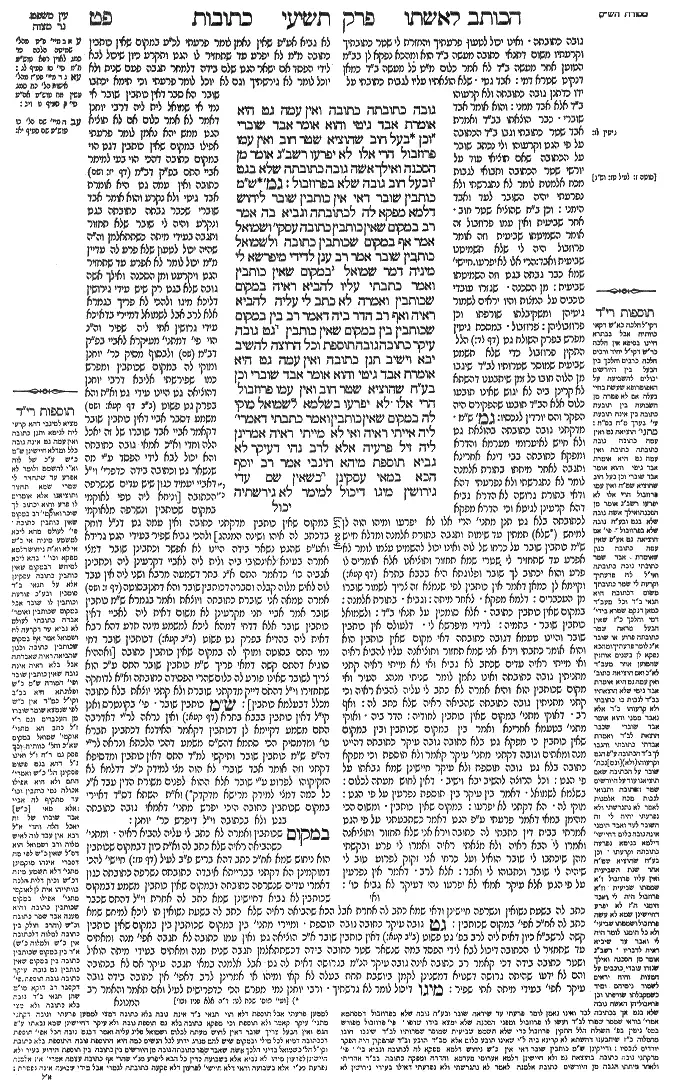
Ketubot 89a - Guemara
גובה כתובתה כתובה ואין עמה גט היא אומרת אבד גיטי והוא אומר אבד שוברי וכן בעל חוב שהוציא שטר חוב ואין עמו פרוזבול הרי אלו לא יפרעו רשב"ג אומר מן הסכנה ואילך אשה גובה כתובתה שלא בגט ובעל חוב גובה שלא בפרוזבול:
גמ׳ ש"מ כותבין שובר דאי אין כותבין שובר ליחוש דלמא מפקא לה לכתובתה וגביא בה אמר רב במקום שאין כותבין כתובה עסקי' ושמואל אמר אף במקום שכותבין כתובה ולשמואל כותבין שובר אמר רב ענן לדידי מיפרשא לי מיניה דמר שמואל במקום שאין כותבין ואמר כתבתי עליו להביא ראיה במקום שכותבין ואמרה לא כתב לי עליה להביא ראיה ואף רב הדר ביה דאמר רב בין במקום שכותבין בין במקום שאין כותבין גט גובה עיקר כתובה גובה תוספת וכל הרוצה להשיב יבא וישיב תנן כתובה ואין עמה גט היא אומרת אבד גיטי והוא אומר אבד שוברי וכן בע"ח שהוציא שטר חוב ואין עמו פרוזבול הרי אלו לא יפרעו בשלמא לשמואל מוקי לה במקום שאין כותבין ואמר כתבתי דאמרי' ליה אייתי ראיה ואי לא מייתי ראיה אמרינן ליה זיל פרעיה אלא לרב נהי דעיקר לא גביא תוספת מיהא תיגבי אמר רב יוסף הכא במאי עסקינן כשאין שם עדי גירושין מיגו דיכול למימר לא גירשתיה
Comments from Rashi on Masechet Ketubot Page 89a
גובה כתובתה . ואינו יכול לטעון פרעתיך והחזרת לי שטר כתובתיך וקרעתיו משום דתנאי כתובה מעשה ב"ד הוא ומהכא נפקא לן בב"מ הטוען אחר מעשה ב"ד לא אמר כלום מ"ט כל מעשה ב"ד כמאן דנקיט שטרא דמי: אבד גטי . שלא הוצאתיו עליו לגבות כתובתי על ידו כדתנן גובה כתובתה ולא קרעוהו ב"ד אלא אבד ממני: והוא אומר אבד שוברי . כבר הוצאתו בב"ד ואמרת אבד שטר כתובתי וגבו ב"ד הכתובה על פי הגט וקרעוהו ולי נכתב שובר על הכתובה שאם תוציאי עוד על יורשי שטר הכתובה ותבואי לגבות מכח אלמנות לומר לא נתגרשתי ולא נפרעתי יהיה השובר לעד ואבד הימני: וכן ב"ח שהוציא שטר חוב . אחר שביעית ואין עמו פרוזבול זה אומר השמיטתו שביעית וזה אומר פרוזבול היה לי שלא תשמיטנו שביעית ואבד: הרי אלו לא יפרעו . חיישי' שמא כבר גבתה בגט וזה השמיטתו שביעית: מן הסכנה . שגזרו עובדי כוכבים על המצות והיו יראים לשמור גיטיהן ומשקיבלתו שורפתו וכן פרוזבוליהן: פרוזבול . במסכת גיטין מפרש בפרק השולח גט (דף לד:) הלל התקין פרוזבול כדי שלא תשמט שביעית שמוסר שטרותיו לב"ד שיגבו מן הלוה חובו כל זמן שיתבענו דהשתא לא קרינן ביה לא יגוש שאינו תובעו כלום אלא הב"ד תובעו שהפקירם היה הפקר והם יורדין לנכסיו: גמ' ש"מ . מדקתני גובה כתובתה בהוצאת גט ולא חייש לאיערומי מערמא והדרא ומפקא כתובתה בבי דינא אחרינא ותגבה לאחר מיתתו בתורת אלמנה לומר לא נתגרשתי ולא נפרעתי דהא ודאי בתורת גרושה לא הדרא גביא דהא קרעינן לגיטא וכי הדרא מפקא לכתובתה בלא גט תנן מתני' הרי אלו לא יפרעו ומיהו הוה לן למיחש (שלא) תמתין עד שימות ותגבה בתורת אלמנה ומדלא חייש ש"מ כותבין שובר על כרחו של לוה ואינו יכול להשמיט עצמו לומר לא אפרע עד שתחזיר לי שטרי שמא תחזור ותוציאנו אלא אומרים לו פרע והוא יכתוב לך שובר ופלוגתא היא בבבא בתרא (דף קעא:) וקיימא לן כמאן דאמר אין כותבין לפי שנמצא זה צריך לשמור שוברו מן העכברים: דלמא מפקא . לאחר מיתה: וגביא . בתורת אלמנה: במקום שאין כותבין כתובה . אלא סומכין על תנאי ב"ד: ולשמואל כותבין שובר . בתמיה: לדידי מיפרשא לי . דלעולם אין כותבין שובר והיינו טעמא דגובה כתובתה דאי מקום שאין כותבין הוא והוא אומר כתבתי וירא אני שמא תחזור ותוציאנה עליו להביא ראיה ואי מייתי ראיה עדים שכתב לא גביא ואי לא מייתי ראיה קתני מתניתין גובה כתובתה ואינו נאמן לומר שניתי מנהג העיר ואי מקום שכותבין הוא והיא אמרה לא כתב לי עליה להביא ראיה וכי קתני מתניתין גובה כתובתה שהביאה ראיה שלא כתב לה: ואף רב . דאוקי מתני' במקום שאין כותבין לחודיה: הדר ביה . ואוקי מתני' בטעמא אחרינא ואמר בין במקום שכותבין ובין במקום שאין כותבין כי מפקא גט בלא כתובה גובה עיקר כתובתה דהיינו מנה ומאתים וגובה דקתני מתני' עיקר קאמר ולא תוספת וכי מפקא כתובה בלא גט גובה תוספת ולא עיקר חיישינן שמא גבאתו על פי הגט: וכל הרוצה להשיב יבא וישיב . דאין לחוש מעתה לכלום: בשלמא לשמואל . דאמר בין עיקר בין תוספת נפרעין על פי הגט: מוקי לה . הא דקתני לא יפרעו: במקום שאין כותבין . ומשום הכי מהימן במאי דאמר פרעתי ע"פ הגט דאמר כשתבעתני על פי הגט אמרתי בבית דין כתבתי לה כתובה וירא אני שלא תחזור ותוציאנה ואמרו לי הבא ראיה ולא מצאתי ראיה ואמרו לי פרע ובקשתי מהן שיכתבו לי שובר הואיל ועל כרחי אני זקוק לפרוע טוב לי שיהיה לי שובר וכתבוהו לי ואבד: אלא לרב . דאמר אין נפרעין על פי הגט אלא עיקר אמאי לא יפרעו נהי דעיקר לא גביא כו':
Comments from Tosafot - Ketubot 89a
ש"מ כותבין שובר . פי' בקונטרס ואנן קי"ל דאין כותבין בבבא בתרא (דף קעא:) ואין נראה לר"י דאדרבה התם משמע דקיימא לן דכותבין דקאמר האידנא דכתבינן תברא כו' ומדמסיק הכי סתמא דהש"ס משמע דהכי הלכתא ונראה לר"י דה"פ ש"מ כותבין שובר ותיקשי למ"ד התם דאין כותבין ומדסיפא דקתני וזה אומר אבד שוברי לא הוה מצי למידק כ"כ דדלמא לא הזקיקוהו לפרוע ע"י שובר אלא ההוא לפנים משורת הדין עבד א"נ כל כמה דמצי למידק מרישא מדקדק וא"ת השתא דס"ד דאיירי במקום שכותבין כתובה היכי יפרש מתני' דאמאי גובה כתובתה בגט ולא בכתובה וי"ל דיפרש כר' יוחנן: במקום שכותבין ואמרה לא כתב לי עליה להביא ראיה . ומתני' כשהביאה ראיה שלא כתב לה וא"ת כיון דבמקום שכותבין הוא ניחוש שמא אח"כ כתב דהא בריש פ"ב לעיל (כתובות דף טז:) חיישי' להכי דמוקמינן הא דקתני בברייתא איבדה כתובתה נשרפה כתובתה כגון דאמרי עדים שנשרפה כתובתה ובמקום שאין כותבין משמע דבמקום שכותבין לא גביא דחיישינן שמא כתב לה אחרת וי"ל דהתם שכבר כתב לה בשעת נשואין ונשרפה חיישינן ודאי שמא כתב לה אחרת אבל הכא שהביאה ראיה שלא כתב לה בשעת נשואין תו ליכא למיחש שמא כתב לה אח"כ אפי' במקום שכותבין: גט גובה עיקר כתובה גובה תוספת . ומיירי מתני' בין במקום שכותבין בין במקום שאין כותבין קשה לרשב"א כיון דאית ליה לרב בפ' גט פשוט (ב"ב קעא:) דאין כותבין שובר א"כ הוציאה גט ואין עמו כתובה לא תגבה אפי' מנה ומאתים עד שתחזיר לו הכתובה דיכול לבא לידי הפסד במה שנשאר שטר כתובה בידה דכשתתאלמן תגבה שנית מנה ומאתים בעידי מיתה הואיל ושטר כתובה בידה דכי קאמר רב כתובה אינה גובה עיקר הנ"מ בגרושה דאית לה גט אבל אלמנה במאי תגבה עיקר אם לא בכתובה והם לא ידעו שהיתה גרושה דשנויא דמשנינן לקמן ביושבת תחת בעלה לא קאי ומיהו אי אמרינן לרב דאפי' אין כתובה בידה גובה עיקר אפי' בעידי מיתה אתי שפיר: מיגו דיכול לומר לא גרשתיך . ורבי יוחנן נמי מפרש הכי כדפרישית לעיל ואם תאמר והאמר רב המנונא האשה שאמרה לבעלה גירשתני נאמנת ורבי יוחנן אית ליה דרב המנונא לעיל בפ' שני (כתובות דף כב: ושם) ובפרק התקבל (גיטין סד.) וי"ל דלא מהימנא אלא דווקא היכא דאין תובעת כתובתה אבל תובעת כתובתה לא מהימנא דשמא מחמת חימוד ממון אומרת כן והכי אמרינן בהאשה שהלכה (יבמות קיז. ושם) מת בעלי והתירוני לינשא מתירין אותה לינשא ונותנין לה כתובתה תנו לי כתובתי אף לינשא אין מתירין אותה דאדעתא דכתובה אתאי:
Ketubot 89a - Mishnah translated into english
she collects payment of her marriage contract, and he cannot claim that he already paid it.
If she produced a marriage contract, and it was unaccompanied by a bill of divorce, and she says: My bill of divorce was lost, and he says: Just as your bill of divorce was lost, so too my receipt for the payment of your marriage contract was lost; and likewise, in a case of a creditor who produced a promissory note after the Sabbatical Year, unaccompanied by a document that prevents the Sabbatical Year from forgiving an outstanding debt [prosbol], and demanded payment of the debt, these debts may not be collected.
Rabban Shimon ben Gamliel says: From the time of danger and onward, after the ruling authorities banned the performance of mitzvot, people would destroy a bill of divorce or a prosbol immediately after they were signed, a woman collects payment of her marriage contract without a bill of divorce, and a creditor collects debts owed to him without a prosbol. The assumption is that due to the circumstances these documents were written but were not preserved.
GEMARA: Conclude from the mishna that when one repays a debt, the creditor writes a receipt and gives it to the debtor as proof of payment, as, if one does not write a receipt, then in the case in the mishna where she receives payment of her marriage contract by producing her bill of divorce, let us be concerned lest she produce her marriage contract in a different court and collect payment with it a second time. In the absence of a receipt, the husband cannot prove that the debt was paid.
Rav said: That is no proof, as we are dealing with a place where one does not write a marriage contract. In those places, there is a general stipulation of the Sages that a husband must pay his wife the sum of the marriage contract even if no document was written. Therefore, there is no concern lest she produce the marriage contract at a later stage. And Shmuel said that the mishna is referring even to a place where one writes a marriage contract, which she claims to have lost.
The Gemara asks: And according to Shmuel, does one in fact write a receipt? Rav Anan said: It was explained to me personally by the Sage Shmuel himself: The mishna is addressing two different cases. In a place where one does not write a marriage contract and the husband said: I wrote a marriage contract, it is incumbent upon him to bring proof that he wrote one. In that case, if he does not provide proof, she can collect payment. In a place where one writes a marriage contract and she said: He did not write one for me, she must bring proof that he did not write a marriage contract. Only then can she collect payment without one.
And even Rav retracted his interpretation of the mishna, as Rav said the following ruling: Both in a place where one writes a marriage contract and in a place where one does not write a marriage contract, if she produces only a bill of divorce, she collects the main sum of the marriage contract. The Sages established minimum sums to serve as the principal payment of the marriage contract: Two hundred dinars for a virgin and one hundred for a non-virgin. If she produces a marriage contract that specifies a larger sum, she collects only the additional sum and not the main sum, as there is a concern that she collected the main sum previously by producing the bill of divorce. And whoever wishes to challenge this solution, let him come and challenge it. There is no longer any possibility of deceit, as she will gain nothing by producing the marriage contract in a second court after having collected her marriage contract by producing her bill of divorce in a first court.
The Gemara objects: We learned in the mishna: If she produced a marriage contract, and it was unaccompanied by a bill of divorce, and she says: My bill of divorce was lost, and he says: Just as your bill of divorce was lost, so too my receipt for the payment of your marriage contract was lost; and likewise, in a case of a creditor who produced a promissory note after the Sabbatical Year, unaccompanied by a prosbol, and demanded payment of the debt, these debts may not be collected.
The Gemara presents the question: Granted, according to Shmuel, this is reasonable. He establishes the mishna as referring to a place where the common practice is that one does not write a marriage contract, and the husband previously had said: I wrote one, and therefore did not want to pay the marriage contract when she produced the bill of divorce, as he was concerned that she would later produce the marriage contract and demand payment again. As in that case we say to him, according to Shmuel: Bring proof that you wrote a marriage contract, and if he does not bring proof, we say to him: Go and pay her based on the bill of divorce. Now, when she produces her marriage contract and the husband claims that he paid her by means of the bill of divorce and has lost the receipt, the mishna rules that this debt cannot be collected.
The Gemara completes the question: However, according to Rav, why does the mishna state that the debt cannot be collected? Although she cannot now collect the main sum of her marriage contract, because he can claim that she already received this sum in a different court by means of her bill of divorce, she should be able to collect the additional sum by virtue of the marriage contract, as she could not have received that by producing the bill of divorce alone.
Rav Yosef said: With what are we dealing here? It is a case where there are no witnesses to the divorce present there. Since the husband can say: I did not divorce her and she is entitled to nothing,
Traduction : The William Davidson digital edition of the Koren Noé Talmud, with commentary by Rabbi Adin Even-Israel Steinsaltz.