 Talmud Bavli
Ketubot 28a : Youtube
Daf TubeYoutube
1 video class :
Ketubot Page 28a
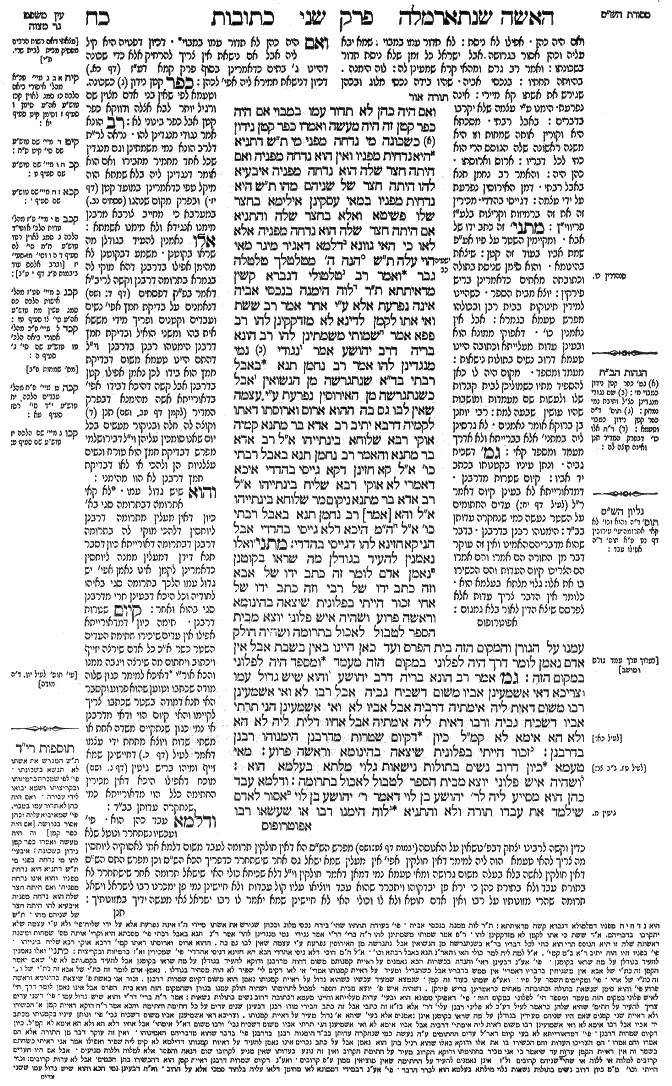
Ketubot 28a - Guemara
ואם היה כהן לא תדור עמו במבוי אם היה כפר קטן זה היה מעשה ואמרו כפר קטן נידון כשכונה מי נדחה מפני מי ת"ש דתניא היא נדחית מפניו ואין הוא נדחה מפניה ואם היתה חצר שלה הוא נדחה מפניה איבעיא להו היתה חצר של שניהם מהו ת"ש היא נדחית מפניו במאי עסקינן אילימא בחצר שלו פשיטא ואלא בחצר שלה והתניא אם היתה חצר שלה הוא נדחה מפניה אלא לאו כי האי גוונא דלמא דאגיר מיגר מאי הוי עלה ת"ש (ישעיהו כב, יז) הנה ה' מטלטלך טלטלה גבר ואמר רב טלטולי דגברא קשין מדאיתתא ת"ר לוה הימנה בנכסי אביה אינה נפרעת אלא ע"י אחר אמר רב ששת ואי אתו לקמן לדינא לא מזדקקינן להו רב פפא אמר שמותי משמתינן להו רב הונא בריה דרב יהושע אמר נגודי נמי מנגדינן להו אמר רב נחמן תנא באבל רבתי בד"א שנתגרשה מן הנשואין אבל כשנתגרשה מן האירוסין נפרעת ע"י עצמה שאין לבו גס בה ההוא ארוס וארוסתו דאתו לקמיה דרבא יתיב רב אדא בר מתנא קמיה אוקי רבא שלוחא בינתייהו א"ל רב אדא בר מתנא והאמר רב נחמן תנא באבל רבתי כו' א"ל קא חזינן דקא גייסי בהדדי איכא דאמרי לא אוקי רבא שליח בינתייהו א"ל רב אדא בר מתנא ניקום מר שלוחא בינתייהו א"ל והא [אמר] רב נחמן תנא באבל רבתי כו' א"ל ה"מ היכא דלא גייסי בהדדי אבל הני קא חזינא להו דגייסי בהדדי:
מתני׳ ואלו נאמנין להעיד בגודלן מה שראו בקוטנן נאמן אדם לומר זה כתב ידו של אבא וזה כתב ידו של רבי וזה כתב ידו של אחי זכור הייתי בפלונית שיצאה בהינומא וראשה פרוע ושהיה איש פלוני יוצא מבית הספר לטבול לאכול בתרומה ושהיה חולק עמנו על הגורן והמקום הזה בית הפרס ועד כאן היינו באין בשבת אבל אין אדם נאמן לומר דרך היה לפלוני במקום הזה מעמד ומספד היה לפלוני במקום הזה:
גמ׳ אמר רב הונא בריה דרב יהושע והוא שיש גדול עמו וצריכא דאי אשמעינן אביו משום דשכיח גביה אבל רבו לא ואי אשמעינן רבו משום דאית ליה אימתיה דרביה אבל אביו לא ואי אשמעינן הני תרתי אביו דשכיח גביה ורבו דאית ליה אימתיה אבל אחיו דלית ליה לא הא ולא הא אימא לא קמ"ל כיון דקיום שטרות מדרבנן הימנוהו רבנן בדרבנן:
זכור הייתי בפלונית שיצאה בהינומא וראשה פרוע:
מאי טעמא כיון דרוב נשים בתולות נישאות גלוי מלתא בעלמא הוא:
ושהיה איש פלוני יוצא מבית הספר לטבול לאכול בתרומה:
ודלמא עבד כהן הוא מסייע ליה לר' יהושע בן לוי דאמר ר' יהושע בן לוי אסור לאדם שילמד את עבדו תורה ולא והתניא לוה הימנו רבו או שעשאו רבו
Comments from Rashi on Masechet Ketubot Page 28a
ואם היה כהן . אפילו לא ניסת: לא תדור עמו במבוי . שמא יבא עליה וכהן אסור בגרושה אבל ישראל כל זמן שלא ניסת תדור בשכונתו: ואמר רב גרס ומהאי קרא שמעינן לה: לוה הימנה . בהיותה תחתיו: בנכסי אביה . שהיו בידה נכסי מלוג ובכהן שגירש את אשתו קא מיירי: אינה נפרעת . הימנו ע"י עצמה שלא יקרבו בדברים: באבל רבתי . מסכתא היא וקורין אותה שמחות וזו היא משנה ראשונה שלה הגוסס הרי הוא כחי לכל דבריו: ארוס וארוסתו . כהן היה: ארוס וארוסתו . כהן היה: והאמר רב נחמן תנא באבל רבתי . דמן האירוסין נפרעת על ידי עצמה: דגייסי בהדדי . מכירין זה את זה ברמיזות וקריצות בלע"ז פריווי"ץ: דגייסי בהדדי . מכירין זה את זה ברמיזות וקריצות בלע"ז פריווי"ץ: מתני' זה כתב ידו של אבא . ומקיימין השטר על פיו אע"פ שמת אביו בעוד זה קטן: שיצאת בהינומא . והוא סימן שניסת בתולה וכתובתה מאתים כדאמרינן בריש פירקין: יוצא מבית הספר . כשהיינו למידין תינוקות בבית רבן ובכולהו מפרש טעמא בגמרא: אבל אין נאמנין כו' . דאפוקי ממונא הוא ובעינן עדות מעלייתא וכתובה היינו טעמא דרוב נשים בתולות נישאות: מעמד ומספד . מקום היה לו כאן להספיד מתיו כשמוליכן לבית קברות שלו ולעשות שם מעמדות ומושבות שהיו עושין שבעה למת: רבי יוחנן בן ברוקא אומר נאמנים . לא גרסינן ליה במתני' אלא בברייתא ולא אדרך מעמד ומספד קאי: גמ' דשכיח גביה . ונתן עיניו בקטנותו בכתב יד אביו: קיום שטרות מדרבנן . דמדאורייתא לא בעינן קיום דאמר ר"ל (לעיל כתובות דף יח:) עדים החתומים על השטר נעשה כמי שנחקרה עדותן בב"ד: הימנוהו רבנן בדרבנן . בדבר שהוא מדבריהם האמינו ואין זה עוקר דבר מן התורה הם אמרו והם אמרו הם הצריכו קיום העדות והם הכשירו בו את אלו: גלוי מלתא בעלמא הוא . כלומר אין הדבר צריך עדות אלא לפרסם שיצא הדין לאור בלא גמגום:
Comments from Tosafot - Ketubot 28a
ואם היה כהן לא תדור עמו במבוי . דכיון דפנויה היא קיל ליה אבל אם נישאת אין צריך להרחיק אלא כדי שכונה דהיינו ג' בתים כדאמרינן בסוף פרק קמא דע"ז (דף כא.) דכיון דנישאת חמירא ליה אפי' לכהן: כפר קטן נידון כשכונה . וטעמא לפי שאין בני אדם מצוין שם ורגיל יותר לבא אצלה ודווקא כפר קטן אבל כפר בינוני לא: רב הונא אמר נגודי מנגדינן להו . נראה לר"ת דלרב הונא נמי משמתינן וגם מנגדין שכל אחד מחמיר מחבירו ואם הוא אומר דנגדינן ליה בלא שמתא הוה מיקל טפי כדאמרינן במועד קטן (דף יז.) ובפרק מקום שנהגו (פסחים נב.) במערבא כי מחייב צורבא מרבנן מימנו אנגידא ולא מימנו אשמתא: אלו נאמנין להעיד בגודלן מה שראו בקוטנן . משמע דבקוטנן לא מהימן אפילו בדרבנן דהא מוקי לה בגמרא בתרומה דרבנן וקשה לריב"א דאמר בפ"ק דפסחים (דף ד: ושם) דנאמנים על בדיקת חמץ אפי' נשים ועבדים וקטנים ופריך מידי מששא אית בהו ומשני הואיל ובדיקת חמץ דרבנן הימנוהו רבנן בדרבנן וי"ל דהתם היינו טעמא משום דבדיקת חמץ הוא בידו לכן נאמן אפילו קטן בדרבנן אבל קשה דהיכא דבידו אפי' בדאורייתא אשה מהימנא דבפרק המדיר (לקמן כתובות דף עב. ושם) תנן וקוצה לה חלה ובניקור מעשים בכל יום שאנו סומכין עליהן וי"ל דבירושלמי מפרש דבדיקת חמץ הוא טורח ונשים עצלניות הן ולהכי אי לאו דבדיקת חמץ דרבנן לא הוו מהימני: והוא שיש גדול עמו . לא קאי אתרומה דבתרומה סגי בא' כיון דאין מעלין מתרומה דרבנן ליוחסין דלהכי מוקי לה בתרומה דרבנן דבתרומה דאורייתא כיון דסבר תנא דידן דמעלין ממנה ליוחסין כדאמרינן לקמן אינו נאמן אפי' יש גדול עמו הלכך בתרומה סגי באיהו לחודיה וכל היכא דבעינן תרי מדרבנן סגי בהוא ואחר: קיום שטרות דרבנן . תימה כיון דמדאורייתא אפילו אין עדים שיכירו חתימת העדים השטר כשר א"כ כל אדם שירצה יזייף ויכתוב ויחתום מה שירצה ויגבה ממנו והכא אור"י דאיכא למימר כגון שלוה מודה שכתבו וטוען שהוא פרוע וקסבר האי תנא דמודה בשטר שכתבו צריך לקיימו והאי קיום הוי ודאי מדרבנן אי נמי כגון שנתקיים משדה אחת או משתי שדות ויוצא מתחת ידי עצמו דאמר לעיל (כתובות דף כ.) דחיישינן שמא זייף ומיהו בריש גיטין (דף ג. ושם) מוכח דאפילו היכא דאין מכירין החתימה כלל הוי מדאורייתא כמי שנחקרה עדותן בב"ד: ודלמא עבד כהן הוא . פי' ועכשיו נשתחרר ונוטל שלא כדין וקשה לרבינו יצחק דבפ' נושאין על האנוסה (יבמות דף צט: ושם) מפרש הש"ס הא דאין חולקין תרומה לעבד משום דלמא אתי לאסוקיה ליוחסין מה צריך להאי טעמא הוה ליה למימר דאין חולקין אפי' אין מעלין שמא ישאל גם אחר שישתחרר כדפריך הכא הש"ס וכן מפרש התם הש"ס דאין חולקין לאשה בלא בעלה משום גרושה ומאי טעמא נמי דמאן דאמר חולקין וי"ל דלא שכיחא כולי האי שישאל תרומה אחר שישתחרר לא בתורת עבד ולא בתורת כהן כי ירא פן יבדקוהו ויתברר שהוא עבד ויוציאו עליו קול עבדות ולא חיישינן נמי פן ימכרנו רבו לישראל וישאל תרומה שהרי מזונותיו על רבו ואין אדם חוטא ולא לו וכולי האי לא חיישינן שמא יאמר לו רבו ישראל צאי מעשה ידיך במזונותיך:
Ketubot 28a - Mishnah translated into english
And if he was a priest she may not live with him even in one alleyway that opens into several courtyards, even if she did not remarry, as she is forbidden to him forever. What is the ruling if it was a small village? May she live with her ex-husband in the same village? The Gemara relates that this case of his divorcée and a small village was an incident that transpired and the Sages said: A small village is judged as his immediate proximity.
The Gemara asks: In cases where they may not reside in the same courtyard or alleyway, who is ousted in favor of whom? Which of them must leave? The Gemara suggests: Come and hear proof as it is taught in a baraita: She is ousted in favor of him, and leaves, and he is not ousted in favor of her. But if it was her courtyard, he is ousted in favor of her.
A dilemma was raised before the Sages: If it was a courtyard belonging to both of them, what is the halakha; who is ousted in favor of whom? The Gemara suggests: Come and hear proof as it is taught in a baraita: She is ousted in favor of him. The Gemara elaborates: With what circumstances are we dealing? If we say that the subject of the baraita is with regard to his courtyard, it is obvious that she is ousted. But rather, is it with regard to her courtyard? Isn’t it taught in a baraita: If it was her courtyard, he is ousted in favor of her? Rather, is it not that the baraita is dealing with a case like this, where it was a courtyard belonging to both of them? The Gemara rejects this proof: Perhaps the baraita is teaching that even in a case where he rented the courtyard she is ousted in his favor. Therefore, the dilemma with regard to a courtyard belonging to both of them is unresolved.
The Gemara asks: What halakhic conclusion was reached about this matter? The Gemara suggests: Come and hear proof from the verse: “The Lord will dislocate you the dislocation of a man” (Isaiah 22:17), and Rav said: This indicates that the dislocation of a man is more difficult for him than the dislocation of a woman is for her. Therefore, the woman is ousted.
The Sages taught: With regard to a priest who borrowed from his wife from usufruct property that she inherited from her father and then he divorced her, she is repaid only by means of another person and not directly from her husband, to prevent them from engaging in business dealings. Rav Sheshet said: And if after engaging in business dealings they came before us for judgment, we do not attend to them because by engaging in those dealings they were in violation of a transgression. Rav Pappa said: We excommunicate them for violating that transgression. Rav Huna, the son of Rav Yehoshua, said: We also flog them with lashes. Rav Naḥman said: The tanna taught in Evel Rabbati, one of the minor tractates that deals primarily with the halakhot of mourning: In what case is this statement said? It is in a case where she was divorced from marriage. However, when she was divorced from betrothal, she is repaid even directly by means of receiving the money herself, because, in that case, he is not yet accustomed to her. Since they never shared intimacy, there is no concern that it will lead to transgression.
The Gemara relates: There was an incident concerning this divorced, betrothed man and his betrothed who came before Rava for judgment, and Rav Adda bar Mattana was sitting before him at the time. Rava placed an intermediary to separate between them. Rav Adda bar Mattana said to Rava: But didn’t Rav Naḥman say: The tanna taught in Evel Rabbati that if she was divorced from betrothal she is paid directly? Rava said to him: This applies only in a case where they are not accustomed to each other. However, with regard to these people, we see that they are accustomed to each other, and therefore they must be separated.
Some say that Rava did not place an intermediary to separate between them. Rav Adda bar Mattana said to Rava: Let the Master place an intermediary to separate between them. Rava said to Rav Adda bar Mattana: But didn’t Rav Naḥman say: The tanna taught in Evel Rabbati that if she was divorced from betrothal she is paid directly? Rav Adda bar Mattana said to Rava: This applies only in a case where they are not accustomed to each other. However, with regard to these people, we see that they are accustomed to each other, and therefore they must be separated.
MISHNA: And these are deemed credible to testify in their majority with regard to what they saw in their minority. A person is deemed credible to say: This is my father’s handwriting, and to say: This is my teacher’s handwriting; and to say: This is my brother’s handwriting, even though he never saw their handwriting after reaching majority.
§ Similarly, one is deemed credible to say: I was reminded of the wedding of so-and-so, who went out with a hinnuma, or with her hair uncovered in a manner typical of virgins, and therefore, her marriage contract is two hundred dinars; and to say that so-and-so would leave school to immerse in order to partake of teruma, and that he would share teruma with us at the threshing floor and therefore he is a priest. Similarly, one is deemed credible to say: This place is a beit haperas, a field with a grave that was plowed, scattering the bones, and rendering the field a place of uncertain ritual impurity; and to say: Until here we would come on Shabbat and thereby determine the Shabbat boundary.
However, a person is neither deemed credible to say: So-and-so had a path in this place; nor to say: So-and-so had a tract of land where they would perform the ritual of standing and sitting and deliver a eulogy in that place, thereby attesting that the land belongs to that person. The reason he is not deemed credible in those cases is that full-fledged testimony is required to remove property from the possession of its presumptive owner.
GEMARA: Rav Huna, son of Rav Yehoshua, said: And the mishna said that one is deemed credible to testify about handwriting he saw as a minor only when there is a witness who saw the handwriting as an adult testifying with him.
And all of these cases are necessary, as one could not have been derived from the other. As, if the tanna had taught us the case of his father’s handwriting, one might have thought that he is deemed credible due to the fact that he is often found with his father and is familiar with his handwriting; but with regard to his teacher’s handwriting, no, he is not deemed credible. And if the tanna had taught us the case of his teacher’s handwriting, one might have thought that he is deemed credible due to the fact that he has a sense of awe of his teacher and therefore pays attention to his handwriting; but with regard to his father’s handwriting, no, he is not deemed credible.
And if the tanna had taught us these two cases, one might have thought that he is deemed credible with regard to his father’s handwriting due to the fact that he is often found with him, and his teacher’s handwriting due to the fact that he has a sense of awe of him. But with regard to his brother’s handwriting, which has neither this factor nor that factor, say no, he is not deemed credible. Therefore, the tanna teaches us: Since ratification of documents is required by rabbinic law, as by Torah law, the signatories are sufficient proof of a document’s validity; the Sages deemed him credible to testify in cases that he witnessed as a minor in matters that are by rabbinic law, including the case of his brother.
And the mishna states that one is deemed credible to say: I was reminded of the wedding of so-and-so, who went out with a hinnuma, or with her hair uncovered. What is the reason that he is deemed credible? Since most women are married as virgins, her presumptive status is that of a virgin even without his testimony. His testimony with regard to what he saw as a minor is merely revealing of a matter already presumed true, not actual testimony.
And the mishna states that one is deemed credible to say that so-and-so would leave school to immerse in order to partake of teruma, and therefore he is a priest. The Gemara asks: And perhaps he is the slave of a priest, who is also eligible to partake of teruma. The Gemara notes: This mishna provides support for the opinion of Rabbi Yehoshua ben Levi, as Rabbi Yehoshua ben Levi said: It is prohibited for a person to teach his slave Torah. Since the testimony is that he was in school, apparently he is not a slave. Therefore, the fact that he partook of teruma indicates that he is a priest.
The Gemara asks: And may one not teach his slave Torah? But isn’t it taught in a baraita: A slave whose master borrowed from him, or whose master made him
Traduction : The William Davidson digital edition of the Koren Noé Talmud, with commentary by Rabbi Adin Even-Israel Steinsaltz.