 Talmud Bavli
The learning on the whole site is dedicated : L'ilui Nishmat Rav Chlomo Ben Jamilla
The learning on the whole site is dedicated : L'ilui Nishmat Jamila bat Chlomo Abensour
The learning on the whole site is dedicated : L'ilui Nishmat אסתר בת חיים
Ketubot 31a : Youtube
Daf TubeYoutube
1 video class :
Ketubot Page 31a
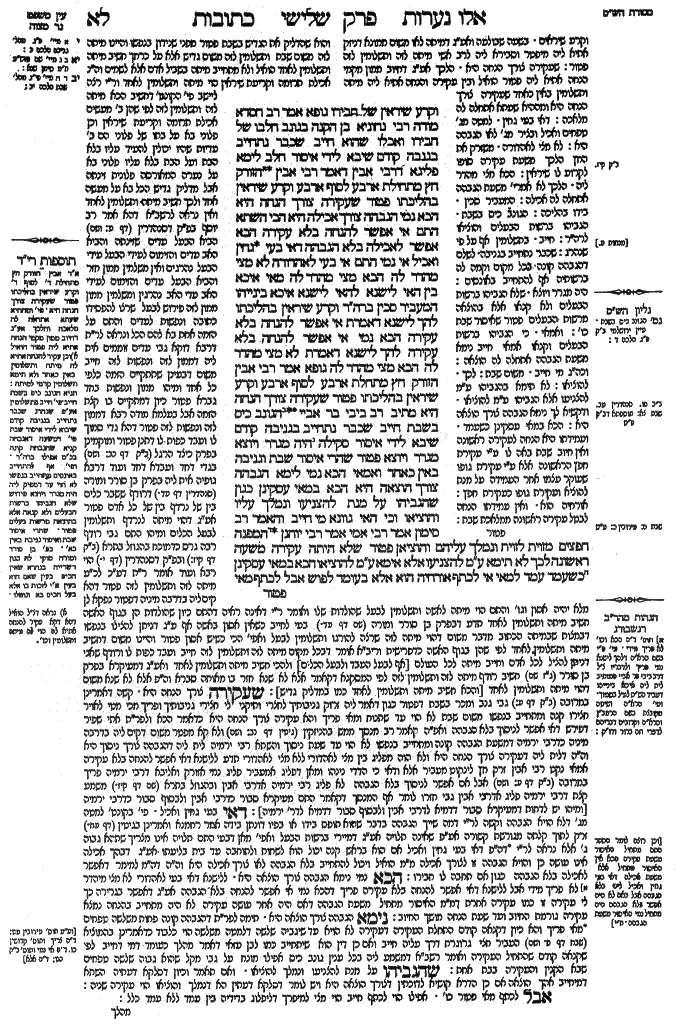
Ketubot 31a - Guemara
וקרע שיראין של חבירו גופא אמר רב חסדא מודה רבי נחוניא בן הקנה בגונב חלבו של חבירו ואכלו שהוא חייב שכבר נתחייב בגנבה קודם שיבא לידי איסור חלב לימא פליגא דרבי אבין דאמר רבי אבין הזורק חץ מתחילת ארבע לסוף ארבע וקרע שיראין בהליכתו פטור שעקירה צורך הנחה היא הכא נמי הגבהה צורך אכילה היא הכי השתא התם אי אפשר להנחה בלא עקירה הכא אפשר לאכילה בלא הגבהה דאי בעי גחין ואכיל אי נמי התם אי בעי לאהדורה לא מצי מהדר לה הכא מצי מהדר לה מאי איכא בין האי לישנא להאי לישנא איכא בינייהו המעביר סכין ברה"ר וקרע שיראין בהליכתו להך לישנא דאמרת אי אפשר להנחה בלא עקירה הכא נמי אי אפשר להנחה בלא עקירה להך לישנא דאמרת לא מצי מהדר לה הכא מצי מהדר לה גופא אמר רבי אבין הזורק חץ מתחלת ארבע לסוף ארבע וקרע שיראין בהליכתו פטור שעקירה צורך הנחה היא מתיב רב ביבי בר אביי הגונב כיס בשבת חייב שכבר נתחייב בגניבה קודם שיבא לידי איסור סקילה היה מגרר ויוצא מגרר ויוצא פטור שהרי איסור שבת וגניבה באין כאחד ואמאי הכא נמי לימא הגבהה צורך הוצאה היא הכא במאי עסקינן כגון שהגביהו על מנת להצניעו ונמלך עליו והוציאו וכי האי גוונא מי חייב והאמר רב סימון אמר רבי אמי אמר רבי יוחנן המפנה חפצים מזוית לזוית ונמלך עליהם והוציאן פטור שלא היתה עקירה משעה ראשונה לכך לא תימא ע"מ להצניעו אלא אימא ע"מ להוציאו הכא במאי עסקינן כשעמד עמד למאי אי לכתף אורחיה הוא אלא בעומד לפוש אבל לכתף מאי
Comments from Rashi on Masechet Ketubot Page 31a
וקרע שיראים . בשעה שבולעה ואע"ג דמיתה לאו משום ממונא דניזק אתיא ליה מיפטר וסבירא ליה לרב אשי מיתה לזה ותשלומין לזה פטור: שעקירה צורך הנחה היא . הלכך אע"ג דחיוב ממון מקמי הנחה אתיא ליה פטור הואיל ובין עקירה והנחה אתיא ליה מיתה ותשלומין באין כאחד שעקירה צורך הנחה היא ומההיא שעתא אתחלה לה מלאכה: דאי בעי גחין . למטה מג' טפחים ואכיל ובציר מג' לאו הגבהה היא: לא מצי לאהדורה . משזרק את החץ הלכך משעת עקירה סופו לקרוע לו שיראין: הכא מצי מהדר ליה . הלכך לא אמרי' משעת הגבהה אתחלה לה אכילה: המעביר סכין . בידו בהליכה: הגונב כיס בשבת . הגביהו ברשות הבעלים והוציאו לרה"ר: חייב . בתשלומין אף על פי שנהרג: שכבר נתחייב בגניבה . לשלם דהגבהה קונה בכל מקום וקמה לה ברשותיה אף להתחייב באונסים: היה מגרר ויוצא . שלא הגביהו ברשות הבעלים ולא קנאו אלא בהוצאה מרשות הבעלים פטור שאיסור שבת כו': ואמאי . כי הגביהו ברשות הבעלים וקנאו אמאי חייב נימא משעת הגבהה אתחלה לה הוצאה: וכה"ג מי חייב . משום שבת: לכך . להוציאו: לא תימא בהגביהו ע"מ להצניעו אלא הגביהו ע"מ להוציאו . ודקשיא לך נימא הגבהה צורך הוצאה היא: הכא במאי עסקינן כשעמד . ועמידתו היא הנחה לעקירה ראשונה ואין חיוב שבת באה לו ע"י עקירת חפץ הראשונה אלא ע"י עקירת גופו שעוקר עצמו אחר העמידה על מנת להוציא ועקירת גופו כעקירת חפץ: אורחיה הוא . ואין עמידתו הנחה לבטל עקירה ראשונה ממלאכת שבת:
Comments from Tosafot - Ketubot 31a
שעקירה צורך הנחה היא . קשה דאמרינן במרובה (ב"ק דף ע:) גבי גנב ומכר בשבת דפטור כגון דאמר ליה זרוק גניבותיך לחצרי ותיקני לי חצירי גניבותיך ופריך מכי מטי לאויר חצירו קנה ומתחייב בנפשו משום שבת לא הוי עד שתנוח ומאי פריך והא עקירה צורך הנחה היא כדאמר הכא ולפר"ת אתי שפיר דפירש דאי אפשר לניסוך בלא הגבהה ואפ"ה קאמר רב מנסך ממש בהניזקין (גיטין דף נב: ושם) ולא קא מפטר משום דקים ליה בדרבה מיניה כדרבי ירמיה דמשעת הגבהה קונה ומתחייב בנפשו לא הוי עד שעת ניסוך והשתא רבי ירמיה לית ליה דהגבהה צורך ניסוך היא וה"ה דלית ליה דעקירה צורך הנחה היא ולא הוה מפליג בין מצי לאהדורי ללא מצי לאהדורי תדע ללישנא דאי אפשר להנחה בלא עקירה אמאי נקט רבי אבין זרק חץ לינקוט מעביר אלא ודאי כי הדדי נינהו ומאן דפליג אמעביר פליג נמי אזורק ואליבא דרבי ירמיה פריך במרובה (ב"ק דף ע: ושם) אבל אם אפשר לניסוך בלא הגבהה לא פליג רבי ירמיה אדרבי אבין ובהגוזל בתרא (שם דף קיז.) משמע קצת דרבי ירמיה פליג אדרבי אבין גבי חזרו לומר אף המנסך דקאמר התם מעיקרא סבור כדרבי אבין ולבסוף סבור כדרבי ירמיה [ומיהו יש לדחות דמעיקרא סבור דדמיא לדרבי אבין ולבסוף סבור דדמיא לדר' ירמיה]: דאי בעי גחין ואכיל . פי' בקונט' למטה מג' דלא הויא הגבהה וקשה לר"י דמה שייך הגבהה בדבר שהוא תופס בידו או בפיו דונתן בידה אמר רחמנא ואמרינן בגיטין (דף עח.) זרק לתוך קלתה מגורשת קשורה אע"פ שאינה תלויה אע"ג דמיירי ברשות הבעל ואפי' מאן דבעי התם תלויה אינו מצריך שתהא גבוה ג' אלא נראה לר"י דה"פ דאי בעי גחין ואכיל אם הוא בראש קנה יכול הוא לשחות ולתוחבה עד בית בליעתו אע"ג דבהך אכילה אינו עושה כן והויא הגבהה זו לצורך אכילה מ"מ הואיל ויכול להתחייב בלא הגבהה לאו צורך אכילה היא וה"ה דה"מ למימר דאפשר לאכילה בלא הגבהה כגון אם תחבה לו חבירו: הכא נמי נימא הגבהה צורך הוצאה היא . ללישנא דאי בעי לאהדורי לא מצי מיהדר א] לא פריך מידי אבל ללישנא דאי אפשר להנחה בלא עקירה פריך דהכא נמי אי אפשר להנחה בלא הגבהה אע"ג דאפשר בגרירה כך לי עקירה זו כמו עקירה אחרת דמ"מ האיסור מתחיל משעת הגבהה דאם היה אחר עושה עקירה לא היה מתחייב בהנחה נמצא עקירה גורמת החיוב ועד שעת הנחה מושך החיוב: נימא הגבהה צורך הוצאה היא . תימה לפר"ת דהגבהה קונה פחות משלשה טפחים מאי פריך והא כיון דקנאה קודם התחלת העקירה דעקירה לא הויא עד שיגביה שלשה דלמטה משלשה הוי כלבוד כדאמרינן בהמוציא (שבת דף פ. ושם) העביר חצי גרוגרת דרך עליה חייב ואם כן דין הוא שיתחייב כמו לבן עזאי דאמר מהלך כעומד דמי דחייב לפי שקנאה קודם שהתחיל העקירה ואומר רשב"א דמשמע ליה בכל ענין גונב כיס אפילו מונח על גבי מקל שהוא גבוה שלשה טפחים שבא הקנין והעקירה בבת אחת: שהגביהו על מנת להצניעו ונמלך להוציאו . ואם תאמר וכיון דסלקא דעתיה השתא דמיחייב אהך הוצאה אם כן הדרא קושיא לדוכתין דצורך הוצאה היא ויש לומר דסלקא דעתין הא דנמלך והוציאו הוי עקירה שניה: אבל לכתף מאי פטור כו' . אפילו הוי לכתף חייב הוי מצי למיפרך דליפלוג בדידיה בין עמד ללא עמד כלל:
Ketubot 31a - Mishnah translated into english
and at the same time he tore another’s silk [shira’in]. The question is whether the liability to receive the death penalty exempts him from the liability for payment incurred at precisely the same moment.
§ The Gemara analyzes the matter itself. Rav Ḥisda said: Rabbi Neḥunya ben HaKana concedes in the case of one who steals another’s forbidden fat and eats it that he is obligated to pay for the fat, as he is already liable for theft before he comes to violate the prohibition against eating forbidden fat. The Gemara comments: Let us say that Rav Ḥisda disagrees with Rabbi Avin, as Rabbi Avin said: One who shoots an arrow from the beginning of four cubits to the end of four cubits in the public domain on Shabbat, thereby performing a prohibited labor for which he is liable to receive a court-imposed death penalty, and the arrow ripped silk as it proceeds, is exempt from the obligation to pay for the silk because he is liable for the more severe punishment for desecrating Shabbat. Although the silk was ripped prior to completion of the prohibited labor, as the arrow had not yet come to rest, he is nevertheless exempt, as lifting is a prerequisite for placement. The prohibited labor of carrying on Shabbat is comprised of lifting of the object and placement. Once he shot the arrow, its movement through the air is a continuation of his act of Shabbat desecration, for which he is liable to be executed. Here, too, say that lifting the fat is a prerequisite for eating, and therefore he should be exempt from payment.
The Gemara refutes this argument: How can these cases be compared? There, in the case of the arrow, placement is impossible without lifting, as placement without lifting is not a labor prohibited on Shabbat. Therefore, lifting and placement are a single unit. In contrast, here, eating is possible without lifting as, if one wishes, he could bend down and eat without lifting the food to his mouth. Alternatively, there is another difference between the cases: There, in the case of the arrow, even if he seeks to take back the arrow after shooting it, he cannot take it back; therefore, lifting and placement constitute one action. Here, he could replace the fat after lifting it.
The Gemara asks: What practical difference is there between this formulation, where the criterion is whether the second stage could be performed independent of the first stage, and that formulation, where the criterion is whether the second stage is inevitable after performing the first stage? The Gemara responds: There is a practical difference between them with regard to one who carries a knife in the public domain and tears silk as he proceeds. According to that formulation, where you said: Lifting is a prerequisite for placement, here too, lifting is a prerequisite for placement. As these two stages are inexorably connected, they constitute one action, and the one carrying the knife is exempt from paying the damages. Conversely, according to that formulation where you said: He cannot take back the arrow and that is why they are considered one action, here, he can take back the knife; therefore, lifting and placement are separate actions and he is not exempt from punishment for the damages that he caused.
§ The Gemara analyzes the matter itself. Rabbi Avin said: With regard to one who shoots an arrow from the beginning of four cubits to the end of four cubits and the arrow rips silk as it proceeds, he is exempt, as lifting is a prerequisite for placement. Rav Beivai bar Abaye raised an objection from that which is taught in a baraita: One who steals a purse on Shabbat is liable for the theft because he was already liable for theft as soon as he lifted the purse. This took place before he came to violate the prohibition against performing prohibited labor on Shabbat by carrying it into the public domain, a violation punishable by stoning. However, if he did not lift the purse but was dragging it on the ground and exiting the private domain, dragging and exiting, he is exempt, as the prohibition against theft and the prohibition of Shabbat are violated simultaneously when he drags the purse out of the owner’s property and into the public domain.
Rav Beivai concludes: But why is he liable if he carried the purse? Here, too, let us say that lifting is a prerequisite for carrying out, and therefore the theft was performed in the course of performance of the prohibited labor and he is exempt. The Gemara answers: With what are we dealing here? We are dealing with a case where he lifted the pouch in order to conceal it in the same domain, not to carry it out into the public domain, and he reconsidered his plan with regard to the purse and carried it out. In that case the act of lifting was not performed for the purpose of carrying out. Therefore, he is not exempt from the obligation to pay for the theft.
The Gemara asks: And in a case like that, where he reconsidered, is one liable for carrying out an object on Shabbat? But didn’t Rav Simon say that Rabbi Ami said that Rabbi Yoḥanan said: One who moves objects from one corner of his house to another corner on Shabbat, and he reconsidered his plan in their regard after lifting them and carried them out into the public domain, he is exempt, as the act of lifting was not initially performed for that purpose of carrying from one domain to another. Here, too, since the thief did not lift the pouch with the intention of carrying it out, he is not liable to be stoned.
The Gemara emends the previous answer: Do not say that he lifted it in order to conceal it; rather, say that he lifted it in order to carry it out. Nevertheless, the case of shooting the arrow and the case of stealing the purse are different, as with what case are we dealing here? It is a case where he stopped in the courtyard before taking the pouch out to the public domain. Therefore, the initial lifting is exclusively theft and not the start of a prohibited labor, as by stopping, he separated the lifting from the carrying out.
The Gemara asks: This is a case where he stopped. For what purpose did he stop? If he stopped in order to adjust the burden on his shoulder, that is the typical manner of proceeding and would not be considered an interruption in the process of carrying out the object. Rather, it must be in a case of one who stopped to rest, and when he resumes moving he initiates a separate action. The Gemara infers: But if he stopped in order to adjust the burden on his shoulder, what is the halakha?
Traduction : The William Davidson digital edition of the Koren Noé Talmud, with commentary by Rabbi Adin Even-Israel Steinsaltz.