 Talmud Bavli
The learning on the whole site is dedicated : L'ilui Nishmat Amram ben Itshak Loubaton
The learning on the whole site is dedicated : L'ilui Nishmat Chemouel Eliezer ben Batcheva
The learning on the whole site is dedicated : L'ilui Nishmat יוסף בן מושה
Ketubot 41a : Youtube
Daf TubeYoutube
1 video class :
Ketubot Page 41a
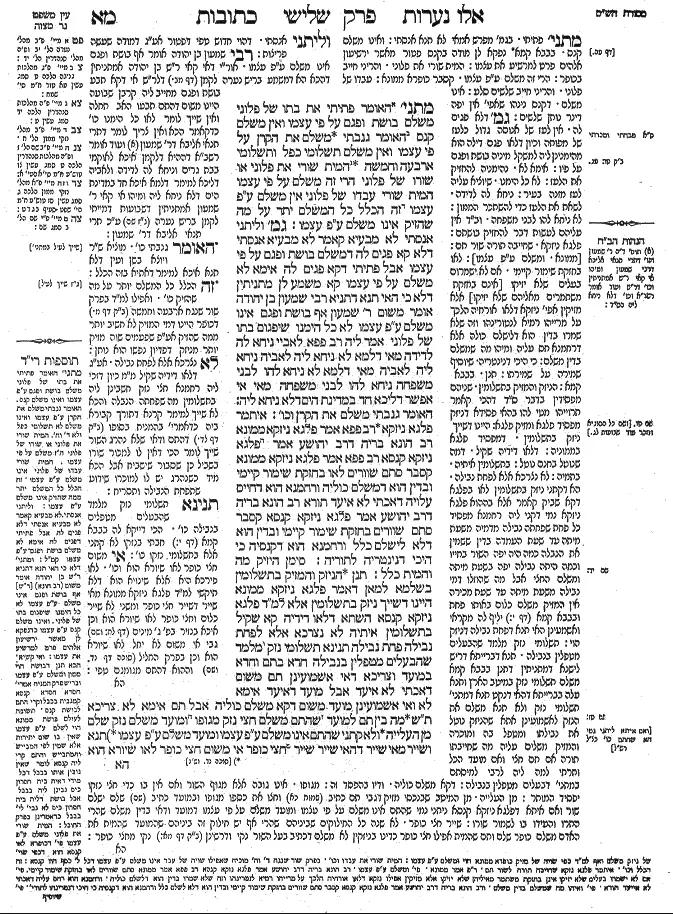
Ketubot 41a - Guemara
מתני׳ האומר פתיתי את בתו של פלוני משלם בושת ופגם על פי עצמו ואין משלם קנס האומר גנבתי משלם את הקרן על פי עצמו ואין משלם תשלומי כפל ותשלומי ארבעה וחמשה המית שורי את פלוני או שורו של פלוני הרי זה משלם על פי עצמו המית שורי עבדו של פלוני אין משלם ע"פ עצמו זה הכלל כל המשלם יתר על מה שהזיק אינו משלם ע"פ עצמו:
גמ׳ וליתני אנסתי לא מבעיא קאמר לא מבעיא אנסתי דלא קא פגים לה דמשלם בושת ופגם על פי עצמו אבל פתיתי דקא פגים לה אימא לא משלם על פי עצמו קא משמע לן מתניתין דלא כי האי תנא דתניא רבי שמעון בן יהודה אומר משום ר' שמעון אף בושת ופגם אינו משלם ע"פ עצמו לא כל הימנו שיפגום בתו של פלוני אמר ליה רב פפא לאביי ניחא לה לדידה מאי דלמא לא ניחא ליה לאביה ניחא ליה לאביה מאי דלמא לא ניחא להו לבני משפחה ניחא להו לבני משפחה מאי אי אפשר דליכא חד במדינת הים דלא ניחא ליה:
האומר גנבתי משלם את הקרן וכו':
איתמר פלגא ניזקא רב פפא אמר פלגא ניזקא ממונא רב הונא בריה דרב יהושע אמר פלגא ניזקא קנסא רב פפא אמר פלגא ניזקא ממונא קסבר סתם שוורים לאו בחזקת שימור קיימי ובדין הוא דמשלם כוליה ורחמנא הוא דחייס עלויה דאכתי לא איעד תורא רב הונא בריה דרב יהושע אמר פלגא ניזקא קנסא קסבר סתם שוורים בחזקת שימור קיימי ובדין הוא דלא לישלם כלל ורחמנא הוא דקנסיה כי היכי דנינטריה לתוריה:
סימן היזיק מה והמית כלל:
תנן הניזק והמזיק בתשלומין בשלמא למאן דאמר פלגא ניזקא ממונא היינו דשייך ניזק בתשלומין אלא למ"ד פלגא ניזקא קנסא השתא דלאו דידיה קא שקיל בתשלומין איתיה לא נצרכא אלא לפחת נבילה פחת נבילה תנינא תשלומי נזק מלמד שהבעלים מטפלין בנבילה חדא בתם וחדא במועד וצריכא דאי אשמועינן תם משום דאכתי לא איעד אבל מועד דאיעד אימא לא ואי אשמועינן מועד משום דקא משלם כוליה אבל תם אימא לא צריכא ת"ש מה בין תם למועד שהתם משלם חצי נזק מגופו ומועד משלם נזק שלם מן העלייה ולא קתני שהתם אינו משלם ע"פ עצמו ומועד משלם ע"פ עצמו תנא ושייר מאי שייר דהאי שייר שייר חצי כופר אי משום חצי כופר לאו שיורא הוא
Comments from Rashi on Masechet Ketubot Page 41a
מתני' פתיתי . בגמ' מפרש אמאי לא תנא אנסתי: ואינו משלם קנס . בבבא קמא נפקא לן מודה בקנס פטור מאשר ירשיעון אלהים פרט למרשיע את עצמו: המית שורי את פלוני . והריני חייב בכופר: הרי זה משלם ע"פ עצמו . קסבר כופרא ממונא: עבדו של פלוני . והריני חייב שלשים סלע: אינו משלם . דקנס נינהו שאפי' אין יפה דינר נותן שלשים: גמ' דלא פגים לה . אין לעז של אנוסה גדול כלעז של מפותה וכיון דלאו פגם דילה הוא מהימנינן ליה למשקל מיניה בושת ופגם על פיו: אימא לא . נהימניה להחזיק את הלעז: לא כל הימנו . שיוציא עליה לעז מזנה בעיר: ניחא לה לדידה . לשאת את הלעז כדי להשתכר הממון: לא ניחא להו לבני משפחה . וב"ד אין עליהם לעשות דבר להחזיק בושתם: [ממונא . ומשלם ע"פ עצמו]: לאו בחזקת שימור קיימי . אם לא ישמרום בעלים שלא יזיקו [אינם בחזקת משתמרים מאליהם שלא יזיקו] אלא מזיקין אפי' ניזקא דלאו אורחיה הלכך על מרייהו רמיא לנטורינהו וזה שלא שמרו בדין הוא דלישלם כולה אלא דרחמנא חס עליה ומיהו מה שמשלם בדין משלם: כי היכי דנינטריה . שיוסיף שמירה על שמירתו: תנן . בבבא קמא: הניזק והמזיק בתשלומין . שניהם מפסידין בדבר ס"ד דהכי קאמר תרוייהו מטי להו בהאי פסידא דניזק מפסיד פלגא ומזיק פלגא: היינו דשייך ניזק בתשלומין . דמפסיד פלגא בממוניה: דלאו דידיה שקיל . דמה שנוטל בחנם נוטל: בתשלומין איתיה . בתמיה: לא נצרכא אלא לפחת נבילה . הא דקתני ניזק בתשלומין לאו בפלגא דקא שביק קאמר אלא בההוא פלגא ניזקא נמי דקני ליה רחמנא מפסיד כל פחת שפחתה נבילה מדמיה משעת מיתה עד שעת העמדה בדין ששמין את הנבלה כמה היה יפה השור בחייו וכמה היתה נבילה יפה בשעת מיתה ומשלם החצי אבל מה שהוזלו דמי נבילה משעת מיתה עד שעת מכירה אין המזיק משלם כלום באותו פחת ובבבא קמא (דף י:) יליף לה מקראי ואשמעינן האי תנא דפחת נבילה דניזק הוי: תשלומי נזק מלמד שהבעלים מטפלין בנבילה . תנא דברייתא דריש לישנא דמתניתין דתנן בבבא קמא משלם תשלומי נזק במיטב הארץ ותנא עלה בברייתא דהאי דנקט תנא דמתני' תשלומי נזק ולא תנא משלם את הנזק לאשמועינן אתא שהניזק נוטל את נבילתו ומטפל בה ומוכרה והמזיק משלים עליה מה שחייבתו תורה אם תם חצי ואם מועד הכל ותרתי למה ליה לרבי למיסתם במתני' דבעלים מטפלין בנבילה: דקא משלם כוליה . ודיו בהפסד זה: מגופו . אינו גובה אלא מגוף השור ואם אין בו כדי חצי נזקו יפסיד המותר: מן העלייה . מן המיטב שבנכסי מזיק דגבי תם כתיב (שמות כא) וחצו את כספו מגופו ובמועד כתיב (שם) שלם ישלם שור ואם איתא דפלגא ניזקא קנסא ניתני נמי שהתם אינו משלם על פי עצמו ומועד משלם על פי עצמו דמועד ודאי בדין משלם שהרי התרו והעידו בו לשמור שורו: שייר חצי כופר . לא שנה כל החילוקים שביניהם שהרי אף יש חילוק זה ביניהם שהמועד שהמית את האדם משלם כופר שלם ותם שהמית אפילו חצי כופר כדינו בניזקין לא משלם דכתיב [שמות כב] בעל השור נקי ודרשינן (ב"ק דף מא:) נקי מחצי כופר:
Comments from Tosafot - Ketubot 41a
האומר גנבתי כו' . מוציא ש"ר ויוצא בשן ועין דלא תנא איכא למימר דאתיא בזה הכלל: זה הכלל כל המשלם יותר על מה שהזיק כו' . ואפילו למ"ד בפרק שור שנגח ארבעה וחמשה (ב"ק דף מ.) דכופר היינו דמי המזיק לא חשיב יותר ממה שהזיק אע"פ שפעמים שוה מזיק יותר מניזק דפדיון נפשו הוא נותן: וליתני אנסתי . דהוי חדוש טפי דפטור אע"ג דמודה שעשה פריצות: רבי שמעון בן יהודה אומר אף בושת ופגם אינו משלם ע"פ עצמו . אור"י דאי קאי ר"ש בן יהודה אמתניתין דהכא הא דמשמע בריש נערה לקמן (כתובות דף מב.) דלר"ש אי דקא תבע בושת ופגם מחייב ליה קרבן שבועה היינו משום דהתם תבעו האב תחלה ואין שייך לומר לאו כל הימנו כו' כדקאמר הכא ואין צריך לומר דתרי תנאי אליבא דר' שמעון ועוד אומר רשב"א דההיא דלקמן איכא לאוקמי בבת גרים וניחא לה לדידה ולאביה דליכא למימר דלמא איכא חד במדינת הים דלא ניחא ליה ומיהו אי קאי ר' שמעון אמתניתין דשבועות דמייתי לקמן בריש נערה (ג"ז שם) ע"כ תרי תנאי אליבא דר' שמעון: האומר גנבתי כו'. מוציא ש"ר ויוצא בשן ועין דלא תנא איכא למימר דאתיא בזה הכלל: זה הכלל כל המשלם יותר על מה שהזיק כו'. ואפילו למ"ד בפרק שור שנגח ארבעה וחמשה (ב"ק דף מ.) דכופר היינו דמי המזיק לא חשיב יותר ממה שהזיק אע"פ שפעמים שוה מזיק יותר מניזק דפדיון נפשו הוא נותן: לא נצרכא אלא לפחת נבילה . אע"ג דלאו דידיה שקיל מ"מ כיון דזכי ליה רחמנא חצי נזק חשבינן ליה בתשלומין מה שפחתה הנבלה והכא לא שייך למימר קרנא דתורך קבירא ביה כדאמרי' בהמניח בסופו (ב"ק דף לד.) דהתם ודאי שלא נהרג השור שייך לומר הכי דאין לו למכור שורו בשביל כן שסבור שישביח אבל הכא מיד כשנהרג יש לו למוכרו שידוע שתפחת הנבילה ותסריח: תנינא תשלומי נזק מלמד שהבעלים מטפלים בנבילה כו' . הכי דייקא לה בבבא קמא (דף י:) חבתי בנזקו לא קתני אלא בתשלומי נזקו כו': אי משום חצי כופר לאו שיורא הוא וכו' . לאו פירכא היא אלא שינויא הוא דלא תיקשי למ"ד פלגא ניזקא ממונא מאי שייר דשייר חצי כופר ומשני לא שייר כלום וחצי כופר לאו שיורא הוא וכן איכא בנזיר בפ' ג' מינים (דף לח: ושם) גבי אי משום לא יחל לאו שיורא הוא וכן בפרק החליל (סוכה דף נד. ושם) וההוא דהתם מגומגם טפי:
Ketubot 41a - Mishnah translated into english
MISHNA: One who says: I seduced the daughter of so-and-so, pays compensation for humiliation and degradation based on his own admission, but does not pay the fine. Similarly, one who says: I stole, pays the principal, the value of the stolen goods, based on his own admission, but does not pay the double payment and the payment four and five times the principal for the slaughter or sale of the sheep or ox that he stole. Likewise if he confessed: My ox killed so-and-so, or: My ox killed an ox belonging to so-and-so, this owner pays based on his own admission. However, if he said: My ox killed a slave belonging to so-and-so, he does not pay based on his own admission as that payment is a fine. This is the principle: Anyone who pays more than what he damaged, the payments are fines and therefore he does not pay based on his own admission. He pays only based on the testimony of others.
GEMARA: The Gemara asks: And let the tanna teach this halakha with regard to one who said: I raped the daughter of so-and-so. Why did the mishna cite the case of seduction? The Gemara answers: The tanna is speaking employing the style: It is not necessary. It is not necessary for the mishna to cite the case of one who says: I raped her, where he does not tarnish her reputation and merely incriminates himself, as it is obvious that he pays compensation for humiliation and degradation based on his own admission. However, in the case of one who says: I seduced her, where he tarnishes her reputation as he testifies that she willingly engaged in relations with him, and he is not deemed credible to do so, say that he does not pay based on his own admission. Therefore, the mishna teaches us that even in the case of seduction he pays compensation for humiliation and degradation based on his own admission.
The Gemara comments: The mishna is not in accordance with the opinion of this tanna, as it is taught in a baraita: Rabbi Shimon ben Yehuda says in the name of Rabbi Shimon: Even the payments of humiliation and degradation, he does not pay them based on his own admission as it is not within his power to tarnish the reputation of the daughter of so-and-so based merely on his confession. Consequently, unless his account is corroborated by the testimony of others, his admission that she was complicit in her seduction is rejected.
Rav Pappa said to Abaye: According to Rabbi Shimon, if she herself is amenable to his claim, and admits that his version of the events is accurate, what is the halakha? Is he exempt from payments of humiliation and degradation in that case as well? Abaye responded: Perhaps her father is not amenable to his daughter’s reputation being tarnished. We therefore do not rely on his statement even in this case. Rav Pappa continued: If her father is also amenable to his claim, what is the halakha? Abaye responded: Perhaps her other family members are not amenable, as the reputation of the entire family would be tarnished. Rav Pappa asked: If the family members too are amenable, what is the halakha? Abaye answered: Even if all the local relatives are amenable, it is impossible that there will not be at least one relative in a country overseas who is not amenable to his claim.
The mishna continues. One who says: I stole, pays the principal, but does not pay the double payment and the payment four and five times the principal. It is stated that amora’im disagreed with regard to the payment of half the damage that the owner of an innocuous ox, which was not yet witnessed goring a person or an ox three times, must pay to the owner of the ox that he gored. Rav Pappa said: Half the damage is considered a payment of money, compensation for the damage caused. Rav Huna, son of Rav Yehoshua, said that half the damage is considered payment of a fine.
The Gemara elaborates. Rav Pappa said: Half the damage is considered a payment of money, as he maintains: Standard oxen do not exist in the presumptive status of safety, and therefore are likely to cause damage. And by right, the owner should pay the entire damage caused by his animal, and it is the Merciful One that has compassion on him, as his ox is not yet forewarned until it has gored a person or an animal three times. Fundamentally, the payment is for damage that the animal caused. Rav Huna, son of Rav Yehoshua, said that half the damage is payment of a fine, as he maintains: Standard oxen exist in the presumptive status of safety, and are not dangerous. And by right, the owner should not pay at all, as the ox goring could not have been anticipated, and therefore the owner bears no responsibility. And it is the Merciful One that penalized him so that he would guard his ox. The sum that he pays is a fine.
The Gemara provides a mnemonic for the proofs cited with regard to this dispute: Damaged; what; and killed; principle. We learned in a mishna that if an innocuous ox gored and killed another’s ox, both the damaged and the damager share in the payments. Granted, according to the one who said that half the damage is a payment of money; that is how the damaged party shares in the payments. By right, the owner of the dead ox should be compensated for his entire loss. However, since the ox that gored his ox was innocuous, the owner of the gored ox bears half the costs. The mishna characterizes him as sharing in the payments. However, according to he who said that half the damage is payment of a fine, by right, the injured party himself is entitled to nothing. Now, the owner takes half the damage that by right is not his; can he be characterized as sharing in the payments?
The Gemara answers: This halakha is necessary only for the degradation of the carcass. Initially, half the damage is assessed by calculating the difference between the value of a living ox and the value of its carcass when the owner of the ox that gored the other ox stands trial. The degradation in the value of the carcass from when it was gored until the owner is able to sell it is borne by the owner of the carcass. The owner thereby shares in the payment, as he loses that sum. The Gemara asks: We already learned the halakha with regard to the degradation of the carcass in a baraita in Bava Kamma (10b) in which it is taught that the passage in the mishna: I have become liable to pay payments of damage, teaches that the owners tend to the carcass and bear the costs of its degradation.
The Gemara answers: One of these halakhot is with regard to an innocuous ox and one is with regard to a forewarned ox. The Gemara adds: And it is necessary to teach both halakhot, as if the mishna had taught us only with regard to an innocuous ox, one would understand that its owner is treated with leniency and the owner of the carcass bears the cost of degradation due to the fact that the ox has not yet been forewarned; however, with regard to a forewarned ox, that was forewarned, say no, the owner of the carcass does not bear the cost of degradation. And if the mishna had taught us only with regard to a forewarned ox, one would understand that its owner is treated with leniency and the owner of the carcass bears the cost of degradation due to the fact that he pays for the entire damage, and therefore, the relatively insignificant cost of degradation is overlooked. However, with regard to an innocuous ox, say no, since the owner pays only half the damage, he must bear the cost of degradation. Therefore, it was necessary to state the halakha in both cases. Therefore, there is no proof from this mishna whether half the damage is payment of money or payment of a fine.
The Gemara continues. Come and hear an additional proof from a baraita: What is the difference between an innocuous and a forewarned ox? The difference is that the owner of an innocuous ox pays half of the damage from its body. Compensation for the damage may be collected only from the body of the ox that gored another ox. If the ox that gored another ox is worth less than half the damage, e.g., if an inexpensive ox killed an expensive one, the injured party receives less than half the damage. And the owner of a forewarned ox pays the entire damage from the owner’s property, and the value of the ox that gored another ox has no effect on the payment. The tanna did not teach an additional difference that the owner of an innocuous ox does not pay based on his own admission and the owner of a forewarned ox pays based on his own admission. Apparently, the half damage is a payment of money and not a fine.
The Gemara refutes this claim: This baraita is no proof, as the tanna taught some cases and omitted others and did not list all the differences between innocuous and forewarned oxen. The Gemara asks: What else did he omit that he omitted this? The failure to include an item in a list can be deemed insignificant only if it is one of at least two omissions. If there is only one omission, apparently it was omitted advisedly. The Gemara replies: He omitted the halakha of the half ransom as well. If a forewarned ox killed a person, its owner pays a ransom, and if an innocuous ox killed a person, the owner does not pay even half the ransom. The Gemara rejects this claim: If it is due to the half ransom that the failure to list the difference with regard to payment based on one’s own admission is insignificant, it is not an omission.
Traduction : The William Davidson digital edition of the Koren Noé Talmud, with commentary by Rabbi Adin Even-Israel Steinsaltz.