 Talmud Bavli
The learning on the whole site is dedicated : L'ilui Nishmat Margalit bat Ledicia
The learning on the whole site is dedicated : L'ilui Nishmat אסתר בת חיים
The learning on the whole site is dedicated : L'ilui Nishmat Jacques Isaac Ben Amram Loubaton
Ketubot 67a : Youtube
Daf TubeYoutube
1 video class :
Ketubot Page 67a
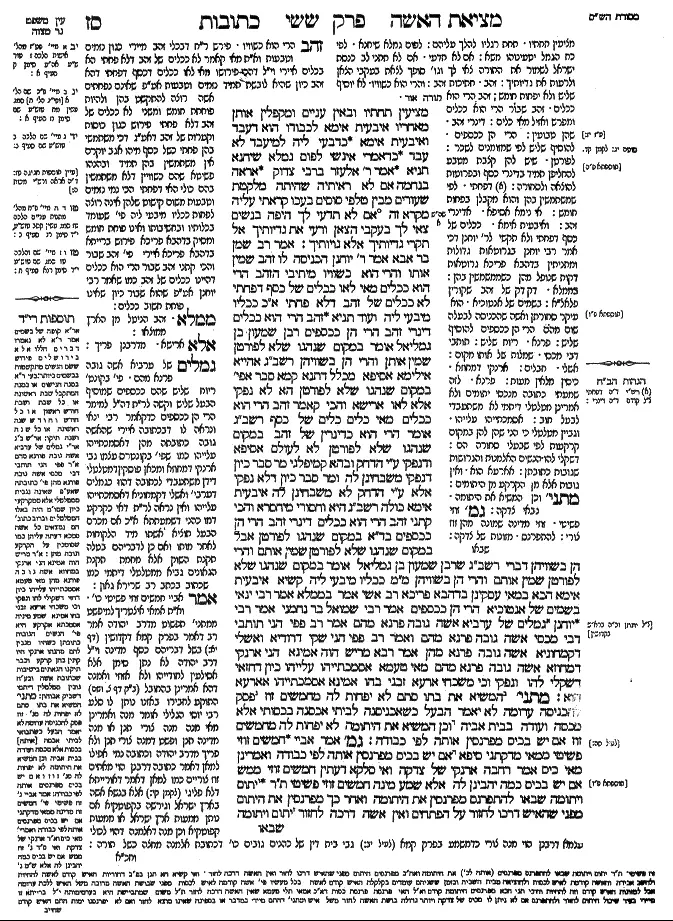
Ketubot 67a - Guemara
מציעין תחתיו ובאין עניים ומקפלין אותן מאחריו איבעית אימא לכבודו הוא דעבד ואיבעית אימא כדבעי ליה למיעבד לא עבד כדאמרי אינשי לפום גמלא שיחנא תניא אמר ר' אלעזר ברבי צדוק אראה בנחמה אם לא ראיתיה שהיתה מלקטת שעורים מבין טלפי סוסים בעכו קראתי עליה מקרא זה (שיר השירים א, ח) אם לא תדעי לך היפה בנשים צאי לך בעקבי הצאן ורעי את גדיותיך אל תקרי גדיותיך אלא גויותיך:
אמר רב שמן בר אבא אמר ר' יוחנן הכניסה לו זהב שמין אותו והרי הוא כשוויו מיתיבי הזהב הרי הוא ככלים מאי לאו ככלים של כסף דפחתי לא ככלים של זהב דלא פחתי א"כ ככליו מיבעי ליה ועוד תניא זהב הרי הוא ככלים דינרי זהב הרי הן ככספים רבן שמעון בן גמליאל אומר במקום שנהגו שלא לפורטן שמין אותן והרי הן בשוויהן רשב"ג אהייא אילימא אסיפא מכלל דתנא קמא סבר אפי' במקום שנהגו שלא לפורטן הא לא נפקי אלא לאו ארישא והכי קאמר זהב הרי הוא ככלים מאי כלים כלים של כסף רשב"ג אומר הרי הוא כדינרין של זהב במקום שנהגו שלא לפורטן לא לעולם אסיפא ודנפקי ע"י הדחק ובהא קמיפלגי מר סבר כיון דנפקי משבחינן לה ומר סבר כיון דלא נפקי אלא ע"י הדחק לא משבחינן לה איבעית אימא כולה רשב"ג היא וחסורי מיחסרא והכי קתני זהב הרי הוא ככלים דינרי זהב הרי הן ככספים בד"א במקום שנהגו לפורטן אבל במקום שנהגו שלא לפורטן שמין אותם והרי הן בשוויהן דברי רשב"ג שרבן שמעון בן גמליאל אומר במקום שנהגו שלא לפורטן שמין אותם והרי הן בשוויהן מ"מ ככליו מיבעי ליה קשיא איבעית אימא הכא במאי עסקינן בדהבא פריכא רב אשי אמר בממלא אמר רבי ינאי בשמים של אנטוכיא הרי הן ככספים אמר רבי שמואל בר נחמני אמר רבי יוחנן גמלים של ערביא אשה גובה פרנא מהם אמר רב פפי הני תותבי דבי מכסי אשה גובה פרנא מהם ואמר רב פפי הני שקי דרודיא ואשלי דקמחוניא אשה גובה פרנא מהן אמר רבא מריש הוה אמינא הני ארנקי דמחוזא אשה גובה פרנא מהם מאי טעמא אסמכתייהו עלייהו כיון דחזאי דשקלי להו ונפקי וכי משכחי ארעא זבני בהו אמינא אסמכתייהו אארעא הוא:
מתני׳ המשיא את בתו סתם לא יפחות לה מחמשים זוז פסק להכניסה ערומה לא יאמר הבעל כשאכניסנה לביתי אכסנה בכסותי אלא מכסה ועודה בבית אביה וכן המשיא את היתומה לא יפחות לה מחמשים זוז אם יש בכיס מפרנסין אותה לפי כבודה:
גמ׳ אמר אביי חמשים זוזי פשיטי ממאי מדקתני סיפא אם יש בכיס מפרנסין אותה לפי כבודה ואמרינן מאי כיס אמר רחבה ארנקי של צדקה ואי סלקא דעתין חמשים זוזי ממש אם יש בכיס כמה יהבינן לה אלא שמע מינה חמשים זוזי פשיטי ת"ר יתום ויתומה שבאו להתפרנס מפרנסין את היתומה ואחר כך מפרנסין את היתום מפני שהאיש דרכו לחזור על הפתחים ואין אשה דרכה לחזור יתום ויתומה
Comments from Rashi on Masechet Ketubot Page 67a
מציעין תחתיו . תחת רגליו להלך עליהם: לפום גמלא שיחנא . לפי כח הגמל יטעינוהו משא: אם לא תדעי . אם לא תתני לב כנסת ישראל לשמור את התורה צאי לך וגו' סופך לצאת בעקבי הצאן ולרעות את גדיותיך: זהב . חתיכות זהב: והרי הוא כשוויו . לא יוסיף שליש ולא יפחות חומש: זהב הרי הוא ככלים . זהב שבור הרי הוא ככלים ומפרש ואזיל מאי כלים: דפחתי . לפי שמשתמשין בהן והוא מקבלן בפחות חומש: דינרי זהב . שהן טבועין: הרי הן ככספים . להוסיף שליש לפי שמזומנים לשכר: לפורטן . שיש להן קצבת מטבע להחליפן תמיד בדינרי כסף ובפרוטות להוצאה ולסחורה: אי נימא אסיפא . אדינרי זהב: ואיבעית אימא . ככלים של כסף דפחתי ולא תקשי לר' יוחנן דכי אמר רבי יוחנן בגרוטאות גדולות ומתניתין בדהבא פריכא גרוטאות דקות שנופל מהן כשממשמשין בהן: בממלא . דק דק של זהב שקורין פלאל"א: בשמים של אנטוכיא . הוא עיקר סחורתן ואשה שהכניסה לבעלה שום מהם הרי הן ככספים להוסיף שליש: פרנא . ריוח שליש: תותבי דבי מכסי . שמלות של אותו מקום: אשלי . חבלים: ארנקי דמחוזא . כיסין מלאין מעות: פרנא . לזה שמעתי כתובה מנכסי יתומים ולא אמרינן מטלטלי דיתמי לא משתעבדי לבעל חוב: אסמכתייהו עלייהו . וגביין מטלטלי כי הני שהן להן במקום קרקעות לפי שבעלי סחורה הם: דשקלי להו . הנשים האלמנות והגרושות שגובות כתובתן: אארעא הוא . ואין גובות אלא מן הקרקע מן היתומים: יש לו ואינו רוצה להתפרנס . משלו אלא משל צדקה ומסגף עצמו ברעב: מתני' וכן המשיא את היתומה . גבאי צדקה: גמ' זוזי פשיטי . זוזי מדינה שמונה מהן זוז צורי: להתפרנס . מזונות של צדקה:
Comments from Tosafot - Ketubot 67a
זהב הרי הוא כשוויו . פירש ר"ח דבכלי זהב מיירי כגון נזמים וטבעות וא"ת מאי קאמר לא ככלים של זהב דלא פחתי הא בכלים איירי וי"ל דהכי פירושו מאי לאו ככלים דכסף דפחתי דהא זהב כיון שהיא לובשת תמיד נזמים וטבעות אע"פ שאינם נפחתים אשה רוצה להתקשט בהן ולהיות פוחתת חומש ומשני לא ככלים של זהב דלא פחתי פירוש כגון כוסות וקערות של זהב דאע"ג דכי משתמשי בהן פחתי כשל כסף מיהו אגב יוקרם אין משתמשין בהן תמיד ובהנהו פשיטא שהם כשוויין דלא משתמשין בהם כולי האי דפחתי הכי נמי נזמים וטבעות משום קישוט שלהן אינה רוצה לפחות ככליו מיבעי ליה פי' שעומד בכלותיו ובחשיבותו ואינו פוחת חומש ומסיק בדהבא פריכא פירוש ברייתא בדהבא פריכא איירי פי' זהב שבור והכי קתני זהב שבור הרי הוא ככלים דהיינו ככלים של זהב כמו שאמר רבי יוחנן אע"פ שהוא שבור כיון שאינו פוחת חשוב ככלים: אלא ארישא . מדרבנן פריך: ממלא . זהב הניטל מן הארץ ממוצאו: גמלים של ערביא אשה גובה פרנא מהם . פי' בקונט' ריוח שליש שהם ככספים שמוסיף הבעל שליש וקשה לר"ת דה"ל למימר הרי הן ככספים כדקאמר רבי ינאי ונראה לו דבכתובה איירי שהאשה גובה כתובתה מהן דאסמכתייהו עלייהו כמו שפי' בקונטרס עצמו גבי ארנקי דמחוזא ומכאן פוסקין דמטלטלי דידן משתעבדי לכתובה דהוו כגמלים דערבי' ואשלי דקמחוניא דאסמכתייהו עלייהו ואין נראה לר"ת דאי כקרקע דמו כהני דשמעתתא א"כ אם מכרם הבעל תוציא אשתו מיד הלקוחות לאחר מותו ואם כן לדבריהם בטלה תקנת השוק אלא מחמת תקנת הגאונים גביא ממטלטלי דיתמי כמו שכתוב בכתב רב שרירא גאון: אמר אביי חמשים זוזי פשיטי כו' . וא"ת אמאי איצטריך למיפשט ממתני' תפשוט מדרב יהודה אמר רב דאמר בפרק קמא דקדושין (דף יא:) בשל דבריהם כסף מדינה וי"ל דרב יהודה לא נתן סימן אלא אסילעין לחודייהו ולא אזוזי ואמנה דהא אמרינן בהחובל (ב"ק דף צ. ושם) התוקע לחבירו באזנו נותן לו סלע רבי יוסי הגלילי אומר מנה ואמרינן מאי מנה מנה צורי תנן או מנה מדינה תנן ופשט דמנה צורי תנן ולא פריך מדרב יהודה וכתובה נמי אפילו למאן דאמר כתובה דרבנן הוי מאתים זוז צוריים כמו למאן דאמר דאורייתא דלא פליגי (לקמן כתובות קי:) אלא בנשא אשה בארץ ישראל וגירשה בקפוטקיא אם נותן ממעות ארץ ישראל או ממעות קפוטקיא וכן מנה דאלמנה דהוי לכולי עלמא דרבנן הוי מנה צורי כדמשמע בפרק קמא (לעיל כתובות יב:) גבי בית דין של כהנים גובים כו' דכתובת אלמנה מחצה כשל תורה:
Ketubot 67a - Mishnah translated into english
spread underneath him to walk on, and with his blessing, the poor would come and fold them up from behind him for themselves? Clearly he gave abundant charity. The Gemara offers two possible explanations: If you wish, say that he acted that way for his own honor, to demonstrate that he considered the exorbitant expense trivial. And if you wish, say that as he should have done, he did not do. As people say, according to the camel is the burden. The stronger the camel, the heavier the load it must bear. Even if he gave altruistically, Nakdimon ben Guryon did not give as much as he was expected to give.
It is taught in a baraita (Tosefta 5:8) with regard to the daughter of Nakdimon ben Guryon: Rabbi Elazar, son of Rabbi Tzadok, said in the form of an oath: I pray that I will not see the consolation of the Jewish people if I did not see her gathering barley kernels from between the hooves of horses in Akko. I recited this verse about her: “If you know not, O you fairest among women, go your way forth by the footsteps of the flock and feed your kids, beside the shepherds’ tents” (Song of Songs 1:8). Do not read it as “your kids [gediyotayikh]” but rather read it as your bodies [geviyotayikh]. This woman is compelled to follow the sheep to the pastures in order to sustain her own body from the leftovers of their food.
§ The Gemara returns to the topic of how the groom records the bride’s dowry in the marriage contract: Rav Shemen bar Abba said that Rabbi Yoḥanan said: If she brings him gold in her dowry, the court appraises it, and it is recorded in the marriage contract according to its value, without additions or subtractions. The Gemara raises an objection from that which was taught in a baraita: The halakha is that the gold is like utensils and not like cash for purposes of the dowry. The Gemara qualifies its objection: What, is it not that gold is like silver vessels, which diminish, so that they resemble all other goods in the dowry whose values are reduced in the marriage contract? The Gemara responds: No, the intent is that gold is like utensils of gold, which do not diminish. The Gemara asks: If so, the baraita should have stated that gold is like its own utensils, which would demonstrate that gold is appraised according to its true value. Evidently, then, this is not true of gold.
And moreover, one can ask: It is taught in a baraita (Tosefta 6:2) that the halakha is that gold is like utensils and that gold dinars are like silver coins. Rabban Shimon ben Gamliel says: In a place where people were accustomed not to exchange them, the court appraises them, and they are recorded at their appraised worth, no more or less. The Gemara clarifies: To which clause is Rabban Shimon ben Gamliel referring, when he comments that they are not exchanged? If we say he is commenting on the latter clause concerning the gold dinars, by inference it may be understood that the first tanna holds that gold dinars have the same status as cash, even in a place where people were accustomed not to exchange them. But they are not used and do not function as liquid money in a place where they are not exchanged. Why, then, does the husband need to raise the value as though they were functional cash?
Rather, is it not that Rabban Shimon ben Gamliel commented on the first clause of the baraita, and this is what the baraita is saying: The halakha is that gold is like utensils. What is meant by the ambiguous term utensils? Utensils of silver. Rabban Shimon ben Gamliel qualifies this ruling and says: The halakha is that it is like gold dinars, whose value remains constant, in a place where they are accustomed not to exchange it or use it for business. In any event, the opinion of the first tanna in this baraita, that gold is treated like silver utensils, contradicts the previous assertion that gold must have the status of gold utensils, not silver utensils.
The Gemara responds: No, actually it must be that Rabban Shimon ben Gamliel commented on the latter clause of the baraita, which deals with gold dinars, and they are not exchanged because they are used as cash only with difficulty. They are not typically used for business, but they could be used when necessary. And consequently, they disagree about this: One Sage, the first tanna, holds since they are used when necessary, we increase the value of gold dinars for the wife in the dowry, and the husband writes an increased sum in the marriage contract. And one Sage, Rabban Shimon ben Gamliel, holds since they are used for commerce only with difficulty, we do not increase the value of gold dinars for her. According to this interpretation, the first opinion can still subscribe to the notion that gold pieces, like gold utensils, are appraised at their actual value.
If you wish, say instead that the entire baraita is in accordance with the opinion of Rabban Shimon ben Gamliel, and the baraita is incomplete and this is what it is teaching: The halakha is that a piece of gold is like utensils and gold dinars are like money. In what case is this statement said? In a place where the people were accustomed to exchange the dinars. However, in a place where the people were accustomed not to exchange the dinars, the court appraises their worth, and they are recorded at their appraised worth. This is the statement of Rabban Shimon ben Gamliel, as Rabban Shimon ben Gamliel says: In a place where the people were accustomed not to exchange them, the court appraises their worth, and they are recorded at their appraised worth.
The contradiction from this baraita has been resolved, but in any case, a difficulty remains: If the status of gold is similar to that of gold utensils and it is appraised at its actual value, the baraita should have stated that gold is like its own utensils and not simply like any utensils. The Gemara answers: The language is difficult. If you wish, say the following answer instead: With what are we dealing here? With smashed gold fragments. Rav Ashi said: We are dealing with granules of gold. Certainly, then, they are not treated as gold utensils, but the novel element of the baraita is that they have the status of regular utensils and not of gold dinars.
§ Apropos the preceding discussion concerning the appraisal of objects used for commerce, the Gemara cites a series of related comments. Rabbi Yannai said: With regard to spices in Antioch, they are like money. Since in Antioch they would conduct business with spices, they should be treated like cash when a woman brings them in her dowry. Similarly, Rabbi Shmuel bar Naḥmani said that Rabbi Yoḥanan said: Concerning camels in Arabia, a woman may collect the amount of her marriage settlement from them. Since they conduct business using camels in Arabia, the camels are consequently given the status that money has in other places.
Similarly, Rav Pappi said: With regard to those robes in Bei Mikhsei, a woman may collect her marriage settlement from them because they use dresses for commerce. And Rav Pappi said: With regard to these sacks in Rodya and ropes in Kimḥonya, a woman may collect her marriage settlement from them. Rava said: Initially, I would have said that concerning those money pouches [arnakei] in Meḥoza, a woman may collect her marriage settlement from them. What is the reason? They rely on them, and they serve the commercial function served by real estate in other places. Once I saw that they take them and the pouches are used, and when they find land they buy it with them and do not retain them, I said that they too rely on land. The money pouches are used in a fluid manner, but these pouches do not serve the same role served by real estate.
MISHNA: With regard to one who marries off his daughter with the terms of the dowry unspecified, he must not give her less than fifty dinars. If the bride’s father pledged to bring her into the marriage bare, by saying that he refuses to give her anything, the husband should not say: When I bring her into my house, I will clothe her with my clothing, but not beforehand. Rather, he must clothe her while she is yet in her father’s house, and she enters the marriage with the clothing in hand. And similarly, with regard to a charity administrator who marries off an orphan girl, he must not give her less than fifty dinars. If there are sufficient resources in the charity fund, the charities provide even more for her, furnishing a dowry and her other needs according to her dignity.
GEMARA: Abaye said: The fifty dinars mentioned in the mishna is referring to fifty provincial dinars, each of which is worth one-eighth the amount of a standard dinar. From where do I know that this is so? From the fact that the latter clause teaches: If there are sufficient resources in the charity fund, the charities provide more for her, furnishing a dowry and her other needs according to her dignity. And we say: What is this fund? Raḥava said: The charity fund. And if it enters our minds to say that the mishna is referring to fifty actual, i.e., standard, dinars, if there are sufficient resources in the fund, how many standard dinars do we give him? Fifty standard dinars is already a sizable sum to distribute as charity. Rather, conclude from this comment that the mishna is referring to fifty provincial dinars.
The Sages taught: Concerning an orphan boy and an orphan girl who have come and appealed to be supported by the charity fund, the distributors provide for the orphan girl first and afterward they provide for the orphan boy. This is because it is the way of a man to circulate about the entryways to ask for charity, and it is not a woman’s way to circulate for charity. Therefore, her need is greater. Concerning an orphan boy and orphan girl
Traduction : The William Davidson digital edition of the Koren Noé Talmud, with commentary by Rabbi Adin Even-Israel Steinsaltz.