 Talmud Bavli
Ketubot 44a : Youtube
Daf TubeYoutube
1 video class :
Ketubot Page 44a
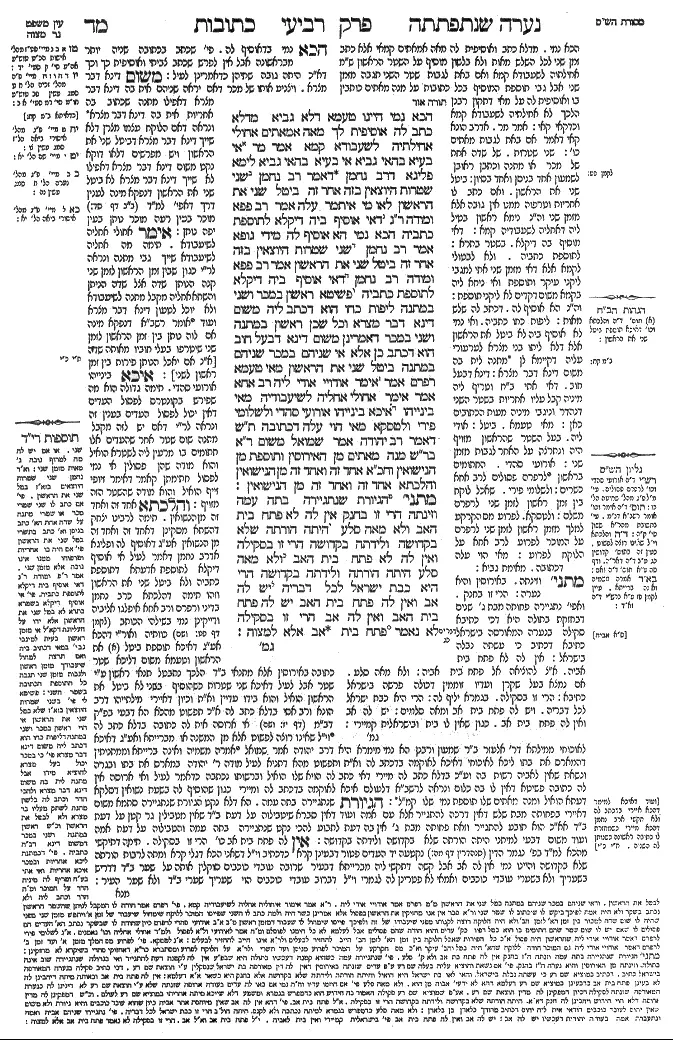
Ketubot 44a - Guemara
הכא נמי היינו טעמא דלא גביא מדלא כתב לה אוסיפית לך מאה אמאתים אחולי אחילתיה לשעבודא קמא אמר מר אי בעיא בהאי גביא אי בעיא בהאי גביא לימא פליגא דרב נחמן דאמר רב נחמן שני שטרות היוצאין בזה אחר זה ביטל שני את הראשון לאו מי איתמר עלה אמר רב פפא ומודה ר"נ דאי אוסיף ביה דיקלא לתוספת כתביה הכא נמי הא אוסיף לה מידי גופא אמר רב נחמן שני שטרות היוצאין בזה אחר זה ביטל שני את הראשון אמר רב פפא ומודה רב נחמן דאי אוסיף ביה דיקלא לתוספת כתביה פשיטא ראשון במכר ושני במתנה ליפות כחו הוא דכתב ליה משום דינא דבר מצרא וכל שכן ראשון במתנה ושני במכר דאמרינן משום דינא דבעל חוב הוא דכתב כן אלא אי שניהם במכר שניהם במתנה ביטל שני את הראשון מאי טעמא רפרם אמר אימר אודויי אודי ליה רב אחא אמר אימר אחולי אחליה לשיעבודיה מאי בינייהו איכא בינייהו אורועי סהדי ולשלומי פירי ולטסקא מאי הוי עלה דכתובה ת"ש דאמר רב יהודה אמר שמואל משום ר"א בר"ש מנה מאתים מן האירוסין ותוספת מן הנישואין וחכ"א אחד זה ואחד זה מן הנישואין והלכתא אחד זה ואחד זה מן הנישואין:
מתני׳ הגיורת שנתגיירה בתה עמה וזינתה הרי זו בחנק אין לה לא פתח בית האב ולא מאה סלע היתה הורתה שלא בקדושה ולידתה בקדושה הרי זו בסקילה ואין לה לא פתח בית האב ולא מאה סלע היתה הורתה ולידתה בקדושה הרי היא כבת ישראל לכל דבריה יש לה אב ואין לה פתח בית האב יש לה פתח בית האב ואין לה אב הרי זו בסקילה לא נאמר (דברים כב, כא) פתח בית אב אלא למצוה:
Comments from Rashi on Masechet Ketubot Page 44a
הכא נמי . מדלא כתב ואוסיפית לה מאה אמאתים קמאי אלא כתב זמן שני לכל השלש מאות ולא בלשון מוסיף על השטר הראשון ש"מ אחילתיה לשעבודא קמא ואם באת לגבות שטר השני תגבה מזמן שני אבל גבי תוספת המוסיף בכל כתובות על מנה מאתים כותבין בו ואוסיפית לה על מאי דתקון רבנן הלכך לא אחילתיה לשעבודא קמא וכדקאי קאי: אמר מר . אדרב הונא קאי דאמר אם באת לגבות מאתים כו': שני שטרות . של שדה אחת של מכר או מתנה וכתבן ראובן לשמעון אחד בניסן ואחד בסיון: ביטל שני את הראשון . ואם כתב לו אחריות וטרפוה ממנו אין גובה אלא מזמן שני וה"נ נימא ראשון בטיל ליה דאחליה לשעבודיה קמא: דאי מוסיף בה דיקלא . בשטר בתרא: לתוספת כתביה . ולא לבטולי לקמא אלא דאי מזמן שני אתי למגבי ליקני עיקר ותוספת ואי ניחא ליה בקמא משום דקדים לא ליקני תוספת: וה"נ הא אוסיף לה . דכתב לה שלש מאות: ליפות כחו כתביה . ואי נמי לא אוסיף ביה לא ביטל את הראשון אלא דלא ליתו בני מצרא לערעורי עליה דקיימא לן מתנה לית בה משום דינא דבר מצרא: דינא דבעל חוב . דאי אתי ב"ח וטריף ליה מיניה קבל עליו אחריות בשטר השני דנהדר וניגבי מיניה מעות הכתובים כאן: מאי טעמא . ביטל: אודי ליה . בעל השטר שהראשון מזויף היה ונתרצה על האחר לגבות מזמן שני: אורועי סהדי . החתומים בראשון לרפרם פסולים לרב אחא כשרים: ולשלומי פירי . שאכל לוקח בין זמן ראשון לזמן שני לרפרם משלם: ולטסקא . לפרוע מס הקרקע למלך מזמן ראשון לזמן שני לרפרם על המוכר לפרוע לרב אחא על הלוקח לפרוע: מאי הוי עלה דכתובה . מאימת גביא: מתני' וזינתה . באירוסין והיא נערה: הרי זו בחנק . ואפי' נתגיירה פחותה מבת ג' שנים דבחזקת בתולה היא דכי כתיבא סקילה בנערה המאורסה בישראל כתיבא דכתיב כי עשתה נבלה בישראל: אין לה לא פתח בית אביה . א"צ להוציאה אל פתח בית אביה: ולא מאה סלע . אם נמצא בעל שקרן ועדיו זוממין דכולה פרשה בישראל כתיבא: הרי זו בסקילה . בגמרא [ע"ב] יליף לה: הרי היא כבת ישראל לכל דבריה . ויש לה פתח בית אב ומאה סלעים: יש לה אב ואין לה פתח בית אב . כגון שאין לו בית ובישראלית קמיירי:
Comments from Tosafot - Ketubot 44a
הכא נמי בדאוסיף לה . פי' שכתב בכתובה שניה יותר מבראשונה אבל אין לפרש שכתב צביתי ואוסיפית כך וכך דא"כ היתה גובה שתיהן כדאמרינן לעיל: משום דינא דבר מצרא . ויצניע אותו של מכר דאם יראה שניהם אית בה דינא דבר מצרא דאפילו מתנה שכתוב בה אחריות אית בה דינא דבר מצרא ונראה דאם הלוקח עצמו מצרן דלא שייך דינא דבר מצרא דביטל שני את הראשון ויש מפרשים דלאו דוקא נקט משום דינא דבר מצרא דאפילו לא שייך דינא דבר מצרא לא ביטל שני את הראשון דנפקא מינה לענין דרך דאפי' למ"ד (ב"ב דף סד:) מוכר בעין רעה מוכר נותן בעין יפה נותן: אימר אחולי אחליה לשיעבודא . תימה מה אחליה לשיעבודא שייך גבי מתנה ונראה לר"י כגון שבין זמן הראשון לזמן שני קנה הנותן שדה אצל שדה הניתן והשתא אחליה מקבל מתנה לשיעבודא ולא יוכל לטעון דינא דבר מצרא ועוד אומר רשב"א דנפקא מינה אם לוה נותן בין זמן הראשון לזמן שני שיטרפו בעלי חוביו מאותה שדה [א"נ אם יאכל הנותן פירות בין זמן ראשון לשני]: איכא בינייהו אורועי סהדי . תימה גדולה הוא מה שפירש בקונטרס לפסול העדים דאין יכול לפסול העדים בענין זה ונראה לר"י דאם יש לזה מקבל מתנה שום שטר אחר שהעדים אלו חתומים בו מרעין ליה לשטרא הואיל והוא מודה שהן פסולין אי נמי לפסול חתימתן קאמר דאימר זיופי זייף הואיל והוא מודה שהשטר הזה מזויף: והלכתא אחד זה ואחד זה מן הנשואין . תימה לרבינו יצחק דהשתא מסקינן דאחד זה ואחד זה מן הנשואין אע"ג דאוסיף לה ופליגא אדרב נחמן דאמר לעיל אי אוסיף דיקלא לתוספת אדעתא דתוספת כתביה ולא ביטל שני את הראשון וזהו תימה דהלכתא כרב נחמן בדיני ורפרם ורב אחא איפלגו אליביה ודייקינן נמי בשילהי הכותב (לקמן כתובות דף פט: ושם) כוותיה ואור"י דהכא אע"ג דאיכא תוספת ביטל את הראשון וטעמא משום דליכא שטר כתובה באירוסין אלא מתנאי ב"ד הלכך נתבטל תנאי ראשון ע"י שטר אבל לעיל דאיכא שני שטרות כשהוסיף בשני לא ביטל את הראשון הואיל והוא בידו עדיין וא"ת וכיון דאיירי מילתייהו דרב הונא ורב אסי בדלא כתב לה א"כ תפשוט מהכא הא דבעי בפ"ק דב"מ (דף יז: ושם) אי ארוסה אית לה כתובה בדלא כתב לה וי"ל שאינו רוצה לפשוט אלא מן המשנה או מברייתא ואע"ג דאיכא לאוכוחי ממילתא דר' אלעזר ב"ר שמעון ורבנן הא נמי מימרא היא דרב יהודה אמר שמואל אמרה משמיה ואינה ברייתא וממתניתין דהמארס את בתו ליכא לאוכוחי דאיכא לאוקמה בדכתב לה וא"ת ותפשוט מהא דתניא לעיל מודה ר' יהודה במארס את בתו ובגרה ונשאת שאין לאביה רשות בה וע"כ בדלא כתב לה מיירי דאי כתב לה הויא שלו הואיל וברשותו נכתבה כדאמר לעיל ואי ארוסה אין לה כתובה פשיטא דאין לו בה כלום ונראה לרשב"א דלעולם איכא לאוקמה בדכתב לה ומיירי כגון שהוסיף לה בשעת נשואין דסלקא דעתא הואיל ומנה מאתים שלו תוספת נמי שלו קמ"ל: הגיורת שנתגיירה בתה עמה . הא דלא נקט הגיורת שנתגיירה סתמא משום דאיירי בפחותה מבת שלש דאין דרכה להתגייר אלא עם אמה ועוד דאין סברא שיטבילוה על דעת ב"ד שאין מטבילין גר קטן על דעת ב"ד אא"כ הוא תובע להתגייר וזאת פחותה מבת ג' אין בה דעת לתבוע להכי נקט שנתגיירה בתה עמה והטבילוה על דעת אמה ועוד משום דבעי למיתני היתה הורתה שלא בקדושה ולידתה בקדושה: אין לה פתח בית אב כו' הרי זו בסקילה . תימה דתיקשי מהכא למ"ד בפ' נגמר הדין (סנהדרין דף מה:) נקטעה יד העדים פטור דבעינן קרא כדכתיב וי"ל דשאני הכא דגלי קרא ומתה לרבות הורתה שלא בקדושה והיינו נמי אין לה אב אבל קשה דתקשי ליה מברייתא דבעיר שרובה עובדי כוכבים סוקלין אותה על שער ב"ד דדריש בשעריך ולא בשערי עובדי כוכבים ואמאי לא פטרינן לה לגמרי וי"ל דברוב עובדי כוכבים הוי שעריך שערי ב"ד ולא שער העיר:
Ketubot 44a - Mishnah translated into english
Here too, this is the reasoning for the ruling that she does not collect the additional one hundred dinars from the second stipulated time, as he did not write to her in the second marriage contract: I added one hundred dinars to your original marriage contract of two hundred dinars. Evidently, he did not add to the existing marriage contract. Rather, she forgave her rights to the first marriage contract, including the lien on his property from the date it was written, in order to accept the second marriage document.
§ After clarifying Rav Huna’s opinion, the Gemara turns its attention to a more general issue, connected to his last statement. The Master, i.e., Rav Huna, said, as indicated in the above discussion, that if she wishes she can collect the sum specified in this marriage contract, and if she wishes she can collect the sum specified in that marriage contract. The Gemara asks: Shall we say that this opinion disagrees with that of Rav Naḥman? As Rav Naḥman said: With regard to two documents that pertain to the same issue and that are produced one after the other, e.g., a pair of documents that ascribe the transfer of ownership over a particular field to different times, the second, later document nullifies the first. Here too, the second marriage contract should negate the first one entirely.
The Gemara refutes this suggestion: Was it not stated with regard to this halakha of Rav Naḥman that Rav Pappa said: And Rav Naḥman concedes that if he added so much as a palm tree in the second document, this shows that he wrote it as an addition, and therefore the second document does not cancel the first, but adds to its sum? Here too, he added something for her, as the sum of money specified in the second marriage contract is larger than that specified in the first.
§ Since the Gemara has mentioned the statement of Rav Naḥman, it discusses this matter itself: Rav Naḥman said: With regard to two documents that are produced one after the other, the second nullifies the first. Rav Pappa said: And Rav Naḥman concedes that if he added a palm tree to it, he wrote it as an addition. The Gemara analyzes this halakha in detail. It is obvious that if the first document was a document of a sale, and the second stated that the same field was given as a gift, the second document does not negate the first, as he wrote the additional document of a gift to improve the rights of the recipient due to the halakha of one whose field borders the field of his neighbor.
And all the more so, this is the halakha if he wrote the first document as a gift and the second in the form of a sale, as we say it was due to the halakha of a creditor that he wrote it in this way. Out of concern that his creditor might come and snatch the field from the recipient and leave him without redress, he writes a document of sale for the recipient, so that he can return and collect this sum from him.
Rather, Rav Naḥman meant that if both of them were documents of sale or both of them were documents of gifts, the second nullifies the first. The Gemara asks: What is the reason for this halakha? Amora’im argued over this matter. Rafram said: Say that the recipient of the field admitted to him that the first document was invalid, e.g., it was forged, and he therefore wrote a second, valid document. Rav Aḥa said: Say that the recipient forgave him his lien from the date of the first document. Consequently, if the seller’s creditors collect this field as payment for the debt owed to them, which necessitates the seller reimbursing the buyer for the purchase price of the field, the buyer has a lien only on property owned by the seller from the time of the second document.
The Gemara asks: What is the practical difference between these two explanations? The Gemara explains: The practical difference between them involves several cases. First, there is the issue of whether this serves to impair the reliability of the witnesses: According to Rafram, who assumes that the first document was of questionable validity, the witnesses who signed on that document are likewise under suspicion, and therefore their testimony and signature in other cases are of questionable value.
And there is also a difference with regard to paying for the produce of the property between the dates specified in the two documents. According to Rafram, the transfer of ownership did not take place at the date specified in the first document. Consequently, the recipient of the field must compensate the original owner for the field’s produce that he consumed between the two dates. According to Rav Aḥa, the transfer of ownership took place at the time specified in the first document. And finally, there is a difference with regard to the payment of the land tax [taska]. If the first document was invalid, the previous owner must pay all taxes due during the period between the two documents.
§ The above discussion came in the wake of the dispute between Rav Huna and Rav Asi with regard to whether the lien on a husband’s property to ensure payment of his wife’s marriage contract applies from the time of betrothal or the time of marriage. The Gemara returns to that issue. What halakhic conclusion was reached about this matter of a marriage contract? The Gemara responds: Come and hear the following ruling, as Rav Yehuda said that Shmuel said in the name of Rabbi Elazar, son of Rabbi Shimon: The lien on his property with regard to the one hundred dinars or two hundred dinars that comprise the basic sum of a marriage contract applies from the time of the betrothal, and the lien with regard to the additional sum applies from the time of the marriage.
And the Rabbis say: The lien with regard to both this and that takes effect only from the time of the marriage. The Gemara concludes: And the halakha is that with regard to both this and that, the lien takes effect from the time of the marriage, in accordance with the majority opinion of the Rabbis.
MISHNA: In the case of a female convert whose daughter converted with her and later, as a young woman, the daughter engaged in licentious sexual relations when she was betrothed, she is executed by strangulation, not stoning, the method of execution that would be employed had she been born Jewish. She has neither the halakha of being executed at the entrance to her father’s house, as in the case of a woman who was born Jewish who committed this crime, nor does she receive one hundred sela if her husband defamed her by falsely claiming that she had committed adultery. The reason is that the verses state “Israel” (Deuteronomy 22:19, 21) with regard to these halakhot, indicating that these halakhot apply only to those born as Jews.
However, if the daughter’s conception occurred when her mother was not yet in a state of sanctity, i.e., when she was still a gentile, but her birth took place when her mother was in a state of sanctity, as her mother converted during her pregnancy, this daughter is punishable by stoning if she committed adultery as a betrothed young woman. However, she has neither the halakha of being executed at the entrance to her father’s house, nor the right to one hundred sela if it turns out that her husband defamed her. If her conception and birth occurred when her mother was in a state of sanctity, i.e., after she converted, she is like a regular Jewish woman in all matters.
If a young woman who is betrothed commits adultery and she has a father but does not have an entrance to her father’s house, i.e., if her father does not possess a house of his own, or if she has an entrance to her father’s house but does not have a father, as he has passed away, she is nevertheless executed via stoning, as the requirement that she is to be executed at the entrance to her father’s house is stated only for a mitzva but it is not an indispensable requirement.
Traduction : The William Davidson digital edition of the Koren Noé Talmud, with commentary by Rabbi Adin Even-Israel Steinsaltz.