 Talmud Bavli
Ketubot 80a : Youtube
Daf TubeYoutube
1 video class :
Ketubot Page 80a
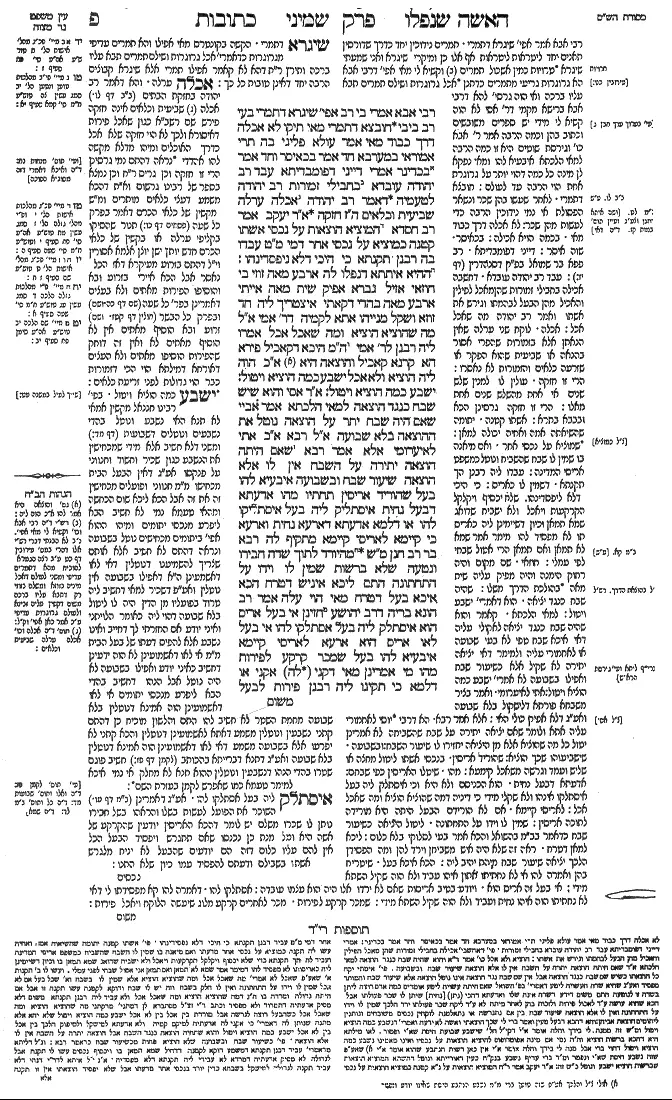
Ketubot 80a - Guemara
רבי אבא אמרי בי רב אפי' שיגרא דתמרי בעי רב ביבי חובצא דתמרי מאי תיקו לא אכלה דרך כבוד מאי אמר עולא פליגי בה תרי אמוראי במערבא חד אמר בכאיסר וחד אמר בכדינר אמרי דייני דפומבדיתא עבד רב יהודה עובדא בחבילי זמורות רב יהודה לטעמיה דאמר רב יהודה אכלה ערלה שביעית וכלאים ה"ז חזקה א"ר יעקב אמר רב חסדא המוציא הוצאות על נכסי אשתו קטנה כמוציא על נכסי אחר דמי מ"ט עבדו בה רבנן תקנתא כי היכי דלא ניפסדינהו:
ההיא איתתא דנפלו לה ארבע מאה זוזי בי חוזאי אזיל גברא אפיק שית מאה אייתי ארבע מאה בהדי דקאתי איצטריך ליה חד זוזא ושקל מנייהו אתא לקמיה דר' אמי א"ל מה שהוציא הוציא ומה שאכל אכל אמרו ליה רבנן לר' אמי ה"מ היכא דקאכיל פירא הא קרנא קאכיל והוצאה היא א"כ הוה ליה הוציא ולא אכל ישבע כמה הוציא ויטול:
ישבע כמה הוציא ויטול:
א"ר אסי והוא שיש שבח כנגד הוצאה למאי הלכתא אמר אביי שאם היה שבח יתר על הוצאה נוטל את ההוצאה בלא שבועה א"ל רבא א"כ אתי לאיערומי אלא אמר רבא שאם היתה הוצאה יתירה על השבח אין לו אלא הוצאה שיעור שבח ובשבועה איבעיא להו בעל שהוריד אריסין תחתיו מהו אדעתא דבעל נחית איסתליק ליה בעל איסתליקו להו או דלמא אדעתא דארעא נחית וארעא כי קיימא לאריסי קיימא מתקיף לה רבא בר רב חנן מ"ש מהיורד לתוך שדה חבירו ונטעה שלא ברשות שמין לו וידו על התחתונה התם ליכא איניש דטרח הכא איכא בעל דטרח מאי הוי עלה אמר רב הונא בריה דרב יהושע חזינן אי בעל אריס הוא איסתלק ליה בעל אסתלקו להו אי בעל לאו אריס הוא ארעא לאריסי קיימא איבעיא להו בעל שמכר קרקע לפירות מהו מי אמרינן מאי דקני (לה) אקני או דלמא כי תקינו ליה רבנן פירות לבעל
Comments from Rashi on Masechet Ketubot Page 80a
רבי אבא אמר אפי' שיגרא דתמרי . תמרים נידוכין יחד כדרך שדורסין תאנים יחד ליטראות ליטראות אף אלו כן ומיקרי שיגרא ואני שמעתי שיגרא טרויות כמין אשכול תמרים וקשיא לי מאי אפי' דרבי אבא הא גרוגרות גריעי מתמרים כדתנן אכל גרוגרות ושילם תמרים תבא עליו ברכה ואי הוה גרסי' להא דרבי אבא ברישא מקמי דר' אסי לא הוה קשיא לי מידי יש ספרים משובשים וכתוב בהן וכמה הרבה אמר ר' אבא כו' וגירסת שוטים היא זו כמה הרבה למאי הלכתא איבעיא להו ומאי נפקא לן מינה כל כמה דהוי יותר על גרוגרת אחת הוי הרבה עד לעולם: חובצא דתמרי . לאחר שעשו בהן שכר ונשאר הפסולת אי נמי נידוכין הרבה כדי לעשות מהן שכר: לא אכלה דרך כבוד מאי . בכמה הויא אכילה: בכאיסר . שוה איסר: דייני דפומבדיתא . רב פפא בר שמואל בפ"ק דסנהדרין (דף יז:): עבד רב יהודה עובדא . דחשבה אכילה בחבילי זמורות שהן מאכל לפילין והאכיל מהן הבעל לבהמתו וגירש את אשתו ואמר רב יהודה מה שאכל אכל: אכלה . לוקח שני ערלה שאין הנאתן אלא בזמורות שהפרי אסור בהנאה או שביעית שהוא הפקר או שזרעה כלאים והזמורות לא נאסרו: הרי זו חזקה . עולין לו למנין שלש שנים אי אחת מהשלש שנים אחת מאלו: הרי זו חזקה גרסינן הכא ובבבא בתרא: אשתו קטנה . יתומה שהשיאתה אמה ואחיה יכולה למאן: שמוציא על נכסי אחר . ואם מיאנה בו שמין לו שבח שהשביח ונוטל כמשפט אריסי המדינה: עבדו ליה רבנן הך תקנתא . דשמין לו כאריס: כי היכי דלא ליפסדינהו . שלא יכסיף ויקלקל הקרקעות ויאכל ולא ישביח שדואג שמא תמאן וכיון דשיימינן ליה כאריס תו לא מפסיד להו מימר אמר שמא לא תמאן ואם תמאן הרי אטול שבחי לפי עמלי: חוזאי . שם מקום והיה רחוק הימנה והיה מפיק עליה שית מאה בהולכת הדרך משלו: שהיה שבח כנגד יציאה . הוא דאמרי' ישבע ויטול: למאי הלכתא . קאמר והוא שהיה שבח כנגד יציאה לאקולי עליה דאי איכא שבח טפי לא בעי שבועה או לאחמורי עליה ולמימר דאי יציאה יתירה לא שקיל אלא כשיעור שבח ואפילו בשבועה לא אמרי' ישבע כמה הוציא ויטול: אתי לאיערומי . ואמר בציר משבחא פורתא דלישקול בלא שבועה ואע"ג דלא אפיק כולי האי: אלא אמר רבא . הא דרבי יוסי לאחמורי עליה אתא ולומר שאם יציאה יתירה על שבח שהשביחה לא אמרינן יטול כל מה שהוציא אלא מן היציאה יחזירו לו שיעור השבח: ובשבועה . שישביעוהו שכך הוציא: שהוריד אריסין . בנכסי אשתו ליטול מחצה או שליש ועמד וגרשה משאכל קימעא: מהו . שיטלו האריסין כפי שבחם: אדעתא דבעל נחית . הוא הכניסם ולא היא וכי איסתלק ליה בעל איסתלקו אינהו ולא שקלי מידי כי דיניה דמה שהוציא הוציא ומה שאכל אכל: לאריסי קיימא . אם לא הורידם הבעל היתה היא מורידה לתוכה אריסין: שמין לו וידו על התחתונה . ליטול היציאה כשיעור שבח כדאמר בב"מ בהשואל והכא אמר בעי לסלוקי בלא כלום: ליכא למאן דטרח . ראה זה שלא היה איש משביחן וירד להן ומה הפסידן הלכך יציאה שיעור שבח מיהת יהיב ליה: הכא איכא בעל . שיטריח בהן ואמרה להו אי לא נחתיתו אתון איהו עביד ולא הוה שקיל השתא מידי: אי בעל זה אריס הוא . ויודע בטיב אריסות שאם לא ירדו אלו היה הוא עצמו עובדה: אסתלקו להו . דאמרה להו קא מפסידתו לי דאי לא נחתיתו הוה איהו נחית ועביד ולא הוה שקיל השתא מידי: שמכר קרקע לפירות . מכר לאחרים קרקע מלוג שיעשה הלוקח ויאכל פירות:
Comments from Tosafot - Ketubot 80a
שיגרא דתמרי . הקשה בקונטרס מאי אפילו והא תמרים עדיפי מגרוגרות כדאמרי' אכל גרוגרות ושילם תמרים תבא עליו ברכה ותירץ ר"ת דהא לא קאמר אפילו תמרי אלא שיגרא קבוצים הרבה יחד דאינן טובות כל כך: אכלה ערלה . והא דאמר רב יהודה בחזקת הבתים (ב"ב דף לו.) אכלה שביעית וכלאים אינה חזקה פירש שם רשב"א כגון שאכל פירות דאיסורא ולכך לא הוי חזקה שלא אכל כדרך האוכלים ומיהו מדלא מקשה להו אהדדי נראה דהתם נמי גרסינן הרי זו חזקה וכן גריס ר"ח וכן נמצא בספר של רבינו גרשום וא"ת דהכא משמע דעצי כלאים מותרים ומ"ש מקשין של כלאי הכרם דאמר בפרק כל שעה (פסחים דף כו:) תנור שהסיקו בקליפי ערלה או בקשין של כלאי הכרם חדש יותץ ישן יוצן אלמא אסורין וי"ל דהתם בזרוע מעיקרא דאז הכל נאסר אבל הכא איירי בזרוע ובא והוסיפו הפירות מאתים ולא בעצים דאמרינן בפר' כל שעה (שם דף כה. ושם) ובפרק כל הבשר (חולין דף קטז. ושם) זרוע ובא הוסיף מאתים אין לא הוסיף מאתים לא ואין זה דוחק שהפירות הוסיפו מאתים ולא העצים דאורחא דמילתא הוי הכי דזמורות כבר הוי גדולות לפני זריעת כלאים: ישבע כמה הוציא ויטול . בפי' רבינו חננאל מקשין אמאי לא תנא האי נשבע ונוטל בהדי נשבעים ונוטלים דשבועות (דף מד:) ומשני דלא חשיב אלא מידי שמכחישין את הנשבע כגון שכיר וחשוד וחנווני על פנקסו אע"ג דאין הבעל הבית מכחישו מ"מ חנווני ופועלים מכחישין זה את זה אבל הכא ליכא שום הכחשה ומהאי טעמא נמי לא חשיב הבא ליפרע מנכסי יתומים ומיהו ההוא אפי' ביתומים מכחישים נוטל בשבועה ונראה דהתם לא חשיב אלא אותם שצריך להשמיענו דנוטלין דאי לאו דאשמעינן ה"א דאפילו בשבועה אין נוטלין ואע"פ דשכיר למאי דחשיב ליה טרוד בפועליו מן הדין היה לו ליטול בלא שבועה דהוי ליה כאומר הלויתני ואיני יודע אם החזרתי לך דחייב ואינו נשבע אלא להפיס דעתו של בעל הבית מ"מ אי לאו דאשמועינן לא הוה ידעינן דחשיב כאיני יודע ואפילו בשבועה לא היה נוטל אבל הנהו דחשיב בהדי הבא ליפרע מנכסי יתומים אי לאו דאשמועינן הוה אמינא דנוטלין בלא שבועה מחמת השטר לא חשיב להו התם והלשון מוכיח כן דהתם קתני נשבעין ונוטלין משמע דאתא לאשמועינן דנוטלין והכא קתני לא יפרעו אלא בשבועה משמע דאי לאו דאשמועינן הוה אמינא דנוטלין בלא שבועה ואע"ג דתנא דברייתא בהכותב (לקמן כתובות דף פז:) חשיב פוגם שטרו בהדי הנהו דנשבעין ונוטלין ההוא תנא לא מחלק אי נמי איכא למימר טעמא כמו שאפרש לקמן בעזרת השם: איסתלק ליה בעל אסתלקו להו . אע"ג דאמרינן (ב"מ דף עו.) השוכר את הפועל לעשות בשלו והראהו בשל חבירו נותן לו שכרו משלם יש לומר דהכא האריסין יודעין שהקרקע של אשה היא ועל מנת כן נכנסו שאם תתגרש ויפסיד הבעל הכל אין להם עליו כלום דזה הם יודעים שהבעל לא יניח מלגרש אשתו בשבילם ודעתם להפסיד עמו כיון שלא התנו:
Ketubot 80a - Mishnah translated into english
by Rabbi Abba that in the school of Rav they say: It is even a cluster of dates stuck together. Rav Beivai asks: If one ate dough made of dates, what is the halakha? Is this considered dignified consumption? The Gemara concludes: The question shall stand unresolved.
The Gemara asks: If he did not eat it in a dignified manner, what is the halakha? How much must he eat to be deemed a proper act of consumption? Ulla said: Two amora’im in the West, i.e., Eretz Yisrael, disagree about this matter. One said: He ate the amount of an issar, and one said: He ate the measure of a dinar.
The judges of Pumbedita say: Rav Yehuda took action in a case of a bundle of branches. A husband took them from his wife’s property and fed them to his animals, and Rav Yehuda ruled that this was treated as consumption of her property. The Gemara comments: Rav Yehuda conforms to his line of reasoning. As Rav Yehuda said: If one took possession of a plot of land and consumed some of the produce of its trees that was forbidden due to the prohibition against eating the fruit of a tree during the first three years after its planting [orla] or produce of the seventh year, or a forbidden mixture of diverse kinds, this is considered taking possession of the land, as he was allowed to benefit from the permitted branches.
§ Rav Yaakov said that Rav Ḥisda said: With regard to one who outlays expenditures for the property of his wife who is a minor girl and was married off by her mother or brothers, he is considered like one who outlays expenditures for the property of someone else. Therefore, if she performed refusal upon reaching maturity, thereby annulling the marriage, he takes the value of the improvement. What is the reason for this? The Sages enacted this ordinance in order that he should not let her property depreciate. If he is not guaranteed reimbursement for his expenses if she refuses him as her husband, he will not attend to the upkeep of her property, causing its value to decline.
The Gemara relates: There was a certain woman who had four hundred dinars bequeathed to her in Bei Ḥozai, a remote location in Babylonia. The man, her husband, went and took with him six hundred of his own dinars for travel expenses and brought back with him four hundred. While he was coming back he required one dinar, which he took from the money he had collected. He came before Rabbi Ami for a ruling. Rabbi Ami said to him: That which he spent he has spent, and that which he ate he has eaten. He has benefited from one dinar of her money and spent six hundred of his own, and neither amount can be claimed.
The Rabbis said to Rabbi Ami: This applies only where he consumes the produce of his wife’s property, but this one ate from the principal, and it is merely expenditures. He replied: If so, this is a case of one who pays expenditures and did not eat, and the halakha is that in such a case he takes an oath with regard to how much he paid and then takes that amount.
§ The mishna states: He takes an oath with regard to how much he spent and takes this sum. Rabbi Asi said: And this applies only if there is enhancement to the property corresponding to his expense. The Gemara asks: With regard to what halakha was this stated? Is this a stringency for the husband that if the value of enhancement is less he may not reclaim all his expenses, or is it a leniency that if the value is greater he need not take an oath? Abaye said: It means that if the value of enhancement was greater than the expense, he takes the expense without an oath.
Rava said to him: If so, he will come to deceive, as he can always say that he spent slightly less than the value of the enhancement and thereby receive this amount without having to take an oath. Rather, Rava said: It means that if the expense was greater than the enhancement, he has rights to reclaim the expense only up to the amount of the enhancement, but no more, and even this amount he can claim only by an oath.
A dilemma was raised before the Sages: With regard to a husband who engaged sharecroppers to work his wife’s property in his stead, what is the halakha? Does a sharecropper begin work on the land with the intention to work for the husband, so that if the husband departs the property, e.g., if he divorces his wife, they too depart as sharecroppers and do not receive their share of the profits from the land? Or perhaps a sharecropper begins work with the intention to work the land, and the land, as it stands, stands to be worked by sharecroppers? Since their involvement is directly with the land, it makes no difference who hired them, and they would stay on the land.
Rava bar Rav Ḥanan objects to this line of inquiry: In what way is this case different from that of one who entered the field of another and planted it without permission? In such a situation one evaluates his expenses for him and the value of his enhancement of the field, and he is at a disadvantage. Therefore, he always receives the smaller sum, whether it is equal to his expenses or the enhancement of the property. In this case too, even if the sharecroppers are viewed as unauthorized occupiers of the land, why shouldn’t they be treated like one who entered another’s field without permission and receive at least the smaller sum?
The Gemara answers: The two cases are not comparable: There, when one enters another’s land, there is no one else that will exert himself for it, and therefore it is reasonable that the one who invested in this property should at least be compensated for the lesser value. However, here, there is a husband who exerts himself for the land. Since the sharecroppers act in his stead, they are entitled to remain on the land only as long as he is present.
The Gemara asks: What conclusion was reached about it, i.e., the original question? Rav Huna, son of Rav Yehoshua, said: We examine the matter: If this husband is a sharecropper himself and possesses sufficient knowledge of working the land to perform the task himself, then when the husband departs from the property they too depart, as they are taking his place. If the husband is not a sharecropper, the land is ready for sharecroppers, as the husband would not have performed the work himself. Since the wife was in need of sharecroppers, they are not considered to have acted on behalf of the husband and do not forfeit their share.
A dilemma was raised before the Sages: With regard to a husband who sold his wife’s land for produce, i.e., rights to the produce were sold to one who agrees to work the land in exchange, what is the halakha? Do we say: That which belongs to the husband he has transferred to others, and therefore the sale of the produce is valid, or perhaps the principle is that when the Sages instituted that the produce goes to the husband,
Traduction : The William Davidson digital edition of the Koren Noé Talmud, with commentary by Rabbi Adin Even-Israel Steinsaltz.