 Talmud Bavli
Ketubot 52b : Youtube
Daf TubeYoutube
1 video class :
Ketubot Page 52b
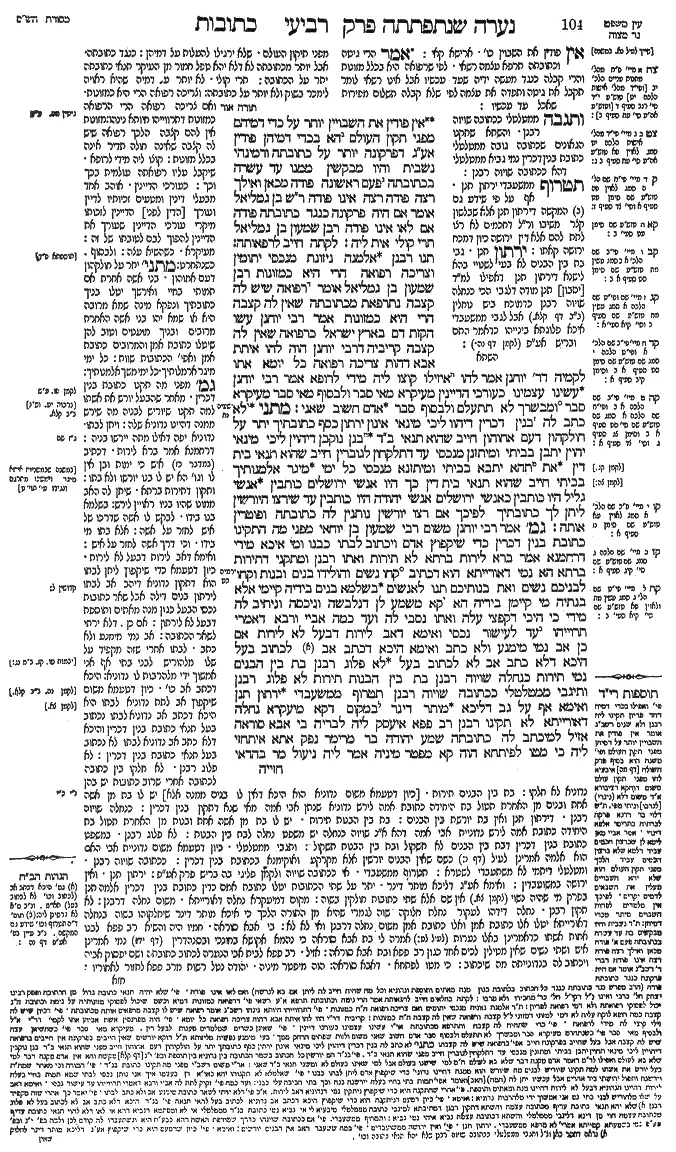
Ketubot 52b - Guemara
אין פודין את השבויין יותר על כדי דמיהם מפני תקון העולם הא בכדי דמיהן פודין אע"ג דפרקונה יותר על כתובתה ורמינהי נשבית והיו מבקשין ממנו עד עשרה בכתובתה פעם ראשונה פודה מכאן ואילך רצה פודה רצה אינו פודה ר"ש בן גמליאל אומר אם היה פרקונה כנגד כתובתה פודה אם לאו אינו פודה רבן שמעון בן גמליאל תרי קולי אית ליה:
לקתה חייב לרפאותה:
תנו רבנן אלמנה ניזונת מנכסי יתומין וצריכה רפואה הרי היא כמזונות רבן שמעון בן גמליאל אומר רפואה שיש לה קצבה נתרפאת מכתובתה שאין לה קצבה הרי היא כמזונות אמר רבי יוחנן עשו הקזת דם בארץ ישראל כרפואה שאין לה קצבה קריביה דרבי יוחנן הוה להו איתת אבא דהות צריכה רפואה כל יומא אתו לקמיה דר' יוחנן אמר להו איזילו קוצו ליה מידי לרופא אמר רבי יוחנן עשינו עצמינו כעורכי הדיינין מעיקרא מאי סבר ולבסוף מאי סבר מעיקרא סבר (ישעיהו נח, ז) ומבשרך לא תתעלם ולבסוף סבר אדם חשוב שאני:
מתני׳ לא כתב לה בנין דכרין דיהוו ליכי מינאי אינון ירתון כסף כתובתיך יתר על חולקהון דעם אחוהון חייב שהוא תנאי ב"ד בנן נוקבן דיהוין ליכי מינאי יהוין יתבן בביתי ומיתזנן מנכסי עד דתלקחון לגוברין חייב שהוא תנאי בית דין את תהא יתבא בביתי ומיתזנא מנכסי כל ימי מיגר אלמנותיך בביתי חייב שהוא תנאי בית דין כך היו אנשי ירושלים כותבין אנשי גליל היו כותבין כאנשי ירושלים אנשי יהודה היו כותבין עד שירצו היורשין ליתן לך כתובתיך לפיכך אם רצו יורשין נותנין לה כתובתה ופוטרין אותה:
גמ׳ אמר רבי יוחנן משום רבי שמעון בן יוחאי מפני מה התקינו כתובת בנין דכרין כדי שיקפוץ אדם ויכתוב לבתו כבנו ומי איכא מידי דרחמנא אמר ברא לירות ברתא לא תירות ואתו רבנן ומתקני דתירות ברתא הא נמי דאורייתא הוא דכתיב (ירמיהו כט, ו) קחו נשים והולידו בנים ובנות וקחו לבניכם נשים ואת בנותיכם תנו לאנשים בשלמא בנים בידיה קיימי אלא בנתיה מי קיימן בידיה הא קא משמע לן דנלבשה וניכסה וניתיב לה מידי כי היכי דקפצי עלה ואתו נסבי לה ועד כמה אביי ורבא דאמרי תרוייהו עד לעישור נכסי ואימא דאב לירות דבעל לא לירות אם כן אב נמי מימנע ולא כתב ואימא היכא דכתב אב לכתוב בעל היכא דלא כתב אב לא לכתוב בעל לא פלוג רבנן בת בין הבנים נמי תירות כנחלה שויוה רבנן בת בין הבנות תירות לא פלוג רבנן ותיגבי ממטלטלי ככתובה שויוה רבנן תטרוף ממשעבדי ירתון תנן ואימא אף על גב דליכא מותר דינר במקום דקא מיעקרא נחלה דאורייתא לא תקינו רבנן רב פפא איעסק ליה לבריה בי אבא סוראה אזיל למיכתב לה כתובתה שמע יהודה בר מרימר נפק אתא איתחזי ליה כי מטו לפיתחא הוה קא מפטר מיניה אמר ליה ניעול מר בהדאי
Comments from Rashi on Masechet Ketubot Page 52b
מפני תיקון העולם . שלא ירגילו להעלות על דמיהן: כנגד כתובתה . אבל יותר מכתובתה לא דלא יהא טפל חמור מן העיקר תנאי כתובתה יתר על הכתובה: תרי קולי . לא יותר על דמיה שהיא ראויה לימכר בשוק ולא יותר על כתובתה: וצריכה רפואה הרי היא כמזונות . ואם צריכה רפואה הרי הרפואה כמזונות דתרווייהו חיותא נינהו: מזונות אין להם קצבה הלכך רפואה שיש לה קצבה שאינה חולה תדיר אינה בכלל מזונות: קוצו ליה מידי לרופא . שיקבל עליו רפואתה עולמית בכך וכך: כעורכי הדיינין . אוהב אחד מבעלי דינין ומטעים זכיותיו לדיין ועורך [הדין לפני] הדיינין לזכותו מיקרי עורכי הדיינין שעורך את הדיינין להפוך לבם לטובתו של זה: מעיקרא . כשהשיא עצה: ולבסוף . כשנתחרט: מתני' יתר על חולקהון דעם אחוהון . בני אשה אחרת אם תמותי בחיי ואירשך יטלו בניך כתובתיך ונפקא מינה שמא מרובה היא או שמא יהו בני אשה האחרת מרובים ובניך מועטים וטוב להן שיטלו כתובת אמן והמרובים כתובת אמן ואפי' הכתובות שוות: כל ימי מיגר ארמלותיך . כל ימי משך אלמנותיך: גמ' מפני מה תקנו כתובת בנין דכרין . מאחר שהבעל יורש את אשתו למה תקנו שיוריש לבניה מה שירש ממנה דהיינו נדוניא שלה: ויתן לבתו . נדוניא יפה דאילו מתה יירשו בניה: דרחמנא אמר ברא לירות . דכתיב (במדבר כז) איש כי ימות ובן אין לו וגו' הא יש לו בנו יורשו ולא בתו: ותקון דתירות ברתא . שיתן לה האב ממונו שהיו בניו ראויין לירש: בשלמא בנו בידו . לבקש לו אשה שדרכו של איש לחזר על אשה: אלא בתו מי בידו . וכי דרך אשה לחזר על איש: ואימא דאב לירות דבעל לא לירות . כיון דטעמא כדי שיקפוץ ליתן לבתו הוא דתקון נדוניא דיהב אב לבתו לירתון בנים דילה אבל שאר כתובות נכסי הבעל כגון מנה מאתים ותוספת דבעל לא לירתון: אם כן . דלא ירתי לשאר הכתובה: אב נמי מימנע ולא כתב . לבתו אחרי שזה מקפיד על שלו מלהוריש לבני בתי אף אני אמשוך ידי מלהרבות לו נדוניא: היכא דכתב אב כו' . כיון דטעמא משום שיקפוץ אב לתת נדוניא לבתו היא היכא דכתב אב נדוניא לבתו נכתוב בעל תנאי כתובת בנין דכרין והיכא דלא כתב אב נדוניא לבתו לא נכתוב בעל תנאי כתובת בנין דכרין: לא פלוג רבנן . לא חלקו בין כתובה לכתובה אחרי שרוב כתובות יש בהן נדוניא לא חלקו: בת בין הבנים תירות . [כיון דטעמא משום נדוניא הוא היכא דאין לו בנים ממנה אלא] יש לו בת מן אשה אחת ובנים מן האחרת תטול בת היחידה כתובת אמה לירש נדוניא שנתן אבי אמה מאי שנא דתקון בנין דכרין: כנחלה שויוה רבנן . דירתון תנן ואין בת יורשת בין הבנים: בת בין הבנות תירות . יש לו בת מן אשה אחת ובנות מן האחרת תטול בת היחידה כתובת אמה לירש נדוניית אבי אמה דהא א"נ שויוה כנחלה יש משפט נחלה לבת בין הבנות: לא פלוג רבנן . במשפט כתובת בנין דכרין דבת בין הבנים לא תשקול ובת בין הבנות תשקול: ותגבי ממטלטלי . כיון דטעמא משום נדוניית אבי האם הוא אלמה אמרינן לעיל (כתובות דף נ:) כשם שאין הבנים יורשין אלא מקרקע ואוקימנא בכתובת בנין דכרין: ככתובה שויוה רבנן . ומטלטלי דיתמי לא משתעבדי לשטרא: תטרוף ממשעבדי . אי ככתובה שויוה ולקמן פליגי בה בריש פרק אע"פ: ירתון תנן . ואין ירושה במשועבדין: ואימא אע"ג דליכא מותר דינר . יתר על שתי הכתובות יטלו כתובת אמם כדין כתובת בנין דכרין אלמה תנן בפרק מי שהיה נשוי (לקמן כתובות צא.) אין שם אלא שתי כתובות חולקין בשוה: מקום דמיעקרא נחלה דאורייתא . משום נחלה דרבנן: לא תקון רבנן . נחלה דידהו לעקור נחלת חלוקה שוה לגמרי שהיא מן התורה הלכך כי איכא מותר דינר שיחלקוהו בשוה בנחלה דאורייתא יטלו אלו כתובת אמן ואלו כתובת אמן משום נחלה דרבנן ואי לא לא: בי אבא סוראה . חמיו היה והשיא רב פפא לבנו אחות אשתו כדאמרינן באלו נערות (לעיל כתובות לט:) אמרה לי בת אבא סוראה כי נהמא אקושא בחינכי ובסנהדרין (דף יד:) נמי אמרינן איש ושתי נשים שאין מטילין לכיס אחד כגון רב פפא ובת אבא סוראה: אזיל . רב פפא לבית אבי הנערה לכתוב כתובתה ושם יפסוק אביה ויכתוב לה בנדונייתה מה שיכתוב: כי מטו לפתחא . דאבא סוראה: הוה מיפטר מיניה . יהודה נטל רשות מרב פפא לחזור לאחוריו:
Comments from Tosafot - Ketubot 52b
אין פודין את השבוין כו' . ארישא קאי: ותגבה ממטלטלי ככתובה שויוה רבנן . והשתא שתקנו הגאונים שכתובה גובה ממטלטלי כתובת בנין דכרין נמי גביא ממטלטלי דהא ככתובה שויוה רבנן: תטרוף ממשעבדי ירתון תנן . אף על פי שידע גם המקשה דירתון תנן אלא שבלשון קצר משיבו ור"ל דחכמים לא רצו לתת להם אלא דין ירושה כיון דמכח ירושה קאתו: ירתון תנן . גבי בת בין הבנים לא בעי לשנויי בהא לישנא דירתון תנן דאפילו למ"ד [יסבון] תנן מודה דלגבי הכי כנחלה שויוה רבנן כדמוכח ביש נוחלין (ב"ב דף קלא.) אבל לגבי ממשעבדי איכא פלוגתא בינייהו כדאמר התם ובריש אע"פ (לקמן כתובות דף נה.):
Ketubot 52b - Mishnah translated into english
One does not redeem captives at more than their value. This policy is for the betterment of the world, because if captives are ransomed at exorbitant prices, this will encourage their captors to kidnap more people. The Gemara notes: This implies that if the captors seek a ransom in accordance with their actual value one does redeem captives, even though this includes a case where a woman’s redemption is more than her marriage contract.
And the Gemara raises a contradiction from a different baraita, which states: If she was taken captive and the captors were seeking from her husband a ransom of up to ten times the value of her marriage contract, on the first occasion he must redeem her. From this point forward, if he wants to he redeems her, but if he does not want to redeem her, he does not have to redeem her. Rabban Shimon ben Gamliel says: If the price of her ransom was equal to her marriage contract he redeems her. If not, i.e., the price of her ransom was greater than the sum of money guaranteed to her in her marriage contract upon divorce or the death of her husband, he does not have to redeem her. He can suffice with paying her marriage contract.
The Gemara answers: Rabban Shimon ben Gamliel is of the opinion that there are two leniencies with regard to the halakhot of redemption. First, he maintains that one does not pay more than the general ransom given for such a captive, and second, a husband does not have to pay more than the sum of his wife’s marriage contract.
§ The mishna taught (51a) that if a woman was struck with illness, her husband is obligated to heal her, i.e., to pay for her medical expenses. The Sages taught in a baraita: In the case of a widow who is sustained from the property of the orphans and who requires medical treatment, her medical needs are like her sustenance, and the orphans must bear the costs. Rabban Shimon ben Gamliel disagrees and says: With regard to treatment that has a fixed cost, she is healed from her marriage contract, i.e., the amount is subtracted from her marriage contract. If it is a treatment that does not have a fixed cost, it is considered like sustenance.
Rabbi Yoḥanan said: The Sages established that in Eretz Yisrael, bloodletting is considered like a treatment that does not have a fixed cost, and therefore the heirs must pay for that treatment. The Gemara relates: The relatives of Rabbi Yoḥanan had to take care of the wife of their father, who required treatment every day, and therefore her medical expenses were high. They came before Rabbi Yoḥanan to ask him what to do. He said to them: Go and fix a lump sum with the doctor for his services. The treatment would then be considered as having a fixed cost, which is deducted from the marriage contract.
Later Rabbi Yoḥanan said in regret: We have made ourselves like legal advisors, who help people with their legal claims. The Gemara asks: At the outset, what did he hold and ultimately, what did he hold? The Gemara explains: At the outset he held that one should act in accordance with the verse “and that you do not hide yourself from your own flesh” (Isaiah 58:7), which indicates that one must help his relatives. And ultimately he held that an important person is different. If a man of stature offers assistance to his family in a manner that causes a loss to another individual, it appears as though he were unfairly favoring his relatives.
MISHNA: If the husband did not write for her in her marriage contract: Any male children you will have from me will inherit the money of your marriage contract in addition to their portion of the inheritance that they receive together with their brothers, he is nevertheless obligated as though he had written it, as it is a stipulation of the court and therefore takes effect even if it is not explicitly stated. Likewise, if he omitted from the marriage contract the sentence: Any female children you will have from me will sit in my house and be sustained from my property until they are taken by men, i.e., until they are married, he is nevertheless obligated as though he had written it, as it too is a stipulation of the court.
Similarly, if he omitted from the marriage contract the clause: You will sit in my house and be sustained from my property all the days you live as a widow in my house, he is nevertheless obligated as though he had written it, as it is a stipulation of the court. The mishna comments: The residents of Jerusalem would write in this manner, that a widow may remain in her husband’s house throughout her widowhood, and the residents of the Galilee would write in this manner as well, like the inhabitants of Jerusalem. In contrast, the residents of Judea would write: Until the heirs want to give you your marriage contract. Consequently, if the heirs wish, they may give her marriage contract to her and release her, and she must find her own living arrangements and provide for herself.
GEMARA: Rabbi Yoḥanan said in the name of Rabbi Shimon ben Yoḥai: For what reason did the Sages enact the marriage document concerning male children? It was enacted so that a man will be willing to take the initiative and write an agreement to give his daughter a dowry as large as the portion of his possessions that his son will receive as an inheritance. The marriage document concerning male children ensures that even if one’s daughter dies and her husband inherits her possessions, the dowry will eventually be inherited by her sons when her husband dies. Since the father of the bride knows that his grandchildren will inherit the dowry, he will give a larger dowry.
The Gemara asks: And is there anything that justifies a situation where the Merciful One says that the son inherits and the daughter does not inherit, and yet the Sages came and enacted that the daughter should inherit? The practical effect of their decree is that daughters receive a significant portion of their father’s estate, just like sons.
The Gemara answers: This also applies by Torah law, as it is written: “Take wives for yourselves and bear sons and daughters, and take wives for your sons, and give your daughters to husbands” (Jeremiah 29:6). This verse requires clarification. Granted, sons are in his hands, i.e., a father can select wives for them, but daughters, are they in his power that he can select husbands for them? It is not the manner of a woman or her family to court a man.
Rather, the verse teaches us this, that the father should dress her and cover her and give her something, i.e., property, so that men will take the initiative with her and come to marry her. When the verse instructs fathers to marry off their daughters, it means that they must make efforts to ensure this outcome, including bestowing a dowry. The Gemara asks: And up to how much must a father give his daughters? Abaye and Rava both say: Up to one-tenth of one’s property should be handed over to his daughter for her dowry.
The Gemara asks: But if this is the reason for the institution of the marriage document concerning male children, say that it is only the portion the bride’s father gave as a dowry that her sons should inherit, but the money the husband guarantees to pay his wife, they should not inherit. The Gemara answers: If so, the bride’s father will also refrain from writing a large dowry. If his daughter’s sons will not inherit the husband’s portion of the marriage contract, her father will be reluctant to give generously himself.
The Gemara continues to ask: But if the concern is that the father will not give, say that in a case where the father wrote a large dowry for his daughter, let the husband also write the stipulation in the marriage document concerning male children, and when the father did not write a large dowry, let the husband not write this stipulation. The Gemara replies: The Sages did not distinguish between these cases. Although the main purpose of their enactment was to encourage fathers to provide their daughters with generous dowries, the Sages applied their decree equally to all women, even when the father failed to do so.
The Gemara poses another question: If the aim is to ensure that the money of the marriage contract will remain with the woman’s descendants, in a case when one has a daughter from one woman among his sons from another woman, the daughter should likewise inherit her mother’s dowry. Why do only male children inherit their mother’s dowry? The Gemara responds: The Sages established this enactment as similar to the halakha of inheritance: Just as a regular inheritance belongs to sons and not daughters, the same applies to the marriage document concerning male children.
The Gemara continues to inquire: Why shouldn’t one at least say that a daughter among daughters should inherit? If he had a daughter from this wife, and his other children are also daughters, in which case all the daughters divide the inheritance, the daughters of each wife should receive the portion her maternal grandfather gave to her mother. The Gemara again answers: The Sages did not distinguish between these cases when establishing their decree. The Gemara further asks: And let the marriage document concerning male children be collected even from movable property, if that is all the father possesses. The Gemara replies: The Sages established this enactment as similar to a regular marriage contract, which can be collected only from land.
The Gemara poses yet another question: Let it be collected even from liened property, i.e., property the father sold after he wrote the marriage contract. The Gemara answers that we learned in the mishna: Will inherit, and one’s heirs do not inherit property that he has sold. The Gemara asks: But if this is the reason for this enactment, say that it should apply even though there is no more than a dinar beyond the value of the marriage contract that the father left over in his estate. The Sages stated that if no property is left for the inheritance, all the sons share the inheritance equally, in accordance with Torah law. The Gemara answers: In a case where their decree would entirely uproot the halakha of inheritance by Torah law, the Sages did not enact the marriage document concerning male children.
The Gemara relates: Rav Pappa, having arranged for his son to marry into the family of Abba of Sura, went to supervise the writing of the bride’s marriage contract. Yehuda bar Mareimar heard that Rav Pappa was coming, and came out to present himself before him, in honor of his arrival. When they came to the entrance of Abba of Sura’s house, Yehuda bar Mareimar took his leave of him, as he did not wish to enter. Rav Pappa said to him: Let the Master enter inside with me.
Traduction : The William Davidson digital edition of the Koren Noé Talmud, with commentary by Rabbi Adin Even-Israel Steinsaltz.