 Talmud Bavli
The learning on the whole site is dedicated : L'ilui Nishmat Nissim ben Barukh Malka
The learning on the whole site is dedicated : L'ilui Nishmat Reuven ben Rivka SEBBAG
The learning on the whole site is dedicated : L'ilui Nishmat Jacques Isaac Ben Amram Loubaton
Ketubot 19b : Youtube
Daf TubeYoutube
1 video class :
Ketubot Page 19b
Ketubot 19b - Guemara
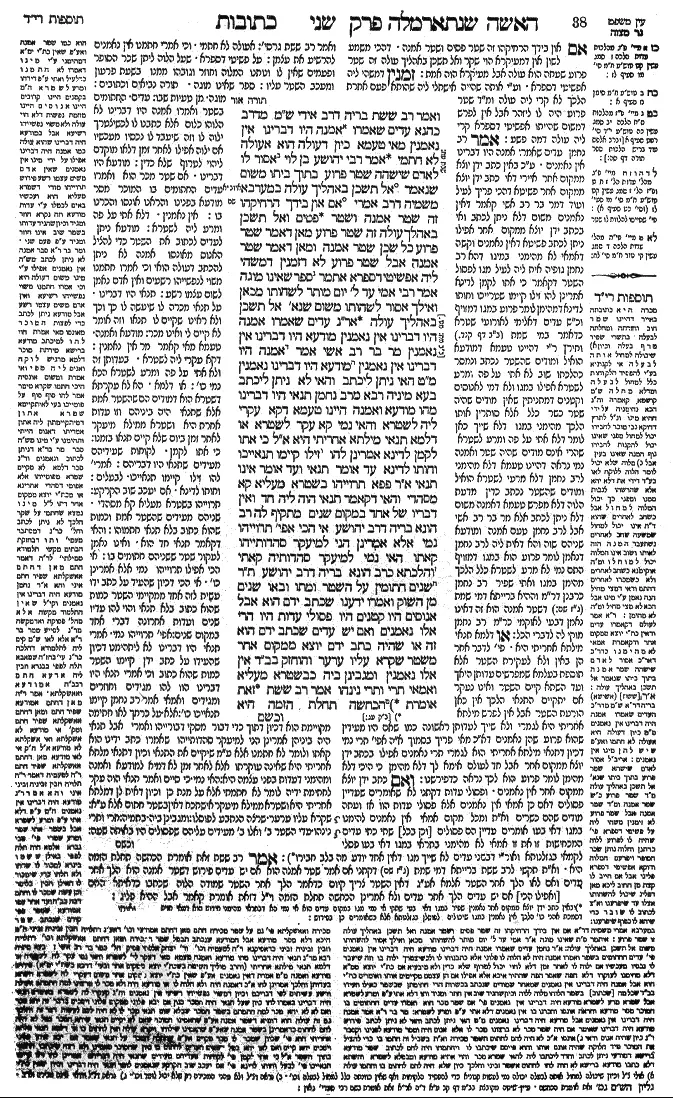
ואמר רב ששת בריה דרב אידי ש"מ מדרב כהנא עדים שאמרו אמנה היו דברינו אין נאמנין מאי טעמא כיון דעולה הוא אעולה לא חתמי אמר רבי יהושע בן לוי אסור לו לאדם שישהה שטר פרוע בתוך ביתו משום שנאמר (איוב יא, יד) אל תשכן באהליך עולה במערבא משמיה דרב אמרי (איוב יא, יד) אם און בידך הרחיקהו זה שטר אמנה ושטר פסים ואל תשכן באהלך עולה זה שטר פרוע מאן דאמר שטר פרוע כל שכן שטר אמנה ומאן דאמר שטר אמנה אבל שטר פרוע לא דזמנין דמשהי ליה אפשיטי דספרא אתמר ספר שאינו מוגה אמר רבי אמי עד ל' יום מותר לשהותו מכאן ואילך אסור לשהותו משום שנא' אל תשכן באהליך עולה אר"נ עדים שאמרו אמנה היו דברינו אין נאמנין מודעא היו דברינו אין נאמנין מר בר רב אשי אמר אמנה היו דברינו אין נאמנין מודעא היו דברינו נאמנין מ"ט האי ניתן ליכתב והאי לא ניתן ליכתב בעא מיניה רבא מרב נחמן תנאי היו דברינו מהו מודעא ואמנה היינו טעמא דקא עקרי ליה לשטרא והאי נמי קא עקר לשטרא או דלמא תנאי מילתא אחריתי היא א"ל כי אתו לקמן לדינא אמרינן להו זילו קיימו תנאייכו וחותו לדינא עד אומר תנאי ועד אומר אינו תנאי א"ר פפא תרוייהו בשטרא מעליא קא מסהדי והאי דקאמר תנאי הוה ליה חד ואין דבריו של אחד במקום שנים מתקיף לה רב הונא בריה דרב יהושע אי הכי אפי' תרוייהו נמי אלא אמרינן הני למיעקר סהדותייהו קאתו האי נמי למיעקר סהדותיה קאתי והלכתא כרב הונא בריה דרב יהושע ת"ר שנים חתומין על השטר ומתו ובאו שנים מן השוק ואמרו ידענו שכתב ידם הוא אבל אנוסים היו קטנים היו פסולי עדות היו הרי אלו נאמנים ואם יש עדים שכתב ידם הוא זה או שהיה כתב ידם יוצא ממקום אחר משטר שקרא עליו ערער והוחזק בב"ד אין אלו נאמנין ומגבינן ביה כבשטרא מעליא ואמאי תרי ותרי נינהו אמר רב ששת זאת אומרת הכחשה תחלת הזמה היא
Comments from Rashi on Masechet Ketubot Page 19b
ואמר רב ששת גרסי': אעולה לא חתמי . וכי אמרי חתמנו אין נאמנים להרשיע את עצמן: על פשיטי דספרא . שעל הלוה ליתן שכר הסופר ופעמים שאין לו ונותנו המלוה וחוזר וגובהו ממנו בשעת פרעון ומעכב השטר עליו: ספר שאינו מוגה . תורה נביאים וכתובים: מוגה . מן טעיות שבו: עדים . החתומים בשטר ואמרו אמנה היו דברינו לא הלוהו כלום אלא כתבנו לו לכשיצטרך ילוה לו וזה שיעבד לו נכסיו מעכשיו אם ילוה אפילו לאחר זמן דלאו מוקדם ליהוי לטרוף שלא כדין: מודעא היו דברינו . אם שטר מכר הוא ואמרו עדים החתומים בו המוכר מסר מודעא בפנינו והראנו אונסו והכרנו בו: אין נאמנין . דלא אתי על פה ומרע ליה לשטרא: מודעא ניתן לעדים לכתוב את השטר כדי להציל האנוס מאונסו אמנה לא ניתן להכתב דעולה הואי וכי אמרו חתמנו משוי לנפשייהו רשעים ואין אדם נאמן לשום עצמו רשע: תנאי היו דברינו . על תנאי מכרה לו שיעשה לו כך וכך ולא ראינו שקיים לו תנאו וזה אומר לא קיים לי ואינו מכר: מודעא ואמנה . טעמא מאי קאמר מר אין נאמנין: דקא עקרי ליה לשטרא . בעדותן זה ולא אתי על פה ומרע לשטרא הכא נמי כו': או דלמא . הא לא עקרתא דשטרא הוא דמודים הם שהשטר אמת אלא שתנאי היה ביניהם וזו עדות אחרת היא ושטרא ממילא מיעקר לאחר זמן ביום שלא קיים תנאו בזמנו: כי אתו לקמן . לקוחות שעידיהם מעידים שתנאי היו דבריהם: אמרי' להו זילו קיימו תנאייכו . לבעלים: וחותו לדינא . אם יעכב שוב הקרקע: תרוייהו בשטרא מעליא קא מסהדי . שניהם מעידים שהשטר אמת וכמות שהוא כתוב בלא תנאי חתמוהו: והאי דקאמר תנאי חד הוא . ואינו נאמן לעקור שטר ששניהם חתומים בו: אי הכי אפילו תרוייהו נמי אלא אמרינן כו' . אי הכי דכיון שהעיד על כתב ידו עשית לזה אחד ממקיימי השטר כמות שהוא כתוב בלא תנאי והוי להו עדיו שנים ועדות אחרונה דברי אחד במקום שנים: אפי' תרוייהו נמי . אמרי תנאי היו דברינו לא ליתהימנו דכיון שהעידו על כתב ידן קיימו השטר כמות שהוא כתוב וכי אמרי תנאי היו דברינו הוו להו מגידים וחוזרים ומגידים ואמאי אמר רב נחמן קיימו תנאייכו כו': אי הכי אפילו תרוייהו נמי אלא אמרינן כו' . אי הכי דכיון שהעיד על כתב ידו עשית לזה אחד ממקיימי השטר כמות שהוא כתוב בלא תנאי והוי להו עדיו שנים ועדות אחרונה דברי אחד במקום שנים: אלא . על כרחך לאו חתימה מקויימת הוא דכיון דתוך כדי דבור מסקי דבורייהו ואמרי אבל תנאי היה ביניהן אמרינן הני למיעקר סהדותייהו שאמרו כתב ידינו הוא קאתו ולומר לא חתמנו אלא ע"מ שיקיים את התנאי וכיון דתנאי מלתא אחריתי היא שאינה עוקרתו אלא לאחר זמן לא דמיא למודעא ואמנה ומהימני דעדות בפני עצמה היא: האי נמי . כי סיים ואמר תנאי הוה עקר לחתימת ידיה לומר לא חתמתי אלא על מנת כן וכיון דאית לן דמלתא אחריתי היא ושטרא ממילא מיעקר אישתכח דאין בשטר חתום אלא ע"א: שקרא עליו ערער . שרצה הנתבע לפוסלו: ומגבינן ביה . בתמיה: תרי ותרי נינהו . עדי השטר ב' ואלו ב' מעידים עליהם שפסולים היו באותה שעה:
Comments from Tosafot - Ketubot 19b
אעולה לא חתמי . והא דכותבין שטר ללוה אע"פ שאין מלוה עמו היינו למוסרו ללוה ולא למלוה: אם און בידך הרחיקהו זה שטר פסים ושטר אמנה . דהכי משמע לשון און דמעיקרא הוי שקר ואל תשכן באהליך עולה זה שטר פרוע שעתה הוא עולה אבל מעיקרא הוה אמת: זמנין דמשהי ליה אפשיטי דספרא . וע"י אותה שהייה אישתלי ליה שהותא פעם אחרת הלכך לא קרי ליה עולה ומ"ד שטר פרוע היה לו ליזהר אבל אין לפרש דמשום שהייתו אפשיטי דספרא קרי ליה עולה דמה פשע: אמר רב נחמן עדים שאמרו אמנה היו דברינו אין נאמנים . ע"כ באין כתב ידן יוצא ממקום אחר איירי דאי כתב ידן יוצא ממקום אחר פשיטא דהכי פריך לעיל ועוד דמר בר רב אשי קאמר דאין נאמנים משום דלא ניתן לכתב ואי בכתב ידן יוצא ממקום אחר אפילו ניתן לכתב פשיטא דאין נאמנים וקשה דאמאי לא מהימני במיגו דהא רב נחמן גופיה אית ליה לעיל מגו לפסול השטר דקאמר כי אתו לקמן לדינא אמרינן להו זילו קיימו שטרייכו וחותו לדינא דמהימן לומר פרוע במגו דמזויף וכ"ש עדים דאלימי לאורועי שטרא כדאמר במי שמת (ב"ב דף קנד.) ותירץ ר"י דהיינו טעמא דמודעא הואיל ומודים שהשטר נכתב ונמסר כהלכתו שוב לא אתי על פה ומרע לשטרא אפילו במגו ולא דמי לאנוסים וקטנים דמתניתין שאין מודים שהיה שטר כשר כלל אלא סותרין אותו הלכך מהימני במגו דלא שייך כאן לומר דלא אתי על פה ומרע לשטרא שהרי אינם מודים שהיה שטר ואמנה נמי נראה דהיינו טעמא דלא מהימני לרב נחמן דלא מרעי לשטרא הואיל ומודים שהשטר נכתב כדין מדעת הלוה דלא מפרש טעמא דאמנה משום דלא ניתן לכתב אלא מר בר רב אשי אבל לרב נחמן טעם אמנה ומודעא שניהם שוה והא דאית ליה לרב נחמן דנאמן לומר פרוע הוא במגו דמזויף התם נמי לא מרע לשטרא כלל הלכך מהימן במגו ואתי שפיר רב נחמן כרבנן דר"מ וההיא ברייתא דמי שמת (ג"ז שם:) דשטר אמנה הוא זה דאינו נאמן דבעי לאוקמי כר"מ רב נחמן מוקי לה לדברי הכל: או דלמא תנאי מילתא אחריתי היא . פי' לדבר אחר הן באין ולא לעקירת השטר אלא תוספת בעלמא שמפרשים עדותן היאך ועד השתא קיים השטר ואינו נעקר אם יתקיים התנאי הלכך אין כאן הורעת השטר אבל אין לפרש מילתא אחריתי היא לגמרי ולא שייך לעדותן ראשונה כמו שאם היו מעידין שהוא פרוע שהן נאמנים דא"כ מאי פריך בסמוך א"ה אפי' תרי נמי דכיון דתנאי מילתא אחריתי הוא לגמרי תרי נאמנים אפילו בכתב ידן יוצא ממקום אחר אבל חד לעולם אימא לך דלא מהימן כי היכי דלא מהימן לומר פרוע הוא לכך נראה כדפירשנו: ואם כתב ידן יוצא ממקום אחר אין נאמנים . ופסולי עדות דקתני לא שאומרים שעדיין פסולים דאם כן אמאי אין נאמנים אלא פסולי עדות הוו אז ועתה מודים שהם כשרים וא"ת ומכל מקום אמאי אין נאמנים להימנו במגו דאי בעו אומרים עדיין הם פסולים [וכן בכל] שתי כתי עדים המכחישות זו את זו אמאי לא מהימני בתראי במגו דאי בעו פסלי לקמאי בגזלנותא ואור"י דבשני עדים לא שייך מגו דאין אחד יודע מה בלב חבירו: אמר רב ששת זאת אומרת הכחשה תחלת הזמה היא . וא"ת תקשי לרב ששת ברייתא דמי שמת (ג"ז שם) דקתני אם אמר שטר אמנה הוא אם יש עדים פירוש דשטר אמנה הוא הלך אחר עדים ואם לאו הלך אחר השטר אלמא אע"ג דאין השטר צריך קיום כדאמר הלך אחר השטר שמודה הלוה שכתבו כדאיתא התם [ואפילו הכי] אם יש עדים הלך אחר עדים ולא אמרינן הכחשה תחלת הזמה וי"ל דזאת אומרת קאמר אבל ההיא פליג:
Ketubot 19b - Mishnah translated into english
And Rav Sheshet, son of Rav Idi, says: Conclude from the statement of Rav Kahana that witnesses who said: Our statement was a statement of trust, and the document we signed was a document of trust, are not deemed credible. What is the reason? Since that document is an injustice, they would not sign a document of injustice. Their contention that they signed the document would incriminate them and is therefore not accepted.
Rabbi Yehoshua ben Levi said: It is prohibited for a person to keep a repaid document within his house, due to the fact that the verse states: “And let not injustice dwell in your tents” (Job 11:14). Even if he does not use the document to collect payment, the concern is that it might fall into the hands of one who will use it illegally to collect payment. In the West, in Eretz Yisrael, they say in the name of Rav: With regard to the first half of the verse: “If iniquity be in your hand, put it far away” (Job 11:14), this is referring to a document of trust and a document of security [passim]. With regard to the second half of the verse: “And let not injustice dwell in your tents,” this is referring to a repaid document.
They note: With regard to the one who said that a repaid document is the injustice referred to in the verse, all the more so a document of trust is an injustice and may not be kept, as a document of trust is fundamentally false. And with regard to the one who said that a document of trust is the injustice referred to in the verse, however, with regard to a repaid document, perhaps it is permitted to keep it, as, at times people keep it and do not return it to the borrower. This is because in those cases it serves as security for the coins of the scribe, whose fee has not yet been paid by the borrower, who is legally responsible to pay the scribe for writing the document.
On a similar note it is stated, with regard to keeping items with potential to lead to transgression: With regard to a Torah scroll that is not proofread and therefore contains errors, Rabbi Ami says: It is permitted to keep it without emending the mistakes for up to thirty days, and from that time onward it is prohibited to keep it, as it is stated: “And let not injustice dwell in your tents” (Job 11:14).
§ Rav Naḥman said that witnesses who say: Our statement was a statement of trust and we signed a document of trust, are not deemed credible. Similarly, witnesses who said: Our statement was a statement accompanied by a declaration by the person who is rendered a debtor by this document that he was coerced into the agreement, thereby invalidating the document, are not deemed credible. Mar bar Rav Ashi said that witnesses who said: Our statement was a statement of trust, are not deemed credible, but witnesses who said: Our statement was a statement accompanied by a declaration, are deemed credible. What is the reason for the difference between the cases? This document, which was accompanied by a declaration, may be written, as it is written under duress. And this document of trust may not be written, as it is fundamentally unjust.
Rava raised a dilemma before Rav Naḥman: In a case where the witnesses say: Our statement was a conditional statement, i.e., they verify their signatures, but add that the transaction was contingent upon fulfillment of an unwritten condition, what is the ruling? Perhaps it is similar to the cases of a statement accompanied by a declaration and a statement of trust. In those latter cases, this is the reason that their statement is rejected, as in doing so they undermine the document, and in this case too, he undermines the document. Or perhaps a condition is a different matter, as it does not necessarily undermine the document. Rav Naḥman said to him: When people come before us for judgment in this latter case, we say to them: Go and fulfill your conditions, and then descend before us for judgment.
The Gemara asks: What is the ruling in a case where one witness says: There is a condition attached to the transaction and one witness says: There is no condition? Rav Pappa says: Both are testifying that it is a valid document, and that witness who says: There was a condition attached, is only one witness whose testimony challenges that validity. And the statement of one witness has no validity in a place where there are two witnesses.
Rav Huna, son of Rav Yehoshua, strongly objects to this: If it is so that testifying that there is a condition is considered to undermine the document, then even if both of the witnesses testify that there was a condition, their testimony should also not be accepted. Once they testified that the document is valid, they cannot give additional testimony that contradicts their original testimony. Rather, we say: These two witnesses are coming to undermine their testimony that the document is valid. These are not two separate testimonies, one that the document is valid and one with regard to the condition. Rather, the second testimony revokes the first. Similarly, this single witness is coming to undermine his testimony as well. Therefore, there is only one witness testifying that the document is valid. The Gemara concludes: The halakha is in accordance with the opinion of Rav Huna, son of Rav Yehoshua, and the testimony of even one witness who says that there was a condition attached to the transaction is accepted.
§ The Sages taught: If two witnesses were signatories on a document and they died, and two strangers from the marketplace came and said: We know that this is their handwriting, but they were coerced into signing the document, or if they said that they were minors when they signed the document, or if they said that they were disqualified witnesses when they signed the document, these strangers are deemed credible, as the mouth that prohibited and ratified the document is the mouth that permitted and undermined the document. However, if there are other witnesses who testify that it is their handwriting, or if their handwriting emerges from another place, from a document that one challenged and that was deemed valid in court, these witnesses from the marketplace are not deemed credible and their testimony does not undermine the validity of the document.
The Gemara asks: And if the testimony of these witnesses is not accepted, is that to say that we collect debts with that document as one would collect debts with a valid document? And why would that be the case? Aren’t the two signatories whose signatures were ratified and the two witnesses from the marketplace whose testimony invalidates the document contradictory witnesses? Therefore, the document cannot be used to collect payment.
Rav Sheshet said: That is to say that contradiction of their testimony is the first stage in rendering them false, conspiring witnesses, in the sense that certain restrictions that apply to the latter apply to the former as well.
Traduction : The William Davidson digital edition of the Koren Noé Talmud, with commentary by Rabbi Adin Even-Israel Steinsaltz.