 Talmud Bavli
Ketubot 109b : Youtube
Daf TubeYoutube
1 video class :
Ketubot Page 109b
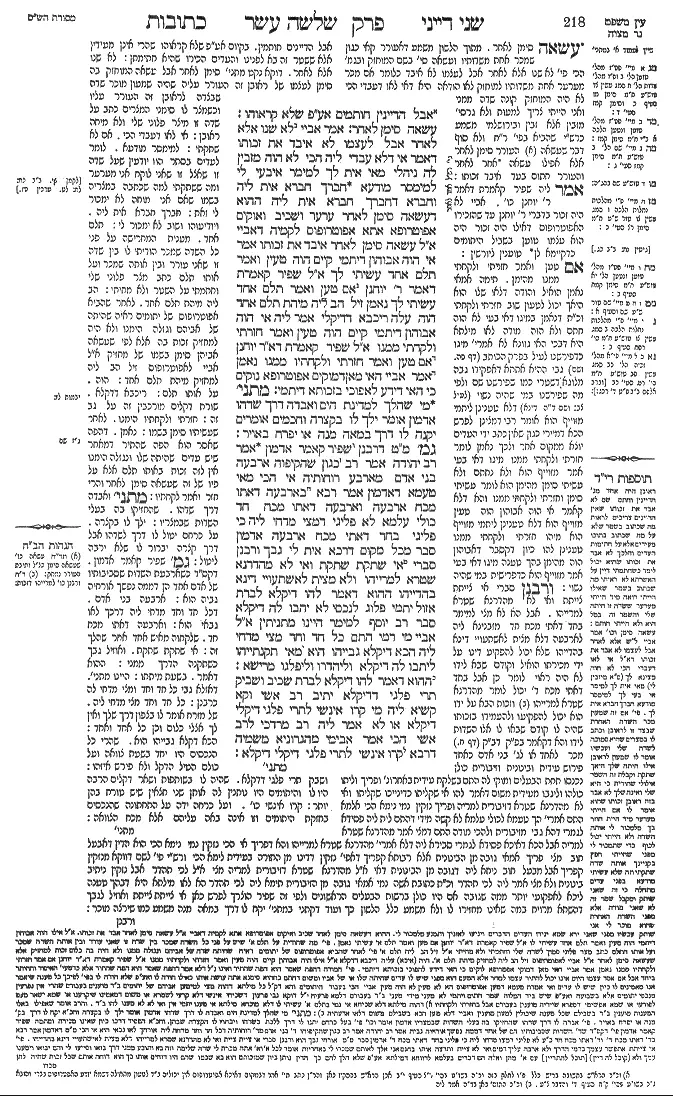
Ketubot 109b - Guemara
אבל הדיינין חותמים אע"פ שלא קראוהו:
עשאה סימן לאחר:
אמר אביי לא שנו אלא לאחר אבל לעצמו לא איבד את זכותו דאמר אי דלא עבדי ליה הכי לא הוה מזבין לה ניהלי מאי אית לך למימר איבעי לי למימסר מודעא חברך חברא אית ליה וחברא דחברך חברא אית ליה ההוא דעשאה סימן לאחר ערער ושכיב ואוקים אפוטרופא אתא אפוטרופוס לקמיה דאביי א"ל עשאה סימן לאחר איבד את זכותו אמר אי הוה אבוהון דיתמי קיים הוה טעין ואמר תלם אחד עשיתי לך א"ל שפיר קאמרת דאמר ר' יוחנן אם טען ואמר תלם אחד עשיתי לך נאמן זיל הב ליה מיהת תלם אחד הוה עלה ריכבא דדיקלי אמר ליה אי הוה אבוהון דיתמי קיים הוה טעין ואמר חזרתי ולקחתי ממנו א"ל שפיר קאמרת דא"ר יוחנן אם טען ואמר חזרתי ולקחתיו ממנו נאמן אמר אביי האי מאן דמוקים אפוטרופא נוקים כי האי דידע לאפוכי בזכותא דיתמי:
מתני׳ מי שהלך למדינת הים ואבדה דרך שדהו אדמון אומר ילך לו בקצרה וחכמים אומרים יקנה לו דרך במאה מנה או יפרח באויר:
גמ׳ מ"ט דרבנן שפיר קאמר אדמון אמר רב יהודה אמר רב כגון שהקיפוה ארבעה בני אדם מארבע רוחותיה אי הכי מאי טעמא דאדמון אמר רבא בארבעה דאתו מכח ארבעה וארבעה דאתו מכח חד כולי עלמא לא פליגי דמצי מדחי ליה כי פליגי בחד דאתי מכח ארבעה אדמון סבר מכל מקום דרכא אית לי גבך ורבנן סברי אי שתקת שתקת ואי לא מהדרנא שטרא למרייהו ולא מצית לאשתעויי דינא בהדייהו ההוא דאמר להו דיקלא לברת אזול יתמי פלוג לנכסי לא יהבו לה דיקלא סבר רב יוסף למימר היינו מתניתין א"ל אביי מי דמי התם כל חד וחד מצי מדחי ליה הכא דיקלא גבייהו הוא מאי תקנתייהו ליתבו לה דיקלא וליהדרו וליפלגו מרישא:
ההוא דאמר להו דיקלא לברת שכיב ושביק תרי פלגי דדיקלא יתיב רב אשי וקא קשיא ליה מי קרו אינשי לתרי פלגי דיקלי דיקלא או לא אמר ליה רב מרדכי לרב אשי הכי אמר אבימי מהגרוניא משמיה דרבא קרו אינשי לתרי פלגי דיקלי דיקלא:
Comments from Rashi on Masechet Ketubot Page 109b
אבל הדיינים חותמין . בקיום אע"פ שלא קראוהו שהרי אינן מעידין אלא ששטר זה בא לפנינו והעדים הכירו שהיא חתימתן: לא שנו אלא לאחר . דוקא נקט מתני' סימן לאחר אבל עשאה המוחזק בה סימן לעצמו של ראובן זה העורר עליה שהיה שמעון מוכר שדה שבצדה לראובן זה העורר עליו וכשמצר לו סימני המצרים כתב על שדה זו מיצר פלוני שלי ולא מיחה ראובן: אי לאו דעבדי הכי . אם לא שתקתי: למימסר מודעא . לומר לעדים בסתר הוו יודעין שעל שדה זו שאצל זו שאני לוקח אני מערער ומה ששתקתי למה שכתבה במצריה בשמו שאם אני מוחה לא ימכור לי זאת: חברך חברא אית ליה . ויודיעוהו ושוב לא ימכור לי: תלם אחד . מענית המחרישה על פני כל השדה שמכר הודיתי לו בין שדה זו שאני עורר ובין אותה שמכר ועל אותו תלם כתב מצר פלוני שלי וחתמתי על השטר ולא מחיתי: הב ליה מיהת תלם אחד . לאחר שהביא אפוטרופוס של יתומים ראיה שהיתה של אביהם וגזלה הימנו ולא היה למחזיק זכות בה אלא לפי שעשאה אביהן סימן בשמו של מחזיק א"ל אביי לאפוטרופוס זיל הב ליה למחזיק מיהת תלם אחד: הוה . על אותו תלם: ריכבא דדקלא . שורת דקלים מורכבין זה על גב זה: חזרתי ולקחתיו הימנו . לאחר שעשיתיו סימן בשמו: נאמן . דהפה שאסר הוא הפה שהתיר דמאחר שיש עדים שהיתה שלו ונגזלה הימנו אין לזה זכות באותו תלם אלא על פיו של זה שעשאה סימן לאחר והרי חזר ואמר לקחתיו: מתני' ואבדה דרך שדהו . שהחזיקו בה בעלי השדות שבמצריו: ילך לו בקצרה . על כרחם יטול לו דרך לשדהו אבל דרך קצרה יברור לו שלא ירבה ליטול: גמ' שפיר קאמר אדמון . דקס"ד כשארבעת השדות שסביבותיו של אדם אחד הן דממה נפשך אורחיה גביה הוא: ארבעה בני אדם . דכל חד וחד מדחי ליה דרכך לאו גבאי הוא: וארבעה דאתו מכח חד . שלקחוה מאיש אחד אחר שהלך זה: אי שתקת שתקת . ואוזיל גבך כשתקנה הדרך ממני: ההוא דאמר . בשעת מיתתו: היינו מתני' . דאזלא גבי כל חד וחד ומצי מדחי לה כרבנן: כל חד וחד מצי מדחי ליה . של מזרח אומר לו בצפון דרך שלך ואין לך אצלי כלום וכן כל אחד ואחד: הכא דקלא גבייהו הוא . שהרי כל הנכסים היו יחד בשעת צוואה ועל כולם הטיל הדקל ולא פירש איזהו: ושבק תרי פלגי דדקלא . שהיה לו בשותפות ושאר דקלים הרבה היו לו והיתומים היו נותנין לה אותן שני חצאין שיש טורח בהן יותר: קרו אינשי כו' . ועל כרחה ידה על התחתונה שהנכסים בחזקת היתומים וזו אינה באה עליהם אלא מכח הצוואה:
Comments from Tosafot - Ketubot 109b
אמר ליה שפיר קאמרת דאמר ר' יוחנן כו' . אביי לא היה זכור בדברי ר' יוחנן עד שהזכירו האפוטרופוס דאילו היה זכור היה הוא עצמו טוען בשביל היתומים כדקיימא לן טוענין ליורשין: אם טען ואמר חזרתי ולקחתי ממנו מהימן . תימה אמאי נאמן הואיל והודה דלאו שלו הוא היאך יכול לטעון שוב חזרתי ולקחתי וכ"ת דנאמן במיגו דאי בעי לא הוה חתם ולא הוה מודה לאו מילתא היא דבכי האי גוונא לא אמרי' מיגו כדפירשנו לעיל בפרק הכותב (כתובות דף פה. ושם) גבי ההיא אתתא דאפקידו גבה מלוגא דשטרי כמו שפירשנו שם ולפי מה שפירשנו במי שהיה נשוי (לעיל כתובות צב: ושם ד"ה דינא) דלא טענינן ליתמי מזוייף הוא אומר רבי דמצינן לפרש הכא דמיירי כגון שאין כתב ידי העדים יוצא ממקום אחר ולכך נאמן לומר חזרתי ולקחתי ממנו מיגו דאי בעי אמר מזוייף הוא ולא נחתם ולא עשיתי סימן מהימן הוא לומר עשיתי סימן וחזרתי ולקחתי ממנו והא דלא קאמר אי הוה אבוהון הוה טעין מזוייף הוא דלא טענינן ליתמי מזוייף הוא מיהו חזרתי ולקחתי ממנו טענינן להו כיון דקסבר דאבוהון הוה מהימן בהך טענה מיגו דאי בעי אמר מזוייף הוא כדפרישית במי שהיה נשוי: אמר ליה שפיר קאמרת דאמר ר' יוחנן כו'. אביי לא היה זכור בדברי ר' יוחנן עד שהזכירו האפוטרופוס דאילו היה זכור היה הוא עצמו טוען בשביל היתומים כדקיימא לן טוענין ליורשין: ורבנן סברי אי צייתת צייתת ואי לא מהדרנא שטרא למרייהו . אבל הא לא מצי למימר בחד דאתי מכח חד מזבנינא ליה לארבעה דלא מצית לאשתעויי דינא בהדייהו שלא יכול להפקיע דינו על ידי מכירתו הואיל וקודם שבא לידו לא היה ראוי לומר כן אבל בחד דאתי מכח ד' יכול לומר מהדרנא שטרא למרייהו וזכות הבא על ידו הוא יכול להפקיעו ולהעמידו בזכותו שהיה לו קודם שבאו לו אלו השדות לידו והא דקאמר בפ"ק דב"ק (דף ח.) מכר לאחד או לג' בני אדם כאחד פירוש עידית ובינונית וזיבורית כולן נכנסו תחת הבעלים ומוקי לה התם בשלקח עידית באחרונ' ופריך וליתו כולהו וליגבו מעידית משום דאמר להו אי שקליתו כדינייכו שקליתו ואי לא מהדרנא שטרא דזיבורית למריה ופריך נזקין נמי נימא הכי אלמא התם אמרי' הך טעמא לכולי עלמא לא קשה מידי דהתם לית ליה פסידא לגמרי דהא גבי מזיבורית ולהכי מודה התם דמצי אמר מהדרנא שטרא למריה אבל הכא דאיכא פסידא לגמרי סבירא ליה דלא אמרי' מהדרנא שטרא למרייהו והא דפריך אי הכי נזקין נמי נימא הכי הוא הדין דאבעל חוב מצי פריך אמאי גובה מן הבינונית אלא רבותא קפריך דאפי' נזקין דדינו מן התורה בעידית לימא הכי ורש"י פי' לשם דווקא מנזקין קפריך אבל מבעל חוב ניחא ליה דגובה מן הבינונית דאי א"ל מהדרנא שטרא דזיבורית למריה מצי א"ל לכי תהדר אבל נזקין ניתיב בינונית ולא מצי אמר ליה לכי תהדר וכ"ת כתובת אשה נמי אמאי גובה מן הזיבורית תימא ליה לכי תהדר הא לאו מילתא היא דבהך טענה ליכא לאפקועי יותר ממה שגובה אם היו כולן ברשות הבעלים הראשונים ולפי זה שפיר הוצרך לפרש כאן אי צייתת צייתת ואוזיל לגבך דהשתא מרויח במה שאינו מחזירו לו ולא משמע כלל הלשון כך ועוד דקתני במתני' יקח לו דרך במאה מנה משמע כמו שירצה מוכר:
Ketubot 109b - Mishnah translated into english
However, judges do sign a document even though they have not read it, as they are merely certifying the signatures without relating to the content of the document at all.
§ The mishna taught that if someone established a field as a marker for another field, everyone agrees that he has lost his right to contest its ownership. Abaye said: They taught this only in a case where he stated this in a document unrelated to the field in question, which was written for another person. However, if he established it as a marker for himself, when he was buying a different field owned by the person who is in possession of the contested field, he has not lost his right.
The reason is that the claimant can say: Had I not done this act of writing that the field belongs to him, he would not have sold me this other field. What have you to say against this argument? Will you say that I should have put out a notice and declared in the presence of witnesses that I am forced to write this way in the contract? I was concerned about doing this, as your friend has a friend and your friend’s friend has a friend. In other words, it is hard to keep an announcement of this kind secret, and ultimately my notice would have become public knowledge and would have reached the owner of the field himself, and he would have refused to sell me the other tract of land.
§ The Gemara relates: There was a certain individual who established a field as a marker for another field, with ownership of the first field ascribed to someone else. Later he contested the ownership of the first field, claiming it as his own, and he subsequently died. And prior to his death he had appointed a steward to manage the properties of his orphans. The steward came before Abaye. Abaye said to him: The deceased established the field as a marker for another, and therefore he has lost his right to contest ownership of the land.
The steward said to Abaye: If the father of these orphans were alive he would have claimed and said: I established one furrow for you. In other words, the marker I established by means of this field was not meant as a reference to the entire field but only to a furrow at the edge of the field. Abaye said to him: You have spoken well, as Rabbi Yoḥanan said: If he claimed and said: I established one furrow for you, he is deemed credible. Go and give him one furrow in any event, as you freely admit that at least one furrow belongs to the one currently in control of the property.
On that particular furrow there was a row of palm trees, which the steward did not want to lose. He said to Abaye: If the father of these orphans were alive he would have claimed and said: I did in fact sell the field to him, but I went back and bought it from him sometime later. Abaye said to him: You have spoken well, as Rabbi Yoḥanan said: If he claimed and said: I went back and bought it from him, he is deemed credible. After the steward won his suit in court, Abaye said: One who wants to appoint a steward should appoint someone like this person, who knows how to look out for the rights of the orphans and how to argue on their behalf.
MISHNA: With regard to one who went overseas and in the meantime the path leading to his field was lost, e.g., the path he used to reach his land was taken over by the owner of the field through which it passed, so that its exact position is now unknown, Admon says: Let him go to his field by the shortest possible route. And the Rabbis say: Let him buy himself a path from an owner of a neighboring field at whatever price he can, even if it is one hundred dinars [maneh], or let him fly through the air.
GEMARA: The Gemara asks: What is the reason for the opinion of the Rabbis that he is not automatically entitled to a path leading to his field? After all, Admon speaks well, as it was established that he owned a path beforehand. Rav Yehuda said that Rav said: The mishna is dealing with a case where the field was surrounded on four sides by the property of four different people. Each of the four properties adjoining his field belonged to a different person, each of whom denied that his path cut through his land. Since he is unable to prove his claim with regard to each one of them, he has no choice but to buy himself a new path. The Gemara asks: If so, what is the reason for the opinion of Admon?
Rava said: In a case where there are four owners of fields who come by virtue of four previous owners, and in a case where there are four owners who come by virtue of one previous owner of all four properties, everyone agrees that they may put off the claims of the owner of the field in the middle, as each can say: Your path did not cut through my property. When they disagree is in a case where there is one current owner of four fields who comes by virtue of four previous owners.
Rava elaborates: Admon holds that the claimant can say to the landowner: In any case, I have a path through your property. Although he cannot prove where the path ran, it was certainly within the perimeter of the landowner’s property that borders his own tract of land, and for this reason he selects the shortest route. And the Rabbis hold that the landowner can say to the man: If you will stay silent, then stay silent and we will compromise; and if not, I will return the document of each field to its previous owner and you will not be able to negotiate with them, as you do not know through which field your path passed.
§ The Gemara relates: There was a certain man who said to his heirs, in his will: I am leaving a palm tree for my daughter. The orphans went and divided up the property and they did not give the daughter a palm tree at all. Rav Yosef thought to say that this is exactly like the case of the mishna, as each heir can say to her: The tree designated for you is not in my portion but in that of a different heir.
Abaye said to him: Are the cases comparable? There, each and every one of the fields’ owners can put him off, as in fact the path might not have passed through his property, whereas here, the palm tree is in their possession, i.e., they all share the obligation to give her a tree, and each is illegally holding on to a share of it. Abaye adds: What is their remedy? Let them give her a palm tree and go back and divide the inherited property once again from the outset. Since the palm tree will be taken from one of the shares, they must redistribute the estate afresh.
The Gemara relates a similar story: There was a certain man who said to his heirs, in his will: I am leaving a palm tree for my daughter. He died and left behind two halves of palm trees, as there had been two trees he had shared with different business partners. The heirs wished to give the girl these two halves, despite the fact that tending to them would involve considerably more trouble than taking care of a single tree.
Rav Ashi sat and posed a difficulty to the proposal of the heirs. Do people refer to two halves of a palm tree as a whole palm tree or not? If the statement of the dying father can reasonably be interpreted as referring to these two halves she is at a disadvantage, as the burden of proof rests upon the claimant. Alternatively, if this is an unreasonable explanation of his wishes, they must give her a whole tree. Which alternative is correct? Rav Mordekhai said to Rav Ashi: Avimi of Hagronya said as follows in the name of Rava: People do in fact refer to two halves of a palm tree as a whole palm tree. Consequently, the heirs may fulfill their father’s dying wish by giving the girl the two halves they inherited.
Traduction : The William Davidson digital edition of the Koren Noé Talmud, with commentary by Rabbi Adin Even-Israel Steinsaltz.