 Talmud Bavli
Nedarim 70b : Youtube
Daf TubeYoutube
2 video classes :
Nedarim Page 70b
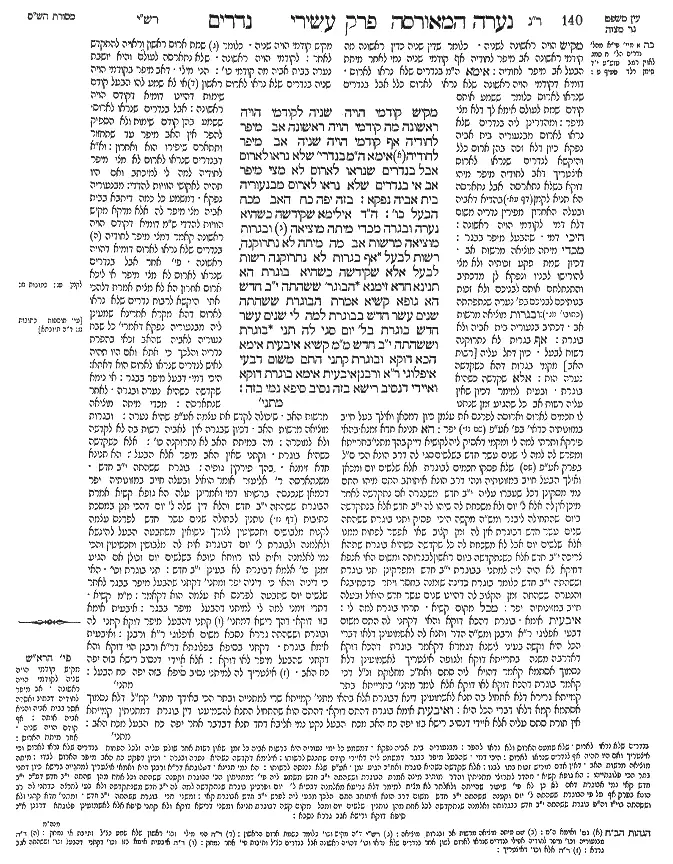
Nedarim 70b - Guemara
מקיש קודמי הויה שניה לקודמי הויה ראשונה מה קודמי הויה ראשונה אב מיפר לחודיה אף קודמי הויה שניה אב מיפר לחודיה אימא ה"מ בנדרי' שלא נראו לארוס אבל בנדרים שנראו לארוס לא מצי מיפר אב אי בנדרים שלא נראו לארוס מבנעוריה בית אביה נפקא בזה יפה כח האב מכח הבעל כו' ה"ד אילימא שקידשה כשהיא נערה ובגרה מכדי מיתה מוציאה ובגרות מוציאה מרשות אב מה מיתה לא נתרוקנה רשות לבעל אף בגרות לא נתרוקנה רשות לבעל אלא שקידשה כשהיא בוגרת הא תנינא חדא זימנא הבוגר' ששהתה י"ב חדש הא גופא קשיא אמרת הבוגרת ששהתה שנים עשר חדש בבוגרת למה לי שנים עשר חדש בוגרת בל' יום סגי לה תני בוגרת וששהתה י"ב חדש מ"מ קשיא איבעית אימא הכא דוקא ובוגרת קתני התם משום דבעי איפלוגי ר"א ורבנן איבעית אימא בוגרת דוקא ואיידי דנסיב רישא בזה נסיב סיפא נמי בזה
Comments from Rashi on Masechet Nedarim Page 70b
מקיש קודמי הויה שניה . כלומר שמת ארוס ראשון וראויה להתקדש לאחר: לקודמי הויה ראשונה . שלא נתארסה לעולם והיא יושבת נערה בבית אביה מה קודמי כו': הני מילי . דאב מיפר בקודמי הויה שניה בנדרים שלא נראו לארוס ראשון אי לא שמע להו הבעל קודם שימות דהיינו דומיא דקודם הויה ראשונה: אבל בנדרים שנראו לארוס . ששמע בהן קודם שימות ולא. הספיק להפר אין האב מיפר עד שתחזור ותתארס שיפירו הוא ואחרון: וא"א דבנדרים שנראו לארוס . לא מצי מיפר לחודיה למה לי למיכתב ואם היו תהיה לאקושי הוויות להדדי: מבנעוריה נפקא . דמשמע כל כמה דיתבא בבית אביה מצי מיפר לה אלא מדקא מקיש הוויות להדדי ש"מ דומיא דקודם הויה ראשונה קאמר דמצי מיפר לחודיה בנדרים שלא נראו לארוס דומיא דהויה ראשונה. פי' אחר אבל בנדרים שנראו לארוס לא מצי מיפר אי ליכא ארוס אחרון הא לא מצית אמרת דלהכי אתי היקשא לרבות נדרים שלא נראו לארוס דהא מקרא אחרינא שמעינן ליה מבנעוריה נפקא דאמרי' כל שבח נעוריה לאביה שהאב זכאי בהפרת נדריה והלכך כי אתא ואם היו תהיה לאיש לנדרים שנראו לארוס הוא דאתא: היכי דמי . דבעל מיפר בבגר: אי נימא שקדשה כשהיא גערה ובגרה . לאחר שנתארסה: מכדי מיתה מוציאה מרשות האב . שיכולה לקדש את עצמה אע"פ שהיא נערה: ובגרות מוציאה מרשות האב . דכיון שבגרה אין לאביה רשות בה לא לקדשה ולא למוכרה: מה במיתת האב לא נתרוקנה כו': אלא כשקדשה כשהיא בוגרת . וקתני כאין האב מיפר אלא הבעל: הא תנינא חדא זימנא . בהך פירקין גופיה: בוגרת ששהתה י"ב חדש . משנתארסה ר' אליעזר אומר הואיל ובעלה חייב במזונותיה יפר דכמאן שנכנסה ברשותו דמי ואמרינן עלה הא גופא קשיא אמרת הבוגרת ששהתה י"ב חדש והלא דין שלה ל' יום דהכי תנן במסכת כתובות (דף נז.) נותנין לבתולה שניש עשר חדש לפרנס עצמה לקנות מלבושים ותכשיטין לצורך נישואין משתבעה הבעל להינשא ולאלמנה ולבוגרת ל' יום דבוגרת אית לה מלבושין ותכשיטין והכי נמי לאלמנה ואית להו רווחא טובא בשלשים יום וכולן אם הגיע זמנן כו' אלמא דבוגרת לא בעינן י"ב חדש: תני בוגרת וכו' . האי כי דיניה והאי כי דיניה יפר ומתני' דקתני שהבעל מיפר בבגר לאחר שלשים יום שתבעה לפרנס את עצמה הוא דקאמר: מ"מ קשיא . דתרי זימני למה לי למיתני דהבעל מיפר בבגר: איבעית אימא בזו דוקא . דהך רישא דמתני' קתני דהבעל מיפר דוקא קתני לה ובוגרת וששהתה גררא נסבא משום איפלוגי ר"א ורבנן: ואיבעית אימא בוגרת . דקתני בסיפא בפלוגתא דר"א ורבנן הוי דוקא והא דקתני שהבעל מיפר לאו דוקא: אלא איידי דנסיב רישא בזה יפה כח האב . איצטריך לה למיתני נסיב סיפא בזה יפה כח הבעל:
Nedarim 70b - Mishnah translated into english
This verse juxtaposes the vows preceding her second instance of being betrothed, i.e., those that she took after her first husband’s death but before her second betrothal, to those vows preceding her first instance of being betrothed. Just as with regard to the vows preceding her first instance of being betrothed, her father nullifies them on his own, so too, with regard to those vows preceding her second instance of being betrothed, her father nullifies them on his own.
The Gemara asks: Say that this halakha that the father nullifies vows on his own after the death of the betrothed applies only to vows that were not disclosed to the betrothed, i.e., those that he did not have the opportunity to either ratify or nullify, but with regard to vows that were disclosed to the betrothed, the father cannot nullify them on his own.
The Gemara answers: If the verse is referring only to vows that were not disclosed to the betrothed, it would be unnecessary to teach that halakha, as that is derived from the words “being in her youth, in her father’s house” (Numbers 30:17). As long as the young woman is in her father’s house, even after the death of her betrothed, her father has the authority to nullify her vows.
§ The mishna states: In this matter, the power of the father is enhanced relative to the power of the husband. In another matter, the power of the husband is enhanced relative to the power of the father, as the husband nullifies vows during the woman’s adulthood, whereas the father does not nullify vows during her adulthood. The Gemara asks: What are the circumstances under which a husband can nullify his adult wife’s vows?
If we say that the mishna is referring to a case where he betrothed her when she was a young woman, and she took a vow, and then she reached majority, that cannot be the halakha: After all, both the death of her father removes her from the father’s authority and attaining her majority removes her from the father’s authority, so the halakha in the two cases should be the same. Just as with the death of the father, his authority does not revert to the husband and the woman’s betrothed cannot nullify her vows on his own, so too, upon attaining majority the authority the father possessed when she was a young woman does not revert to the husband.
Rather, it is referring to a case in which he betrothed her when she was a grown woman, and then she took a vow. The Gemara asks: Didn’t we already learn that on another occasion, in a later mishna that states (73b): With regard to a grown woman who waited twelve months after her betrothal and then requested that her betrothed marry her, Rabbi Eliezer says: Since her husband is already obligated to provide for her sustenance, as he is obligated to have married her by then, he can nullify her vows by himself, as if he were fully married to her.
The Gemara explains the cited mishna: This cited mishna is itself difficult: You said that a grown woman who waited twelve months is entitled to support. With regard to a grown woman, why do I need a twelve-month waiting period before her betrothed is obligated to marry her? For a grown woman, thirty days suffice for her to prepare what she needs for her marriage after she is betrothed. The Gemara answers: The mishna should be revised. Teach the mishna: A grown woman who waited thirty days and a young woman who waited twelve months.
The Gemara returns to the question: In any case, the fact that the mishna here teaches a halakha that is addressed in a different mishna is difficult. The Gemara answers: If you wish, say that the mishna here is actually the primary source of this halakha, and the reference to a grown woman is taught there because it wants to present how Rabbi Eliezer and the Rabbis disagree.
Alternatively, if you wish, say that the mishna that begins: A grown woman, is actually the source for this halakha. The mishna here repeats the halakha incidentally, since it needs to cite the first clause: In this matter the power of the father is enhanced relative to the power of the husband, therefore the mishna cites the latter clause as well, by writing: In this other matter, the power of the husband is enhanced relative to the power of the father.
Traduction : The William Davidson digital edition of the Koren Noé Talmud, with commentary by Rabbi Adin Even-Israel Steinsaltz.