 Talmud Bavli
Nedarim 30a : Youtube
Daf TubeYoutube
2 video classes :
Nedarim Page 30a
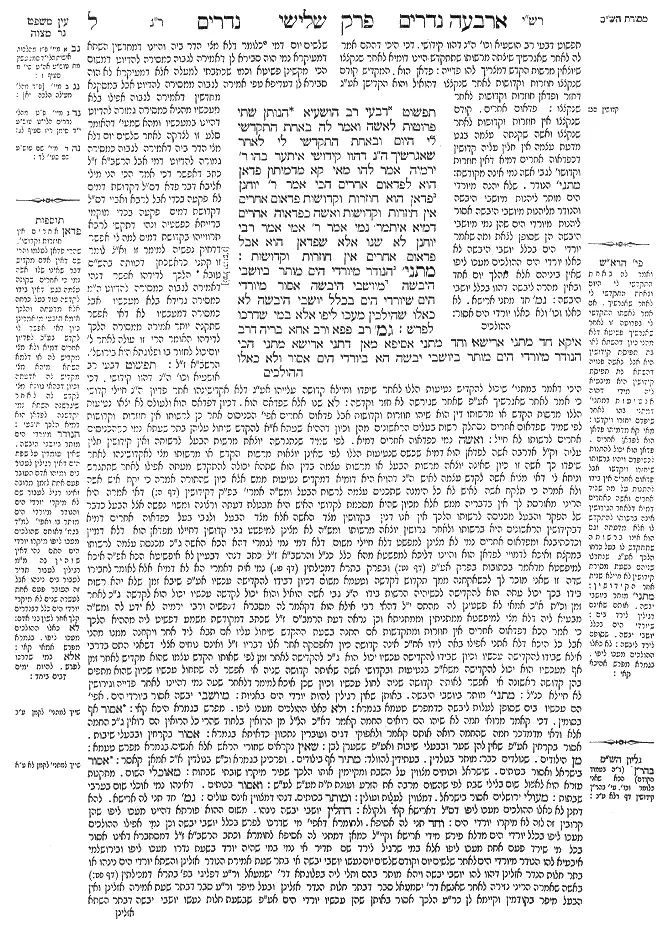
Nedarim 30a - Guemara
תפשוט דבעי רב הושעיא הנותן שתי פרוטות לאשה ואמר לה באחת התקדשי לי היום ובאחת התקדשי לי לאחר שאגרשיך הכי נמי דהוו קידושי איתער בהו רבי ירמיה אמר להו מאי קא מדמיתון פדאן הוא לפדאום אחרים הכי אמר רבי יוחנן פדאן הוא חוזרות וקדושות פדאום אחרים אין חוזרות וקדושות ואשה כפדאוה אחרים דמיא איתמר נמי אמר רבי אמי אמר רבי יוחנן לא שנו אלא שפדאן הוא אבל פדאום אחרים אין חוזרות וקדושות מתני׳ הנודר מיורדי הים מותר ביושבי היבשה מיושבי היבשה אסור מיורדי הים שיורדי הים בכלל יושבי היבשה לא כאלו שהולכין מעכו ליפו אלא במי שדרכו לפרש גמ׳ רב פפא ורב אחא בריה דרב איקא חד מתני ארישא וחד מתני אסיפא מאן דתני ארישא מתני הכי הנודר מיורדי הים מותר ביושבי יבשה הא ביורדי הים אסור ולא כאלו
Comments from Rashi on Masechet Nedarim Page 30a
תפשוט דבעי רב הושעיא וכו' ה"נ דהוו קידושי . דכי היכי דהתם אמר לה לאחר שאגרשיך שיצתה מרשותו שתתקדש הייני דומיא לאחר שנקצצו שיוצאין מרשות הקדש דמצריך להו פדייה: פדאן הוא . המקדיש קודם . שנקצצו חוזרות וקדושות לאחר שנקצצו דהואיל והוא הקדישן אע"ג דחזר ופדאן חוזרות וקדושות לאחר שנקצצו: פדאום אחרים . קודם שנקצצו אין חוזרות וקדושות לאחר שנקצצו ואשה שקנתה עצמה בגט מדעת עצמה אין חלין עליה קדושין דכפדאוה אחרים דמיא דאין חוזרות וקדושו' לגבי אשה נמי אינה מקודשת: מתני' הנודר . שלא יהנה מיורדי הים מותר ליהנות מיושבי היבשה והנודר מליהנות מיושבי היבשה אסור ליהנות מיורדי הים שהן נמי מיושבי היבשה הן שסופן לצאת ומה שאמר יורדי הים בכלל יושבי היבשה לא כאלו יורדי הים ההולכים מעכו ליפו שאין ביניהם אלא מהלך יום אחד ובאין מהרה ליבשה דהוו בכלל יושבי היבשה: גמ' חד מתני ארישא . לא כאלו וכו' ולא כאלו יורדי הים אסור:
Comments from Tosafot - Nedarim 30a
פדאן אחרים אין חוזרות וקדושו' . שהרי פדאן לעצמו והרי שם דאין אדם מקדיש דבר שאינו שלו אשה נמי כי אחרים שקונה עצמה בגט דאין בידו לקדשה עוד בעל כרחה אלא מדעתה והלכך אימא תיבעי מי אמרינן כיון דאי אפשר לו לקדש בע''כ לפדיון אחרים דמיא ולא מצי מקדיש לה או דלמא השתא מיהא מצי מקדיש לה אדעתה וכיון דכהאי גוונא מצי לקדש לה לאחר שיגרשנה השתא נמי יקדשנה לפדאן הוא דמיא הלכך תיבעי: הנודר מיורדי הים מותר ביושבי היבשה . שאין עומדין על שפת הים דאין רגילין לעבור בים ומיהו אדם העובר פעם אחת לזמן מרובה ואינו רגיל לעבור שם לא מיקרי יורדי הים והנודר מיורדי הים מותר בו ואפי' למ''ד בגמ' דאותם שהולכים מעכו ליפו מיקרו יורדי הים התם נהי דאין שוהין בה מ''מ רגילין לעבור תדיר לעבור בים נינהו אבל זה העובר פעם אחת לעשרה שנים לא מיקרי . יורדי הים כלל דבנדרים הלך אחר לשון בני אדם: לא כאלו ההולכים מעכו ליפו . בגמרא מפרש אמאי קאי: אלא במי שדרכו לפרש . להיות ימים רבים ביחד:
Nedarim 30a - Mishnah translated into english
resolve the dilemma from here, as Rav Hoshaya asked: In the case of one who gives two perutot to a woman and says to her: With one of them be betrothed to me today and with one be betrothed to me after I divorce you, what is the halakha? Rav Hoshaya was uncertain whether the second betrothal is effective after the divorce. Bar Padda holds that if he redeems the consecrated saplings, they again become consecrated. Apparently, he holds that upon the redemption, the second consecration immediately goes into effect. From bar Padda’s opinion, one could say: So too, here, after the first marriage is ended by the bill of divorce, the second betrothal that was previously performed takes effect, and it should be a valid betrothal.
Rabbi Yirmeya, who had been dozing, woke up when he heard their conversation and said to them: For what reason are you comparing where he redeemed them to where others redeemed them? The halakhot are not similar. This is what Rabbi Yoḥanan said: If he redeemed the saplings, they become consecrated again, but if others redeemed them before they were cut they do not become consecrated again, since they are not in his possession anymore, and the case of a woman given a bill of divorce from her husband is considered as if others redeemed her. This is because upon divorce she is completely independent, and the second marriage can therefore take effect only with her consent. But if she refuses, the betrothal is not valid.
It was also stated that Rabbi Ami said that Rabbi Yoḥanan said: They taught only that bar Padda holds that the saplings become consecrated again when he redeemed them himself, but when others redeemed them they do not become consecrated again for he cannot consecrate them after they have been in the possession of others, and it no longer depends on his intent.
MISHNA: In the case of one who takes a vow that he will not derive benefit from seafarers, he is permitted to benefit from those who live on dry land. But if he takes a vow not to derive benefit from those who live on dry land, he is also prohibited from deriving benefit from seafarers, because seafarers are included within the category of those who live on dry land. The mishna now defines seafarers: Not like those that travel by ship from Akko to Jaffa, which is a short trip, but rather one who customarily departs [lefaresh] to distant locations, e.g., foreign countries.
GEMARA: With regard to the mishna’s definition of seafarers, there is a dispute between Rav Pappa and Rav Aḥa, son of Rav Ika. One teaches this statement with regard to the first clause of the mishna, and one teaches it with regard to the latter clause. The Gemara explains: The one who teaches it with regard to the first clause teaches it like this: One who takes a vow not to derive benefit from seafarers is permitted to derive benefit from those who live on dry land. But he is prohibited from deriving benefit from seafarers, and seafarers are not like those
Traduction : The William Davidson digital edition of the Koren Noé Talmud, with commentary by Rabbi Adin Even-Israel Steinsaltz.