 Talmud Bavli
The learning on the whole site is dedicated : L'ilui Nishmat יוסף בן מושה
The learning on the whole site is dedicated : L'ilui Nishmat אסתר בת חיים
The learning on the whole site is dedicated : L'ilui Nishmat Yechayahou ben Moche
Nedarim 28a : Youtube
Daf TubeYoutube
2 video classes :
Nedarim Page 28a
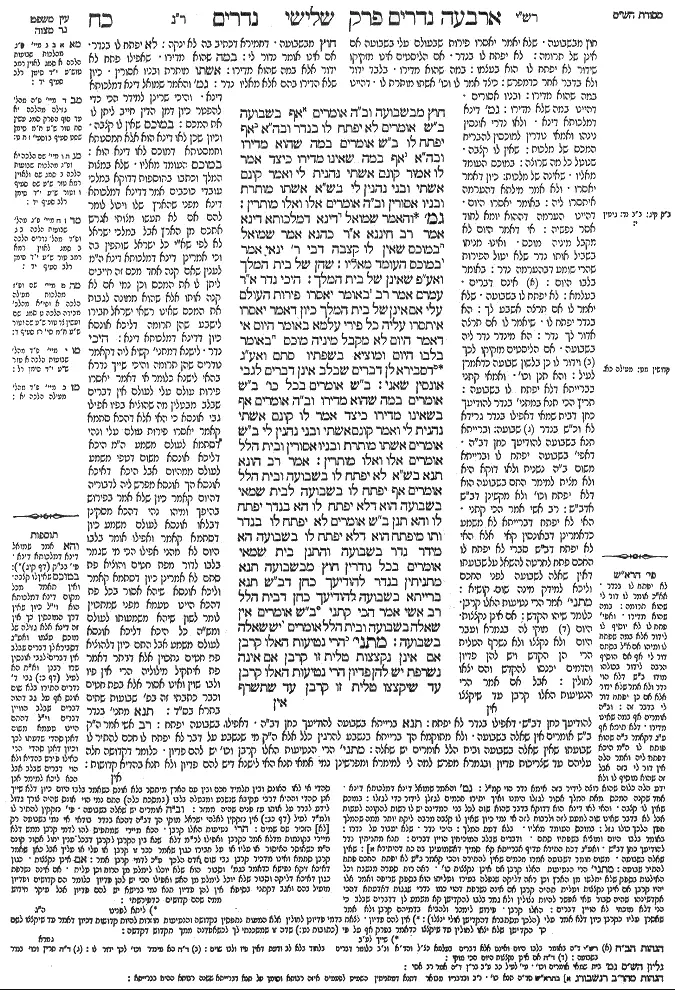
Nedarim 28a - Guemara
חוץ מבשבועה ובית הלל אומרים אף בשבועה בית שמאי אומרים לא יפתח לו בנדר ובית הלל אומרים אף יפתח לו בית שמאי אומרים במה שהוא מדירו ובית הלל אומרים אף במה שאינו מדירו כיצד אמר לו אמור קונם אשתי נהנית לי ואמר קונם אשתי ובני נהנין לי בית שמאי אומרים אשתו מותרת ובניו אסורין ובית הלל אומרים אלו ואלו מותרין:
גמ׳ והאמר שמואל דינא דמלכותא דינא אמר רב חיננא אמר רב כהנא אמר שמואל במוכס שאין לו קצבה דבי ר' ינאי אמר במוכס העומד מאליו:
שהן של בית המלך ואף על פי שאינן של בית המלך:
היכי נדר אמר רב עמרם אמר רב באומר יאסרו פירות העולם עלי אם אינן של בית המלך כיון דאמר יאסרו איתסרו עליה כל פירי עלמא באומר היום אי דאמר היום לא מקבל מיניה מוכס באומר בלבו היום ומוציא בשפתיו סתם ואף על גב דסבירא לן דברים שבלב אינם דברים לגבי אונסין שאני:
בית שמאי אומרים בכל וכו' בית שמאי אומרים במה שהוא מדירו ובית הלל אומרים אף בשאינו מדירו כיצד אמר לו קונם אשתי נהנית לי ואמר קונם אשתי ובני נהנין לי בית שמאי אומרים אשתו מותרת ובניו אסורין ובית הלל אומרים אלו ואלו מותרין:
אמר רב הונא תנא בית שמאי אומרים לא יפתח לו בשבועה ובית הלל אומרים אף יפתח לו בשבועה לבית שמאי בשבועה הוא דלא יפתח לו הא בנדר יפתח לו והא תנן בית שמאי אומרים לא יפתח לו בנדר ותו מיפתח הוא דלא יפתח לו בשבועה הא מידר נדר בשבועה והתנן בית שמאי אומרים בכל נודרין חוץ מבשבועה תנא מתניתין בנדר להודיעך כחן דבית שמאי תנא ברייתא בשבועה להודיעך כחן דבית הלל רב אשי אמר הכי קתני בית שמאי אומרים אין שאלה בשבועה ובית הלל אומרים יש שאלה בשבועה:
מתני׳ הרי נטיעות האלו קרבן אם אינן נקצצות טלית זו קרבן אם אינה נשרפת יש להן פדיון הרי נטיעות האלו קרבן עד שיקצצו טלית זו קרבן עד שתשרף
Comments from Rashi on Masechet Nedarim Page 28a
חוץ מבשבועה . שלא יאמר יאסרו פירות שבעולם עלי בשבועה אם אינן של תרומה: לא יפתח לו בנדר . אם הליסטים אינו מזקיקו שידור לא יפתח לו הוא בעצמו: במה שהוא מדירו . בלבד ידור ולא בדבר אחר כדמפרש: כיצד אמר לו וכו' אשתו מותרת לו . דהיינו במה שהוא מדירו: ובניו אסורים . דהיינו במה שלא מדירו: גמ' דינא דמלכותא דינא . ולאו נדרי אונסין נינהו ואמאי נודרין למוכסין להבריח המכס של מלכות: שאין לו קצבה . שנוטל כל מה שרוצה: במוכס העומד מאליו . שאינה של מלכות: כיון דאמר יאסרו . ולא אמר מילתא דהערמה איתסרו ליה: אי דאמר היום לא מקבל מיניה מוכס . ואינו מניחו בשביל אותו נדר שלא יטול הפירות שהרי שומע דבהערמה נדר: באומר בלבו היום: אינם דברים . בעלמא: לא יפתח לו בשבוע . שלא יאמר לו אם תרצה אשבע לך: הא בנדר יפתח לו . שיאמר לו אם תרצה אדור לך נדר: הא מינדר נדר ליה בשבועה . אם הליסטים מזקיקו לכך וידור לו כן בלשון שבועה כדאמרן לעיל: והא תנן וכו' . ואמאי קתני בברייתא דלא יפתח לו בשבועה: תריץ הכי תנא במתני' בנדר להודיעך כחן דבית שמאי . דאפילו בנדר גרידא לא וכ"ש בנדר שבועה: וברייתא תנא בשבועה להודיעך כחן דב''ה . דאפי' בשבועה יפתח לו. וברייתא משום ב''ה נשנית ולאו דוקא היא ולא מצית למימר התם בשבועה הוא דלא יפתח וכו' ולא מקשינן דב''ש אדב''ש: רב אשי אמר הכי קתני . האי לא יפתח דברייתא לא משמע כדאמרינן דבאונסין קאי אלא האי לא יפתח דב"ש סברי לא יפתח לו החכם פתח לחרטה להשאל על שבועתו דאין שאלה לשבועה לפני החכם וליכא למידק מינה שום קושיא: מתני' אמר הרי נטיעות האלו קרבן . כלומר שיהו הקדש: אם אינן נקצצות . היום מוקי לה בגמרא ועבר היום ולא נקצצו ולא נשרף הטלית הרי הן הקדש ויש להן פדיון והדמים יכנסו להקדש והם יצאו לחולין: אבל אם אמר הרי הנטיעות האלו קרבן עדי שיקצצו אין להם פדיון . לעולם כל זמן שלא נקצצו ואין יוצאין לחולין אלא קדושות הן שהן בקדושת הגוף לעולם ואין להם תקנה עולמית שאפילו פדאן חוזרות וקדושות דכיון דאמר עד שיקצצו אין להם פדיון לעולם כל זמן שלא נקצצו משמע דלעולם יהיו קרבן עד שיקצצו:
Comments from Tosafot - Nedarim 28a
והא אמר שמואל דינא דמלכותא דינא . פי' בב''ק (דף קיג): במוכס שאין לו קצבה . ואין תאמר מכל מקום דינא דמלכותא הוא וי''ל כיון שאין דרך המוכסין כך אין זה דינא אלא גזילה של מוכס עצמו ואע''ג דסבירא לן דברים שבלב אין דברים לגבי אונסין שרו רבנן וא''ת הא לעיל (נדרים דף כ:) . גבי ד' נדרים התירו בלא שום אונס אף על גב דהוה דברים שבלב הוויין דברים וי''ל דהתם היינו טעמא משום דאנן סהדי שדעתו לכך וכיון דאנן סהדי הרי כאילו פירש בהדיא ולא הוי דברים שבלב אבל הכא ליכא למימר אנן סהדי אי לאו האונס ובין תלמיד חכם ובין עם הארץ מיתסר בלא אונס כשאמר בלבו היום כיון דלא שייך אנן סהדי וההיא דרבי עקיבא שנשבע ומבטלה בלבו (במסכת כלה) התם נמי הוי אונס שהיה צורך גדול לידע לברר על אותו עז פנים שהיה ממזר: וב''ה אומרים יש שאלה בשבועה . פי' נזקקין להתיר לו ולמ''ד לעיל (נדרים דף כב:) אין נזקקין לאלהי ישראל מוקי הך דב''ה דהכא בנדר בודאי אי נמי בשבועה רק [לא] הזכיר שם שמים: הרי נטיעות האלו קרבן . הכא מיירי שמתפיס להו לדמי קרבן ממש דלא מיירי בקונמות מדלא אמר כקרבן ואפילו לר''מ דלא שנא בין הקרבן לקרבן דבכל ענין יחול אסור קונם ה''מ כשאוסר האיסור או עליו או על חבירו כגון שאמר ככר זו קרבן או עלי או עליך אבל כאן שאמר קרבן סתמא ואינו מדכיר קרבן גבי שום אדם הלכך ע''כ לדמי קרבן אמר: אם אינן נקצצות . כגון דאיכא זיקא נפישא כדאמר בגמ' וסבור הוא שלא יוכלו לימלט מן הרוח וכן טלית זו אם אינה נשרפת כגון דאיכא דליקה וסבור שלא יוכל לימלט מן האש ואפילו הכי יש להן פדיון כלומר הם קדושים ופדיון מועיל בהם ואגב דקתני בסיפא אין להן פדיון תנא נמי ברישא יש להם פדיון אבל עיקר חידוש ממה שהם קדושים כדפירשתי:
Nedarim 28a - Mishnah translated into english
except for by taking of an oath, due to its more stringent nature. And Beit Hillel say: One may mislead them even by taking an oath.
Beit Shammai say: When negotiating with a robber, one should not initiate by taking a vow for him unless the robber does not believe his claim, in which case he may take a vow to reinforce his words. And Beit Hillel say: He may even initiate by taking a vow to him. Beit Shammai say: One may take a vow only about that which the robber compels him to take a vow but may not add to it. And Beit Hillel say: One may take a vow even about that which he does not compel him to take a vow.
The mishna explains the previous statement: How so? If the extortionist said to him that he should say: Benefiting from me is konam for my wife if the vow is not true, and he said: Benefiting from me is konam for my wife and my children, Beit Shammai say: His wife is permitted to benefit from him, since the extortionist demanded that he take that vow, but his children, whom he added of his own accord, are prohibited from benefiting from their father. And Beit Hillel say: Both these and those are permitted to benefit from him.
GEMARA: The Gemara asks, concerning the mishna’s statement that one may take a vow to tax collectors: But didn’t Shmuel say: The law of the kingdom is the law, i.e., there is a halakhic principle that Jews must obey the laws of the state in which they live? Since one must pay the tax determined by the kingdom, how did the Sages permit one to lie in order to avoid paying?
Rav Ḥinnana said that Rav Kahana said that Shmuel said: The mishna is referring to a tax collector who has no fixed amount for collection established by the kingdom, but rather collects the tax arbitrarily. Therefore, this case is not included in the law of the kingdom. A Sage of the school of Rabbi Yannai said: The mishna is referring to a tax collector who establishes himself as such independently and was not appointed by the kingdom.
§ The mishna states: He may also take a vow to them that his produce belongs to the house of the king, although it does not belong to the house of the king. The Gemara asks: How does he take a vow in this way? Rav Amram said that Rav said: This is a case where he said: The produce of the world should be forbidden to me if this produce does not belong to the house of the king.
The Gemara asks: Since he said that the produce of the world shall be forbidden to him, shouldn’t all the produce of the world be forbidden to him, as this produce did not belong to the house of the king? The Gemara answers: This is a case where he says: They shall be forbidden to me only today. The Gemara wonders: If he says: Today, the tax collector will not accept it as a vow, since it is not difficult to avoid eating produce for one day. Therefore, he may still be suspected of lying.
The Gemara answers: This is a case where he says: Today, in his heart but verbalizes the vow in an unspecified manner. And although we hold that unspoken matters that remain in the heart are not significant matters and are not taken into consideration, with regard to circumstances beyond one’s control it is different, and he is permitted to rely on the mental stipulation that he added in order to limit the duration of the prohibition effected by the vow.
§ The mishna states: Beit Shammai say that they may take a vow in such a case using every means of vowing except for an oath, while Beit Hillel say they may take a vow even using an oath. Beit Shammai say: One may vow only about that which the extortionist compels him to take a vow but may not add to it. And Beit Hillel say: One may take a vow even about that which he does not compel him to take a vow. How so? If the extortionist said to him that he should say: Benefiting from me is konam for my wife if the vow is not true, and he said: Benefiting from me is konam for my wife and my children, Beit Shammai say: His wife is permitted to benefit from him, since the extortionist demanded that he take that vow, but his children, whom he added of his own accord, are prohibited from benefiting from their father. And Beit Hillel say: Both these and those are permitted to benefit from him.
Rav Huna said that a Sage taught: Beit Shammai say that one may not initiate by taking an oath to him unless the extortionist does not believe his claim, and Beit Hillel say: He may even initiate by taking an oath to him. The Gemara asks: A precise analysis of the wording indicates that according to Beit Shammai it is only by taking an oath to him that one may not initiate, but one may initiate by taking a vow to him. Rav Huna asks: But didn’t we learn in the mishna that Beit Shammai say: He may not initiate by taking a vow to him?
Rav Huna asks another question: And furthermore, a precise analysis of the wording indicates that he may not initiate by taking an oath to him, but he may certainly vow with an oath if the tax collector insists on it; but didn’t we learn in the mishna that Beit Shammai say: They may take a vow in such a case using every means of vowing in order to mislead them except for by taking an oath, which indicates that one may not take an oath even if he does not initiate with one?
The Gemara resolves the contradiction: The mishna taught the halakha that pertains to a vow to convey to you the far-reaching nature of the opinion of Beit Shammai, who say that one may not initiate even with a vow. However, the baraita taught the halakha that pertains to an oath to convey to you the far-reaching nature of the opinion of Beit Hillel, who maintain that initiating even with an oath is permitted. It is apparent that according to Beit Shammai one may not initiate with a vow and may not take an oath at all. Therefore, the baraita cannot be used to infer Beit Shammai’s opinion concerning oaths.
Rav Ashi said the following to resolve the contradiction: This is what it is teaching: The baraita does not refer to a vow taken in the case of robbers or tax collectors. Rather, the dispute focuses on an entirely different topic: Beit Shammai say that there is no allowance for a request for dissolution of an oath, and the statement: He may not initiate, relates to a halakhic authority who seeks an opening to dissolve an oath. And Beit Hillel say there is an allowance for a request for dissolution of an oath.
MISHNA: If one sees his property in danger of being destroyed, and takes a vow stating, for example: These saplings are like an offering if they are not cut down, or: This garment is like an offering if it is not burned, these items are consecrated if the saplings remain standing or if the garment is not burned. In addition, they are subject to the possibility of redemption just as other items consecrated for maintenance of the Temple may be redeemed. But if one said: These saplings are like an offering until they are cut down, or: This garment is like an offering until it is burned,
Traduction : The William Davidson digital edition of the Koren Noé Talmud, with commentary by Rabbi Adin Even-Israel Steinsaltz.