 Talmud Bavli
Nedarim 16a : Youtube
Daf TubeYoutube
2 video classes :
Nedarim Page 16a
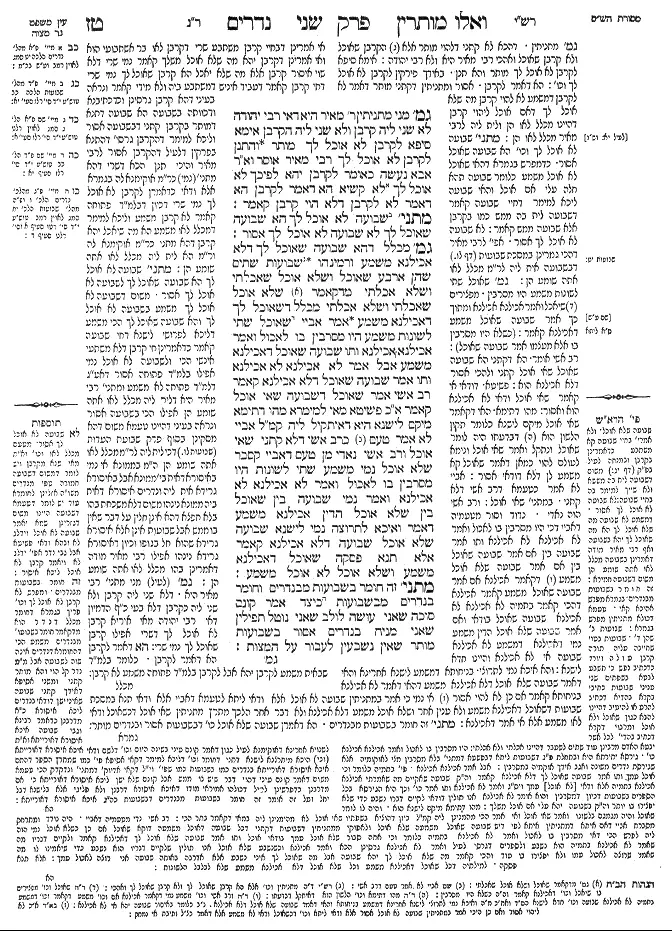
Nedarim 16a - Guemara
גמ׳ מני מתניתין רבי מאיר היא דאי רבי יהודה לא שני ליה קרבן ולא שני ליה הקרבן אימא סיפא לקרבן לא אוכל לך מותר והתנן לקרבן לא אוכל לך רבי מאיר אוסר ואמר רבי אבא נעשה כאומר לקרבן יהא לפיכך לא אוכל לך לא קשיא הא דאמר לקרבן הא דאמר לא לקרבן דלא הוי קרבן קאמר:
מתני׳ שבועה לא אוכל לך הא שבועה שאוכל לך לא שבועה לא אוכל לך אסור:
גמ׳ מכלל דהא שבועה שאוכל לך דלא אכילנא משמע ורמינהו שבועות שתים שהן ארבע שאוכל ושלא אוכל שאכלתי ושלא אכלתי מדקאמר שלא אוכל שאכלתי ושלא אכלתי מכלל דשאוכל לך דאכילנא משמע אמר אביי שאוכל שתי לשונות משמע היו מסרבין בו לאכול ואמר אכילנא אכילנא ותו שבועה שאוכל דאכילנא משמע אבל אמר לא אכילנא לא אכילנא ותו אמר שבועה שאוכל דלא אכילנא קאמר רב אשי אמר שאוכל דשבועה שאי אוכל קאמר אם כן פשיטא מאי למימרא מהו דתימא מיקם לישנא היא דאיתקיל ליה קא משמע לן אביי לא אמר טעם כרב אשי דלא קתני שאי אוכל ורב אשי נאדי מן טעם דאביי קסבר שלא אוכל נמי משמע שתי לשונות היו מסרבין בו לאכול ואמר לא אכילנא לא אכילנא ואמר נמי שבועה בין שאוכל בין שלא אוכל הדין אכילנא משמע דאמר ואיכא לתרוצה נמי לישנא שבועה שלא אוכל שבועה דלא אכילנא קאמר אלא תנא פסקה שאוכל דאכילנא משמע ושלא אוכל לא אוכל משמע:
מתני׳ זה חומר בשבועות מבנדרים וחומר בנדרים מבשבועות כיצד אמר קונם סוכה שאני עושה לולב שאני נוטל תפילין שאני מניח בנדרים אסור בשבועות מותר שאין נשבעין לעבור על המצות:
Comments from Rashi on Masechet Nedarim Page 16a
גמ' מתניתין . דהכא לא קתני דלהוי מותר אלא הקרבן שאוכל ולא קרבן שאוכל ואהכי רבי מאיר היא ולא רבי יהודה: אימא סיפא לקרבן לא אוכל לך מותר והא תנן . באידך פירקין לקרבן לא אוכל לך וכו': הא דאמר לקרבן . אסור ומתניתין דקתני מותר דאמר לא לקרבן דמשמע לא להוי קרבן מה שלא אוכל לך דאם אוכל ליהוי קרבן דהיינו מכלל לאו הן ולית ליה לרבי מאיר מכלל לאו הן: מתני' שבועה לא אוכל לך כו' הא שבועה שאוכל אסור . כדמפרש בגמרא דהאי שאוכל לא אוכל משמע כלומר שבועה תהא חלה עלי אם אוכל והאי שבועה ליכא למימר דחיי שבועה קאמר דשבועה לית בה ממש כמו בקרבן אלא שבועה ממש קאמר: לא שבועה לא אוכל לך אסור . אפי' לרבי מאיר דהכי גמרינן במסכת שבועות (דף לו.) דבשבועה אית ליה לר"מ מכלל לאו אתה שומע הן: גמ' שאוכל שתי לשונות משמע היו מסרבין . מפצירים שיאכל ואמר אכילנא אכילנא ומתוך כך אמר שבועה שאוכל משמע דאכילנא קאמר: (כשלא היו מסרבין בו אלא מעצמו אמר שבועה שאוכל): רב אשי אומר . הא דקתני הא שבועה שאוכל שאי אוכל קתני ולהכי אסור דלא אכילנא הוא: פשיטא . דודאי אי קאמר שאי אוכל ודאי לא אכילנא הוא ואסור: מהו דתימא . האי דקאמר שאי אוכל מיקם לישנא כלומר תקון הלשון הוא דבדעתו היה לומר שאוכל ונתקל ואמר שאי אוכל ונימא לעולם להוי כמאן דאמר שאוכל קא משמע לן דלא דודאי אסור: אביי לא אמר כטעמא דרב אשי דלא קתני . במתני' שאי אוכל: ורב אשי הוה נאדי . נדוד וסור מטעמיה דאביי דכי היו cסרבין בו לאכול ואמר לא אכילנא לא אכילנא ותו אמר שבועה בין אם אמר שבועה שאוכל בין אם אמר שבועה שלא אוכל משמע דקאמר אכילנא אם אמר שבועה שאוכל משמע קאמר אכילנא דהכי קאמר בתמיה לא אכילנא לא אכילנא שבועה שאוכל בודאי ואם אמר שבועה שלא אוכל הדין משמע נמי דאכילנא דמשמע לא אכילנא שבועה אי לא אכילנא והיינו חדא לישנא: והא איכא נמי לתרוצי . בניחותא דמשמע לישנא אחרינא והאי דאמר שבועה שלא אוכל דלא אכילנא משמע דהאי דאמר לא אכילנא בניחותא קאמר אם כן לא להוי אסור אי נמי כי אמר במתניתין שבועה לא אוכל אלא ודאי ליתא לטעמא דאביי אלא ודאי תנא במסכת שבועות דשאוכל דאכילנא משמע ולא ענין אחר ושלא אוכל משמע דלא אכילנא ולא דבר אחר הלכך מתרץ מתניתין שאי אוכל דכשאוכל ודאי לאו משמע אלא אי אמר דאכילנא: מתני' זה חומר בשבועות מבנדרים . הא דאמרן שבועה שלא אוכל כו' דבשבועות אסור ובנדרים מותר:
Comments from Tosafot - Nedarim 16a
לא שבועה לא אוכל לך אסור . מטעם מכלל לאו וכו' וא''ת מאי שנא מקרבן ויש לומר דמשום דשבועה חמורה טפי מנדרים משו''ה אזלינן לחומרא עוד יש לומר דטעמא דשבועה היינו משום דגזרינן שמא יאמר שבועה לא אוכל וידלג לא ובהא ודאי פשיטא אבל גבי נדר אפי' ידלג לא ויאמר קרבן לא אוכל ליכא איסור: זה חומר בשבועות מבנדרים . ומפרש לא קרבן לא אוכל לך וכו' פריך בגמרא דחומר מכלל דנדר הוא מדקאמר חומר בשבועו' מבנדרים משמע הכי דהחומרא דנדרים אינה שוה לשבועה אבל מ''מ נדר קל הוי והא מותר קתני ומשני אסיפא דאידך קתני שבועה שאיני ישן דודאי בנדרים ליכא איסורא כ''א מדרבנן כדאמר רבינא וגבי שבועה איכא איסורא דאורייתא וא''ת לשנויא אחרינא דאוקימנא לעיל כגון דאמר קונם עיני בשינה היום וכו' דלשם ודאי איכא איסורא דאורייתא (וכי) היכא מיתרצנא לישנא דתני דחומר וכו' דליכא למימר דקאי אסיפא פי' כמו שמתרץ הספר דהתם איכא איסורא דאורייתא בנדרים כמו בשבועות כמו שפי' וי''ל דקאי אדיוק' דמתני' ונדקדק הכי טעמא משום דאמר קונם עיני דהוי דבר שיש בו ממש אבל קונם שלא ישן ליכא איסורא דאורייתא כי אם מדרבנן כדפרשינן לעיל דכולהו אמוראי מודו דאיכא איסורא דרבנן ולא פליגי אלא בלישנא דבל יחל ועל זה אומר זה חומר בשבועות מבנדרים דבשבועות כה''ג איכא איסורא דאורייתא:
Nedarim 16a - Mishnah translated into english
GEMARA: Whose opinion is expressed in the mishna? It is apparently the opinion of Rabbi Meir. As, if it is the opinion of Rabbi Yehuda, there is a contradiction, because he does not differentiate whether one takes a vow by saying: An offering, and he does not differentiate whether he takes a vow by saying: This offering. In both cases the vow does not take effect, as he did not use the phrase: Like an offering. The mishna, by contrast, indicates that only a vow that is phrased: An offering that I will not eat of yours, or: This offering that I will eat of yours, does not take effect. If it is phrased: An offering I will eat of yours, it takes effect, as it indicates that his eating will be like an offering.
The Gemara continues its analysis: Say the latter clause of the mishna: If he says: That which I will not eat of yours is not an offering, the food is permitted. The Gemara asks: But didn’t we learn in a mishna (13a) that if one said: That which I will not eat of yours will be for an offering [lekorban], Rabbi Meir forbids the food to him? And Rabbi Abba said that it is rendered as one who says: Your food will be to me for an offering; therefore, I will not eat of yours. The mishna appears to be incompatible with the opinion of Rabbi Meir as well.
The Gemara answers that this is not difficult. That mishna is referring to one who said: For an offering [lekorban], and the vow therefore takes effect. This mishna is referring to one who said: Not for an offering [la lekorban], where he is saying that it should not be an offering, and therefore the vow does not take effect.
MISHNA: If one says: An oath that I will not eat of yours, or: This is an oath that I will eat of yours [she’okhal lekha], or: Not an oath that I will not eat of yours, the food is forbidden.
GEMARA: By inference from the mishna, it may be derived that the statement: This is an oath that I will eat of yours, indicates that I will not eat. And the Gemara raises a contradiction from a mishna (Shevuot 19b): There are two basic types of oaths that are in fact four: An oath that I will eat, and: That I will not eat; an oath that I ate, and: That I did not eat. From the fact that the mishna states: That I will eat, in contradistinction to: That I will not eat; that I ate, and in contradistinction: That I did not eat, it may be derived by inference that an oath that I will eat of yours [she’okhal lekha] indicates: An oath that I will eat. This contradicts our mishna.
Abaye said: The phrase: That I will eat [she’okhal], indicates two expressions, depending on the context in which it is used. How so? If they were importuning [mesarevin] him to eat, and he said: I will eat, I will eat, and he furthermore said: An oath that I will eat [she’okhal], it indicates: That I will eat. However, if he said: I will not eat, I will not eat, and he furthermore said: An oath that I will eat [she’okhal], he is saying: That I will not eat. The oath is intended to reinforce his refusal to eat.
Rav Ashi said that the phrase: That I will eat [she’okhal], cited in the mishna with regard to an oath, is actually saying that he said: That I will not eat [she’i okhal]. The Gemara asks: If so, the prohibition is obvious, as he explicitly took an oath not to eat. What is the purpose of stating this halakha? The Gemara answers: Lest you say that he blundered in properly upholding the wording, i.e., he mispronounced the vow, as his intention was to say: An oath that I will eat [she’okhal], the mishna teaches us that he meant that he will not eat.
Abaye did not state the reason for the ruling of the mishna that was stated by Rav Ashi, as the mishna does not teach the case of: That I will not eat [she’i okhal]. Rather, it teaches the case of that I will eat [she’okhal].
And Rav Ashi turned away [nadei] from the reason that Abaye stated, because he held that the phrase: That I will not eat, also indicates two expressions, depending on the context. For example, if they were importuning him to eat and he said: I will not eat, I will not eat, and subsequently he also said: An oath, then, in this case, whether the wording of the oath was: That I will eat, or: That I will not eat, this expression indicates that he is saying: I will eat. The statement: An oath that I will not eat, should be interpreted rhetorically in this context: Did I take an oath that I will not eat? Certainly I did not, as I will eat.
And there is also a way to interpret the expression: An oath that I will not eat, as indicating its straightforward meaning, i.e., that he is saying: An oath that I will not eat. Therefore, the mishna cannot be interpreted in this manner. Rather, the tanna in tractate Shevuot clearly established a principle: That I will eat, indicates that I will eat, and: That I will not eat, indicates I will not eat. Therefore, the correct version of the mishna must be: That I will not eat [she’i okhal].
MISHNA: This rule, that oaths can render actions, which do not have actual substance, either prohibited or obligatory, is a stringency of oaths vis-à-vis vows, which do not take effect with regard to matters that do not have actual substance. And there is also a stringency of vows vis-à-vis oaths. How so? With regard to one who said: Making a sukka is konam for me, or: Taking a lulav is konam for me, or: Donning phylacteries is konam for me, in the case of vows, the items are rendered forbidden, and he may not perform the mitzva until the vow is dissolved. However, in the case of similar oaths, these items are permitted, as one cannot take an oath to transgress the mitzvot.
Traduction : The William Davidson digital edition of the Koren Noé Talmud, with commentary by Rabbi Adin Even-Israel Steinsaltz.