 Talmud Bavli
The learning on the whole site is dedicated : L'ilui Nishmat Rav Chlomo Ben Jamilla
The learning on the whole site is dedicated : For the success of Elyahou ben H'anna & family
The learning on the whole site is dedicated : L'ilui Nishmat Yaakov ben Myriam
Nedarim 4a : Youtube
Daf TubeYoutube
2 video classes :
Nedarim Page 4a
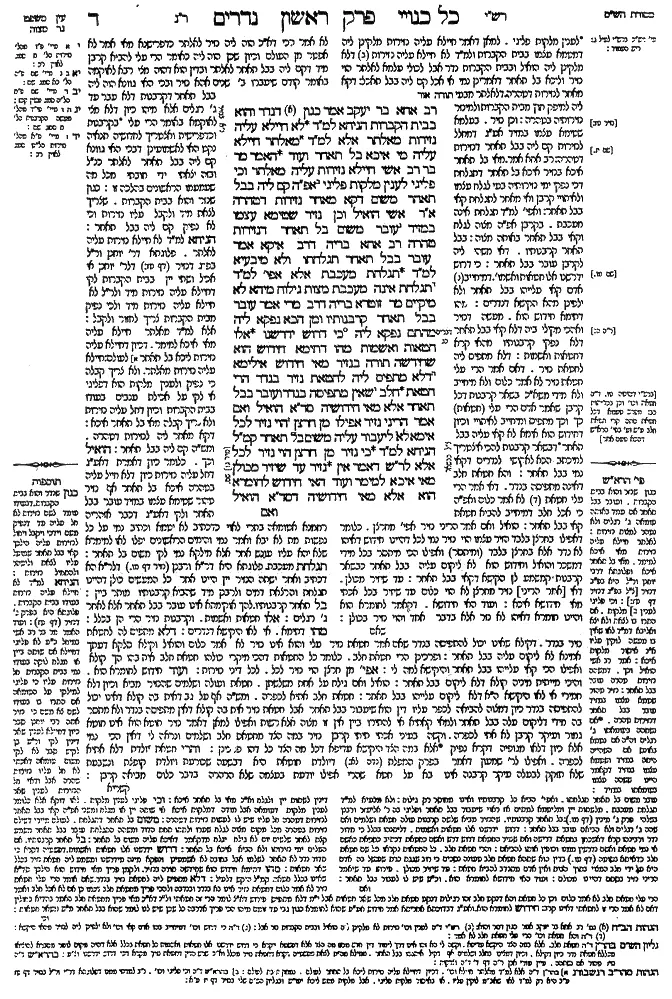
Nedarim 4a - Guemara
רב אחא בר יעקב אמר כגון דנדר והוא בבית הקברות הניחא למ''ד לא חיילא עליה נזירות מאלתר אלא למ''ד מאלתר חיילא עליה מי איכא בל תאחר ועוד האמר מר בר רב אשי חיילא נזירות עליה מאלתר וכי פליגי לענין מלקות פליגי אפ''ה קם ליה בבל תאחר משום דקא מאחר נזירות דטהרה א''ר אשי הואיל וכן נזיר שטימא עצמו במזיד עובר משום בל תאחר דנזירות טהרה רב אחא בריה דרב איקא אמר עובר בבל תאחר תגלחתו ולא מיבעיא למ''ד תגלחת מעכבת אלא אפי' למ''ד תגלחת אינה מעכבת מצות גילוח מיהא לא מיקיים מר זוטרא בריה דרב מרי אמר עובר בבל תאחר קרבנותיו ומן הכא נפקא ליה מהתם נפקא ליה (דברים כג:
כב) כי דרוש ידרשנו אלו חטאות ואשמות מהו דתימא חידוש הוא שחידשה תורה בנזיר מאי חידוש אילימא דלא מתפיס ליה לחטאת נזיר בנדר הרי חטאת חלב שאין מתפיסה בנדר ועובר בבל תאחר אלא מאי חידושיה סד''א הואיל ואם אמר הריני נזיר אפילו מן חרצן הוי נזיר לכל אימא לא ליעבור עליה משום בל תאחר קמ''ל הניחא למ''ד כי נזיר מן חרצן הוי נזיר לכל אלא לר''ש דאמר אין נזיר עד שיזיר מכולן מאי איכא למימר ועוד האי חידוש לחומרא הוא אלא מאי חידושיה דסד''א הואיל
Comments from Rashi on Masechet Nedarim Page 4a
לענין מלקות פליגי . למאן דאמר חיילא עליה נזירות מלקינן ליה דמטמא עצמו בבית הקברות ולמ"ד לא חיילא עליה נזירות דלא מלקינן ליה הואיל ובבית הקברות נדר אבל לכולי עלמא לאלתר הוי נזיר וליכא בל תאחר דאמרינן נמי אי אכל קם ליה בבל תאכל: דקא מאחר לנזירות דטהרה . דלאלתר מבעי ליה למיפק חוץ מבית הקברות ולמינזר נזירותיה בטהרה: וכן נזיר . בעלמא שטימא עצמו במזיד אע"ג דמחלל לנזירות קם ליה בבל תאחר דנזירות דטהרה: רב אחא אמר . מאי בל תאחר איכא בנזיר איכא בל תאחר דתגלחת דכי נפקי ימי נזירותיה בעי לגלח עצמו ולאיתויי קרבן ואי מאחר לתגלחת קאי בבל תאחר: ואפי' למ"ד תגלחת אינה מעכבת . בקרבן אפ"ה מצוה לגלח וקאי בבל תאחר באותה מצוה: בבל תאחר קרבנותיו . דאי משהי ליה לקרבן עובר בבל תאחר: כי דרוש ידרשנו אלו חטאות ואשמו' . דמיחייב אדם קאי עלייהו בבל תאחר ולא ילפינן מהא הקישא דנדרים: מהו דתימא חידוש הוא . מעשה דנזיר אהכי מקילי ביה דלא קאי בבל תאחר דלא נפקי קרבנותיו מהאי קרא דחטאות ואשמות: דלא מתפיס ליה לחטאת נזיר . דאם אמר הרי עלי חטאת נזיר לא אמר כלום ולא מיחייב ולא מידי משא"כ בשאר קרבנות דכל קרבן שאמר אדם הרי עלי (חטאות) כך וכך מתפיס ומיחייב לאיתויי וכיון דחידוש הוא אימא לא קאי עליה בבל תאחר. דבשאר קרבנות להכי איצטריך למיכתב הכא לאקושי לנדרים דקאי נמי בבל תאחר: והא חטאת חלב דאינה מתפיסה בנדר . דאי אמר הרי עלי חטאת לא אמר כלום ואפ"ה כי אכל חלב דמיחייב להביא חטאת קאי בבל תאחר: הואיל ואם אמר הריני נזיר אפי' מחרצן . כלומר דאפילו בחרצן בלבד הזיר עצמו הוי נזיר נמי לכל דהיינו חידוש דאיהו לא נדר אלא בחרצן בלבד (ומיתסר) ואפילו הכי מיתסר בכל מידי דמשכר והואיל וחידוש הוא לא ליקום עליה בבל תאחר כבשאר . קרבנות קמשמע לן הקישא דקאי בבל תאחר: ער שיזיר מכולן . דאי [אמר הריני] נזיר מחרצן לא הוי כלום עד שיזיר בכל אכתי מאי חידושא איכא: ועוד האי חידושא . דקאמר לחומרא הוא והיינו חומרא דאיהו לא נזר אלא בדבר אחד והוי נזיר בכולן:
Comments from Tosafot - Nedarim 4a
כגון שנדר והוא בבית הקברות . דבעודו עומד לשם נזירות לא חל עליה עד דנפיק משם . וידכי ויקבל ויחול לנזירות עליה הילכך קאי בבל תאחר שמוטל עליו לצאת וליטהר ולהתחיל נזירות: הניחא למ''ד לא חיילא עליה נזירות בעודו בבית הקברות . פלוגתא היא בפרק ג' דנזיר (דף טז): ועוד האמר מר בר רב אשי במיחל כ''ע לא פליגי דחיילא אם שותה ביין או מגלח לוקה בעודו נמי בבית הקברות חל נזירות עליו כי פליגי למילקי על הטומאה אם התרו בו בעודו לשם צא משם כי נזיר אתה רבי יוחנן סבר כיון דחיילא לענין שאר דינין לקי ור''ש בן לקיש סבר לא לקי משום טומאה דאכתי לא חל עליו נזירות טהרה אבל ודאי חל הנזירות לענין שאר דינין לשתות יין ולגלח וא''כ מאי בל תאחר איכא: וכי פליגי לענין מלקות . לאו דוקא אלא כלומר לענין מלקות דטומאה אבל מודה דמלקות איכא אי שותה יין או מגלח ומשני אפ''ה קאי בבל תאחר לנזירות דטהרה חל עליו שיש לו לעשות נזירות דטהרה: משום בל תאחר דתגלחת . לעולם מיירי דשילם נזירות בטהרה מכל מקום מצוה לגלח שערו ולתתו תחת הדוד ומשהה התגלחת עובר בבל תאחר משמע קצת לאחר שלשים יום לא גילח יגלח מדקאמר דאיכא עליה משום בל תאחר: בל תאחר קרבנותיו . אם השלים ימי נזירותו ולא הביא איכא בל תאחר: דרוש ידרשנו אלו חטאות ואשמות . דפשטיה דקרא כי תדור נדר לא תאחר לשלמו אבל בחובה לא אשמעינן ונפקא מינה מידרשנו ומשמע ליה חטאת נזיר בכלל שאר חטאות: דלא מתפיס ליה לחטאת נזיר בנדר . שאם אומר הרי עלי חטאת נזיר לא אמר כלום דחטאת נזיר אינו בא בנדר ובנדבה ולהכי פריך מחטאת חלב דכמו כן אם לא אכל חלב ואמר הרי עלי חטאת חלב לא אמר כלום וכן כל חטאת והא דנקט חלב זהו רגילות דנקט חטאת חלב מכל שאר חטאות אבל י''מ דלא מתפיס פירוש דא''צ לומר הרי זה חטאתי ול''נ דא''כ מאי פריך מחטאת חלב האמר בהדיא בחולין דאם לא אמר הרי זו לחטאתי דאינו קרב: חידוש לחומרא הוא . ואע''ג דבדוכתא אחריתא אמר חידוש אע''פ שהוא לחומרא כגון גבי עד זומם מיהו הכי פריך אדרבה כל שכן שיש לנו לומר שהוא בבל תאחר מ''ש משאר חטאות:
Nedarim 4a - Mishnah translated into english
Rav Aḥa bar Ya’akov said: The prohibition against delaying applies to a nazirite in a case where one vowed to become a nazirite while he was in a cemetery. Since it is prohibited for a nazirite to be in a cemetery, his term of naziriteship does not come into effect until he leaves the cemetery and ritually purifies himself. If he delays this process, he prevents the vow from taking effect and thereby transgresses the prohibition against delaying.
The Gemara asks: This works out well according to the one who says that if one takes a vow of naziriteship while in a cemetery the naziriteship does not apply to him immediately. However, according to the one who said that the naziriteship applies to him immediately, is there a violation of the prohibition: You shall not delay? And furthermore, didn’t Mar bar Rav Ashi say that all agree that the naziriteship applies to him immediately and he need not repeat his vow of naziriteship when he leaves, and when they disagree it is only with regard to the matter of flogging, and it’s only about this that they disagree, i.e., whether the nazirite is flogged if he drinks wine or otherwise violates the prohibitions of a nazirite.
The Gemara answers: Even so, he is liable for violating the prohibition: You shall not delay, because by remaining in the cemetery he delays a naziriteship of ritual purity. Although the halakhot of naziriteship take effect upon him immediately, he is still obligated to fulfill a term of naziriteship in a state of ritual purity, and if he delays doing so, he violates the prohibition against delaying. Rav Ashi said: Since this is so, a nazirite who intentionally renders himself ritually impure violates the prohibition: You shall not delay, with regard to a naziriteship of ritual purity, as he thereby prevents himself from completing his naziriteship in a state of ritual purity on time.
Rav Aḥa, son of Rav Ika, stated another explanation of how the prohibition against delaying applies with regard to naziriteship: The nazirite is commanded to shave his hair at the conclusion of his term, and if he causes this shaving to be delayed, he violates the prohibition: You shall not delay, with regard to his shaving.
The Gemara adds: And this explanation is not necessary to say, i.e., it is obvious, according to the one who says that shaving is indispensable for a nazirite and he is subject to all the prohibitions of a nazirite until he shaves, but even according to the one who says that shaving is not indispensable and the halakhot of naziriteship are terminated for him immediately after he brings his offerings, at least it can be said that he does not fulfill the mitzva of shaving until he actually shaves, and therefore if he delays, he violates the prohibition against delaying.
Mar Zutra, son of Rav Mari, stated another explanation of how the prohibition against delaying applies to a nazirite vow: He transgresses the prohibition: You shall not delay, with regard to his offerings. When he completes his term as a nazirite he is obligated to bring certain offerings, and if he delays bringing them, he violates this prohibition.
The Gemara asks: Is this halakha, that the prohibition against delaying applies to a nazirite vow, derived from here, i.e., the juxtaposition of vows and naziriteship? It is derived from there, a different exposition based upon the verse: “When you shall take a vow…you shall not delay to pay it; for the Lord your God will surely require it of you” (Deuteronomy 23:22). Those items included in the phrase “will surely require it” are sin-offerings and guilt-offerings, including the sin-offering and guilt-offering of a nazirite.
The Gemara explains: The derivation based on the juxtaposition of vows and naziriteship is still necessary lest you say that these offerings are a novelty that the Torah innovated with regard to a nazirite and therefore their halakhot cannot be derived from halakhot of other offerings.
The Gemara asks: What is the novelty that the Torah introduced with regard to the nazirite? If we say it is that he cannot accept upon himself the sin-offering of a nazirite through a vow, i.e., if one who is not a nazirite says: I hereby vow to bring the sin-offering of a nazirite, his vow has no validity, this is not a unique halakha with regard to sin-offerings of a nazirite. There is also the case of the sin-offering of forbidden fat, i.e., a typical sin-offering that one brings when he inadvertently violates certain prohibitions, one of which is eating forbidden fat, which one cannot accept through a vow, as only one who has violated the prohibition may bring it; and nevertheless, one still transgresses the prohibition: You shall not delay, if he delays bringing the offering.
Rather, what is its novelty that makes the juxtaposition between vows and naziriteship necessary? It might enter your mind to say that since if he said: I am hereby a nazirite, even if he accepted upon himself only one of the prohibitions of a nazirite, e.g., the requirement to abstain from grape seeds, he is nevertheless a nazirite with regard to all aspects of naziriteship, therefore say that he does not transgress the prohibition: You shall not delay. Since this halakha is a novelty, perhaps the principles of vows do not apply. The verse therefore teaches us through the juxtaposition of vows and naziriteship that the prohibition against delaying applies even in this case.
The Gemara asks: This works out well according to the one who said that when one vows to be a nazirite from grape seeds he is a nazirite in all respects. However, according to the opinion of Rabbi Shimon, who said that he is not a nazirite unless he explicitly vows to be a nazirite in all respects, what is there to say? And furthermore, this novelty is stringent in that it renders the individual a nazirite even if he did not explicitly accept all of the halakhot of naziriteship. How could this novelty indicate that the prohibition against delaying does not apply in this case, which is a leniency, so that the juxtaposition would be necessary?
Rather, what is its novelty that makes the juxtaposition between vows and naziriteship necessary? It might enter your mind to say that since
Traduction : The William Davidson digital edition of the Koren Noé Talmud, with commentary by Rabbi Adin Even-Israel Steinsaltz.