 Talmud Bavli
Nedarim 91a : Youtube
Daf TubeYoutube
2 video classes :
Nedarim Page 91a
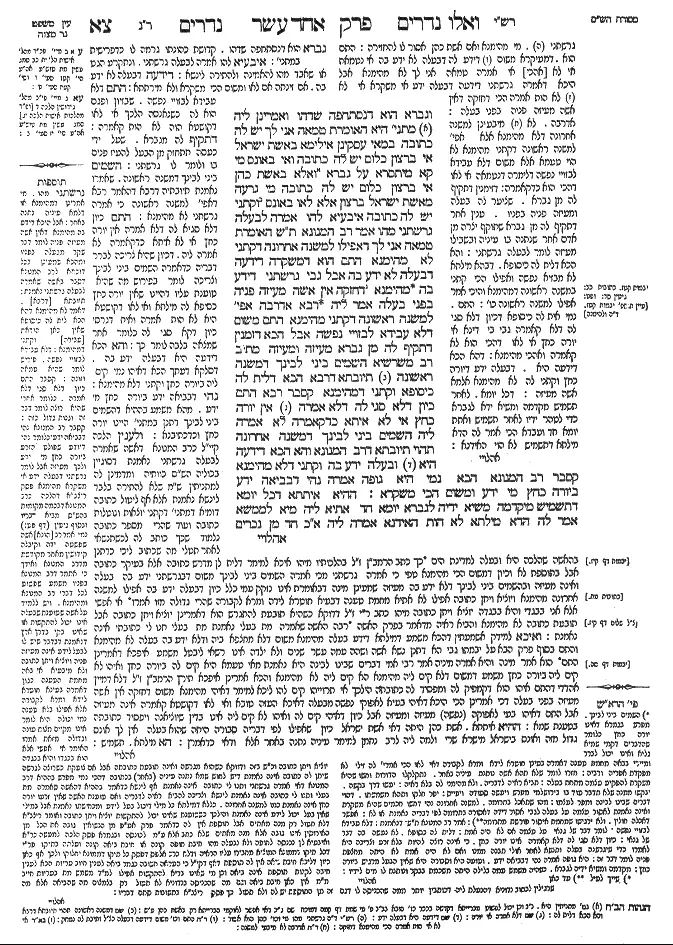
Nedarim 91a - Guemara
וגברא הוא דנסתחפה שדהו ואמרינן ליה מתני' היא האומרת טמאה אני לך יש לה כתובה במאי עסקינן אילימא באשת ישראל אי ברצון כלום יש לה כתובה ואי באונס מי קא מיתסרא על גברא ואלא באשת כהן אי ברצון כלום יש לה כתובה מי גרעה מאשת ישראל ברצון אלא לאו באונס וקתני יש לה כתובה איבעיא להו אמרה לבעלה גרשתני מהו אמר רב המנונא ת"ש האומרת טמאה אני לך דאפילו למשנה אחרונה דקתני לא מהימנא התם הוא דמשקרה דידעה דבעלה לא ידע בה אבל גבי גרשתני דידע בה מהימנא דחזקה אין אשה מעיזה פניה בפני בעלה אמר ליה רבא אדרבה אפי' למשנה ראשונה דקתני מהימנא התם משום דלא עבידא לבזויי נפשה אבל הכא דזמנין דתקיף לה מן גברא מעיזה ומעיזה מתיב רב משרשיא השמים ביני לבינך דמשנה ראשונה תיובתא דרבא הכא דלית לה כיסופא וקתני דמהימנא קסבר רבא התם כיון דלא סגי לה דלא אמרה אין יורה כחץ אי לא איתא כדקאמרה לא אמרה ליה השמים ביני לבינך דמשנה אחרונה תהוי תיובתא דרב המנונא והא הכא דידעה היא ובעלה ידע בה וקתני דלא מהימנא קסבר רב המנונא הכא נמי היא גופה אמרה נהי דבביאה ידע ביורה כחץ מי ידע ומשום הכי משקרא ההיא איתתא דכל יומא דתשמיש מיקדמה משיא ידיה לגברא יומא חד אתיא ליה מיא לממשא אמר לה הדא מילתא לא הות האידנא אמרה ליה א"כ חד מן נכרים
Comments from Rashi on Masechet Nedarim Page 91a
גרשתני . מי מהימנא ואם אשת כהן אסור לו להחזירה: התם הוא . דמעיקרא משום דידע לה דבעלה לא ידע בה אי נטמאת חי לא [אהכי] אי אמרה טמאה אני לך לא מהימנא אבל היכא דאמרה גרשתני דידעה דבעלה ידע אי משקרא אי לא לא הות אמרה הכי דחזקה דאין אשה מעיזה פניה בפני בעלה: אדרבה . לא מיבעינן למשנה אחרונה דלא מהימנא אלא אפי' למשנה ראשונה דקתני מהימנא לא הוי טעמא אלא משום דלא עבידא לבזויי נפשה דלימרה דנטמאה אי לאו דהכי הוא כדקאמרה: דזימנין דתקיף לה מן גברא . שציער לה בעלה ומעיזה פניה בפניו. ענין אחר דתקיף לה מן גברא שתוקף יצרה מן אדם אחר שנתנה בו עיניה ובשבילו מעיזה לומר לבעלה גרשתני: והא הכא דלית לה כיסופא . דבהא מילתא לא מבזיא נפשה ואפילו הכי קתני במשנה ראשונה דמהימנא והיכי אמר אפילו למשנה ראשונה כו': התם . נמי אית לה כיסופא דכיון דלא סגי לה דלא קאמרה גבי בי דינא אי יורה כחץ אי לאו דהכי הוא לא קאמרה ואהכי מהימנא: דהא הכא דידעה היא . דבעלה ידע דיורה כחץ וקתני לה לא מהימנא אלמא אשה מעיזה: דכל יומא . לאחר תשמיש מקדמה ומשיא ידא לגברא כדי לטהר ידיו לאחר תשמיש ואתת יומא חד ועבדא הכי אמר לה הדא מילתא דתשמיש לא הוי האידנא:
Comments from Tosafot - Nedarim 91a
גרשתני מהו . מי אמרינן דמהימנא או דלמא עיניה נתנה באחר: אבל היכא דידע בה מהימנא דאין אשה מעיזה פניה לומר דבר שקר מבעלה בפניו ומהכא שמעינן בכל דוכתא לרב המנונא דסבר באשה שאמרה לבעלה גרשתני נאמנת: דלא עבידא לבזויי נפשה . פירוש לומר שהיא טמאה וזונה: תיובתא [דרבא] . דאמר לא מהימנא דהא הכא לית לה כיסופא שאין כאן הודאת [עבירה] וקתני דמהימנא: קסבר התם כיון דלא סגי דלא אמרה . כלומר אחרי שהיא רוצה לומר דבר זה וגנות גדול כזה: קסבר רב המנונא נהי דבביאה ידע . כלומר נהי דיודע שפולט הזרע ביורה כחץ מי ידע ולכך מעיזה אבל לומר גרשתני דבעלה ידע אי משקרא מהימנא פסק ריצב''א דהלכה כרב המנונא דבכמה מקומות בהש''ס מביא דבריו ובסוף גיטין (דף פט:) נמי אמר רב [הונא] אשה שפשטה ידה וקיבלה קידושין מאחר מקודשת מדרב המנונא ואידך כי אתמר דרב המנונא בפניו משמע שפשוט לכל דברי רב המנונא ומהימנא . ויש ללמוד על אשה שטוענת שבעלה אינו יכול להתקשות או שאינו בקי בדרך ארץ דנאמנת דבדבר שיש לו לבעל לידע אינה מעיזה פניה ויוציא ויתן כתובה ולא מיבעיא אי באה מחמת הטענה כגון דאמרה בעינא חוטרא לידא ומרא לקבורה אלא אפילו בלא טענה נמי יכולה היא לומר אינו מקיים מצות עונה וגדולה מזאת אמרו האומר אי אפשי אלא הוא בבגדו והיא בבגדה יוציא ויתן כתובה וכ''ש בזה ודווקא כשהוא מגרשה ואינה תובעת כתובתה אבל אם צועקת כשרוצה לגרשה שיתן לה כתובה אינה נאמנת דיש לחוש שמא נתנה עיניה (באחר) בכתובה דהכי נמי מפרש בההיא דרב המנונא דאי אמרה גרשתני ותנו לי כתובה אינה נאמנת אף לינשא כדאמר בההיא דהאשה שאמרה מת בעלי ותנו לי כתובה אינה נאמנת לינשא וצריכה להביא ראיה לדבריה ואם טוענת האשה שאין זרעו יורה כחץ אינה נאמנת כמו למשנה אחרונה . כללא דמילתא כל מילי דיכול בעל לידע ומכחישתו נאמנת אבל במילי שאין בעל יכול לידע אינה נאמנת והילכך כשטוענת שאינו יכול להתקשות יוציא ויתן כתובה ואומר ריצב''א דלא תטול רק מנה מאתים אבל תוספת אין לה כדאמר פרק אע''פ מן הנשואין גובה את הכל מן האירוסין אינו גובה אלא מנה מאתים שלא כתב אלא ע''מ לכונסה ובגמרא פסק הלכה למעשה כר''א ואיבעיא לן נכנסה לחופה ולא נבעלה מהו חיבת חופה קונה או חיבת ביאה קונה ועלתה בתיקו פר''י דכל תיקו דממונא המוציא מחבירו עליו הראיה ודלא כרב אלפס דפסק כל תיקו דממונא יחלוקו ולכך אף כאן כיון דליכא חיבת ביאה אין לה תוספת דאף דקי''ל כי העראה חשובה כגמר ביאה לענין חיוב עריות הכא לענין חיבה לקנות תוספת אינה ביאה וכן מי שאינו בריא להתקשות אפילו למ''ד משמש מת בעריות חייב מ''מ אין כאן חיבת ביאה וגם מה שהכניסה בנדוניא לא תטול רק בצמצום מה שהביאה אלא מה שרגילין לכתוב נדוניא דהנעלת ליה דכותבין יותר ממה שהכניסה לו דגם זה מן התוספת יש לה ולא תטול כך פסק ריצב''א בתשובות סתם דבריו:
Nedarim 91a - Mishnah translated into english
And it is the man, her husband, whose field was flooded. In other words, like one whose field was flooded and destroyed, it is he who has suffered a natural disaster, as it is his status as a priest that forces him to divorce his wife. Therefore, she is entitled to receive payment of her marriage contract. And we said to Rava, in response to his question: The answer to your question is found in the mishna, which states: A woman who says to her husband: I am defiled to you, is entitled to receive payment of her marriage contract.
The Gemara analyzes the mishna: With what are we dealing? If we say the mishna is speaking of the wife of an Israelite, consider the following: If she claims that she engaged in sexual intercourse willingly, does she have any right to receive payment of her marriage contract? And if she says it was by force, i.e., she was raped, is she thereby forbidden to the man, i.e., her husband? But rather, the mishna must be referring to the wife of a priest. Again, what are the circumstances? If she claims that she engaged in sexual intercourse willingly, does she have any right to receive payment of her marriage contract? Is her law any less stringent than that of the wife of an Israelite who willingly engaged in sexual intercourse with another man? Rather, is it not that the sexual intercourse was by force? And the tanna teaches that she has a right to receive payment of her marriage contract. This answers Rava’s question.
§ A dilemma was raised before the Sages: If a woman said to her husband: You divorced me, what is the halakha? Is she believed or not? Rav Hamnuna said: Come and hear an answer to this question from what is stated in the mishna about a woman who says: I am defiled to you, that even according to the ultimate version of the mishna that teaches that she is not believed in her claim, it may be argued that it is only there that she is suspected of lying when she claims to have been defiled, as she knows that her husband does not know the truth about her. She is relating an incident that supposedly occurred in his absence. But concerning the claim: You divorced me, with regard to which he knows the truth about whether or not he actually divorced her, she is believed. Why? Because the court relies on the presumption that a woman is not brazen enough to lie in the presence of her husband and present a claim that he knows is patently false.
Rava said to him: On the contrary, even according to the initial version of the mishna that teaches that the woman is believed in her claim that she is defiled to her husband, it may be argued that it is only there that she is believed, because a woman would not demean herself by claiming she was raped if she were not telling the truth. But here, where it is sometimes hard for her under the authority of the man, i.e., her husband, she would be brazen to his face, and therefore the court does not believe her.
Rav Mesharshiyya raised an objection: Let the ruling of the initial version of the mishna, with regard to a woman who says: Heaven is between me and you, be a conclusive refutation of the opinion of Rava, as here she suffers no embarrassment on account of her claim, and yet the tanna teaches that she is believed. The Gemara answers: Rava maintains that there, since it is not sufficient for her if she does not state in precise detail her claim that he does not shoot like an arrow, i.e., his semen is not emitted forcefully, then, were it not as she said, she would not say it. She would be too ashamed to speak of such things before the court. It is for this reason that she is believed.
The Gemara further comments: Let the ruling of the ultimate version of the mishna, with regard to a woman who says: Heaven is between me and you, be a conclusive refutation of the opinion of Rav Hamnuna, who maintains that a woman who claims that her husband divorced her is believed. But here, as in the case of the alleged divorce, she knows and her husband also knows with regard to her whether or not she is lying, and yet the tanna of the mishna teaches that she is not believed.
The Gemara answers: Rav Hamnuna maintains that here too, the woman herself says in her heart: Though he may know whether or not we engaged in sexual intercourse, does he know whether or not he shoots like an arrow? And it is due to that reason that she lies. Since the woman can make a false claim against her husband without having to fear that he will contradict her, she is not believed. A similar point cannot be made in the case of an alleged divorce, as the husband knows whether or not he divorced his wife, and therefore a woman who claims that her husband divorced her is believed.
§ It is related that there was a certain woman, who on every day of engaging in sexual intercourse with her husband, would rise early in the morning and wash her husband’s hands. One day she brought him water to wash his hands, in response to which he said to her: This matter, i.e., sexual intercourse, did not occur now. She said to him: If so, it may be that one of the gentile
Traduction : The William Davidson digital edition of the Koren Noé Talmud, with commentary by Rabbi Adin Even-Israel Steinsaltz.