 Talmud Bavli
Nedarim 6a : Youtube
Daf TubeYoutube
2 video classes :
Nedarim Page 6a
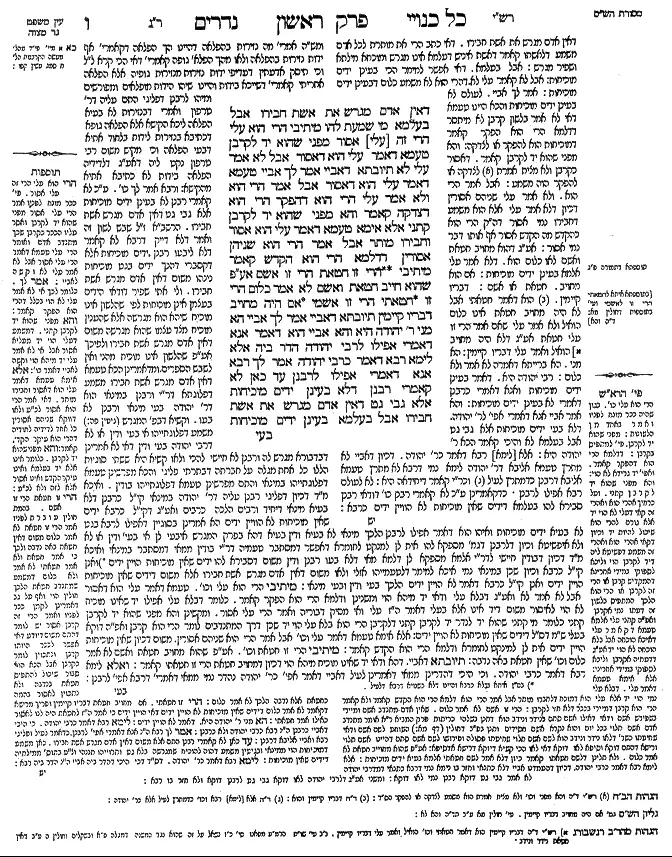
Nedarim 6a - Guemara
דאין אדם מגרש את אשת חבירו אבל בעלמא מי שמעת להו מיתיבי הרי הוא עלי הרי זה [עלי] אסור מפני שהוא יד לקרבן טעמא דאמר עלי הוא דאסור אבל לא אמר עלי לא תיובתא דאביי אמר לך אביי טעמא דאמר עלי הוא דאסור אבל אמר הרי הוא ולא אמר עלי הרי הוא דהפקר הרי הוא דצדקה קאמר והא מפני שהוא יד לקרבן קתני אלא אימא טעמא דאמר עלי הוא אסור וחבירו מותר אבל אמר הרי הוא שניהן אסורין דדלמא הרי הוא הקדש קאמר מיתיבי הרי זו חטאת הרי זו אשם אע''פ שהוא חייב חטאת ואשם לא אמר כלום הרי זו חטאתי הרי זו אשמי אם היה מחויב דבריו קיימין תיובתא דאביי אמר לך אביי הא מני ר' יהודה היא והא אביי הוא דאמר אנא דאמרי אפילו לרבי יהודה הדר ביה אלא לימא רבא דאמר כרבי יהודה אמר לך רבא אנא דאמרי אפילו לרבנן עד כאן לא קאמרי רבנן דלא בעינן ידים מוכיחות אלא גבי גט דאין אדם מגרש את אשת חבירו אבל בעלמא בעינן ידים מוכיחות
Comments from Rashi on Masechet Nedarim Page 6a
דאין אדם מגרש את אשת חבירו . דאי כתב הרי את מותרת לכל אדם משמע דלאשתו קאמר דאשת איניש דעלמא אינו מגרש ומוכחא מילתא ושפיר מגרש: אבל בעלמא . דאי אפשר למימר הכי בעינן ידים מוכיחות: אבל לא קאמר עלי לא . דהרי הוא לא משמע כלום דבעינן ידים מוכיחות: אמר לך אביי . לעולם לא בעינן ידים מוכיחות והכא היינו טעמא דאי לא אמר בלשון קרבן לא מיתסר דדלמא הרי הוא הפקר קאמר דמוכיחות הוא להפקר או לצדקה: והא מפני שהוא יד לקרבן קאמר . דאסור כקרבן ולא מצית אמרת לצדקה או להפקר הוה משמע: אבל אמר הרי הוא . ולא אמר עלי שניהם אסורין דכיון דלא אמר עלי אלא הוא משמע דחבירו נמי אסור דה"ק הרי הוא כהקדש מה הקדש אסור אף אותו דבר נמי אסור: אע"ג דהוא מחויב חטאת ואשם לאו כלום הוא . דלא אמר עלי אלמא בעינן ידים מוכיחות: אם הוא מחויב . חטאת או אשם: דבריו קיימין . הוא דאמר חטאתי אבל לא היה מחויב חטאת אינו כלום הואיל ולא אמר עלי שאם אמר הרי זו עלי חטאת אע"ג דלא היה מחויב הואיל ואמר עלי דבריו קיימין: הא מני . הא ברייתא דאמרה לא אמר ולא כלום: רבי יהודה היא . דאמר בעינן ידים מוכיחות ואנא דאמרי כרבנן דאמרי לא בעינן ידים מוכיחות: והא אמר אביי אנא דאמרי אפי' לר' יהודה . דלא בעי ידים מוכיחות אלא גבי גט אבל בעלמא לא והיכי קאמר הכא ר' יהודה היא: אלא [לימא] רבא דאמר כר' יהודה . דכיון דאביי לא מתרץ טעמא אליבא דר' יהודה לימא נמי דרבא לא מתרץ טעמא אליבא דרבנן כדמתרץ לעיל וכר"י קאמר דיחידאה היא: לא לעולם רבא אפילו לרבנן . כדקאמרינן ע"כ לא קאמרי רבנן כו' דודאי רבנן סבירא להו בעלמא דידים שאין מוכיחות לא הוויין ידים כרבא: לא לעולם רבא אפילו לרבנן . כדקאמרינן ע"כ לא קאמרי רבנן כו' דודאי רבנן סבירא להו בעלמא דידים שאין מוכיחות לא הוויין ידים כרבא:
Comments from Tosafot - Nedarim 6a
הרי הוא עלי הרי זה עלי אסור . פי' ככר מונח לפניו אמר הרי עלי אסור מפני שהוא יד לקרבן ואסר עליו הככר כקרבן שכך מתנדב אדם ואומר הרי עלי טעמא דאמר הרי עלי אסור אבל לא אמר עלי לא וקשה לאביי: אמר לך . כלומר לכך אי לא אמר עלי לא הוי בכלל דהרי הוא הפקר קאמר: והא מפני שהוא יד לקרבן קתני . דמשמע דעלי הוי יד מעליא אסור אבל אי לא אמר עלי יד מיהא הוי וקשה לאביי דאמר כו': והא מפני שהוא יד לקרבן . כלומר אינו אלא יד בעלמא ואינו עיקר הקדש ואינו אסור אלא לזה ולא לכ''ע: אלא אימא טעמא דאמר עלי הוא דאסור וחבירו מותר . דאי אמר הרי הוא אסור לכ''ע ולאו דווקא שניהם אסורין כל אחד לדידיה לחודיה דהרי הוא עיקר הקדש קאמר: הרי זו חטאת הרי זו אשם . בהמת חולין עוברת לפניו אמר הרי זו חטאת לא אמר כלום משום דאין חטאת באה נדבה ולכך כי אמר חטאת ולא אמר חטאתי לא אמר ולא כלום דמשמע שמתנדב חטאת הלכך חולין הוי ואף על גב דאמרינן לקמן ככר לפניו ואמר הרי זה קרבן אסור יש לומר דהתם משום דיודע דאי אפשר לככר היותו קרבן ונתכוין לומר כקרבן אבל הכא הוא סבור שיכול להתפיס חטאת בנדבה ולא נתכוין לאסור בהמה כחטאת אלא נדבה הלכך לא אמר כלום: הרי זו חטאתי . אם מחויב חטאת דבריו קיימין ופריך מרישא דקאמר לא אמר כלום דידים שאין מוכיחות לא הויין ידים דאי הויין ידים כי אמר ה''ז לחטאת היה לנו לאסור כאילו אמר חטאתי: הא מני ר' יהודה היא . דאמר לא הויין ידים: לימא רבא דאמר כרבי יהודה . כי היכי דאביי כרבנן ה''נ רבא כרבי יהודה ולא כרבנן: לימא רבא דאמר כר' יהודה . דס''ד דכי היכי דהדר ביה אביי ה''נ הדר ביה רבא: אמר לך רבא ה''נ אנא דאמרי אפי' לרבנן . כדאמר לעיל ופליגי רבא ואביי אליבא דרבנן: עד כאן לא קאמרי רבנן התם אלא משום דאין אדם מגרש אשת חבירו . כאן משמע דמוכיחות הוי ממינאי ובגיטין משמע דהוה להוכיח שמגרשה בלא גט ותרוייהו תננהי וצ''ע בתוס' ממילתיה דידים שאין מוכיחות:
Nedarim 6a - Mishnah translated into english
as a man does not divorce the wife of his fellow, so it is obvious that he is writing the bill of divorce to his wife. However, did you hear them state generally that ambiguous intimations are valid intimations?
The Gemara raises an objection based upon the following baraita: If one says with regard to an object lying before him: It is upon me, or: This is hereby upon me, it is forbidden, because it is an intimation that he is rendering the object forbidden to himself like an offering. This baraita indicates that the reason it is forbidden is that he specifically said: Upon me. However, if he did not say: Upon me, no, it is not forbidden, because this expression is an ambiguous intimation. This is a conclusive refutation of the opinion of Abaye, who holds that even ambiguous intimations are valid intimations.
The Gemara answers: Abaye could have said to you that the reason it is forbidden is that he specifically said: Upon me. However, if he said: It is hereby, and did not say: Upon me, his statement is not considered an intimation of a vow at all, as he could have been saying: It is hereby ownerless property, or: It is hereby charity. The Gemara asks: But the baraita teaches that the object is forbidden because his statement is an intimation that he is rendering the object forbidden to himself like an offering. With regard to consecrating an offering, even the statement: This is, without the additional phrase: Upon me, is considered an intimation. Nevertheless, the baraita indicates that if one does not say: Upon me, the vow does not take effect. This must be because an ambiguous intimation is not a vow.
Rather, say the following: The reason is that he specifically said: Upon me; consequently, he is prohibited from benefiting from the object, but another person is permitted to benefit from it. However, if he said: It is hereby, and did not add the expression: Upon me, both of them are prohibited from benefiting from it because perhaps he is saying: It is hereby consecrated property. In other words, there is concern that he may have actually consecrated the object rather than taking a vow that it is forbidden to him as though it were consecrated.
The Gemara raises an objection to this on the basis of the following baraita: If one says: This is hereby a sin-offering, or: This is hereby a guilt-offering, then even if he is liable to bring a sin-offering or guilt-offering he has said nothing, as this is an ambiguous intimation. However, if he said: This is hereby my sin-offering, or: This is hereby my guilt-offering, then if he was liable to bring that offering his statement takes effect, because this is an obvious intimation. This is a conclusive refutation of the opinion of Abaye.
The Gemara answers: Abaye could have said to you: In accordance with whose opinion is this baraita? It is in accordance with the opinion of Rabbi Yehuda, who holds that ambiguous intimations are not intimations. The Gemara asks: Wasn’t it Abaye who said: I say that ambiguous intimations are valid intimations even according to the opinion of Rabbi Yehuda? The Gemara answers: He retracted this statement and admitted that Rabbi Yehuda holds that ambiguous intimations are not valid intimations.
The Gemara asks: But shall we say that just as Abaye retracted his statement that his opinion can be stated even according to Rabbi Yehuda, Rava, who said that ambiguous intimations are not valid intimations, also retracted his initial statement and admitted that his opinion is only in accordance with the opinion of Rabbi Yehuda and is not in accordance with the opinion of the Rabbis?
The Gemara answers: Rava could have said to you: I say my statement even according to the opinion of the Rabbis. The Rabbis say that we do not require obvious intimations only with regard to a bill of divorce, as a man does not divorce the wife of his fellow, so it is obvious that he is writing the bill of divorce to his wife. However, generally we require obvious intimations.
Traduction : The William Davidson digital edition of the Koren Noé Talmud, with commentary by Rabbi Adin Even-Israel Steinsaltz.