 Talmud Bavli
The learning on the whole site is dedicated : L'ilui Nishmat אסתר בת חיים
The learning on the whole site is dedicated : L'ilui Nishmat Nissim ben Barukh Malka
The learning on the whole site is dedicated : L'ilui Nishmat Chemouel Eliezer ben Batcheva
Nedarim 10a : Youtube
Daf TubeYoutube
2 video classes :
Nedarim Page 10a
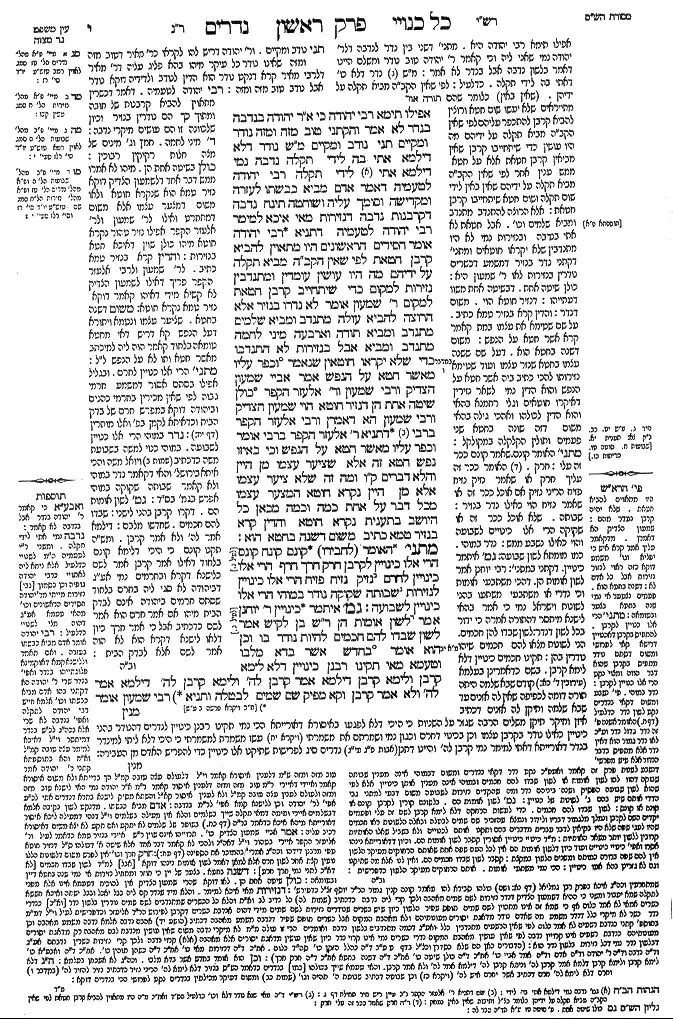
Nedarim 10a - Guemara
אפילו תימא רבי יהודה כי אמר רבי יהודה בנדבה בנדר לא אמר והקתני טוב מזה ומזה נודר ומקיים תני נודב ומקיים מאי שנא נודר דלא דילמא אתי בה לידי תקלה נדבה נמי דילמא אתי לידי תקלה רבי יהודה לטעמיה דאמר אדם מביא כבשתו לעזרה ומקדישה וסומך עליה ושוחטה תינח נדבה דקרבנות נדבה דנזירות מאי איכא למימר רבי יהודה לטעמיה דתניא רבי יהודה אומר חסידים הראשונים היו מתאווין להביא קרבן חטאת לפי שאין הקדוש ברוך הוא מביא תקלה על ידיהם מה היו עושין עומדין ומתנדבין נזירות למקום כדי שיתחייב קרבן חטאת למקום רבי שמעון אומר לא נדרו בנזיר אלא הרוצה להביא עולה מתנדב ומביא שלמים מתנדב ומביא תודה וארבעה מיני לחמה מתנדב ומביא אבל בנזירות לא התנדבו כדי שלא יקראו חוטאין שנאמר וכפר עליו מאשר חטא על הנפש אמר אביי שמעון הצדיק ורבי שמעון ורבי אלעזר הקפר כולן שיטה אחת הן דנזיר חוטא הוי שמעון הצדיק ורבי שמעון הא דאמרן ורבי אלעזר הקפר ברבי דתניא רבי אלעזר הקפר ברבי אומר וכפר עליו מאשר חטא על הנפש וכי באיזו נפש חטא זה אלא שציער עצמו מן היין והלא דברים קל וחומר ומה זה שלא ציער עצמו אלא מן היין נקרא חוטא המצער עצמו מכל דבר, על אחת כמה וכמה מכאן כל היושב בתענית נקרא חוטא והדין קרא בנזיר טמא כתיב משום דשנה בחטא הוא מתני׳ האומר (לחבירו) קונם קונח קונס הרי אלו כינויין לקרבן חרק חרך חרף הרי אלו כינויין לחרם נזיק נזיח פזיח הרי אלו כינויין לנזירות שבותה שקוקה נודר במוהי הרי אלו כינויין לשבועה:
גמ׳ איתמר כינויין רבי יוחנן אמר לשון אומות הן רבי שמעון בן לקיש אמר לשון שבדו להם חכמים להיות נודר בו וכן הוא אומר בחדש אשר בדא מלבו וטעמא מאי תקינו רבנן כינויין דלא לימא קרבן ולימא קרבן דילמא אמר קרבן לה' ולימא קרבן לה' דילמא אמר לה' ולא אמר קרבן וקא מפיק שם שמים לבטלה ותניא רבי שמעון אומר
Comments from Rashi on Masechet Nedarim Page 10a
אפילו תימא רבי יהודה היא . מתני' דשני בין נדר לנדבה דלר' יהודה נמי שאני ליה וכי קאמר ר' יהודה טוב נודר ומשלם היינו דאמר בלשון נדבה אבל בנדר לא אמר: מ"ש נדר דלא כו' דאתי בה לידי תקלה . כדלעיל: לפי שאין הקב''ה מביא תקלה על ידייהן . (שאין באין) כלומר שהם מתייראים שלא יעשו שום חטא ורוצין להביא קרבן להתכפר עליהם לפי שאין הקב''ה מביא תקלה על ידיהם מה היו עושין כדי שיתחייבו קרבן שאין מביאין קרבן חטאת אלא על חטא ממש ענין אחר לפי שאין הקב''ה מביא תקלה על ידיהם שאין באין לידי שום תקלה ושום חטא שיתחייבו קרבן חטאת: אלא הרוצה להתנדב מתנדב ומביא שלמים וכו' . אבל חטאת לא אתי בנדבה ובנזירות נמי לא היו מתנדבין שלא יקראו חוטאים ומתני' דקתני נדר בנזיר דמשמע דכשרים נודרין בנזירות לאו ר' שמעון היא: כולן שיטה אחת . דבשיטה אחת משוו דעתייהו: דנזיר חוטא הוי . משום דנדר: והדין קרא בנזיר טמא כתיב . על שם שטימא. את עצמו במת קאמר קרא אשר חטא על הנפש: משום דשנה בחטא הוא . דעל שם ששנה עצמו בחטא שנזר עצמו ועוד שטימא נזירותו להכי כתיב ביה אשר חטא על הנפש והוא הדין נמי לשאר נזירין דאיקרו חוטאים וגלי רחמנא בהאי והוא הדין לכולהו ואהכי גילה בהאי משום דזה שונה בחטא שני פעמים ותולין הקלקלה במקולקל: מתני' האומר קונם . שאמר קונם ככר זה עלי: חרק . האומר ככר זה עליך חרק או שאמר נזיק נזיח פזיח הריני נזיק אם אוכל ככר זה או שאמר נזיח הוי כאילו נדר בנזיר: שבותה . שלא אוכל ככר זה או שקוקה הרי אלו כינווים לשבועה והוי כאילו נשבע ממש: נדיר במוהי . כמו מומתא לשון שבועה: גמ' איתמר כינויין . דקתני במתני': רבי יוחנן אמר לשון אומות הן . דהכי משתבעי אומות וכי נדרי אז משתבעי משתעו בהני לשונות וישראל נמי כי אמר בהאי לישנא מיתסר דהתורה אמרה כי ידור בכל לשון דנדר: לשון שבדו להן חכמים . הני לשונות מצאו להם חכמים שיהו נודרין בהן: תקינו חכמים כינויין דלא לימא קרבן . בשם כדאמרינן בעלמא (עירובין ד' כא:) קודם שבא שלמה היתה תורה דומה לכפיפה שאין לה אזנים עד שבא שלמה ותיקן לה אזנים דכתיב איזן וחיקר תיקן משלים הרבה שגזר על השניות כי היכי דלא לפגעו באיסורא דאורייתא הכי נמי תקינו רבנן כינויין לנדרים דהנודר בהני כינויין כאילו נודר בקרבן עצמו וכן בכינוי דחרם וכגון נמי ושמרתם את משמרתי (ויקרא יח) עשו משמרת למשמרתי כי היכי דלא ליתי למינדר בנדר דאורייתא דאתי למימר נמי קרבן לה' והיינו דתנן (אבות פ"ג מי"ג) נדרים סיג לפרישות שתיקנו אלו כינויין כדי להפריש האדם מן העבירה:
Comments from Tosafot - Nedarim 10a
ואבע''א כי קאמר ר' יהודה בנדר אבל בנדבה לא קאמר: נדבה נמי אתי לידי תקלה . ומשני ר''י לטעמיה ה''מ לשנויי כדלעיל אלא ניחא ליה לאתויי כרבי יהודה גופיה וכן בסמוך [גבי] נזירות מייתי מר' יהודה חסידים הראשונים וכו' מהאי טעמא אע''ג דהוה מצי לשנויי כדלעיל: רבי יהודה אומר אדם מביא כבשתו בעזרה . ואם תאמר וללישנא קמא דאוקמינא פלוגתייהו בנדר ואפי' בנדר שרי ר' יהודה הא דקתני בהו אדם מביא כבשתו וכו' אלמא חייש רבי יהודה לתקלה ואפי' בנדבה לא שרי אלא בכה''ג לכ''ש בנדר דמיתסר וי''ל דאיכא למימר עצה טובה קמ''ל וא''ת והא בתוספתא קתני ר' יהודה אמר טוב מזה ומזה ש''מ דלענין איסורא קאמר וי''ל דלעולם עצה טובה קמ''ל הך ברייתא ולא משום איסורא קאמר ואיידי דאיירי ר''מ טוב מזה ומזה דלענין איסור קאמר ר''מ א''ר יהודה נמי האי לישנא טוב מזה ומזה ולעולם לענין עצה טובה קמ''ל ולא לענין איסור קא''ל והשתא מסיק לישנא בתרא דנדרים אתי לכ''ע אפי' לר' יהודה וכן ללישנא קמא אפי' לר''מ בנדבה: אדם מביא כבשתו . מדנקט לשון נקיבה אלמא דבשלמים איירי ותימה דמאי תקלה שייך בשלמים והלא אין מעילה בשלמים וי''ל דנהי דמעילה ליכא איסור דאורייתא מיהא איכא כדאמר בר''ה (דף כח .) בשופר של שלמים לא יתקע ואם תקע לא יצא משום דאיסורא רכיב עליה: אמר אביי שמעון הצדיק כו' . תרוייהו אינם שוין ר''ש איירי בנזיר טמא כדאמר לעיל ור' אליעזר הקפר איירי בטהור וי''ל דאה''נ ולהכי לא קאמר דבר אחד אלא שיטה א' דכולהו ס''ל דנזיר חוטא טפי מרבנן דידהו וכה''ג אמרי' בהמוכר את הספינה (דף עח:): כולן שיטה אחת הן . לאו דוקא שהרי שמעון הצדיק אין להוכיח דטעמא אינו אלא מפני שמתחרטין וכה''ג איכא בפרק רבן גמליאל (דף נא: ושם) כולהו סבירא להו מאמר קונה קנין גמור הר''ר יוסף זצ''ל כדפירש': דשנה בחטא . בצער של יין כי חוזר ומתחיל נזירות אי נמי שנה בחטא דיין ובטומאה: חרק חרך וכו' . אין לפרש משום דלשונות הללו נוטין קצת אחר לשון חרם אלא למאן דאמר לשון אומות נינהו דוקא [אבל] למ''ד לשון שבדו חכמים [לא דא''כ לתני נמי חרך חרט]: וכן הוא אומר בחדש אשר בדא מלבו . וכה''ג לא אשכחן בעלמא: ה''ג דלא לימא קרבן ולימא קרבן דלמא אמר קרבן לה' ונימא קרבן לה' דילמא אמר לה' ולא אמר קרבן . והאי טעמא שייך בכולהו [כמו] בנדרים כדאמר הש''ס בנזיר דלא לימא לה' הריני נזיר כדכתיב נזיר להזיר לה' (במדבר ו) וחרם דלא לימא לה' חרם דכתיב אשר יחרם איש לה' (ויקרא כז) וכן שבועה דכתיב שבועת ה' תהיה וגו' (שמות כב) ומשום דעיקר מכילתין בנדרים נקט לפרושי הכי בנדרים דוקא:
Nedarim 10a - Mishnah translated into english
Even if you say that the mishna is in accordance with the opinion of Rabbi Yehuda, it can be argued that when Rabbi Yehuda said that it is good to take a vow and fulfill it, he said it with regard to a gift offering, but he did not say it with regard to vows.
The Gemara asks: But isn’t the mishna teaching that according to Rabbi Yehuda, better than both this and that is one who vows [noder] and pays, which indicates that he says this even about vows? The Gemara answers: Teach the opinion of Rabbi Yehuda with the following, emended formulation: Better than both this and that is one who volunteers [nodev] a gift offering and pays it.
The Gemara asks: What is different about one who vows, i.e., one who says: It is incumbent upon me to bring an offering, which is not proper to do due to the concern that perhaps he will encounter a stumbling block and not bring it promptly, thereby violating the prohibition against delaying? One should also not designate a particular animal as a gift offering, due to the concern that perhaps he will encounter a stumbling block with it.
The Gemara answers: Rabbi Yehuda conforms to his standard line of reasoning, as he said explicitly in a baraita: A person brings his lamb to the Temple courtyard and consecrates it there, and immediately leans on it and slaughters it. Consequently, there is no concern that he will encounter a stumbling block.
The Gemara asks: That works out well with regard to voluntary gifts in the context of offerings, but with regard to the voluntary acceptance of naziriteship, what is there to say? There is still room for concern that one will not fulfill the obligations incumbent upon him as a nazirite.
The Gemara answers: Here, too, Rabbi Yehuda conforms to his standard line of reasoning, as it is taught in a baraita that Rabbi Yehuda says: The early generations of pious men would desire to bring a sin-offering but did not have the opportunity to do so because the Holy One, Blessed be He, does not bring about a stumbling block through them, and they would not sin even unwittingly. What would they do? They would rise and volunteer naziriteship to the Omnipresent in order to be liable to bring a sin-offering of a nazirite to the Omnipresent.
Rabbi Shimon says: They did not take a vow of naziriteship. Rather, one who would want to bring a burnt-offering would volunteer and bring it; one who would want to bring a peace-offering would volunteer and bring it; and one who would want to bring a thanks-offering and its four types of bread would volunteer and bring them. However, they did not volunteer naziriteship in order that they not be called sinners. According to Rabbi Shimon, naziriteship involves some element of sin, as it is stated: “And he shall make atonement for him, for that he sinned against the soul” (Numbers 6:11).
§ Abaye said: Shimon HaTzaddik, Rabbi Shimon, and Rabbi Elazar HaKappar are all of the same opinion, that a nazirite is a sinner. The statements of Shimon HaTzaddik and Rabbi Shimon in this regard are that which we already said.
And Rabbi Elazar HaKappar the Distinguished agrees, as it is taught in a baraita that Rabbi Elazar HaKappar the Distinguished says: It is written with regard to the priest who sacrificed the offering of a nazirite: “And he shall make atonement for him, for that he sinned against the soul.” Against which soul did the nazirite sin? Rather, his sin is that he caused himself suffering by refraining from wine. Are these matters not inferred a fortiori: Just as this nazirite, who causes himself suffering only by refraining from wine, is called a sinner, one who causes himself suffering by refraining from everything is all the more so to be considered a sinner. From here it can be derived that whoever fasts unnecessarily is called a sinner.
The Gemara raises a question with regard to the opinion of Rabbi Elazar HaKappar. Isn’t this verse written with regard to a ritually impure nazirite? Consequently, only a nazirite who becomes impure shall be considered a sinner. The Gemara answers: Rabbi Elazar HaKappar holds that the verse uses this terminology with regard to a ritually impure nazirite because he repeated his sin. However, becoming a nazirite is itself considered a sin.
MISHNA: In the case of one who says to another that a certain object is konam, konaḥ, or konas, these expressions are substitutes for the term offering [korban], and the vow takes effect. Ḥerek, ḥerekh and ḥeref; these are substitutes for the term indicating a dedication [ḥerem] to the Temple treasury. Nazik, naziaḥ, and paziaḥ; these are substitutes for the term naziriteship [nazir]. Shevuta, shekuka, or one who vows with the term mohi, these are substitutes for the term oath [shevua].
GEMARA: It was stated that amora’im disagreed about substitutes for the language of vows. Rabbi Yoḥanan said: They are terms from a language of other nations that mean offering, dedication, naziriteship, or oath. Rabbi Shimon ben Lakish said: These terms employ language that the Sages devised [badu] with which one can take a vow. In order to explain the word badu, he adds: And so it states with regard to Jeroboam: “In the month that he had devised [bada] in his own heart” (I Kings 12:33).
And according to the opinion of Rabbi Shimon ben Lakish, what is the reason that the Sages established substitutes for the language of vows? The Gemara answers: It is so that one not explicitly say the term offering. The Gemara asks: And let him say the term offering; what is wrong with that? The Gemara answers: Perhaps he will say: An offering to the Lord. The Gemara asks: And let him say: An offering to the Lord. The Gemara answers: Perhaps he will say: To the Lord, and he will then change his mind and not say: An offering, and he will thereby express the name of Heaven in vain.
And similarly, it is taught in a baraita that Rabbi Shimon says:
Traduction : The William Davidson digital edition of the Koren Noé Talmud, with commentary by Rabbi Adin Even-Israel Steinsaltz.