 Talmud Bavli
The learning on the whole site is dedicated : L'ilui Nishmat אליעזר בן רחל
The learning on the whole site is dedicated : L'ilui Nishmat Nissim ben Barukh Malka
The learning on the whole site is dedicated : L'ilui Nishmat Reuven ben Rivka SEBBAG
Nedarim 81b : Youtube
Daf TubeYoutube
2 video classes :
Nedarim Page 81b
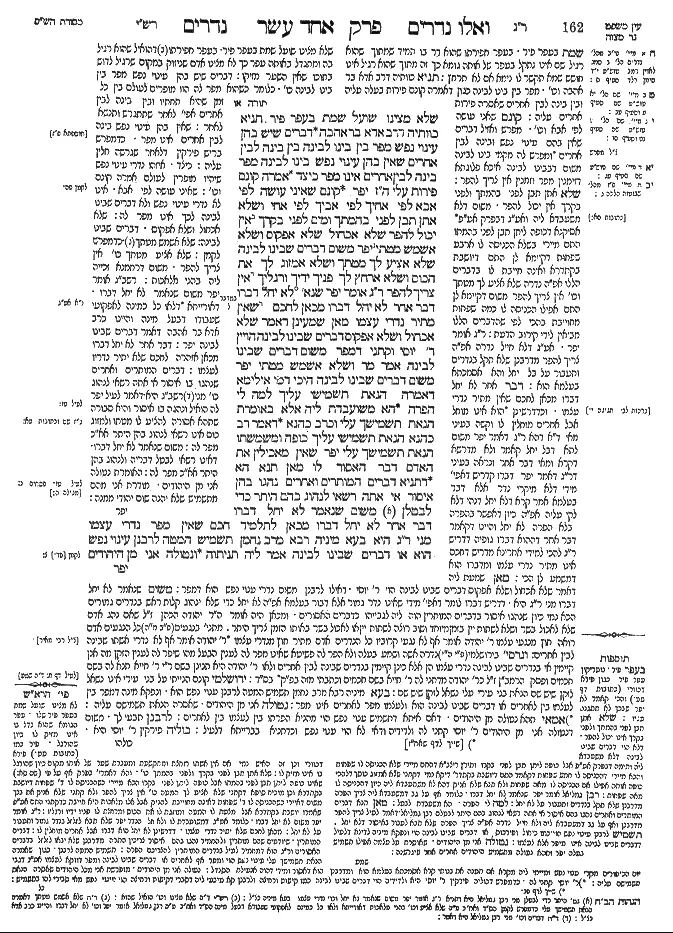
Nedarim 81b - Guemara
שלא מצינו שועל שמת בעפר פיר תניא כוותיה דרב אדא בר אהבה דברים שיש בהן עינוי נפש מפר בין בינו לבינה בין בינה לבין אחרים שאין בהן עינוי נפש בינו לבינה מפר בינה לבין אחרים אינו מפר כיצד אמרה קונם פירות עלי ה"ז יפר קונם שאיני עושה לפי אבא לפי אחיך לפי אביך לפי אחי ושלא אתן תבן לפני בהמתך ומים לפני בקרך אין יכול להפר שלא אכחול שלא אפקוס ושלא אשמש מטתי יפר משום דברים שבינו לבינה שלא אציע לך מטתך ושלא אמזוג לך את הכוס ושלא ארחץ לך פניך ידיך ורגליך אין צריך להפר ר"ג אומר יפר שנא' (במדבר ל, ג) לא יחל דברו דבר אחר לא יחל דברו מכאן לחכם שאין מתיר נדרי עצמו מאן שמעינן דאמר שלא אכחול ושלא אפקוס דברים שבינו לבינה הויין ר' יוסי וקתני דמפר משום דברים שבינו לבינה אמר מר ושלא אשמש מטתי יפר משום דברים שבינו לבינה היכי דמי אילימא דאמרה הנאת תשמישי עליך למה לי הפרה הא משועבדת ליה אלא באומרת הנאת תשמישך עלי וכרב כהנא דאמר רב כהנא הנאת תשמישי עליך כופה ומשמשתו הנאת תשמישך עלי יפר שאין מאכילין את האדם דבר האסור לו מאן תנא הא דתניא דברים המותרים ואחרים נהגו בהן איסור אי אתה רשאי לנהוג בהם היתר כדי לבטלן משום שנאמר לא יחל דברו דבר אחר לא יחל דברו מכאן לתלמיד חכם שאין מפר נדרי עצמו מני ר"ג היא בעא מיניה רבא מרב נחמן תשמיש המטה לרבנן עינוי נפש הוא או דברים שבינו לבינה אמר ליה תניתוה ונטולה אני מן היהודים
Comments from Rashi on Masechet Nedarim Page 81b
שלא מצינו שועל שמת בעפר פיר . בעפר חפירתו דהואיל שהוא רגיל בה ומתגדל באותה עפר כך לא מצינו אדם שניזוק במקום שרגיל לדוש . בתוכו שאין השער מזיקו: דברים שיש בהן עינוי נפש מפר בין בינו לבינה כו' . כלומר כשהוא מפר לה הוו מופרים לעולם בין כל זמן שהיא תחתיו ובין בינה לבין אחרים אפי' לאחר שתתגרש ותנשא לאחר: שאין בהן עינוי נפש בינה לבין אחרים אינו מפר . כדמפרש בריש פירקין דלאחר שגרשה תלין עליה: כיצד . איזהו נדרי עינוי נפש שיהיו מופרין לעולם אמרה קונם וכו': שאיני עושה לפי אבא . אינו לא נדרי עינוי נפש ולא דברים שבינו לבינה לכך אינו מפר לה: שלא אכחול ושלא אפקוס . דברים שבינו לבינה: שלא אשמש מטתך . כדמפרש לקמן: שלא אציע מטתך כו' אין צריד להפר . משום דרחמנא זכייה ליה בהני מלאכות: רשב"ג אומר יפר משום שנאמר לא יחל דברו . דאורייתא דלאו כל כמינה לאפקועי שעבודו דבעל מינה והיינו כרב אדא בר אהבה דאמר דברים שבינו לבינה יפר: דבר אחר לא יחל דברו מכאן אזהרה לחכם שלא יתיר נדריו לעצמו: דברים המותרים ואחרים שנהגו בו איסור אי אתה רשאי לנהוג כו' מני רשב"ג היא . דאמר לעיל יפר לה הואיל ונהגה בו איסור והיא סבורה שתהא אסורה להציע לו מטתו ולמזוג כוס אינו רשאי לנהוג בהן היתר אא"כ מפר לה: משום שנאמר לא יחל דברו . דאינו רשאי לבטל דבריה ולנהוג בהן היתר אא"כ מפר לה: האומרת נטולה אני מן היהודים . מודרת אני מהם מתשמיש שלא יהנה שום יהודי ממנה:
Comments from Tosafot - Nedarim 81b
בעפר פיר . נוטריקון עפר פיר כגון פירא דכוורי (כתובות דף עט.) והכי קאמר לא יפר שבכך לא תתגנה עליו: שלא אתן תבן לפני בהמתך ולפני בקרך אינו יכול להפר . דלא הוי דברים שבינו לבינה דלא משעבדא ליה ותימה דבפרק אע''פ אבל כופה ליתן תבן לפני בקרו ותירץ ריצב''א דהתם מיירי שלא הכניסה לו שפחות והכא מיירי דהכניסה לו חמש שפחות דקאמר התם דיושבת בקתדר' דיקא נמי דקתני שלא אמזוג כוסך דלהכי כופה אותה אפילו אם הכניסה לו מאה שפחות ולא תנא שלא אניק דהא לא משתעבדא ליה כיון דהכניסה לו מאה שפחות: רבן גמליאל אומר יפר שנאמר לא יחל דברו . כלומר אף על גב דמשעבדא ליה צריך הפרה מדרבנן שלא תקל בנדרים ותעבור על לא יחל: למה לי הפרה . הא משעבדת לבעל: מאן תנא דברים המותרים ואחרים נהגו בהם איסור אי אתה רשאי לנהוג בהם היתר לבטלם רבן גמליאל . דאמר לעיל צריך להפר מדרבנן ואף על גב דמשעבדא ליה ולא חייל נדרה אפ''ה צריך הפרה שלא תבא לעבור באיסור דלא יחל. תשמיש לרבנן עינוי נפש הוי . כמו כיחול ופירכוס או דברים שבינו לבינה הוי ונפקא מיניה לדינא דלעיל דדברים שבינו לבינה אינו מיפר אלא לעצמו: נטולה אני מן היהודים . שאוסרת על עצמה אפילו תשמיש בעלה יפר ותהא נטולה מתשמיש היהודים אחרים אחר שיגרשנה:
Nedarim 81b - Mishnah translated into english
And it cannot be argued that if the woman refrains from bathing or adorning herself, it will negatively impact on her relationship with her husband, as we do not find a fox dying in the earth of the lair to which it is accustomed. Similarly, a husband who is accustomed to his wife will not come to avoid engaging in sexual intercourse with her merely because she has not bathed.
The Gemara comments that it is taught in a baraita in accordance with the opinion of Rav Adda bar Ahava: Vows taken by a woman concerning matters that involve affliction the husband can nullify, whether they relate to matters between him and her or to matters between her and others. As for vows concerning matters that do not involve affliction, if they relate to matters between him and her, he can nullify them, but if they relate to matters between her and others, he cannot nullify them. How so? If she said: Produce is konam for me, he can nullify the vow, as it falls into the category of vows of affliction. If, however, she said: I will not prepare anything for my father, as that is konam for me or: For your brother, or: For your father, or: For my brother, or: I will not place straw before your animal, or: I will not place water before your cattle, he cannot nullify such vows, as they do not touch upon the relationship between husband and wife, nor do they cause her affliction.
A wife said: I will not paint my eyes, as that is konam for me; I will not rouge [efkos] my cheeks, as that is konam for me; or: I will not engage in sexual intercourse, as that is konam for me. If she made any of these statements, her husband can nullify them, as they are matters that adversely affect the relationship between him and her.
A wife said: I will not make your bed, as that is konam for me; or: I will not prepare your cup for you, mixing your wine with water, as that is konam for me; or: I will not wash your face, your hands, or your feet, as that is konam for me. If she made these statements, her husband need not nullify these vows. They do not take effect, since she is obligated to perform these tasks as part of her marital duties.
Rabban Gamliel says: He should nevertheless nullify such vows, as it is stated: “He shall not profane his word” (Numbers 30:3), which teaches that it is improper for one to take a vow and not fulfill it. The Gemara presents another interpretation of the verse: Alternatively, the verse states: “He shall not profane his word,” from here it may be derived that a halakhic authority cannot dissolve his own vows.
After having cited the entire baraita, the Gemara proceeds to analyze the relevant component: Of whom have we heard that he said that if a woman says: I will not paint my eyes, as that is konam for me, or: I will not rouge my cheeks, the vows fall into the category of matters that adversely affect the relationship between him and her? It is Rabbi Yosei, as the Rabbis, who disagree with him, maintain that they are vows of affliction, and the baraita teaches that the husband can nullify such vows as matters that adversely affect the relationship between him and her. Therefore, the baraita supports Rav Adda bar Ahava’s understanding of the opinion of Rabbi Yosei.
The Master said in the baraita that if the woman said: I will not engage in sexual intercourse, as that is konam for me, her husband can nullify the vow as an example of matters that adversely affects the relationship between him and her. The Gemara raises a question: What are the circumstances of the case? If we say that she said: The benefit of my engaging in intercourse with you is forbidden to you, why do I need the husband’s nullification at all? She is obligated to engage in intercourse with him by the very nature of their marriage, and it is not within her power to release herself from this duty by means of a vow. Rather, the baraita must refer to a case where she said: The benefit of your engaging in intercourse with me is forbidden to me, and it is in accordance with the opinion of Rav Kahana.
As Rav Kahana said that if a woman says: The benefit of my engaging in intercourse with you is forbidden to you, he can compel her to have relations with him. If, however, she said: The benefit of your engaging in intercourse with me is forbidden to me, he must nullify her vow. Why must the husband nullify it if she is obligated to have relations with him? It is because we do not feed a person something that is forbidden to him. Although she cannot release herself from her duty, since she prohibited herself from deriving pleasure from the act, she may not engage in sexual intercourse, as it would entail forbidden pleasure.
The Gemara asks: Who is the tanna who taught that which is taught in a baraita: With regard to matters that are permitted, but others were accustomed to treat them as a prohibition, you are not allowed to treat them as permitted in a manner that may cause the negation of their custom, as it is stated: “He shall not profane his word” (Numbers 30:3). The verse indicates that any vow in which a person renders a matter forbidden to himself, i.e., “his word,” is considered a quasi-vow, which may not be profaned. The Gemara presents another interpretation of the verse: Alternatively, the verse states: “He shall not profane his word”; from here it may be derived that a halakhic authority cannot dissolve his own vows. Whose opinion is this? It is that of Rabban Gamliel, who maintains that a man should nullify his wife’s vow even if it does not actually take effect.
Rava raised a dilemma before Rav Naḥman: If a woman took a vow that sexual intercourse with her husband is forbidden to her, then, according to the Rabbis, is it a vow of affliction or does it fall within the category of matters that adversely affect the relationship between him and her? Rav Naḥman said to him: You learned the answer to this question in a mishna (90b): And if a woman said: I am removed from the Jews, i.e., the benefit of my engaging in intercourse is forbidden to all Jews,
Traduction : The William Davidson digital edition of the Koren Noé Talmud, with commentary by Rabbi Adin Even-Israel Steinsaltz.