 Talmud Bavli
The learning on the whole site is dedicated : L'ilui Nishmat Reuven ben Rivka SEBBAG
The learning on the whole site is dedicated : L'ilui Nishmat אליעזר בן רחל
The learning on the whole site is dedicated : L'ilui Nishmat יוסף בן מושה
Nedarim 20b : Youtube
Daf TubeYoutube
2 video classes :
Nedarim Page 20b
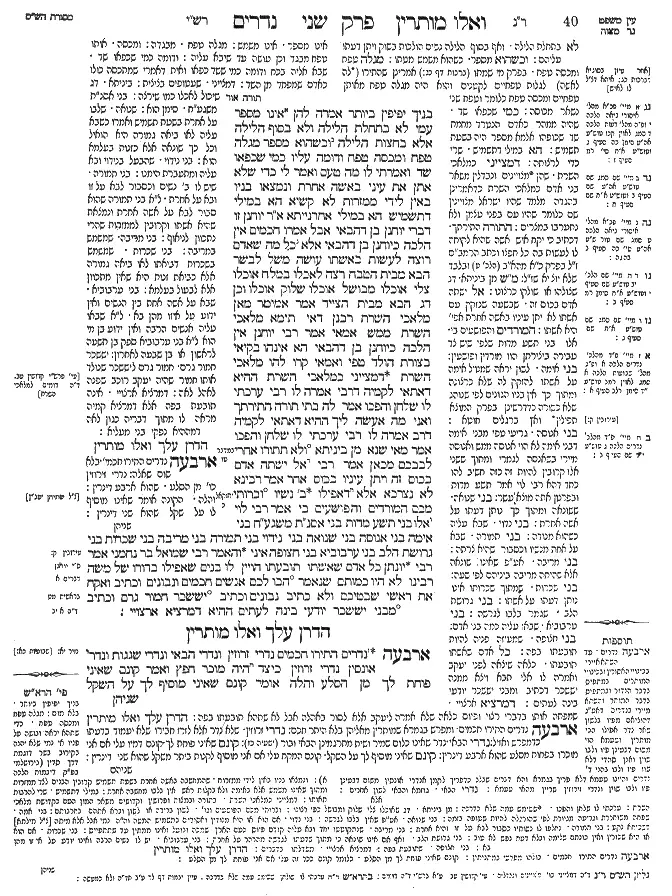
Nedarim 20b - Guemara
בניך יפיפין ביותר אמרה להן אינו מספר עמי לא בתחלת הלילה ולא בסוף הלילה אלא בחצות הלילה וכשהוא מספר מגלה טפח ומכסה טפח ודומה עליו כמי שכפאו שד ואמרתי לו מה טעם ואמר לי כדי שלא אתן את עיני באשה אחרת ונמצאו בניו באין לידי ממזרות לא קשיא הא במילי דתשמיש הא במילי אחרנייתא אמר רבי יוחנן זו דברי יוחנן בן דהבאי אבל אמרו חכמים אין הלכה כיוחנן בן דהבאי אלא כל מה שאדם רוצה לעשות באשתו עושה משל לבשר הבא מבית הטבח רצה לאוכלו במלח אוכלו צלי אוכלו מבושל אוכלו שלוק אוכלו וכן דג הבא מבית הצייד אמר אמימר מאן מלאכי השרת רבנן דאי תימא מלאכי השרת ממש אמאי אמר רבי יוחנן אין הלכה כיוחנן בן דהבאי הא אינהו בקיאי בצורת הולד טפי ואמאי קרו להו מלאכי השרת דמצייני כמלאכי השרת ההיא דאתאי לקמיה דרבי אמרה לו רבי ערכתי לו שולחן והפכו אמר לה בתי תורה התירתך ואני מה אעשה ליך ההיא דאתאי לקמיה דרב אמרה לו רבי ערכתי לו שולחן והפכו אמר מאי שנא מן ביניתא ולא תתורו אחרי לבבכם מכאן אמר רבי אל ישתה אדם בכוס זה ויתן עיניו בכוס אחר אמר רבינא לא נצרכא אלא דאפילו שתי נשיו וברותי מכם המורדים והפושעים בי אמר רבי לוי אלו בני תשע מדות בני אסנ"ת משגע"ח בני אימה בני אנוסה בני שנואה בני נידוי בני תמורה בני מריבה בני שכרות בני גרושת הלב בני ערבוביא בני חצופה איני והאמר רבי שמואל בר נחמני אמר רבי יונתן כל אדם שאשתו תובעתו הויין לו בנים שאפילו בדורו של משה רבינו לא היו כמותם שנאמר הבו לכם אנשים חכמים ונבונים וכתיב ואקח את ראשי שבטיכם ולא כתיב נבונים וכתיב יששכר חמור גרם וכתיב מבני יששכר יודעי בינה לעתים ההיא דמרציא ארצויי:
הדרן עלך ואלו מותרין
מתני׳ ארבעה נדרים התירו חכמים נדרי זרוזין ונדרי הבאי ונדרי שגגות ונדרי אונסין נדרי זרוזין כיצד היה מוכר חפץ ואמר קונם שאיני פוחת לך מן הסלע והלה אומר קונם שאיני מוסיף לך על השקל
Comments from Rashi on Masechet Nedarim Page 20b
אינו מספר . אינו משמש: מגלה טפח . מבגדה: ומכסה . אותו טפח מבגד וכן עושה עד שיבא עליה: ודומה כמי שכפאו שד . שבא אליה בכח ודומה כמי ששד כפאו ואית דאמרי שמתכסה כולו כאדם שמפחד מן השד: דמצייני . שעטופים בציצית: ביניתא . דג שיכול לאכלו כמו שירצה: בני אסנ"ת משגע"ח . סימן הוא: שנואה . שלבו על אחרת בשעת תשמיש ואמרו כשבא עליה לאו ביאה גמורה היא הואיל וכל כך שונאה אלא כזנות בעלמא הוא: בני נידוי . שהבעל בנידוי ובא עליה ומתעברת הימנו: בגי תמורה . שיש לו ב' נשים וכסבור לבא על זו ובא על אחרת. ל"א בני תמורה שהוא סבור לבא על אשה אחרת ונמצאת שהיא אשתי וקרובין לממזרות שהרי נתכוון לניאוף: בני מריבה . שמשמש במריבה: בני שכרות . שמשמש בשכרות דביאתו לאו ביאה גמורה אלא כביאת זנות היא שאין. מתכוון אלא לבעול בעלמא: בני ערבוביא . שבא על אשה אחת בין הנשים ואין ידוע על איזו מהן בא. ל"א שבאו עליה אנשים הרבה ואין ידוע בן מי הוא ל"א בני ערבוביא ספק בן תשעה לראשון או בן שבעה לאחרון: בני אסנ"ת משגע"ח . סימן הוא: שנואה . שלבו על אחרת בשעת תשמיש ואמרו כשבא עליה לאו ביאה גמורה היא הואיל וכל כך שונאה אלא כזנות בעלמא הוא: בני נידוי . שהבעל בנידוי ובא עליה ומתעברת הימנו: בגי תמורה . שיש לו ב' נשים וכסבור לבא על זו ובא על אחרת. ל"א בני תמורה שהוא סבור לבא על אשה אחרת ונמצאת שהיא אשתי וקרובין לממזרות שהרי נתכוון לניאוף: בני מריבה . שמשמש במריבה: בני שכרות . שמשמש בשכרות דביאתו לאו ביאה גמורה אלא כביאת זנות היא שאין. מתכוון אלא לבעול בעלמא: בני ערבוביא . שבא על אשה אחת בין הנשים ואין ידוע על איזו מהן בא. ל"א שבאו עליה אנשים הרבה ואין ידוע בן מי הוא ל"א בני ערבוביא ספק בן תשעה לראשון או בן שבעה לאחרון: יששכר חמור גרם . חמור גרם ליששכר שנולד אותו חמור שהיה יעקב רוכב שפנה לאהל לאה: דמרציא ארצויי . אינה תובעת בפה אלא דמרציא קמיה מראה לו מתוך דבריה כגון לאה דמההיא נפקי בני מעליא: הדרן עלך ואלו מותרין ארבעה נדרים התירו חכמי' . בלא שום שאלה: נדרי זירוזין כו' מן הסלע . שהוא ארבע דינרין: והלה . הקונה אומר שאינו מוסיף לו על שקל שהוא שני דינרין:
Comments from Tosafot - Nedarim 20b
מתני' ארבעה נדרים . עד השתא איירי בכינויי האסורין ובכינויי המותרים במתפיס בדבר הנדור ובמתפיס בדבר המותר והשתא מיירי בנדרים דאע''ג דהוציאם מפיו בלשון שאר נדר אפילו הכי מותרין וטעמא הוי משום דבעינן פיו ולבו שוין ואנן סהדי דלא שוו פיו ולבו בהני ד' נדרים והיינו טעמא דלא פריך בגמרא והא דברים שבלב כדפריך לקמן אנדרי אונסין משום דבעינן פיו ולבו שוין ונדרי זירוזין שריין מהאי טעמא: נדרי הבאי . גוזמא והבאי לשון אחרים: מתני' ארבעה נדרים . עד השתא איירי בכינויי האסורין ובכינויי המותרים במתפיס בדבר הנדור ובמתפיס בדבר המותר והשתא מיירי בנדרים דאע''ג דהוציאם מפיו בלשון שאר נדר אפילו הכי מותרין וטעמא הוי משום דבעינן פיו ולבו שוין ואנן סהדי דלא שוו פיו ולבו בהני ד' נדרים והיינו טעמא דלא פריך בגמרא והא דברים שבלב כדפריך לקמן אנדרי אונסין משום דבעינן פיו ולבו שוין ונדרי זירוזין שריין מהאי טעמא:
Nedarim 20b - Mishnah translated into english
are your children so beautiful? She said to them: My husband does not converse with me while engaging in sexual intercourse, neither at the beginning of the night nor at the end of the night, but rather at midnight. And when he converses with me while engaging in sexual intercourse, he reveals a handbreadth of my body and covers a handbreadth, and he covers himself up as though he were being coerced by a demon and is covering himself out of fear.
And I said to my husband: What is the reason for this behavior? And he said to me: It is so that I will not set my eyes on another woman, i.e., think about another woman; if a man thinks about another woman during sexual intercourse with his wife, his children consequently come close to receiving a mamzer status, i.e., the nature of their souls is tantamount to that of a mamzer. Therefore I engage in sexual intercourse with you at an hour when there are no people in the street, and in this manner. In any event, it can be seen from her words that a Sage conversed with his wife while engaging in sexual intercourse with her.
The Gemara answers: This is not difficult. This permission to converse with her is with regard to matters of sexual intercourse, whereas that restriction of conversation is with regard to other matters that are not related to sexual intercourse.
Rabbi Yoḥanan said: That is the statement of Yoḥanan ben Dehavai. However, the Rabbis said: The halakha is not in accordance with the opinion of Yoḥanan ben Dehavai. Rather, whatever a man wishes to do with his wife he may do. He may engage in sexual intercourse with her in any manner that he wishes, and need not concern himself with these restrictions. As an allegory, it is like meat that comes from the butcher. If he wants to eat it with salt, he may eat it that way. If he wants to eat it roasted, he may eat it roasted. If he wants to eat it cooked, he may eat it cooked. If he wants to eat it boiled, he may eat it boiled. And likewise with regard to fish that come from the fisherman.
Ameimar said: Who are the ministering angels that Rabbi Yoḥanan ben Dehavai mentioned? He was referring to the Sages, for whom he employed the honorary title: Ministering angels. Because if you say that he was referring to actual ministering angels, why did Rabbi Yoḥanan say that the halakha is not in accordance with the opinion of Yoḥanan ben Dehavai? The ministering angels are more knowledgeable about the forming of the fetus than people are. Clearly, if the ministering angels were the source for the ruling of Rabbi Yoḥanan ben Dehavai it would have been imperative to heed his instructions. And why are the Sages called ministering angels? Because they stand out like ministering angels, as they are recognized by their clothing.
The Gemara relates: A certain woman, who came before Rabbi Yehuda HaNasi to complain about her husband, said to him: My teacher, I set him a table, using a euphemism to say that she lay before him during intimacy, and he turned it over. Rabbi Yehuda HaNasi said to her: My daughter, the Torah permitted him to engage in sexual intercourse with you even in an atypical manner, and what can I do for you if he does so? Similarly, a certain woman who came before Rav said to him: My teacher, I set a table for him and he turned it over. He said to her: In what way is this case different from a fish [binnita] that one may eat any way he wishes?
§ The verse states: “And that you not go about after your own heart” (Numbers 15:39). Rabbi Yehuda HaNasi said that it is derived from here that a man should not drink from this cup while setting his eyes on another cup, i.e., one should not engage in sexual intercourse with one woman while thinking about another woman. Ravina said: This statement is not necessary with regard to an unrelated woman. Rather, it is necessary only to state that even with regard to his own two wives, he should not engage in sexual intercourse with one while thinking about the other.
The verse states: “And I will purge out from among you the rebels, and those that transgress against Me” (Ezekiel 20:38). Rabbi Levi said: These are children of those who have nine traits, who are defective from their conception and from whom rebels and transgressors emerge. The mnemonic for these nine traits is children of the acronym aleph, samekh, nun, tav, mem, shin, gimmel, ayin, ḥet.
The children of nine traits are as follows: Children of fear [eima], i.e., where the wife was afraid of her husband and engaged in sexual intercourse with him out of fear; children of a woman who was raped [anusa]; children of a hated woman [senua], i.e., a woman who was hated by her husband; children of ostracism [niddui], i.e., one of the parents was ostracized by the court; children of substitution [temura], i.e., while engaging in intercourse with the woman, the man thought that she was another woman; children of strife [meriva], i.e., the parents engaged in intercourse while they were quarreling; children of drunkenness [shikhrut], i.e., the parents engaged in intercourse while they were drunk; children of a woman who was divorced in the heart [gerushat halev], i.e., the husband had already decided to divorce her when they engaged in intercourse; children of mixture [irbuveya], i.e., the man did not know with which woman he was engaging in intercourse; children of a shameless woman [ḥatzufa] who demands of her husband that he engage in intercourse with her.
The Gemara asks: Is that so? But didn’t Rabbi Shmuel bar Naḥmani say that Rabbi Yonatan said: Any man whose wife demands of him that he engage in sexual intercourse with her will have children the likes of whom did not exist even in the generation of Moses our teacher? As it is stated: “Get you wise men, and understanding, and well known from each one of your tribes, and I will make them head over you” (Deuteronomy 1:13); and it is written subsequently: “So I took the heads of your tribes, wise men, and well known” (Deuteronomy 1:15). And it does not say that they were understanding. Evidently, even Moses could not find understanding men in his generation.
And by contrast, it is written: “Issachar is a large-boned donkey” (Genesis 49:14). The Sages transmitted a tradition that this is an allusion to the incident when Jacob came in from the field riding on a donkey, and Leah went out to greet him, saying: “You must come in to me; for I have hired you with my son’s mandrakes” (Genesis 30:16). Issachar was conceived from their subsequent sexual intercourse. And it is written: “And of the children of Issachar, men that had understanding of the times” (I Chronicles 12:33). The descendants of Issachar were understanding men. It is derived from here that a woman who demands from her husband that he engage in sexual intercourse with her has a positive effect on their children.
The Gemara answers: That baraita is not referring to a woman who demands intercourse explicitly, but rather to one who entices her husband, so that he understands that she wants to engage in sexual intercourse with him. They consequently have excellent children.
MISHNA: The Sages dissolved four types of vows without the requirement of a request to a halakhic authority: Vows of exhortation, vows of exaggeration, vows that are unintentional, and vows whose fulfillment is impeded by circumstances beyond one’s control. The mishna explains: Vows of exhortation are those by which one encourages another using vow terminology that is exaggerated. How so? One was selling an item and said: I will not lower the price for you to less than a sela, as that is konam, forbidden as if it were an offering, for me. And the other one, the buyer, says: I will not raise my payment to you to more than a shekel, as that is konam for me.
Traduction : The William Davidson digital edition of the Koren Noé Talmud, with commentary by Rabbi Adin Even-Israel Steinsaltz.