 Talmud Bavli
Pesahim 50b : Youtube
Daf TubeYoutube
3 video classes :
Pesahim Page 50b
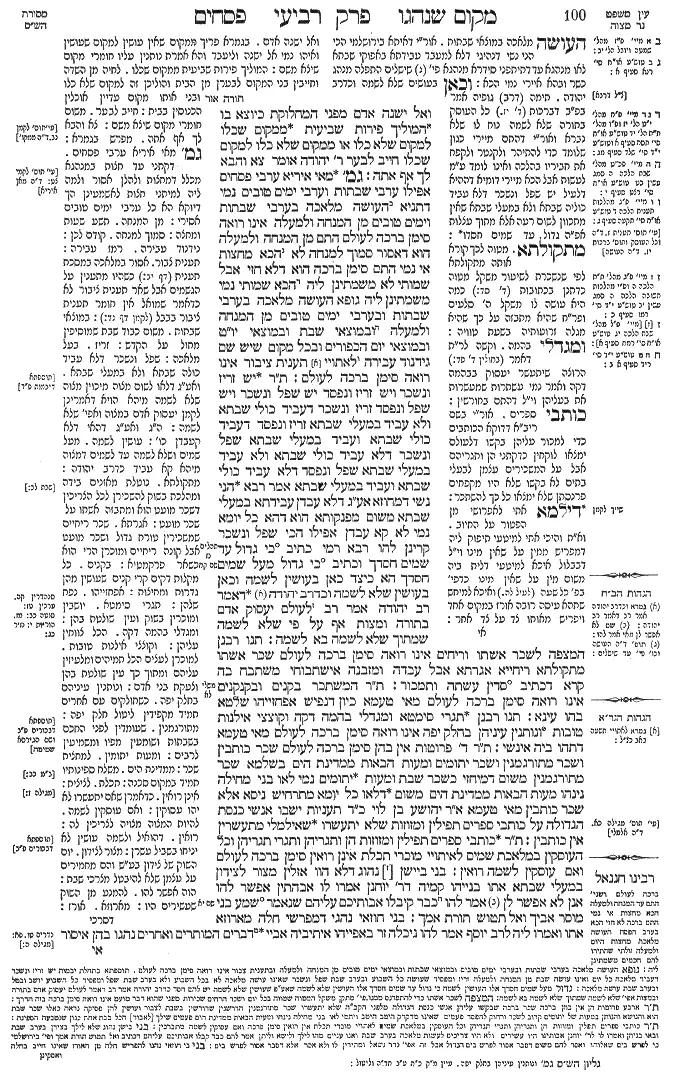
Pesahim 50b - Guemara
ואל ישנה אדם מפני המחלוקת כיוצא בו המוליך פירות שביעית ממקום שכלו למקום שלא כלו או ממקום שלא כלו למקום שכלו חייב לבער ר' יהודה אומר צא והבא לך אף אתה:
גמ׳ מאי איריא ערבי פסחים אפילו ערבי שבתות וערבי ימים טובים נמי דתניא העושה מלאכה בערבי שבתות וימים טובים מן המנחה ולמעלה אינו רואה סימן ברכה לעולם התם מן המנחה ולמעלה הוא דאסור סמוך למנחה לא הכא מחצות אי נמי התם סימן ברכה הוא דלא חזי אבל שמותי לא משמתינן ליה הכא שמותי נמי משמתינן ליה גופא העושה מלאכה בערבי שבתות ובערבי ימים טובים מן המנחה ולמעלה ובמוצאי שבת ובמוצאי יו"ט ובמוצאי יום הכפורים ובכל מקום שיש שם נידנוד עבירה לאתויי תענית ציבור אינו רואה סימן ברכה לעולם:
ת"ר יש זריז ונשכר ויש זריז ונפסד יש שפל ונשכר ויש שפל ונפסד זריז ונשכר דעביד כולי שבתא ולא עביד במעלי שבתא זריז ונפסד דעביד כולי שבתא ועביד במעלי שבתא שפל ונשכר דלא עביד כולי שבתא ולא עביד במעלי שבתא שפל ונפסד דלא עביד כולי שבתא ועביד במעלי שבתא אמר רבא הני נשי דמחוזא אע"ג דלא עבדן עבידתא במעלי שבתא משום מפנקותא הוא דהא כל יומא נמי לא קא עבדן אפילו הכי שפל ונשכר קרינן להו רבא רמי כתיב (תהלים נז, יא) כי גדול עד שמים חסדך וכתיב (תהלים קח, ה) כי גדול מעל שמים חסדך הא כיצד כאן בעושין לשמה וכאן בעושין שלא לשמה וכדרב יהודה דאמר רב יהודה אמר רב לעולם יעסוק אדם בתורה ומצות אף על פי שלא לשמה שמתוך שלא לשמה בא לשמה:
תנו רבנן המצפה לשכר אשתו וריחים אינו רואה סימן ברכה לעולם שכר אשתו מתקולתא ריחייא אגרתא אבל עבדה ומזבנה אישתבוחי משתבח בה קרא דכתיב (משלי לא, כד) סדין עשתה ותמכור:
ת"ר המשתכר בקנים ובקנקנים אינו רואה סימן ברכה לעולם מאי טעמא כיון דנפיש אפחזייהו שלטא בהו עינא:
תנו רבנן תגרי סימטא ומגדלי בהמה דקה וקוצצי אילנות טובות ונותנין עיניהן בחלק יפה אינו רואה סימן ברכה לעולם מאי טעמא דתהו ביה אינשי:
ת"ר ד' פרוטות אין בהן סימן ברכה לעולם שכר כותבין ושכר מתורגמנין ושכר יתומים ומעות הבאות ממדינת הים בשלמא שכר מתורגמנין משום דמיחזי כשכר שבת ומעות יתומים נמי לאו בני מחילה נינהו מעות הבאות ממדינת הים משום דלאו כל יומא מתרחיש ניסא אלא שכר כותבין מאי טעמא א"ר יהושע בן לוי כ"ד תעניות ישבו אנשי כנסת הגדולה על כותבי ספרים תפילין ומזוזות שלא יתעשרו שאילמלי מתעשרין אין כותבין:
ת"ר כותבי ספרים תפילין ומזוזות הן ותגריהן ותגרי תגריהן וכל העוסקין במלאכת שמים לאיתויי מוכרי תכלת אינן רואין סימן ברכה לעולם ואם עוסקין לשמה רואין:
בני ביישן נהוג דלא הוו אזלין מצור לצידון במעלי שבתא אתו בנייהו קמיה דר' יוחנן אמרו לו אבהתין אפשר להו אנן לא אפשר לן אמר להו כבר קיבלו אבותיכם עליהם שנאמר (משלי א, ח) שמע בני מוסר אביך ואל תטוש תורת אמך:
בני חוזאי נהגי דמפרשי חלה מארוזא אתו ואמרו ליה לרב יוסף אמר להו ניכלה זר באפייהו איתיביה אביי דברים המותרים ואחרים נהגו בהן איסור
Comments from Rashi on Masechet Pesahim Page 50b
ואל ישנה אדם . בגמרא פריך ממקום שאין עושין למקום שעושין ואיהו נמי אל ישנה וליעבד והא אמרת נותנין עליו חומרי מקום שיצא משם: המוליך פירות שביעית ממקום שכלו . לחיה מן השדה וחייבין בני המקום לבערן מן הבית והוליכן זה למקום שלא כלו ובני אותו מקום עדיין אוכלין הכנוסין בבית: חייב לבער . משום חומרי מקום שיצא משם: צא והבא לך אף אתה . מפרש בגמרא: גמ' מאי איריא ערבי פסחים . דקתני עד חצות במנהגא מכלל דמחצות ולהלן אסור ולמה ליה למיתני חצות לאשמעינן הך דיוקא הא כל ערבי ימים טובים אסירי: מן המנחה . תשע שעות ומחצה: סמוך למנחה . קודם לכן: נידנוד עבירה . רמז עבירה: תענית צבור . אסור במלאכה במסכת תענית (דף יב:) כשהיו מתענין על הגשמים אבל שאר תענית ציבור לא כדאמר שמואל אין חומר תענית ציבור בבבל (לקמן פסחים דף נד:): במוצאי שבתות . משום כבוד שבת שמוסיפין מחול על הקדש: זריז . בעל מלאכה: שפל ונשכר דלא עביד כולה שבתא ולא במעלי שבתא . ואע"ג דלאו לשום מצוה מיכוין מצוה שלא לשמה מיהא הויא דאמרינן לקמן יעסוק אדם במצוה ואפילו שלא לשמה: ה"ג ואע"ג דהאי דלא קעבדן כו': ה"ג ואע"ג דהאי דלא קעבדן כו': עושין לשמה . מעל שמים ושלא לשמה עד לשמים דמצוה מיהא קא עביד כדרב יהודה: מתקולתא . נוטלת מאזנים בידה ומהלכת בשוק להשכירן לכל הצריכין דשכר מועט הוא ומתבזה אשתו על שכר מועט: אגרתא . שכר ריחיים שמשכירין טורח גדול ושכר מועט אבל קונה ריחיים ומוכרן הרי הוא כשאר פרקמטיא: בקנים . כל מקלות דקים קרי קנים שעושין מהן גדרות ומחיצות: אפחזייהו . נפח שלהן: תגרי סימטא . יושבין ומוכרין בשוק ועין שולטת בהן: ומגדלי בהמה דקה . הכל צווחין עליהן: וקוצצי אילנות טובות . למוכרן לעצים הכל תמיהים ומלעיזין עליהם ומתוך כך עין שולטת בהן וצעקת בני אדם: ונותנין עיניהם בחלק יפה . כשחולקים עם אחרים תמיד מקפידין ליטול חלק יפה: מתורגמנין . שעומדין לפני החכם בשבתות ושומעין מפיו ומשמיעין לרבים: ומעות יתומין . למחצית שכר: ממדינת הים . משלח ספינותיו תמיד במקום סכנה: תכלת . לציצית: אינן רואין . כדאמרן שאם יתעשרו לא יהו עסוקין: ואם עוסקין לשמה . להיות המצוה מצויה לצריכין לה: רואין . דהואיל ולשמה עושין לא יניחו בשביל עשרן: מצור לצידון . יום השוק של צידון בע"ש והם מחמירים על עצמן שלא להיבטל מצרכי שבת: הוה אפשר להו . להמנע מן השוק שעשירים היו: מארוזא . אורז:
Comments from Tosafot - Pesahim 50b
העושה מלאכה במוצאי שבתות . אור"י דאיתא בירושלמי הכי הני נשי דנהיגי דלא למעבד עבידתא באפוקי שבתא לאו מנהגא עד דתיתפני סידרא מנהגא פי' שישלים התפלה מנהג כשר ובהא איירי נמי הכא: וכאן בעושים שלא לשמה וכדרב יהודה . תימה (דרב) גופיה אמר בפ"ב דברכות (ד' יז.) כל העוסק בתורה שלא לשמה נוח לו שלא נברא ואור"י דהתם מיירי כגון שלומד כדי להתיהר ולקנטר ולקפח את חביריו בהלכה ואינו לומד ע"מ לעשות אבל הכא מיירי דומיא דההיא דלעיל יש שפל ונשכר דלא עביד כוליה שבתא ולא במעלי שבתא שאין מתכוון לשום רעה אלא מתוך עצלות אפ"ה גדול עד שמים חסדו: מתקולתא . מטוה לכך קורא אותה מתקולתא לפי שנשכרת לשיעור משקל מטוה כדתנן בכתובות (ד' סד:) כמה היא עושה לו משקל ה' סלעים ופר"ח שהיא מתבזה על כך שהיא מגלה זרועותיה בשעת טוויה: ומגדלי בהמה . וקשה לר"ת דאמר (בחולין ד' פד:) הרוצה שיתעשר יעסוק בבהמה דקה ואמר נמי עשתרות שמעשרות את בעליהן וי"ל דהתם בחורשין: כותבי ספרים . אור"י בשם ריב"א דדוקא הכותבים כדי למכור עליהן בקשו דלעולם ימצאו לוקחין כדקתני הן ותגריהם אבל על המשכירים עצמן לבעלי בתים לא בקשו שלא היו מקפחים פרנסתן שלא ימצאו כל כך להשתכר:
Pesahim 50b - Mishnah translated into english
The Sages stated a principle: And a person may not deviate from the local custom, due to potential dispute. Similarly, one who transports Sabbatical Year produce from a place where a crop has ceased in the fields to a place where it has not yet ceased or from a place where it has not yet ceased to a place where it has already ceased is obligated to remove the produce from his possession, in accordance with the stringencies of both locations. It is permitted for homeowners to eat Sabbatical Year produce in their houses only as long as that species of fruit remains in the field as ownerless property. However, once that particular fruit is no longer available for animals in the fields, one is required to remove what remains of that species from his home. The statement in the mishna is referring to one who transported fruit from a location where it ceased in the fields to one where it did not, and vice versa. Rabbi Yehuda says that he need not remove the produce, as he can say to a local resident: You, too, go out and bring this produce from a place where it remains in the field.
GEMARA: The Gemara asks: Why discuss this prohibition particularly with regard to Passover eves? It is prohibited to perform labor even on Shabbat eves and Festival eves as well, as it was taught in a baraita: One who performs labor on Shabbat eves and Festival eves from minḥa time onward never sees a sign of blessing from this work. The Gemara answers that there is a difference between the two situations: There, in the case of Shabbat and Festivals, performing labor is prohibited from minḥa time onward; it is not prohibited adjacent to minḥa time, i.e., just before it. Here, in the case of Passover eve, it is prohibited from midday. Alternatively, there, on Shabbat eve and Festival eve, it is a sign of blessing that he does not see; however, the Sages do not excommunicate him for performing labor. Here, in the case of Passover eve, the Sages also excommunicate him for performing labor, as it is explicitly prohibited.
The Gemara cites the source of the matter itself in its entirety: One who performs labor on Shabbat eves or on Festival eves from minḥa time onward, and similarly one who works immediately upon the conclusion of Shabbat, or the conclusion of a Festival, or the conclusion of Yom Kippur, or on any occasion where there is a trace of sin, which comes to include a communal fast, e.g., the Ninth of Av or a fast for rain, when it is prohibited to perform labor, never sees a sign of blessing from this work. If one performs labor just before Shabbat or immediately after Shabbat, the concern is that even a slight miscalculation could lead to performance of labor on Shabbat itself, when it is prohibited.
Apropos reward or lack thereof, the Gemara cites the Tosefta in which the Sages taught: There is one who is diligent and rewarded for his diligence; and there is one who is diligent and penalized due to his diligence; there is one who is lazy and rewarded; and there is one who is lazy and penalized. How so? Diligent and rewarded is referring to one who works the entire week and does not work on Shabbat eve. Diligent and penalized is one who works all week and works on Shabbat eve. Lazy and rewarded is one who does not work the entire week and does not work on Shabbat eve. Lazy and penalized is one who does not work the entire week and works on Shabbat eve to complete the work he neglected to perform during the week. Rava said: With regard to those women of Meḥoza, even though they do not perform labor on Shabbat eve, it is due to excessive pampering, as neither do they work on any other day. Even so, we call them lazy and rewarded. Despite the fact that their laziness is not motivated by piety, their inactivity has a positive aspect to it.
On the topic of reward for a mitzva fulfilled without intent, Rava raised a contradiction: It is written: “For Your mercy is great unto the heavens, and Your truth reaches the skies” (Psalms 57:11); and it is written elsewhere: “For Your mercy is great above the heavens, and Your truth reaches the skies” (Psalms 108:5). How so? How can these verses be reconciled? The Gemara explains: Here, where the verse says that God’s mercy is above the heavens, it is referring to a case where one performs a mitzva for its own sake; and here, where the verse says that God’s mercy reaches the heavens, it is referring to a case where one performs a mitzva not for its own sake. Even a mitzva performed with ulterior motives garners reward, as Rav Yehuda said that Rav said: A person should always engage in Torah study and performance of mitzvot, even if he does so not for their own sake, as through the performance of mitzvot not for their own sake, one gains understanding and comes to perform them for their own sake.
The Sages taught: One who anticipates receiving the earnings of his wife or of a mill never sees a sign of blessing from them. The Gemara explains: Earnings of his wife is referring to a case where she spins thread for others and charges by weight on a scale (Rabbeinu Ḥananel). The profit is small and it is demeaning to walk in public to solicit customers. Earnings of the mill is referring to a hand mill for which people pay rent and grind their grain. In that case too, the profits are meager. However, if a woman works and sells the product of her labor, the verse praises her, as it is written about a woman of valor: “She made a cloak and sold it, and delivered a belt to the peddler” (Proverbs 31:24).
The Sages taught with regard to a sign of blessing: One who earns a living from selling rods or jugs will never see a sign of blessing from them. What is the reason for this? Since their volume is great, the evil eye dominates them. People believe that one is selling more than he is actually selling. Similarly, the Sages taught: Merchants who sell their wares in an alleyway [simta] adjacent to a thoroughfare, where they are seen by all; and those who raise small livestock, which tend to damage other people’s fields; and those who chop down good fruit trees, even if they were permitted to do so; and those who direct their eyes to the fine portion with the intention of taking that portion for himself when dividing an item with others, will never see a sign of blessing from them. What is the reason for this? It is that due to these actions people wonder about him and pay special attention to his conduct. Due to that attention, his actions will not be blessed.
Similarly the Sages taught: In four perutot, payments, there is never a sign of blessing: Wages of scribes of sacred books; wages of disseminators, who repeat and explain the lectures delivered by the Sages on Shabbat; payment of orphans, which one receives when engaging in a partnership with the executor of an orphan’s estate; and money that comes from a country overseas.
The Gemara asks: Granted, one will be unsuccessful when receiving wages of disseminators, as it appears as if he is receiving wages for work performed on Shabbat, even though what he is doing is not actually prohibited. And it is also understandable that one will see no blessing from orphans’ money, as minors are not capable of relinquishing property. Minors do not have the legal right to forgive even negligible losses, which partners typically overlook. Therefore, one who in the course of business takes even the smallest amount of money from them beyond the sum to which he is entitled is considered a thief. One sees no blessing from money that comes from a country overseas, because a miracle does not transpire every day. Since the risks involved in shipping cargo on long sea voyages are great, one’s merit is diminished each time his merchandise miraculously arrives intact.
However, what is the reason that one sees no blessing from wages of scribes? Rabbi Yehoshua ben Levi said: The members of the Great Assembly observed twenty-four fasts, corresponding to the twenty-four priestly watches (Maharsha), for scribes who write Torah scrolls, phylacteries, and mezuzot, so that they will not become wealthy from their craft, as were they to become wealthy, they would no longer write these sacred items. Similarly, the Sages taught: Scribes who write scrolls, phylacteries, and mezuzot; and their merchants, who buy the sacred scrolls from the scribes to sell them; and their merchants’ merchants; and all those engaged in the work of Heaven and earn their living from it, a phrase that comes to include those who sell the sky-blue dye for ritual fringes, never see a sign of blessing from their labor. And if they engage in these activities for their own sake, to ensure that there will be more sacred items available to the public, then they do see blessing from their labor.
As the mishna discusses the requirement to observe local customs, the Gemara relates: The residents of Beit She’an were accustomed not to travel from Tyre to market day in Sidon on Shabbat eve. In deference to Shabbat, they adopted a stringency and would not interrupt their Shabbat preparations even for a short sea voyage. Their children came before Rabbi Yoḥanan to request that he repeal this custom. They said to him: Due to their wealth, it was possible for our fathers to earn a living without traveling to the market on Friday; however, it is not possible for us to do so. He said to them: Your fathers already accepted this virtuous custom upon themselves, and it remains in effect for you, as it is stated: “My son, hear your father’s rebuke and do not abandon your mother’s teaching” (Proverbs 1:8). In addition to adhering to one’s father’s rebuke, i.e., halakha, one is also required to preserve his mother’s teaching, i.e., ancestral customs.
The Gemara relates additional customs: The residents of the city of Ḥozai were accustomed to separate ḥalla from rice dough. They came and told Rav Yosef about this custom. He said to them: Let a non-priest eat this dough in their presence to show them unequivocally that this custom has no legal basis. Abaye raised an objection to him: With regard to matters that are permitted, but others were accustomed to treat them as a prohibition,
Traduction : The William Davidson digital edition of the Koren Noé Talmud, with commentary by Rabbi Adin Even-Israel Steinsaltz.