 Talmud Bavli
Pesahim 25a : Youtube
Daf TubeYoutube
3 video classes :
Pesahim Page 25a
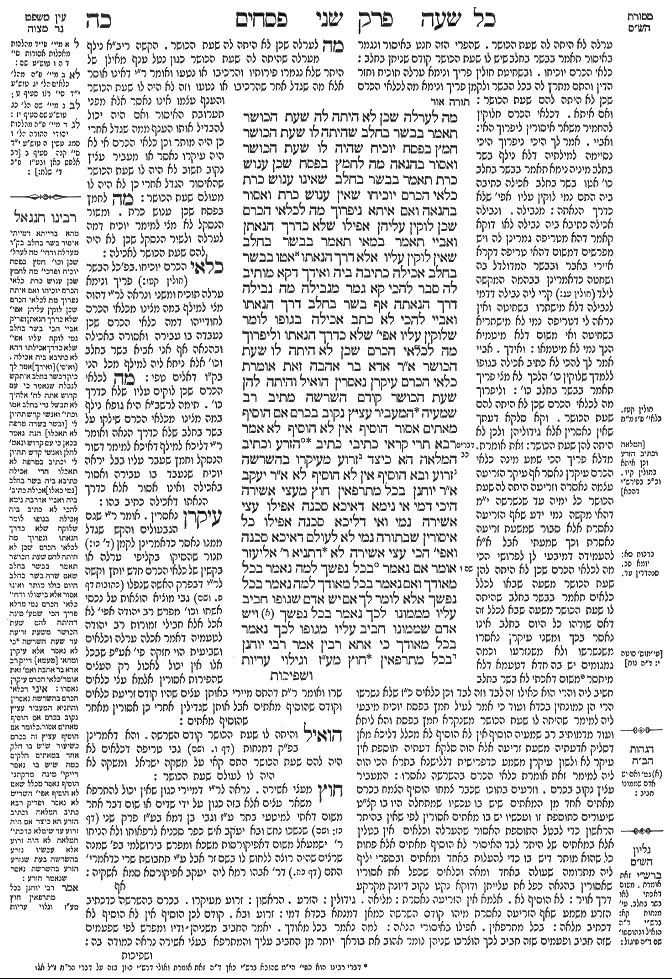
Pesahim 25a - Guemara
מה לערלה שכן לא היתה לה שעת הכושר תאמר בבשר בחלב שהיתה לו שעת הכושר חמץ בפסח יוכיח שהיה לו שעת הכושר ואסור בהנאה מה לחמץ בפסח שכן ענוש כרת תאמר בבשר בחלב שאינו ענוש כרת כלאי הכרם יוכיחו שאין ענוש כרת ואסור בהנאה ואם איתא ניפרוך מה לכלאי הכרם שכן לוקין עליהן אפילו שלא כדרך הנאתן ואביי תאמר במאי תאמר בבשר בחלב שאין לוקין עליו אלא דרך הנאתו אטו בבשר בחלב אכילה כתיבה ביה ואידך דקא מותיב לה סבר להכי קא גמר מנבילה מה נבילה דרך הנאתה אף בשר בחלב דרך הנאתו ואביי להכי לא כתב אכילה בגופו לומר שלוקין עליו אפי' שלא כדרך הנאתו וליפרוך מה לכלאי הכרם שכן לא היתה לו שעת הכושר א"ר אדא בר אהבה זאת אומרת כלאי הכרם עיקרן נאסרין הואיל והיתה להן שעת הכושר קודם השרשה מתיב רב שמעיה המעביר עציץ נקוב בכרם אם הוסיף מאתים אסור הוסיף אין לא הוסיף לא אמר רבא תרי קראי כתיבי כתיב (דברים כב, ט) הזרע וכתיב המלאה הא כיצד זרוע מעיקרו בהשרשה זרוע ובא הוסיף אין לא הוסיף לא א"ר יעקב א"ר יוחנן בכל מתרפאין חוץ מעצי אשירה היכי דמי אי נימא דאיכא סכנה אפילו עצי אשירה נמי ואי דליכא סכנה אפילו כל איסורין שבתורה נמי לא לעולם דאיכא סכנה ואפי' הכי עצי אשירה לא דתניא ר' אליעזר אומר אם נאמר (דברים ו, ה) בכל נפשך למה נאמר בכל מאודך ואם נאמר בכל מאודך למה נאמר בכל נפשך אלא לומר לך אם יש אדם שגופו חביב עליו מממונו לכך נאמר בכל נפשך ויש אדם שממונו חביב עליו מגופו לכך נאמר בכל מאודך כי אתא רבין אמר רבי יוחנן בכל מתרפאין חוץ מע"ז וגילוי עריות
Comments from Rashi on Masechet Pesahim Page 25a
ערלה לא היתה לה שעת הכושר . שהפרי הזה חנט באיסור ונגמר באיסור תאמר בבשר בחלב שיש לו שעת הכושר קודם שניתן בחלב: כלאי הכרם יוכיחו . ובשחיטת חולין פריך ונימא ערלה תוכיח וחזר הדין והתם מתרץ לה בכל הבשר ולקמן פריך ונימא מה לכלאי הכרם שכן לא היתה להם שעת הכושר: ואם איתא . דכלאי הכרם חלוקין להחמיר משאר איסורין ליפרוך האי: ואביי . אמר לך היכי ניפרוך היכי נסיימה למילתיה דלא נילף בשר בחלב מיניה נימא תאמר בבשר בחלב כו' אטו בשר בחלב אכילה כתיבה ביה התם נמי לוקין עליו אפי' שלא כדרך הנאתה: ואידך . אביי אמר לך להכי לא כתיב אכילה בגופו ללמדך שלוקין כו' הלכך לא מצי פריך תאמר בבשר בחלב כו': מנבילה . ונבילה אכילה כתיבא ביה נבילה לאו דוקא קאמר דהא מטריפה גמרינן לה ויש מפרשים דמשום דהאי טריפה דקרא איירי באבר ובבשר המדולדל בה ושחטה כדאמרינן בבהמה המקשה לילד (חולין עג:) קרי ליה נבילה דדמי לנבילה דלא מישתרו בשחיטה ואין נראה לי דטריפה נמי לא מישתריא בשחיטה ואי משום דלא מיטמיא הנך נמי לא מיטמאו: וליפרוך מה לכלאי הכרם שכן לא היתה להם שעת הכושר . וקא סלקא דעתך שאין נאסרין אלא גידוליהן ולכן לא היתה להן שעת הכושר: זאת אומרת . מדלא פריך הכי שמע מינה כלאי הכרם עיקרן נאסר אף עיקר הזריעה עצמה נאסרה וזריעה היתה לה שעת הכושר כל ימיה עד שנשרשה י"מ דהאי מקשה נמי ידע שאף הזריעה נאסרת אלא סבור שמשעת זריעה נאסרת וכך שמעתי אבל א"א להעמידה דמיבעי לן לפרושי הכי מה לכלאי הכרם שכן לא היתה להן שעת הכושר משעה שבאו לכלל כלאים תאמר בבשר בחלב שהיתה לו שעת הכושר משעה שבא לכלל זה דאם שורהו כל היום בחלב אינו נאסר בכך ומשני עיקרן נאסרו משנשרשו ולא משנזרעו וכמה גמגומים יש בה חדא דטעמא דלא מיתסר משום דאכתי לא בשר בחלב חשיב ליה והרי הוא כאילו זה לבד וזה לבד וכן כלאים כ"ז שלא נשרשו הרי הן כמונחין בכדא ועוד כי אמר לעיל חמץ בפסח יוכיח מיבעי ליה למימר שהיתה לו שעת הכושר משנקרא חמץ בפסח והא ליתא ועוד מדמותיב רב שמעיה הוסיף אין לא הוסיף לא מכלל דליכא מאן דסליק אדעתיה משעת זריעה אלא הוה סלקא דעתיה תוספת אין עיקר לא ולשון עיקרן משמע כדפרישית דללישנא בתרא הכי הוה ליה למימר זאת אומרת כלאי הכרם בהשרשה נאסרו: המעביר עציץ נקוב בכרם . וזרעים בתוכו שכבר צמחו הוסיף הצמח בכרם מאתים אחד מן המאתים שיש בו עכשיו שמתחלה היו בו קצ"ט שיעורים כתוספת זו ועכשיו יש בו מאתים אסורין לפי שאין בהיתר הראשון כדי לבטל התוספת האסור שהערלה וכלאים אין בטלין אלא במאתים של היתר לבד האיסור לא הוסיף מאתים אלא פחות כל שהוא מותר דיש בו כדי להעלות באחד ומאתים ובספרי יליף ליה מתרומה שעולה באחד ומאה וכלאים שכפל את אסוריו שאסורין בהנאה כפל את עלייתן ודוקא נקט נקוב דיונק מקרקע דרך אויר: לא הוסיף לא . אלמא אין הזריעה נאסרת: מליאה . גידולין: הזרע . הראשון: זרוע מעיקרו . בכרם בהשרשה כדכתיב הזרע משמע שאף הזריעה נאסרת מיהו קודם השרשה כמאן דמנחא בכדא דמי: זרוע ובא . קודם לכן הוסיף אין לא הוסיף לא דכתיב מלאה: בכל מתרפאין . אפילו באיסורי הנאה: למה נאמר בכל מאודך . יאמר החביב משניהן ודיו ומפרש לפי שפעמים שזה חביב ופעמים שזה חביב לכך הוצרכו שניהן לומר אהוב את בוראך יותר מן החביב עליך והמתרפא בעצי אשירה נראה כמודה בה:
Comments from Tosafot - Pesahim 25a
מה לערלה שכן לא היתה לה שעת הכושר . הקשה ריב"א נילף מערלה שהיתה לה שעת הכושר כגון נטל ענף מאילן של היתר שלא נגמרו פירותיו והרכיבו או נטעו ואומר ר"י דאינו אוסר אלא מה שגדל אחר שהרכיבו או נטעו וזה לא היה לו שעת הכושר והענף עצמו אינו נאסר אלא מפני תערובת האיסור ואם היה יכול להבדיל אותו הענף ממה שגדל אחרי כן היה מותר וכן כלאי הכרם אי לא היה עיקרו נאסר או מעביר עציץ נקוב חשוב לא היה לו שעת הכושר שהאיסור הגדל אחרי כן לא היה לו מעולם שעת הכושר: מה לחמץ בפסח שכן ענוש כרת . ומשור הנסקל לא מצי למימר יוכיח דמה לערלה ולשור הנסקל שכן לא היה להם שעת הכושר לאכילה: כלאי הכרם יוכיחו . בפ' כל הבשר (חולין קטו:) פריך ונימא ערלה תוכיח ומשני ונראה לר"י דהוה מצי למילף במה מצינו מכלאי הכרם לחודייהו דמה כלאי הכרם שכן נעבדה בו עבירה ואסורה באכילה ובהנאה אף אני אביא בשר בחלב וכו' אלא ניחא ליה למילף מכל הני בק"ו דאלים טפי: מה לכלאי הכרם שכן לוקים עליו שלא כדרך כו' . תימה לרשב"א היא גופא נילף במה מצינו מכלאי הכרם שילקו על בשר בחלב שלא כדרך הנאה ואומר ר"י דליכא למילף דאיכא למימר דשור הנסקל וחמץ שעבר עליו בבל יראה יוכיח שנעבד בו עבירה ואסור באכילה ואינו אסור אלא כדרך הנאתו דאכילה כתיב בהו: עיקרן נאסרין . אומר ר"י שגם הגבעולים והקש שגדל ממנו נאסר כדאמרינן לקמן (פסחים ד' כו:) תנור שהסיקו בקליפי ערלה או בקשין של כלאי הכרם חדש יותץ וקשה לר"י דבפרק האשה שנפלו (כתובות דף פ. ושם) גבי מוציא הוצאות על נכסי אשתו וכו' מפרש רב יהודה אפי' לא אכל אלא חבילי זמורות רב יהודה לטעמיה דאמר אכלה ערלה וכלאים ושביעית הוי חזקה פי' אע"פ שבכל אלו אין יכול לאכול רק העצים שהפירות אסורין אלמא עצי כלאים שרו ואומר ר"ת דהתם מיירי באותן עצים שהיו קודם זריעת כלאים וקודם שהוסיף מאתים אבל אותן שגדילין אחרי כן אסורין מאחר שהוסיף מאתים: הואיל והיתה לו שעת הכושר קודם השרשה . והא דאמרינן בפ"ק דמנחות (דף ו. ושם) גבי טריפה דכלאים לא היה להם שעת הכושר התם קאי על משקה ישראל ומשקה לא היה לו לעולם שעת הכושר: חוץ מעצי אשירה . נראה לר"י דמיירי כגון שאין יכול להתרפא משאר עצים אלא בזה כגון על ידי שדים או שום דבר אחר משום דאתי למיטעי בתר ע"ז וגבי בן דמא בע"ז פרק שני (דף כז: ושם) שנשכו נחש ובא יעקב איש כפר סכניא לרפאותו ולא הניחו ר' ישמעאל משום דאפיקורסות משכא ומפרש בירושלמי בפ' שמנה שרצים שהיה רוצה ללחוש לו בשם זר אבל ע"י תחבושת שרי כדאמרי' התם (דף כח.) דר' אבהו רמא ליה יעקב אפיקורסא סמא אשקיה:
Pesahim 25a - Mishnah translated into english
The Gemara rejects this inference: What comparison can be made to orla, which is more stringent than meat in milk, as it never had a time when it was fit? Can you say the same with regard to meat in milk, which had a time when it was fit? Unlike orla fruits, which were prohibited from the beginning of their existence, both meat and milk were permitted on their own before they were cooked together. Therefore, the Gemara brings other proofs: Let leavened bread on Passover prove that this issue is not a factor, as it had a time when it was fit, before Passover, and yet it is prohibited to derive benefit from it.
The Gemara rejects this: What comparison can be made to leavened bread on Passover, which is a stringent prohibition, as one who eats it is punished with karet? Can you say the same with regard to one who eats meat in milk, who is not punished with karet? The Gemara answers: Let the case of diverse kinds planted in the vineyard prove that this is not relevant, as one who violates that prohibition is not punished with karet, and yet it is prohibited to derive benefit from the resulting mixtures.
The Gemara returns to the issue of Abaye’s statement with regard to the unique stringency of diverse kinds planted in a vineyard: And if it is so that one is flogged for deriving benefit from diverse kinds planted in a vineyard, even if one derives benefit from them in an unusual manner, we can challenge this last proof: How can one compare meat in milk to diverse kinds in a vineyard, as with regard to diverse kinds in a vineyard, one is flogged even if he derives benefit from them in an unusual manner?
And how would Abaye respond to this question? When one draws this challenge to its logical conclusion with the phrase: Can you say, and explains in detail how the prohibition of meat in milk differs from that of diverse kinds in a vineyard, with regard to what difference would the challenge be raised? You may say that with regard to meat in milk one is flogged only for deriving benefit in the usual manner, as opposed to the halakha with regard to diverse kinds, according to which one is flogged even for deriving benefit in an unusual manner. However, is that to say that the term eating is written in the Torah with regard to meat in milk? The basis for this halakha with regard to diverse kinds in a vineyard is the lack of the term eating in the verse; however, the prohibition of meat in milk is also missing that term. Therefore, there are no grounds for this challenge: If the lack of the word eating leads to the conclusion that one is flogged even when deriving benefit in an unusual manner, logically that punishment should apply to both diverse kinds and meat in milk.
The Gemara asks: And the other Sage, who raised this objection, holds that for this reason Isi ben Yehuda derives this aspect of the prohibition from the case of an animal carcass. Just as with regard to an animal carcass one is flogged only when deriving benefit in the usual manner, as the verse that prohibits it uses the term eating, so too, with regard to meat in milk, one is flogged only when deriving benefit in the usual manner. Despite what is written in the Gemara, the fact that one is flogged only for deriving benefit from the animal in the usual manner is not derived from the carcass of an unslaughtered animal but from tereifa, an animal with a condition that will cause it to die within twelve months. With regard to tereifa it is written: “And you shall be holy men unto Me; therefore you shall not eat any flesh that is torn of beasts in the field [tereifa]; you shall cast it to the dogs” (Exodus 22:30). From the fact that one may cast it to the dogs it can be derived that one may derive benefit in any manner other than the usual manner, i.e., eating.
And Abaye holds that for this reason it did not write the term eating in the verse itself with regard to the prohibition of meat in milk: In order to say that one is flogged even when deriving benefit in an unusual manner.
The Gemara continues. Let Isi ben Yehuda challenge: What comparison can be made to diverse kinds in a vineyard, as the forbidden produce had no time that it was fit because the prohibition came into effect as soon as the produce began to grow? Rabbi Adda bar Ahava said: Apparently, since this question was not asked, that is to say that with regard to diverse kinds in a vineyard, their roots are forbidden as well, including the seeds and saplings from which the mature plants grow. Therefore, no challenge can be raised, since they had a time when they were fit, before taking root.
Rav Shemaya raised an objection based on what was taught in a mishna: With regard to one who transfers a perforated pot with seeds in it into a vineyard, if the size of the seeds growing in the pot increases by one two-hundredth of their previous size, such that the permitted portion is not two hundred times the forbidden, newly grown portion, then the mixture is prohibited due to the prohibition against planting diverse kinds in a vineyard. The forbidden portion is nullified only if it comprises less than one two-hundredth of the mixture. The Gemara reads precisely: If it increases, yes, it is prohibited; if it does not increase, no, it is not prohibited. Apparently, only additional growth is prohibited, and not the seeds themselves.
Rava said: Two verses are written about this halakha, i.e., two separate terms in one verse indicate two separate prohibitions. The verse states: “You shall not sow your vineyard with two kinds of seed; lest the fullness of the seed which you have sown be forfeited together with the increase of the vineyard” (Deuteronomy 22:9). It is written: “The seed,” indicating that it is prohibited once it is planted and takes root, and it is written: “The fullness,” indicating that it is prohibited only if it has grown. How can these two terms be reconciled? If it were planted initially in the vineyard, it becomes prohibited immediately upon taking root. If it were planted elsewhere and brought into the vineyard later, such as in a perforated pot, then the following distinction applies: If its size increases in the vineyard, yes, it is prohibited; if its size does not increase, no, it is not prohibited.
The Gemara discusses another matter pertaining to deriving benefit. Rabbi Ya’akov said that Rabbi Yoḥanan said with regard to objects from which it is prohibited to derive benefit: One may heal oneself with any substance except for wood of a tree designated for idolatry [asheira]. The Gemara asks: What are the circumstances? If we say it is a case in which there is danger to a person’s life, then it is permitted to use even the wood of an asheira. And if it is a situation where there is no danger, then all the prohibited substances in the Torah also may not be used, as one may not derive benefit from them.
The Gemara answers: Actually, it is referring to a case where there is danger, and even so, one my not derive benefit from the wood of an asheira. As it was taught in a baraita that Rabbi Eliezer says: If it is stated: “And you shall love the Lord your God with all your heart, and with all your soul,” why is it stated: “And with all your might” (Deuteronomy 6:5)? And if it is stated: “With all your might,” why is it stated: “With all your soul”? One of these statements appears to be superfluous.
Rather, it is to tell you that if there is a person whose body is more beloved to him than his property, therefore it is stated: “With all your soul.” The verse teaches that one must be willing to sacrifice his life to sanctify God’s name. And there is a person whose property is more beloved to him than his body, therefore it is stated: “With all your might.” Rabbi Eliezer understands the phrase: “With all your might,” to mean: With all your possessions. Apparently, there are circumstances in which a person must be prepared to die rather than be healed with a prohibited substance.
When Ravin came from the Eretz Yisrael to Babylonia, he said that Rabbi Yoḥanan said: One may heal oneself with any substance from which one may not derive benefit, except for idolatry or forbidden sexual relations
Traduction : The William Davidson digital edition of the Koren Noé Talmud, with commentary by Rabbi Adin Even-Israel Steinsaltz.