 Talmud Bavli
Pesahim 119a : Youtube
Daf TubeYoutube
3 video classes :
Pesahim Page 119a
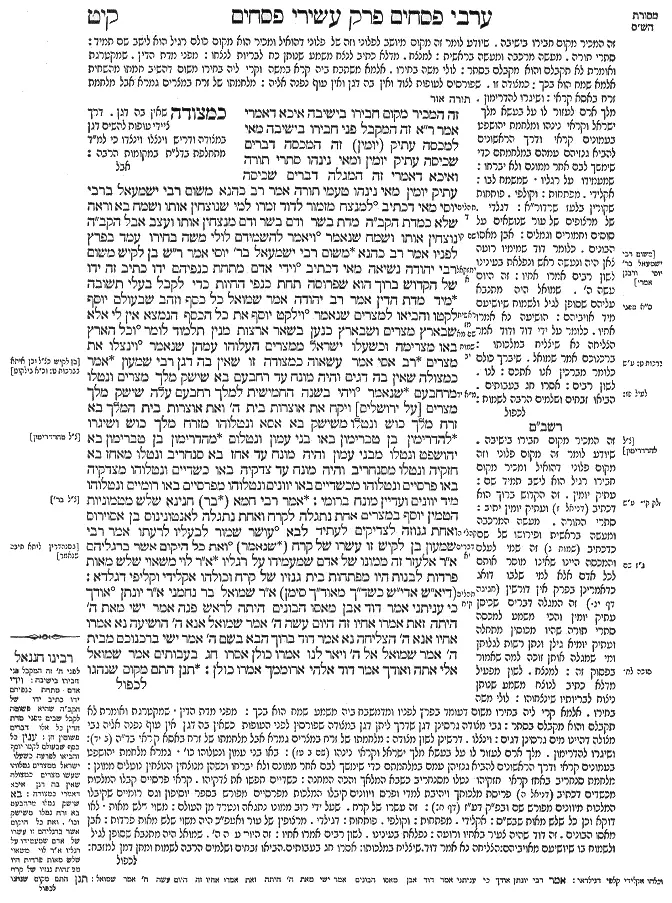
Pesahim 119a - Guemara
זה המכיר מקום חבירו בישיבה איכא דאמרי אמר ר"א זה המקבל פני חבירו בישיבה מאי למכסה עתיק (יומין) זה המכסה דברים שכיסה עתיק יומין ומאי נינהו סתרי תורה ואיכא דאמרי זה המגלה דברים שכיסה עתיק יומין מאי נינהו טעמי תורה אמר רב כהנא משום רבי ישמעאל ברבי יוסי מאי דכתיב (תהלים ד, א) למנצח מזמור לדוד זמרו למי שנוצחין אותו ושמח בא וראה שלא כמדת הקב"ה מדת בשר ודם בשר ודם מנצחין אותו ועצב אבל הקב"ה נוצחין אותו ושמח שנאמר (תהלים קו, כג) ויאמר להשמידם לולי משה בחירו עמד בפרץ לפניו אמר רב כהנא משום רבי ישמעאל בר' יוסי אמר ר"ש בן לקיש משום רבי יהודה נשיאה מאי דכתיב (יחזקאל א, ח) וידי אדם מתחת כנפיהם ידו כתיב זה ידו של הקדוש ברוך הוא שפרוסה תחת כנפי החיות כדי לקבל בעלי תשובה מיד מדת הדין אמר רב יהודה אמר שמואל כל כסף וזהב שבעולם יוסף לקטו והביאו למצרים שנאמר (בראשית מז, יד) וילקט יוסף את כל הכסף הנמצא אין לי אלא שבארץ מצרים ושבארץ כנען בשאר ארצות מנין תלמוד לומר (בראשית מא, נז) וכל הארץ באו מצרימה וכשעלו ישראל ממצרים העלוהו עמהן שנאמר (שמות יב, לו) וינצלו את מצרים רב אסי אמר עשאוה כמצודה זו שאין בה דגן רבי שמעון אמר כמצולה שאין בה דגים והיה מונח עד רחבעם בא שישק מלך מצרים ונטלו מרחבעם שנאמר (מלכים א יד, כה) ויהי בשנה החמישית למלך רחבעם עלה שישק מלך מצרים [על ירושלים] ויקח את אוצרות בית ה' ואת אוצרות בית המלך בא זרח מלך כוש ונטלו משישק בא אסא ונטלוהו מזרח מלך כוש ושיגרו להדרימון בן טברימון באו בני עמון ונטלום מהדרימון בן טברימון בא יהושפט ונטלו מבני עמון והיה מונח עד אחז בא סנחריב ונטלו מאחז בא חזקיה ונטלו מסנחריב והיה מונח עד צדקיה באו כשדיים ונטלוהו מצדקיה באו פרסיים ונטלוהו מכשדיים באו יוונים ונטלוהו מפרסיים באו רומיים ונטלוהו מיד יוונים ועדיין מונח ברומי:
אמר רבי חמא (בר) חנינא שלש מטמוניות הטמין יוסף במצרים אחת נתגלה לקרח ואחת נתגלה לאנטונינוס בן אסוירוס ואחת גנוזה לצדיקים לעתיד לבא (קהלת ה, יב) עושר שמור לבעליו לרעתו אמר רבי שמעון בן לקיש זו עשרו של קרח (שנאמר) (דברים יא, ו) ואת כל היקום אשר ברגליהם א"ר אלעזר זה ממונו של אדם שמעמידו על רגליו א"ר לוי משאוי שלש מאות פרדות לבנות היו מפתחות בית גנזיו של קרח וכולהו אקלידי וקליפי דגלדא:
(דיא"ש אדי"ש כשד"ך מאוד"ך סימן) א"ר שמואל בר נחמני א"ר יונתן (תהלים קיח, כא) אודך כי עניתני אמר דוד אבן מאסו הבונים היתה לראש פנה אמר ישי מאת ה' היתה זאת אמרו אחיו זה היום עשה ה' אמר שמואל אנא ה' הושיעה נא אמרו אחיו אנא ה' הצליחה נא אמר דוד ברוך הבא בשם ה' אמר ישי ברכנוכם מבית ה' אמר שמואל אל ה' ויאר לנו אמרו כולן אסרו חג בעבותים אמר שמואל אלי אתה ואודך אמר דוד אלהי ארוממך אמרו כולן:
תנן התם מקום שנהגו
Comments from Rashi on Masechet Pesahim Page 119a
זה המכיר מקום חבירו בישיבה . שיודע לומר זה מקום מיושב לפלוני וזה של פלוני דהואיל ומכיר הוא מקום כולם רגיל הוא לישב שם תמיד: סתרי תורה . מעשה מרכבה ומעשה בראשית: למנצח . מדלא כתיב לנצח משמע שנותן כח לבריות לנצחו: לולי משה בחירו . אלמא משתבח ביה קרא במשה וקרי ליה בחירו משום דהשיב חמתו מהשחית אלמא שמח הוא בכך: מפני מדת הדין . שמקטרגת ואומרת לא תקבלם והוא מקבלם בסתר: כמצודה זו . שפורסים לעופות לצוד ואין בה דגן ואין עוף נפנה אליה: מלחמתו של זרח במצרים גמרא אבל מלחמת זרח באסא קראי: מלחמתו של זרח במצרים גמרא אבל מלחמת זרח באסא קראי: ושיגרו להדרימון . מלך ארם לעזור לו על בעשא מלך ישראל וקראי נינהו ומלחמת יהושפט בעמונים קראי ודרך הראשונים להביא גנזיהם עמהם במלחמתם כדי שימשך לבם אחר ממונם ולא יברחו: שמעמידו על רגליו . שמשמח לבו: אקלידי . מפתחות: וקולפי . פותחות שקורין בלעז שרדור"א (שירידור"א: מנעול) : דגלדי . של מרצופים של עור שנושאים על סוסים וחמורים וגמלים: אבן מאסו הבונים . כלומר דוד שמימיו רועה צאן היה ונעשה ראש ונפלאת בעינינו לשון רבים אמרו אחיו: זה היום עשה ה' . שמואל היה מתנבא עליהם שסופן לגיל ולשמוח שיושיעם מיד אויביהם: הושיעה נא אמרו אחיו . כלומר על ידי דוד ודוד אמר הצליחה נא שיצליח במלכותו: אסרו חג בעבותים . הביאו זבחים ושלמים הרבה לשמוח: ברכנוכם אמר שמואל . שיברך כולם כלומר מברכין אנו אתכם: לנו . לשון רבים: אסרו חג בעבותים . הביאו זבחים ושלמים הרבה לשמוח:
Comments from Rashbam - Pesahim 119a
זה המכיר מקום חבירו בישיבה . שיודע לומר זה מקום פלוני וזה מקום פלוני דהואיל ומכיר מקום חבירו רגיל הוא לישב תמיד שם: עתיק יומין . זה הקדוש ברוך הוא דכתיב (דניאל ז) ועתיק יומין יתיב סתרי התורה . מעשה המרכבה ומעשה בראשית ופירושו של שם כדכתיב (שמות ג) זה שמי לעלם והמכסה היינו שאינו מוסר אותם לכל אדם אלא למי שלבו דואג כדאמרינן בפרק אין דורשין (חגיגה דף יג.) זה המגלה דברים שכיסן עתיק יומין והכי משמע למכסה סתרי תורה שהיו מכוסין מתחלה ועתיק יומיא גילן ונתן רשות לגלותן ומי שמגלה אותן זוכה למה שאמור בפסוק זה: למנצח . לשון מפעיל מדלא כתיב לנוצח משמע שנותן ניצוח לבריותיו שינצחוהו: לולי משה בחירו . אלמא קרי ליה בחירו משום דעומד בפרץ לפניו ומדמשבח ביה משמע שמח הוא בכך: מפני מדת הדין . שמקטרגת ואומרת לא תקבלם והוא מקבלם בסתר: גבי מצודה גרסינן דגן שדרך ליתן דגן במצודה שפורסין לפני העופות כשאין בה דגן אין עוף נפנה אליה גבי מצולה דהיינו מים גרסינן דגים: וינצלו . דרשינן לשון מצודה: מלחמתו של זרח במצרים גמרא אבל מלחמתו של זרח באסא קראי בד''ה (ב יד): ושיגרו להדרימון . מלך ארם לעזור לו על בעשא מלך ישראל וקראי נינהו (שם ב טז): באו בני עמון ונטלוהו כו' . גמרא מלחמת יהושפט בעמונים קראי ודרך הראשונים להביא גנזיהן עמם במלחמתם כדי שימשך לבם אחר ממונם ולא יברחו וכשהן מנוצחין הנוצחין נוטלים ממונן: מלחמת סנחריב באחז קראי חזקיהו נטלו מסנחריב כשבא המלאך והכה המחנה: כשדיים תפשו את צדקיהו . קראי פרסיים קבלו המלכות מכשדים דכתיב (דניאל ה) פריסת מלכותך ויהיבת למדי ופרס ויוונים קיבלו המלכות מפרסיים מפורש בספר יוסיפון וגם רומיים שקיבלו המלכות מיוונים מפורש שם ובפ''ק דע''ז (דף ח:): זה עשרו של קרח . שעל ידי רוב ממונו נתגאה ונטרד מן העולם: משוי שלש מאות . לאו דוקא וכן כל שלש מאות שבש''ס: אקלידי . מפתחות: דגילדי . מרצופין של עור ואעפ''כ היה משוי שלש מאות פרדות וקולפי . פותחות: אבן מאסו הבונים . זה דוד שהיה צעיר באחיו ורועה: נפלאת בעינינו . לשון רבים אמרו אחיו: זה היום עשה ה' . שמואל היה מתנבא שסופן לגיל ולשמוח בו שיושיעם מאויביהם: הצליחה נא אמר דוד . שיצליח במלכותו: אסרו חג בעבותים . הביאו זבחים ושלמים הרבה לשמוח ומתן דמן למזבח:
Comments from Tosafot - Pesahim 119a
כמצודה שאין בה דגן . דרך ציידי עופות להשים דגן במצודה ודריש וינצלו וינצלו כי למ"ד מתחלפת בדל"ת במקומות הרבה:
Pesahim 119a - Mishnah translated into english
This is one who recognizes his colleague’s place in the yeshiva, as he is there often enough to know where everyone sits. Some say that Rabbi Elazar said a different explanation: This is one who greets his colleague in the yeshiva, as he is always there to meet him.
The Gemara asks: What is the meaning of the continuation of this verse: “For stately clothing [limekhaseh atik]” This is one who conceals [mekhaseh] matters that the Ancient of Days [atik yomin], i.e., God, concealed. And what are these? These are the secrets of the Torah, the esoteric Act of Creation and the Act of the Divine Chariot, which should remain hidden. And some say: This verse is referring to one who reveals matters that the Ancient of Days concealed. And what are these? These are the reasons for different mitzvot in the Torah, which should be kept secret.
The Gemara cites another statement attributed to Rabbi Yishmael, son of Rabbi Yosei. Rav Kahana said, citing Rabbi Yishmael, son of Rabbi Yosei: What is the meaning of that which is written: “Lamenatzeaḥ a psalm of David” (e.g., Psalms 13:1)? It means: Sing to the One who rejoices when conquered [shenotzḥin oto].
Come and see how the characteristics of the Holy One, Blessed be He, are unlike the characteristics of flesh and blood: When a flesh and blood person is conquered, he is sad; however, when the Holy One, Blessed be He, is conquered, He rejoices, as it is stated: “Therefore He said that He would destroy them, had not Moses His chosen stood before Him in the breach, to turn back His wrath lest He should destroy them” (Psalms 106:23). In this verse Moses is called “His chosen,” although he defeated God, as it were, by preventing Him from destroying the Jewish people.
Furthermore, Rav Kahana said, citing Rabbi Yishmael, son of Rabbi Yosei, who said that Rabbi Shimon ben Lakish said, citing Rabbi Yehuda Nesia: What is the meaning of that which is written in the description of the sacred ḥayyot, the angels that carried the Divine chariot: “And they had the hands of a man under their wings” (Ezekiel 1:8)? Although the word is read hands in the plural, actually “his hand” is written in the singular. This is the hand of the Holy One, Blessed be He, that is spread under the wings of the ḥayyot to accept penitents from the claims of the attribute of justice. God accepts sincere penitents, despite the fact that in accordance with the strict attribute of justice they should not be given the opportunity to repent.
Rav Yehuda said that Shmuel said: Joseph collected all the silver and gold in the world and brought it to Egypt, as it is stated: “And Joseph collected all the money found in the land of Egypt and in the land of Canaan” (Genesis 47:14). I have derived only that he collected the money that was in the land of Egypt and that was in the Land of Canaan. From where do I derive that he also collected all the money that was in other lands? The verse states “And all the land came to Egypt to buy food from Joseph, because the famine was sore in all the earth” (Genesis 41:57).
And when the Jewish people ascended from Egypt they took this treasure with them, as it is stated: “They despoiled [vayenatzlu] Egypt” (Exodus 12:36). The Sages explain this term. Rav Asi said: They made Egypt like this trap [metzuda] for birds, where grain is usually placed as bait, in which there is no grain. Rabbi Shimon said: They made Egypt like the depths [kimetzula] of the sea in which there are no fish.
And this treasure remained in Eretz Yisrael until the time of Rehoboam, at which point Shishak, king of Egypt, came and took it from Rehoboam, as it is stated: “And it came to pass in the fifth year of king Rehoboam, that Shishak king of Egypt came up against Jerusalem. And he took the treasures of the house of the Lord, and the treasures of the king’s house; and he took away all” (I Kings 14:25–26). Zerah, king of Kush, who ruled over Egypt, later came and took it from Shishak.
Asa came and took it from Zerah, king of Kush, when he defeated him in battle (II Chronicles 14) and sent it to Hadrimmon ben Tabrimmon, king of Aram (see I Kings 15). The children of Ammon came and took it from Hadrimmon ben Tabrimmon, as learned by tradition. Jehosaphat came and took it from the children of Ammon (see II Chronicles 20), and it remained in Eretz Yisrael until the reign of Ahaz.
Sennacherib came and took it from Ahaz. Hezekiah came and took it from Sennacherib, and it remained in Jerusalem until the reign of Zedekiah. The Chaldeans came and took it from Zedekiah. The Persians came and took it from the Chaldeans. The Greeks came and took it from the Persians. The Romans came and took it from the Greeks, and this treasure of silver and gold still remains in Rome.
With regard to this matter, Rabbi Ḥama bar Ḥanina said: Joseph hid three treasures in Egypt. One of them was revealed to Korah, one was revealed to Antoninos ben Asveiros, king of Rome, and one is hidden for the righteous in the future.
With regard to Korah’s wealth, the Gemara cites the verse: “Riches kept by his owner to his hurt” (Ecclesiastes 5:12). Rabbi Shimon ben Lakish said: This is the wealth of Korah, which caused him to grow arrogant and lead to his destruction. As it is stated: “And what He did to Dathan and Abiram, the sons of Eliab, son of Reuben; how the earth opened her mouth and swallowed them up, and their households, and their tents, and all the sustenance that was at their feet” (Deuteronomy 11:6). Rabbi Elazar said: This is referring to a person’s money that stands him upon his own two feet. Rabbi Levi said: The keys to Korah’s treasuries were a load of three hundred strong white mules, and they were all keys [aklidei] and locks made of leather.
Dalet, yod, alef, shin, alef, dalet, yod, shin, khaf, shin, dalet, khaf, mem, alef, vav, dalet, khaf is a mnemonic device for the following passage. Returning to the issue of hallel, the Gemara states that these psalms include choruses in which each section is sung by a different person. Rabbi Shmuel bar Naḥmani said that Rabbi Yonatan said that David recited: “I will give thanks to You, for You have answered me” (Psalms 118:21), with regard to the success of his reign. Yishai recited: “The stone which the builders rejected has become the chief keystone” (Psalms 118:22). The brothers of David recited: “This is the Lord’s doing; it is marvelous in our eyes” (Psalms 118:23). Samuel the Prophet recited: “This is the day which the Lord has made; we will rejoice and be glad in it” (Psalms 118:24).
The brothers of David recited: “We beseech You, Lord, save now” (Psalms 118:25). David recited: “We beseech You, Lord, make us prosper now” (Psalms 118:25). Yishai recited: “Blessed be he who comes in the name of the Lord” (Psalms 118:26). Samuel recited: “We bless you out of the house of the Lord” (Psalms 118:26). They all recited: “The Lord is God, and has given us light” (Psalms 118:27). Samuel recited: “Order the Festival procession with boughs, even to the horns of the altar” (Psalms 118:27). David recited: “You are my God, and I will give thanks to You” (Psalms 118:28). They all recited: “You are my God, I will exalt You” (Psalms 118:28).
We learned in a mishna there, in Sukka: In a place where they were accustomed
Traduction : The William Davidson digital edition of the Koren Noé Talmud, with commentary by Rabbi Adin Even-Israel Steinsaltz.