 Talmud Bavli
Pesahim 10a : Youtube
Daf TubeYoutube
4 video classes :
Pesahim Page 10a
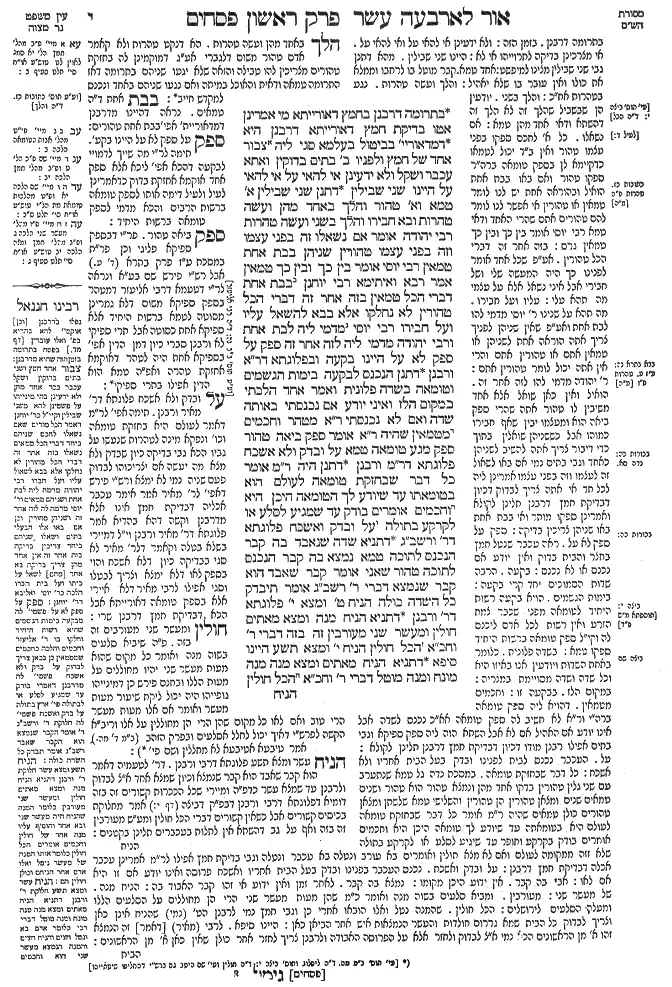
Pesahim 10a - Guemara
בתרומה דרבנן בחמץ דאורייתא מי אמרינן אטו בדיקת חמץ דאורייתא דרבנן היא דמדאוריי' בביטול בעלמא סגי ליה צבור אחד של חמץ ולפניו ב' בתים בדוקין ואתא עכבר ושקל ולא ידעינן אי להאי על אי להאי על היינו שני שבילין דתנן שני שבילין א' טמא וא' טהור והלך באחד מהן ועשה טהרות ובא חבירו והלך בשני ועשה טהרות רבי יהודה אומר אם נשאלו זה בפני עצמו וזה בפני עצמו טהורין שניהן בבת אחת טמאין רבי יוסי אומר בין כך ובין כך טמאין אמר רבא ואיתימא רבי יוחנן בבת אחת דברי הכל טמאין בזה אחר זה דברי הכל טהורין לא נחלקו אלא בבא להשאל עליו ועל חבירו רבי יוסי מדמי ליה לבת אחת ורבי יהודה מדמי ליה לזה אחר זה ספק על ספק לא על היינו בקעה ובפלוגתא דר"א ורבנן דתנן הנכנס לבקעה בימות הגשמים וטומאה בשדה פלונית ואמר אחד הלכתי במקום הלז ואיני יודע אם נכנסתי באותה שדה ואם לא נכנסתי ר"א מטהר וחכמים מטמאין שהיה ר"א אומר ספק ביאה טהור ספק מגע טומאה טמא על ובדק ולא אשכח פלוגתא דר"מ ורבנן דתנן היה ר"מ אומר כל דבר שבחזקת טומאה לעולם הוא בטומאתו עד שיודע לך הטומאה היכן היא וחכמים אומרים בודק עד שמגיע לסלע או לקרקע בתולה על ובדק ואשכח פלוגתא דר' ורשב"ג דתניא שדה שנאבד בה קבר הנכנס לתוכה טמא נמצא בה קבר הנכנס לתוכה טהור שאני אומר קבר שאבד הוא קבר שנמצא דברי ר' רשב"ג אומר תיבדק כל השדה כולה הניח ט' ומצא י' פלוגתא דר' ורבנן דתניא הניח מנה ומצא מאתים חולין ומעשר שני מעורבין זה בזה דברי ר' וחכ"א הכל חולין הניח י' ומצא תשע היינו סיפא דתניא הניח מאתים ומצא מנה מנה מונח ומנה מוטל דברי ר' וחכ"א הכל חולין
Comments from Rashi on Masechet Pesahim Page 10a
בתרומה דרבנן . בזמן הזה: ולא ידעינן אי להאי על ואי להאי על . אי מצרכינן בדיקה לתרוייהו אי לא: היינו שני שבילין . מהא דתנן גבי שני שבילין מצינו למיפשט: אחד טמא . קבר מוטל בו לרחבו וממלא את כולו ואין עובר בו שלא יאהיל: והלך ועשה טהרות . נגע בטהרות אח"כ: והלך בשני . יודעין הן שבשביל שהלך זה לא הלך זה דהשתא ודאי אחד מהן טמא: אם נשאלו . כל א' לחכם ספקו בפני עצמו טהור ואין ב"ד יכול לטמאו כדקיימא לן בספק טומאה ברה"ר ספקו טהור ואם באו בבת אחת הואיל ובהוראה אחת יש לנו לומר טמאין או טהורין אי אפשר לנו לומר להם טהורים אתם שהרי האחד ודאי טמא ר' יוסי אומר בין כך ובין כך טמאין גרס: בזה אחר זה דברי הכל טהורין . אע"פ שכל אחד אומר לפנינו כך היה המעשה שלי ושל חבירי אבל איני נשאל אלא על עצמי מה תהא עלי: עליו ועל חבירו . מה תהא על שנינו ר' יוסי מדמי להו לבת אחת ואע"פ שאין שניהן לפניך צריך אתה הוראה אחת לשניהן או טמאין אתם או טהורין אתם והרי אין אתה יכול לומר טהורין אתם: ר' יהודה מדמי להו לזה אחר זה . הואיל ואין כאן שואל אלא אחד משיבין לו טהור אתה שהרי ספק ביאה הוא ומעצמו יבין שאף חבירו כמוהו אבל כששניהן שואלין בתוך כדי דיבור צריך אתה להשיב לשניהן כאחד וגבי בתים נמי אם באו לשאול זה לעצמו וזה בפני עצמו אמרינן ליה לכל חד אי אתה צריך לבדוק דכיון דבדיקת חמץ דרבנן תלינן לקולא ואמרינן ספקו מותר ואי בבת אחת באו שניהן צריכין בדיקה: ספק על ספק לא על . ראה עכבר שנטל חמץ בחצר והבית בדוק ואין יודע אם נכנס או לא נכנס: בקעה . הרבה שדות הסמוכים יחד קרי בקעה: בימות הגשמים . הויא בקעה רשות היחיד לטומאה מפני שכבר צמח הזרע ואין רשות לכל אדם ליכנס לה וקי"ל ספק טומאה ברשות היחיד ספקו טמא: בשדה פלונית . כלומר באחת השדות ויודעין אנו באיזו היא וכל שדה ושדה מסויימת במצריה: במקום הלז . בבקעה זו: וחכמים מטמאין . דהויא ליה ספק טומאה ברה"י ור"א לא חשיב לה ספק טומאה אא"כ נכנס לשדה אבל אינו יודע אם האהיל אם לא אבל השתא הוה ליה ספק ספיקא וגבי בתים אפילו רבנן מודו דכיון דבדיקת חמץ דרבנן תלינן לקולא: כל דבר שבחזקת טומאה . במסכת נדה גל טמא שנתערב עם שני גלין טהורין בדקו אחד מהן ונמצא טהור הוא טהור ושנים טמאים שנים ומצאן טהורין הן טהורין והשלישי טמא שלשתן ומצאן טהורים כולן טמאים שהיה ר"מ אומר כל דבר שבחזקת טומאה לעולם היא בטומאתה עד שיודע לך טומאה היכן היא וחכמים אומרים בודק בקרקע וחופר עד שיגיע לסלע או לקרקע בתולה שלא זזה ממקומה לעולם ואם לא מצא תולין ואומרים בא עורב ונטלה בא עכבר ונטלה וגבי בדיקת חמץ אפילו לר"מ אמרינן עכבר אכלה דבדיקת חמץ דרבנן: על ובדק ואשכח . נכנס העכבר בפנינו ובדק בעל הבית אחריו ואשכח פרוסה ואינו יודע אם זו היא אם לאו: אבד בה קבר . אין ידוע היכן מקומו: נמצא בה קבר . לאחר זמן ואין ידוע אי זהו קבר האבוד בה: הניח מנה . של מעשר שני: מעורבין . ומביא סלעים בשוה מנה ואומר כל מקום שהן מעות מעשר שני הרי הן מחוללים על הסלעים הללו ומעלה הסלעים לירושלים: הכל חולין . שהמנה נטל ואלו הובאו אחרי כן וגבי חמץ נמי לרבנן הט' (נמי) שהניח אינן כאן וצריך לבדוק כל הבית שמא גררום חולדות והעשר הנמצאות איש אחר הביאן כאן: היינו סיפא . לרבי (מאיר) [דאמר] זה הנמצא זהו א' מן הראשונים הכא נמי א"צ לבדוק ולחזר אלא על הפרוסה האבודה ולרבנן צריך לחזר אחר כולן שאין כאן א' מן הראשונים:
Comments from Tosafot - Pesahim 10a
הלך באחד מהן ועשה טהרות . הא דנקט טהרות ולא קאמר אדם טהור משום דלגברי אע"ג דמוקמינן לה בחזקת טהורים מצריכין להו טבילה והזאה שלא יגעו שניהם בתרומה דאז התרומה טמאה ודאית והאוכל במיתה ואם נגעו שניהם באחד ונכנס למקדש חייב: בבת אחת ד"ה טמאים . נראה דהיינו מדרבנן דמדאוריית' אפי' בבת אחת טהורים: ספק על ספק לא על היינו בקע' . תימה לר"י מה שייך לדמויי לבקעה דהכא אפי' ליכא אלא ספק אחד אוקמא אחזקת בדוק כדאמרינן לעיל ולעיל דימה אותו לספק טומאה ברשות הרבים והכא מדמי לספק טומאה ברשות היחיד: ספק ביאה טהור . פר"י דבספק ספיקא פליגי וכן פר"ת במסכת ע"ז פרק בתרא (ד' ע.) אבל רש"י פירש שם בע"א ונראה לר"י דטעמא דרבי אליעזר דמטהר בספק ספיקא משום דלא גמרינן מסוטה לטמא ברשות היחיד אלא ספיקא אחת כסוטה אבל תרי ספיקי לא ורבנן סברי כיון דמן הדין אפי' בספיקא אחת היה לטהר דאוקמא אחזקת טהרה ואפ"ה טמא הוא הדין אפילו בתרי ספיקי: על ובדק ולא אשכח פלוגתא דר' מאיר ורבנן . תימה אפי' לר"מ דאמר לעולם היא בחזקת טומאה וכו' ונפקא מינה לטהרות שנעשו על גביו הכא גבי בדיקה כיון שבדק ולא מצא מה יעשה אם יצריכוהו לבדוק פעם שניה נמי לא ימצא ורש"י פירש דאפי' לר' מאיר אמר אימר עכבר אכליה דבדיקת חמץ אינו אלא מדרבנן וקשה דהא בהדיא אמר פלוגתא דר' מאיר ורבנן וי"ל דמיירי בשלא בטלה וקאמר דלר' מאיר לא סגי בבדיקה כיון דלא אשכח והוי בספק לאו דלא ימצא וצריך לבטלו וסגי אפילו לרבי מאיר דלא איירי אלא בספק טומאה דאורייתא אבל הכא דבדיקת חמץ דרבנן שרי: חולין ומעשר שני מעורבים זה בזה . פ"ה שיביא סלעים בשוה מנה ואומר כל מקום שהוא מעות מעשר שני יהיו מחוללים על מעות הללו ובחנם פירש כן דמינייהו גופייהו היה יכול ליקח שיעור מעות מעשר ואומר אם אלו מעות מעשר הרי טוב ואם לאו כל מקום שהן הרי הן מחוללין על אלו וריב"א הקשה לפרש"י דאיך יכול לחלל אסלעים ובפרק הזהב (ב"מ ד' מה.) אמר טיבעא אטיבעא לא מחללין ושם פי': הניח עשר ומצא תשע פלוגתא דרבי ורבנן . דר' לטעמיה דאמר הוא קבר שאבד הוא קבר שנמצא וכיון שמצא אחד א"צ לבדוק ולרבנן עד שמצא עשר כדפ"ה ומיירי שכל הככרות קשורים זה בזה דומיא דפלוגתא דרבי ורבנן דבפ"ק דביצה (דף י:) אמר מחלוקת בכיסים קשורים אבל כשאין קשורים דברי הכל חולין ומע"ש מעורבין זה בזה ואף על גב דהשתא אין לתלות בעכברים תלינן בקטנים:
Pesahim 10a - Mishnah translated into english
only with regard to teruma that in modern times is sacred by rabbinic law, as the Torah obligation to separate teruma was abrogated after the destruction of the First Temple. However, with regard to leavened bread, which is prohibited by Torah law, do we say that this principle applies? The Gemara responds: Is that to say that the search for leavened bread is required by Torah law? It is a rabbinic ordinance, as by Torah law, mere nullification is sufficient. Since the issue at hand is not the Torah prohibition of leaven but the rabbinic ordinance to search one’s house, this halakha is comparable to the case of baskets of teruma and non-sacred produce.
The Gemara presents another situation: In a case where there is one pile of leavened bread and before it there are two houses that were searched, and a mouse came and took a morsel from the pile, and we do not know if it entered this house or if it entered that house, this is akin to the case of two paths, as we learned in a mishna: There were two paths, one of which was ritually impure due to a corpse buried there, and one of which was ritually pure. And someone walked on one of them, but he does not remember which, and afterward he engaged in handling items of ritual purity, e.g., teruma or consecrated items; and another person came and walked on the second path, and he too does not remember which path it was, and he also engaged in handling items of ritual purity.
Rabbi Yehuda says: If this one asked a Sage by himself, and that one asked a Sage by himself, they are both pure. When considered separately, each person retains his presumptive status of ritual purity. However, if they both came to ask at the same time, they are both ritually impure. Since one of the two certainly passed on the impure path, even though it is uncertain which, both are deemed impure due to that uncertainty. Rabbi Yosei says: One way or another they are both ritually impure.
Rava said, and some say it was Rabbi Yoḥanan who said: If they came at the same time, everyone agrees that they are ritually impure, as even Rabbi Yehuda concedes that this is the halakha. If they came independently, one after the other, everyone agrees that they are ritually pure. They disagree only with regard to a case where one comes to ask about himself and about the other. Rabbi Yosei likens this case to one where they come to ask at the same time, and Rabbi Yehuda likens it to a case where they come one after the other.
The Gemara addresses another case: If one saw a mouse take leaven and there is uncertainty whether the mouse entered a house that was already searched and uncertainty whether the mouse did not enter that house, that is akin to the halakha of ritual impurity in a valley, and is subject to the dispute between Rabbi Eliezer and the Rabbis.
As we learned in a mishna with regard to one who enters a valley during the rainy season, when seeds are sprouting, people do not have permission to wander in the field of another, as they might harm the plants. For the purpose of this halakha a valley in the rainy season is considered a private domain, and there is a general principle that in the case of uncertainty concerning whether or not one contracted ritual impurity in a private domain he is ritually impure. And if there was ritual impurity in a certain field, and one person said: I walked in that place, in the valley, and I do not know whether I entered that field or whether I did not enter, Rabbi Eliezer deems him pure, and the Rabbis deem him impure.
Rabbi Eliezer deems him pure, as Rabbi Eliezer would say: Concerning uncertainty with regard to entry, i.e., whether or not he entered the place, he is ritually pure; however, if one certainly entered the place and the uncertainty is with regard to contact with ritual impurity, he is ritually impure. According to this opinion, the principle with regard to uncertain impurity in the private domain applies only in a case where the uncertainty is with regard to contact. The Rabbis, however, do not distinguish between these situations, as they maintain he is impure regardless of whether the uncertainty is with regard to entry or with regard to contact. This dispute applies to the case of whether or not one is required to conduct an additional search for leaven in a case where there is uncertainty whether or not leaven was taken into the house.
The Gemara discusses another case: If one saw a mouse enter a house with leaven in its mouth and someone searched and did not find any leaven there, this is akin to the dispute between Rabbi Meir and the Rabbis. As we learned in a mishna, Rabbi Meir would say: Any object that has the presumptive status of ritual impurity, i.e., it is certain that an impure object was buried in a particular place, that place forever remains in its ritual impurity, even if it was excavated and the source of impurity was not found, until it becomes known to you where the ritual impurity is. The assumption is that the impurity was not found because the search was not conducted properly.
And the Rabbis say in this case: He continues searching until he reaches bedrock or virgin soil, under which there is certainly no ritual impurity. If he searched that extensively and failed to discover any impurity, it is apparently no longer there. This dispute applies to the aforementioned case involving leaven.
The Gemara analyzes yet another case: If one saw a mouse enter a house with leaven in its mouth and one searched and found a morsel of leaven there, but there is uncertainty whether or not the morsel that he found is the morsel that the mouse took into the house, this would be akin to the dispute between Rabbi Yehuda HaNasi and Rabban Shimon ben Gamliel.
As it was taught in a baraita: With regard to a field in which a grave was lost, i.e., there is certainly a grave located in the field but its precise location is unknown, one who enters the field is ritually impure, as he might have stepped on the grave. If a grave was later found and marked in the field, one who enters and walks on the other parts of the field is ritually pure, as I say: The grave that was previously lost is the grave that was subsequently found. This is the statement of Rabbi Yehuda HaNasi. Rabban Shimon ben Gamliel says: The entire field must be searched, as perhaps the grave discovered is not the one that was lost. This dispute applies to the above case of leaven.
The Gemara discusses another situation: If a person placed nine morsels of leaven and found ten, indicating that mice had added at least one morsel, this is akin to the dispute between Rabbi Yehuda HaNasi and the Rabbis. As it was taught in a baraita with regard to a person who placed a maneh, one hundred dinars, of second tithe, and found two hundred dinars: Since it is evident that someone came and placed at least one extra maneh there whose status is unclear, the pile is presumed to contain non-sacred money and second-tithe money intermingled with each other. The assumption is that the additional money is non-sacred, and it is impossible to determine which is the non-sacred money and which is the second-tithe money. This is the statement of Rabbi Yehuda HaNasi.
And the Rabbis say: It is all non-sacred money. Since someone else was clearly involved, it is possible that he took the maneh and left behind two hundred other dinars. Consequently, it is impossible to identify any of this money as the original maneh. This same reasoning can be applied to the case of leaven. Since there were undoubtedly mice present, it is possible that the mice took the morsels, moved them, and replaced them with other morsels. As a result, the entire house must be searched again.
The Gemara raises the reverse situation. If one placed ten morsels and found nine, this is comparable to the case mentioned in the latter clause of that same baraita, as it was taught in the baraita: If one left two hundred dinars of second-tithe money and found a maneh, presumably, one maneh from the initial two hundred remains placed, and the other maneh is taken and missing. This is the statement of Rabbi Yehuda HaNasi.
And the Rabbis say, in keeping with their aforementioned opinion: It is all non-sacred money, as the assumption is that whoever took part of the money actually took it all, and this is a different maneh. Since it is different money, it is presumably non-sacred money, not second-tithe money. This dispute applies to the case where one finds fewer morsels of leaven than he left.
Traduction : The William Davidson digital edition of the Koren Noé Talmud, with commentary by Rabbi Adin Even-Israel Steinsaltz.