 Talmud Bavli
Pesahim 110a : Youtube
Daf TubeYoutube
3 video classes :
Pesahim Page 110a
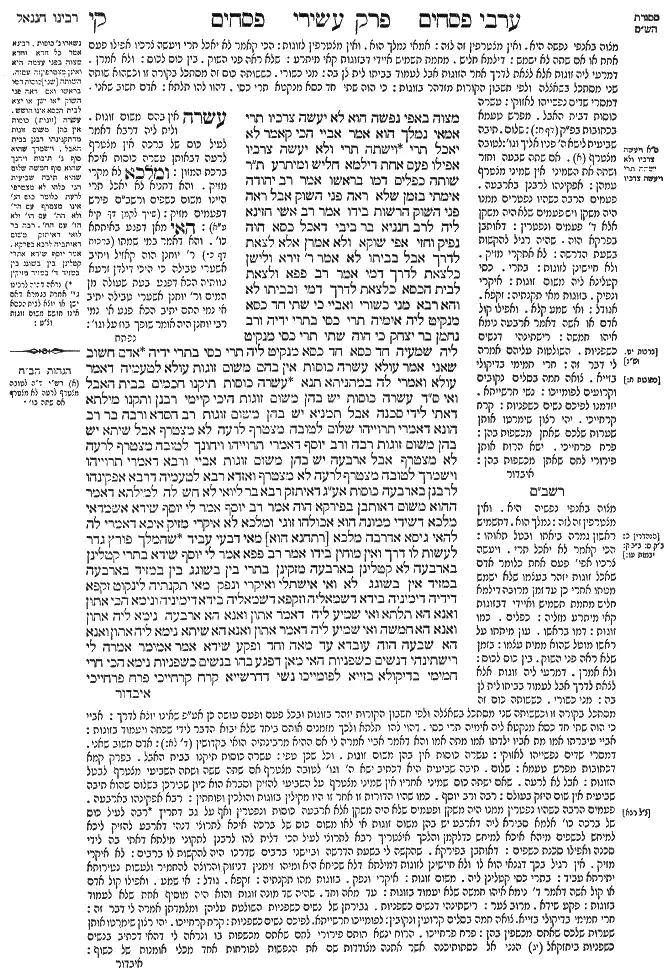
Pesahim 110a - Guemara
מצוה באפי נפשה הוא לא יעשה צרכיו תרי אמאי נמלך הוא אמר אביי הכי קאמר לא יאכל תרי וישתה תרי ולא יעשה צרכיו אפילו פעם אחת דילמא חליש ומיתרע ת"ר שותה כפלים דמו בראשו אמר רב יהודה אימתי בזמן שלא ראה פני השוק אבל ראה פני השוק הרשות בידו אמר רב אשי חזינא ליה לרב חנניא בר ביבי דאכל כסא הוה נפיק וחזי אפי שוקא ולא אמרן אלא לצאת לדרך אבל בביתו לא אמר ר' זירא ולישן כלצאת לדרך דמי אמר רב פפא ולצאת לבית הכסא כלצאת לדרך דמי ובביתו לא והא רבא מני כשורי ואביי כי שתי חד כסא מנקיט ליה אימיה תרי כסי בתרי ידיה ורב נחמן בר יצחק כי הוה שתי תרי כסי מנקיט ליה שמעיה חד כסא חד כסא מנקיט ליה תרי כסי בתרי ידיה אדם חשוב שאני אמר עולא עשרה כוסות אין בהם משום זוגות עולא לטעמיה דאמר עולא ואמרי לה במתניתא תנא עשרה כוסות תיקנו חכמים בבית האבל ואי ס"ד עשרה כוסות יש בהן משום זוגות היכי קיימי רבנן ותקנו מילתא דאתי לידי סכנה אבל תמניא יש בהן משום זוגות רב חסדא ורבה בר רב הונא דאמרי תרוייהו שלום לטובה מצטרף לרעה לא מצטרף אבל שיתא יש בהן משום זוגות רבה ורב יוסף דאמרי תרוייהו ויחונך לטובה מצטרף לרעה לא מצטרף אבל ארבעה יש בהן משום זוגות אביי ורבא דאמרי תרוייהו וישמרך לטובה מצטרף לרעה לא מצטרף ואזדא רבא לטעמיה דרבא אפקינהו לרבנן בארבעה כוסות אע"ג דאיתזק רבא בר ליואי לא חש לה למילתא דאמר ההוא משום דאותבן בפירקא הוה אמר רב יוסף אמר לי יוסף שידא אשמדאי מלכא דשידי ממונה הוא אכולהו זוגי ומלכא לא איקרי מזיק איכא דאמרי לה להאי גיסא אדרבה מלכא [רתחנא הוא] מאי דבעי עביד שהמלך פורץ גדר לעשות לו דרך ואין מוחין בידו אמר רב פפא אמר לי יוסף שידא בתרי קטלינן בארבעה לא קטלינן בארבעה מזקינן בתרי בין בשוגג בין במזיד בארבעה במזיד אין בשוגג לא ואי אישתלי ואיקרי ונפק מאי תקנתיה לינקוט זקפא דידיה דימיניה בידא דשמאליה וזקפא דשמאליה בידא דימיניה ונימא הכי אתון ואנא הא תלתא ואי שמיע ליה דאמר אתון ואנא הא ארבעה נימא ליה אתון ואנא הא חמשה ואי שמיע ליה דאמר אתון ואנא הא שיתא נימא ליה אתון ואנא הא שבעה הוה עובדא עד מאה וחד ופקע שידא אמר אמימר אמרה לי רישתינהי דנשים כשפניות האי מאן דפגע בהו בנשים כשפניות נימא הכי חרי חמימי בדיקולא בזייא לפומייכו נשי דחרשייא קרח קרחייכי פרח פרחייכי
Comments from Rashi on Masechet Pesahim Page 110a
מצוה באנפי נפשה היא . ואין מצטרפין זה לזה: אמאי נמלך הוא . ואין מצטרפין לזוגות הכי קאמר לא יאכל תרי ויעשה צרכיו אפילו פעם אחת או אם שתה לא ישמש: דילמא חליש . מחמת תשמיש איידי דבזוגות קאי מיתרע: שלא ראה פני השוק . בין כוס לכוס: ולא אמרן . דמרעי ליה זוגות אלא לצאת לדרך אחר הזוגות אבל לעמוד בביתו לית לן בה: מני כשורי . כששותה כוס זה מסתכל בקורה זו וכשהוא שותה שני מסתכל בשאצלה ולפי חשבון הקורות מזדהר בזוגות: כי הוה שתי חד כסא מנקטא תרי כסי . דהוו להו תלתא: אדם חשוב שאני . דמסרי שדים נפשייהו לאזוקי: עשרה כוסות דבית האבל . מפרש טעמא בכתובות בפ"ק (דף ח:): שלום . תיבה שביעית לישא ה' פניו אליך וגו': לטובה מצטרף . אם שתה שבעה וחזר ושתה את השמיני אין שמיני מצטרף עמהן: אפקינהו לרבנן בארבעה . פעמים הרבה כשהיו נפטרים ממנו היה משקן ויש פעמים שלא היה משקן אלא ד' פעמים ונפטרין: דאותבן בפרקא הוה . שהיה רגיל להקשות בשעת הדרשה: לא אתקרי מזיק . ולא חיישינן לזוגות: בתרי . כסי קטלינא ליה משום זוגות: איקרי ונפיק . בזוגות מאי תקנתיה: זקפא . אגודל: ואי שמע קלא . ואפילו קול אדם או אשה דאמר ארבעה נימא איהו חמשה: רישתינהי דנשים כשפניות . השולטות עליהם אמרה לי דבר זה: חרי חמימי בדיקולי בזייא . צואה חמה בסלים נקובים וקרועים לפומייכו: נשי חרשייתא . יזדמנו לפיכם נשים כשפניות: קרח קרחייכי . יהי רצון שימרטו אותן שערות שלכם שאתן מכשפות בהן: פרח פרחייכי . ישא הרוח אותן פירורי לחם שאתן מכשפות בהן:
Comments from Rashbam - Pesahim 110a
מצוה באנפי נפשיה היא . ואין מצטרפין זה לזה: נמלך הוא . דתשמיש ראשון גמרה ביאתו ובטל תאותו: הכי קאמר לא יאכל תרי . ויעשה צרכיו אפי' פעם אחת כלומר אדם שאכל זוגות יזהר בעצמו שלא ישמש מטתו אחרי כן עד זמן מרובה דילמא חליש מחמת תשמיש ואיידי דבזוגות קאי מיתרע מזליה: כפלים . כמו זוגות: דמו בראשו . עון מיתתו על ראשו מוטל שהוא ממית עצמו: בזמן שלא ראה פני השוק . בין כוס לכוס: ולא אמרן . דמרעי ליה זוגות אלא לצאת לדרך אבל לעמוד בביתו לית לן בה: מני כשורי . כששותה כוס זה מסתכל בקורה זו וכששותה שני מסתכל בשאצלה ולפי חשבון הקורות יזהר בזוגות ובכל פעם ופעם עושה כן אע''פ שאינו יוצא לדרך: אביי בי הוה שתי חד כסא מנקטא ליה אימיה תרי בסי . דהוי להו תלתא ולכך מזמנים אותם ביחד שלא יבוא הדבר לידי שכחה ויעמוד בזוגות: אביי עיברתו אמו מת אביו ילדתו אמו מתה אמו והא דאמר אביי אמרה לי אם ההיא מרבינתיה הואי בקדושין (ד' לא:): אדם חשוב שאני . דמסרי שדים נפשייהו לאזוקי: עשרה כוסות אין בהן משום זוגות . וכל שכן טפי: עשרה כוסות תיקנו בבית האבל . בפרק קמא דכתובות מפרש טעמא: שלום . תיבה שביעית היא דכתיב ישא ה' וגו' לטובה מצטרף אם שתה ששה ושתה השביעי מצטרף לבטל הזוגות: אבל לא לרעה . שאם ישתה כוס שמיני אחריו אין שמיני מצטרף על השביעי להזיק וסברא הוא כיון שבירכן בשלום שהוא תיבה שביעית אין שום היזק בעולם רבה ורב יוסף . כמו שהיו הדורות זו אחר זו היו מקילין בזוגות והולכין ופוחתין: רבא אפקינהו בארבעה . פעמים הרבה כשהיו נפטרין ממנו היה משקן ופעמים שלא היה משקן אלא ארבעה כוסות ונפטרין ואף על גב דתריץ רבה לעיל כוס של ברכה כו' אלמא סבירא ליה דארבע יש בהן משום זוגות אי לאו משום כוס של ברכה איכא לתרוצי דנהי דארבע להזיק ליכא למיחש לכשפים מיהא איכא למיחש כדלקמן והלכך איצטריך רבא לתרוצי לעיל הכי דלית להו לרבנן לתקוני מילתא דאתי בה לידי סכנה ואפילו סכנת כשפים: דאותבן בפירקא . שהקשה לי בשעת הדרשה וביישני ברבים שדרכו היה להקשות לו ברבים: לא איקרי מזיק . אין רגיל בכך דגנאי הוא לו ולא חיישינן לזוגות דמילתא דלא שכיחא היא ומיהו זימנין דניזוק והרוצה להחמיר ולעשות נטירותא יתירתא עביד: איקרי ונפק . בזוגות מהו תקנתיה: בתרי בסי קטלינן ליה . משום זוגות: זקפא . גודל: אי שמע . ואפילו קול אדם או קול אשה דאמר ד' נימא איהו חמשה שלא יעמוד בזוגות עד מאה וחד . שהיה שד מונה זוגות והוא היה מוסיף אחת שלא לעמוד בזוגות: פקע שידא . מרוב צער: רישתינהי דנשים כשפניות . גבירתן של נשים כשפניות השולטת עליהן ומלמדתן אמרה לי דבר זה: חרי חמימי בדיקולי בזייא . צואה חמה בסלים קרועין ונקובין: לפומייכו חרשייתא . לפיכם נשים כשפניות: קרח קרחייכו . יהי רצון שימרטו אותן שערות שלכם שאתם מכשפין בהן: פרח פרחייכו . הרוח ינשא אותם פירורי לחם שאתם מכשפות בו ונראה לי דהאי דכתיב בנשים כשפניות ביחזקאל (יג) הנני אל כסתותיכנה אשר אתנה מצודדות שם את הנפשות לפורחות אחד מכלי אומנות של כשוף:
Comments from Tosafot - Pesahim 110a
עשרה אין בהם משום זוגות . ולית ליה דרבא דאמר לעיל כוס של ברכה אין מצטרף לרעה דבאותן עשרה כוסות איכא ברכת המזון: ומלכא לא מקרי מזיק . והא דתניא לא יאכל תרי היינו משום כשפים ורשב"ם פירש דפעמים מזיק: (שייך לקמן פסחים דף קיא ע"א): האי מאן דפגע באיתתא כו' . והא דאמר במי שמתו (ברכות דף כ.) ר' יוחנן הוה קאזיל ויתיב אשערי טבילה כי היכי דילדן זרעא כוותיה הכא דפגע בעת שעולה מן המים ור' יוחנן אשערי טבילה יתיב אי נמי התם יתיב הכא פגע אי נמי רבי יוחנן היה אומר שופך בוז על וגו':
Pesahim 110a - Mishnah translated into english
is a distinct mitzva in its own right. In other words, each cup is treated separately and one is not considered to be drinking in pairs.
The baraita taught that one should not attend to his sexual needs in pairs. The Gemara asks: Why should one be concerned for this; he has changed his mind? One does not plan in advance to engage in marital relations twice, and therefore the two acts should not combine to form a dangerous pair. Abaye said: This is what the tanna is saying, i.e., the baraita should be understood in the following manner: One should not eat in pairs nor drink in pairs, and if he does so he should not attend to his sexual needs right afterward even once, lest he is weakened by the act and will be harmed for having eaten or drunk in pairs.
The Sages taught in another baraita: If one drinks in pairs his blood is upon his head, i.e., he bears responsibility for his own demise. Rav Yehuda said: When is that the case? When one did not leave the house and view the marketplace between cups. However, if he saw the marketplace after the first cup, he has permission to drink another cup without concern. Likewise, Rav Ashi said: I saw Rav Ḥananya bar Beivai follow this policy: Upon drinking each cup, he would leave the house and view the marketplace.
And we said that there is concern for the safety of one who drinks in pairs only when he intends to set out on the road after drinking, but if he intends to remain in his home there is no need for concern. Rabbi Zeira said: And one who plans to sleep is comparable to one who is setting out on the road. He should be concerned that he might be harmed. Rav Pappa said: And going to the bathroom is comparable to setting out on the road. The Gemara asks: And if one intends to remain in his home, is there no cause for concern? But Rava would count the beams of the house to keep track of the number of cups he had drunk so as to ensure that he would not consume an even number.
And likewise Abaye, when he would drink one cup, his mother would immediately place two cups in his two hands so that he would not inadvertently drink only one more cup and thereby expose himself to the danger of drinking in pairs. And similarly, when Rav Naḥman bar Yitzḥak would drink two cups, his attendant would immediately place one more cup in his hand, and if he would drink one cup, the attendant would place two cups in his two hands. These reports indicate that one should be concerned for his safety after drinking an even number of cups, even when he remains at home. The Gemara answers: An important person is different. The demons focus their attention on him, and he must therefore be more careful than the average person.
Ulla said: Ten cups contain no element of the danger associated with pairs. Ulla rules here in accordance with his reasoning stated elsewhere, as Ulla said, and some say it was taught in a baraita: The Sages instituted that one must drink ten cups of wine in the house of a mourner during the meal of comfort. And if it could enter your mind that ten cups do contain the element of danger associated with pairs, how could the Sages arise and institute something that might bring a person to a state of danger? However, eight cups do contain the element of danger associated with pairs.
Rav Ḥisda and Rabba bar Rav Huna both say that eight is also safe from the dangers of pairs, as the number seven, represented by the word shalom, combines with the previous cups for the good but does not combine for the bad. The final verse of the priestly benediction reads: “The Lord lift His countenance upon you and give you peace [shalom]” (Numbers 6:26). The word shalom, the seventh Hebrew word in this verse, has a purely positive connotation. Rav Ḥisda and Rabba bar Rav Huna therefore maintain that the seventh cup combines with the previous six only for good purposes. After the seventh cup, i.e., from the eighth cup and on, the cups constitute pairs for the good but not for the bad. However, six cups do contain the element of danger associated with pairs.
Rabba and Rav Yosef both say that even drinking six cups is not dangerous. The reason is that the fifth cup, represented by the word viḥuneka in the second verse of the priestly benediction: “The Lord make His face to shine upon you, and be gracious to you [viḥuneka]” (Numbers 6:25), combines with the previous cups for the good but does not combine for the bad. However, four cups do contain the element of danger associated with pairs.
Abaye and Rava both say that even the number four is not dangerous, as veyishmerekha, the third word in the first verse of the priestly benediction, reads: “The Lord bless you and keep you [veyishmerekha]” (Numbers 6:24). It combines for the good but does not combine for the bad.
And Rava follows his standard line of reasoning in this regard, as Rava allowed the Sages to leave after having drunk four cups and was not concerned for their safety. Although Rava bar Livai was injured on one such occasion, Rava was not concerned that the matter had been caused by his consumption of an even number of cups, as he said: That injury occurred because Rava bar Livai challenged me during the public lecture. It is improper for a student to raise difficulties against his rabbi during a public lecture, lest the rabbi be embarrassed by his inability to answer.
Rav Yosef said: Yosef the Demon said to me: Ashmedai, the king of the demons, is appointed over all who perform actions in pairs, and a king is not called a harmful spirit. A king would not cause harm. Consequently, there is no reason to fear the harm of demons for having performed an action in pairs. Some say this statement in this manner: On the contrary, he is an angry king who does what he wants, as the halakha is that a king may breach the fence of an individual in order to form a path for himself, and none may protest his action. Similarly, the king of demons has full license to harm people who perform actions in pairs.
Rav Pappa said: Yosef the Demon said to me: If one drinks two cups, we demons kill him; if he drinks four, we do not kill him. But this person who drank four, we harm him. There is another difference between two and four: With regard to one who drinks two, whether he did so unwittingly or intentionally, we harm him. With regard to one who drinks four, if he does so intentionally, yes, he is harmed; if he does so unwittingly, no, he will not be harmed.
The Gemara asks: And if one forgets and it happens that he goes outside after having drunk an even number of cups, what is his solution? The Gemara answers: He should take his right thumb in his left hand, and his left thumb in his right hand, and say as follows: You, my thumbs, and I are three, which is not a pair. And if he hears a voice that says: You and I are four, which makes a pair, he should say to it: You and I are five. And if he hears it say: You and I are six, he should say to it: You and I are seven. The Gemara relates that there was an incident in which someone kept counting after the demon until he reached a hundred and one, and the demon burst in anger.
Ameimar said: The chief of witches said to me: One who encounters witches should say this incantation: Hot feces in torn date baskets in your mouth, witches; may your hairs fall out because you use them for witchcraft; your crumbs, which you use for witchcraft, should scatter in the wind;
Traduction : The William Davidson digital edition of the Koren Noé Talmud, with commentary by Rabbi Adin Even-Israel Steinsaltz.