 Talmud Bavli
Pesahim 26a : Youtube
Daf TubeYoutube
3 video classes :
Pesahim Page 26a
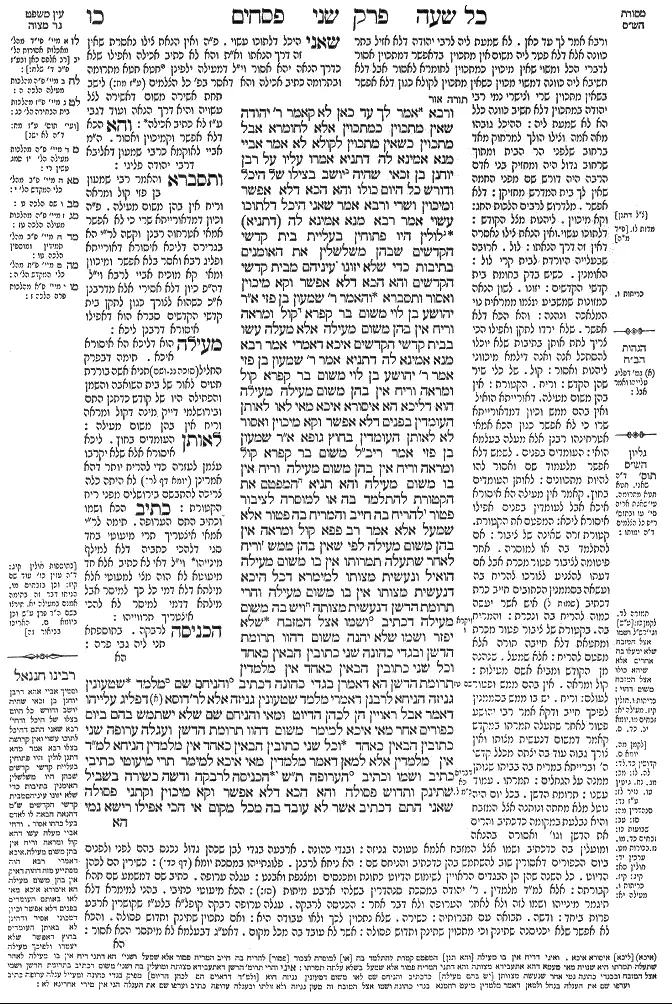
Pesahim 26a - Guemara
ורבא אמר לך עד כאן לא קאמר ר' יהודה שאין מתכוין כמתכוין אלא לחומרא אבל מתכוין כשאין מתכוין לקולא לא אמר אביי מנא אמינא לה דתניא אמרו עליו על רבן יוחנן בן זכאי שהיה יושב בצילו של היכל ודורש כל היום כולו והא הכא דלא אפשר ומיכוין ושרי ורבא אמר שאני היכל דלתוכו עשוי אמר רבא מנא אמינא לה (דתניא) לולין היו פתוחין בעליית בית קדשי הקדשים שבהן משלשלין את האומנים בתיבות כדי שלא יזונו עיניהם מבית קדשי הקדשים והא הכא דלא אפשר וקא מיכוין ואסור ותסברא והאמר ר' שמעון בן פזי א"ר יהושע בן לוי משום בר קפרא קול ומראה וריח אין בהן משום מעילה אלא מעלה עשו בבית קדשי הקדשים איכא דאמרי אמר רבא מנא אמינא לה דתניא אמר ר' שמעון בן פזי אמר ר' יהושע בן לוי משום בר קפרא קול ומראה וריח אין בהן משום מעילה מעילה הוא דליכא הא איסורא איכא מאי לאו לאותן העומדין בפנים דלא אפשר וקא מיכוין ואסור לא לאותן העומדין בחוץ גופא א"ר שמעון בן פזי אמר ריב"ל משום בר קפרא קול ומראה וריח אין בהן משום מעילה וריח אין בו משום מעילה והא תניא המפטם את הקטורת להתלמד בה או למוסרה לציבור פטור להריח בה חייב והמריח בה פטור אלא שמעל אלא אמר רב פפא קול ומראה אין בהן משום מעילה לפי שאין בהן ממש וריח לאחר שתעלה תמרותו אין בו משום מעילה הואיל ונעשית מצותו למימרא דכל היכא דנעשית מצותו אין בו משום מעילה והרי תרומת הדשן דנעשית מצותה ויש בה משום מעילה דכתיב (ויקרא ו, ג) ושמו אצל המזבח שלא יפזר ושמו שלא יהנה משום דהוו תרומת הדשן ובגדי כהונה שני כתובין הבאין כאחד וכל שני כתובין הבאין כאחד אין מלמדין תרומת הדשן הא דאמרן בגדי כהונה דכתיב (ויקרא טז, כג) והניחם שם מלמד שטעונין גניזה הניחא לרבנן דאמרי מלמד שטעונין גניזה אלא לר' דוסא דפליג עלייהו דאמר אבל ראויין הן לכהן הדיוט ומאי והניחם שם שלא ישתמש בהם ביום כפורים אחר מאי איכא למימר משום דהוו תרומת הדשן ועגלה ערופה שני כתובין הבאין כאחד וכל שני כתובין הבאין כאחד אין מלמדין הניחא למ"ד אין מלמדין אלא למאן דאמר מלמדין מאי איכא למימר תרי מיעוטי כתיבי כתיב ושמו וכתיב (דברים כא, ו) הערופה ת"ש הכניסה לרבקה ודשה כשירה בשביל שתינק ותדוש פסולה והא הכא דלא אפשר וקא מיכוין וקתני פסולה שאני התם דכתיב אשר לא עובד בה מכל מקום אי הכי אפילו רישא נמי
Comments from Rashi on Masechet Pesahim Page 26a
ורבא אמר לן עד כאן . לא שמעת ליה לרבי יהודה דלא אזיל בתר כוונה אלא דלא פטר ליה משום אין מתכוין בדאפשר דמתכוין אסור לדברי הכל ומשוי שאין מיכוין כמתכוין לחומרא לאסור אבל דלא חשיבא ליה כוונה דמשוי מכוין כשאין מתכוין לקולא כגון דלא אפשר בשאין מתכוין שרי ונישרי נמי רבי יהודה במתכוין דלא חשיב כוונה כלל הא לא שמעת ליה: ההיכל גובהו מאה אמה וצילו הולך למרחוק מאד ברחוב שלפני הר הבית ומתוך שרחוב גדול היה ומחזיק בני אדם הרבה היה דורש שם מפני החמה שאין לך בית המדרש מחזיקן: דלתוכו עשוי . ואין הנאת צילו נאסרה דאין זה דרך הנאתו: לול . ארובה שבעלייה היורדת לבית קרי לול: האומנין . כשיש בדק בחומת בית קדשי הקדשים: יזונו . לשון הנאה כמזונות שמשביע עצמו ממראית נוי המלאכה ונהנה: דלא אפשר . מלדרוש לרבים הלכות החג: והא הכא דלא אפשר . שלא ירדו לתקן ואפילו הכי צריך לתת אותן בתיבות שלא יוכלו להסתכל אנה ואנה דילמא מיכווני ליהנות ואסור: קול . של כלי שיר שהן הקדש: וריח . הקטורת: אין בהן משום מעילה . דאורייתא הואיל ואין בהם ממש וכיון דמדאורייתא שרו כי לא אפשר כגון הכא אמאי אטרחינהו רבנן אלא מעלה בעלמא הואי: קול ומראה . אין בהם ממש ופטור לעולם: וריח . יש בו ממש בסממנין לפיכך חייב ודקא אמר רבי יהושע פטור לאחר שתעלה תמרתו במקדש קאמר דמשום דנעשית מצותו ואין צורך גבוה עוד בה יצתה מכלל קדשי ה' וברייתא במריח בה בביתו שנותן ממנה על הגחלים: העומדים בפנים . לשמש דלא אפשר מלעמוד שם ואסור להו להיות מתכוונים: לאותן העומדים בחוץ . קאמר אין מעילה הא איסורא איכא אבל לעומדין בפנים אפילו איסורא ליכא: המפטם את הקטורת . קטורת זרה שאינה של ציבור: אם להתלמד בה או למוסרה . אחר פיטומה לציבור פטור מכרת אבל אם דעתו להצניע לצורכו להריח בה ועשאה בסממנין הכתובים חייב כרת דכתיב (שמות ל) איש אשר יעשה כמוה להריח בה ונכרת: והמריח בה . בקטורת של ציבור פטור מכרת ומחטאת דלא חייבה תורה אלא מפטם להריח: אין בהן משום מעילה . דאורייתא הואיל ואין בהם ממש וכיון דמדאורייתא שרו כי לא אפשר כגון הכא אמאי אטרחינהו רבנן אלא מעלה בעלמא הואי: תמרתו . עמוד עשנו: תרומת הדשן . בכל יום היה נוטל מלא מחתה ונותנה אצל המזבח והיא נבלעת במקומה כדכתיב והרים את הדשן וגו' ואסורה בהנאה ומועלין בה כדכתיב ושמו אצל המזבח אלמא טעונה גניזה: ובגדי כהונה . ארבעה בגדי לבן שכהן גדול נכנס בהם לפני ולפנים ביום הכפורים דאסורין שוב להשתמש בהן כדכתיב והניחם שם: הא ניחא לרבנן . פלוגתייהו במסכת יומא (דף כד.): כשירין הם לכהן הדיוט . כל השנה שהן הן הבגדים הראויין לשימוש הדיוט כתונת ומכנסים ומצנפת ואבנט: עגלה ערופה . כתיב שם דמשמע שם תהא קבורתה: הכא מיעוטי כתיבי . בהני למימרא דלא תיגמר מינייהו ושמו לזה ולא לאחר הערופה ולא דבר אחר: הכניסה לרבקה . עגלה ערופה רבקה קופל"א (צמד) בלע"ז שקושרין ארבע פרות ביחד: ודשה . תבואה עם חברותיה: כשירה . שלא נתכוין לכך ולאו עבודה היא: ואם נתכוין שתינק ותדוש פסולה . והכא לא אפשר שלא יכניסנה שתינק וכי מתכוין שתינק ותידוש פסולה: אשר לא עובד בה מכל מקום . דאע"ג דבעלמא לא מיתסר הכא אסור:
Comments from Tosafot - Pesahim 26a
שאני היכל דלתוכו עשוי . פ"ה ואין הנאת צילו נאסרת שאין זה דרך הנאתו וא"ת והא לא כתיב אכילה ואפילו שלא כדרך הנאה יהא אסור וי"ל דמעילה ילפינן חטא חטא מתרומה ובתרומה כתיב אכילה והא דאסר בפ' כל הצלמים (ע"ז מח:) לישב תחת אשירה משום דאשירה לצל עשויה והיא דרך הנאה ועוד דגבי ע"ז לא כתיב אכילה: והא הכא דלא אפשר וקמיכוין ואסור . ה"מ אביי לאוקמא כרבי שמעון דאליבא דרבי יהודה פליגי: ותסברא והאמר רבי שמעון בן פזי קול ומראה וריח אין בהן משום מעילה . פ"ה וכיון דמדאורייתא שרי כי לא אפשר אמאי אטרחוה רבנן וקשה לר"י הא בגרירה דליכא איסורא דאורייתא ופליג רבא ואסר בלא אפשר ומיכוון ומאי קא מוכיח אביי לרבא וי"ל דה"פ כיון דלא אסירי אלא מדרבנן א"כ כשהוא לצורך כגון לתקן בית קדשי הקדשים סברא הוא דאפילו איסורא דרבנן ליכא: מעילה הוא דליכא הא איסורא איכא . תימה דבפרק החליל (סוכה נג. ושם) תניא אשה בוררת חטים לאור של בית השואבה והשמן והפתילה היו של קודש כדתנן התם ובירושלמי דייק מינה דקול ומראה וריח אין בהן משום מעילה: לאותן העומדים בחוץ . ליכא איסורא אלא שלא יקרבו עצמן לעזרה כדי להריח יותר דהא אמרינן (יומא דף לח:) לא היתה כלה צריכה להתבשם בירושלים מפני ריח הקטורת: כתיב הכא ושמו וכתיב התם הערופה . תימה לר"י אמאי איצטריך תרי מיעוטי בחד סגי דלהכי כתביה דלא למילף מינייהו וי"ל דאי לא כתיב אלא חד מיעוטא לא הוה מצי למעוטי אלא מילתא דלא דמי כל כך למיסר אבל מילתא דדמי למיסר לא להכי איצטריך תרווייהו: הכניסה לרבקה . בתוספתא תני ליה גבי פרה:
Pesahim 26a - Mishnah translated into english
And Rava could have said to you: Rabbi Yehuda stated that one who lacks intent has the same legal status as one who has intent only with regard to a stringency. In other words, a lack of intent does not negate the fact that the prohibited act has been performed and one is liable. However, to say that one who has intent has the same legal status as one who lacks intent such that it leads to a leniency, no. There is no evidence that Rabbi Yehuda would agree that it would ever be permitted for one who has intent to derive benefit from an otherwise prohibited object, even if he could not avoid the situation.
Abaye said: From where do I say my opinion? As it was taught in a baraita: They said about Rabban Yoḥanan ben Zakkai that he would sit in the street adjacent to the Temple Mount in the shade of the Sanctuary and expound to a large number of people all day long. And here, isn’t it a case where it was not possible to act differently, as there was no other place where so many people could congregate, and he certainly intended to derive benefit from the shade of the Sanctuary, and yet it was permitted? Apparently, when it is not possible to avoid the situation and one intends to derive benefit, it is permitted to do so.
And Rava said in response: The Sanctuary is different, as it was constructed for its interior. It is prohibited to derive benefit only from the interior of the Sanctuary walls, because it was constructed for the use of its internal space; there is no prohibition at all to benefit from its shade when on the outside.
Rava said: From where do I say this? As it was taught in a baraita: There were openings in the loft of the Holy of Holies through which they would lower artisans in containers into the Holy of Holies, so that their eyes would not gaze upon the Holy of Holies itself when they were renovating it. And here, isn’t it a case where it was not possible to act differently? It was necessary to renovate the Holy of Holies periodically, and it is impossible to do so without entering the chamber. And since it is plausible that the artisan will intend to enjoy the appearance of the Holy of Holies, it should be prohibited.
The Gemara rejects this: And how can you understand the baraita as a proof? Didn’t Rabbi Shimon ben Pazi say that Rabbi Yehoshua ben Levi said in the name of Bar Kappara: The sound of the musical instruments in the Temple, and the sight and smell of the incense are not subject to the prohibition of misuse of consecrated property? This is because the prohibition of deriving benefit from a consecrated object applies only to its tangible use. Rather, they established a higher standard of stringency with regard to the Holy of Holies and decreed that one may not even gaze upon it. Therefore, no principle can be derived from the case.
Some say this statement differently. Rava said: From where do I say this? As it was taught in a baraita: Rabbi Shimon ben Pazi said that Rabbi Yehoshua ben Levi said in the name of Bar Kappara: The sound of the musical instruments in the Temple and the sight and smell of the incense are not subject to the prohibition of misuse of consecrated property. The implication is that there is no violation of the prohibition of misuse of consecrated property by Torah law in this case. However, there is a violation of the prohibition by rabbinic law.
What, is it not referring to those standing inside the Sanctuary, for whom it is not possible that they will not hear these sounds or they will not observe the sight and smell of the incense? And in such a case, if they intend to derive benefit, it is prohibited. The Gemara rejects this: No, it is referring to those who are standing outside. Since they are not required to be there at that time, it is a case where it is possible to avoid the situation and one intends to derive benefit, which is prohibited according to all opinions.
Apropos this halakha, the Gemara discusses the matter itself. Rabbi Shimon ben Pazi said that Rabbi Yehoshua ben Levi said in the name of Bar Kappara: The sound of the musical instruments in the Temple and the sight and smell of the incense are not subject to the prohibition of misuse of consecrated property. The Gemara asks: Isn’t smell subject to the prohibition of misuse of consecrated property? Wasn’t it taught in a baraita: One who prepares the incense mixture in order to teach himself how to prepare it or to transfer it to the community is exempt from punishment. However, if one prepares it in order to smell it, he is liable to receive punishment, as it states in the Torah: “He who makes it in order to smell it shall be cut off from his people” (Exodus 30:38). And one who actually smells the incense mixture is exempt from the punishment of karet and from bringing a sin-offering; however, he has misused consecrated property. Apparently, the halakha of misuse of consecrated property applies to smelling.
Rather, Rav Pappa said: Sound and sight are not subject to the prohibition of misuse of consecrated property, because they have no substance. And with regard to the smell of the spices themselves, the following distinction applies: The smell of the incense that is emitted when the spices are placed on the coals is subject to the prohibition, since this is the way the mitzva is performed; however, the smell that is emitted after the flame catches and the column of smoke rises is not subject to the prohibition of misuse of consecrated property, since its mitzva has already been performed.
The Gemara asks: Is that to say that in any case where its mitzva has already been performed, the object is not subject to the prohibition of misuse of consecrated property? And the daily removal of ashes of the offerings from the altar occurs after its mitzva has been performed, and the ashes are subject to the prohibition of misuse of consecrated property, as it is written: “And the priest shall put on his linen garment, and his linen breeches shall he put upon his flesh; and he shall take up the ashes of what the fire has consumed of the burnt-offering on the altar, and he shall put them beside the altar” (Leviticus 6:3). The Sages derive from the phrase: “And he shall put them” that he may not scatter these ashes; rather, they should be placed gently. “And he shall put them” also indicates that one may not derive benefit from these ashes.
The Gemara answers: This case does not prove a principle, because the halakhot of removal of ashes from the altar and of the priestly garments worn by the High Priest on Yom Kippur are two verses that come as one. The principle is that two verses that come as one do not teach a principle. In other words, if a halakha is stated twice, with regard to two individual cases in the Torah, the understanding is that this halakha applies only to those cases. Had this halakha applied to all other relevant cases as well, it would not have been necessary for the Torah to teach it twice. The fact that two cases are mentioned indicates that they are the exceptions rather than the rule.
The Gemara delineates the two cases: The halakha of the removal of ashes is that which we said. Where is this halakha stated with regard to the priestly garments? As it is written: “And Aharon shall come into the Tent of Meeting, and shall take off the linen garments, which he put on when he went into the sacred place, and he shall leave them there” (Leviticus 16:23). The phrase: “And he shall leave them” teaches that they require burial. Although their use for the mitzva has been completed, it is prohibited to derive benefit from them.
The Gemara comments: It works out well that there are two cases according to the opinion of the Rabbis, who say that this verse teaches that they require burial. However, according to the opinion of Rabbi Dosa, who disagrees with them and says: These priestly clothes may no longer be used by the High Priest on Yom Kippur, but they are fit for use by a common priest, since these garments are similar to those worn by common priests every day. And what is the meaning of: “And he shall leave them there”? This indicates that the High Priest may not use them on another Yom Kippur. According to this opinion, what can be said? According to the opinion of Rabbi Dosa, there is only one verse that teaches about misuse of consecrated property with an item that has already been used for performing its mitzva. Therefore, it should be possible to derive a principle from the verse dealing with the removal of ashes.
The Gemara answers: A principle cannot be based on this verse, because removal of ashes and the heifer whose neck is broken, from which one may not derive benefit after the ceremony, are two verses that come as one. And two verses that come as one do not teach a principle.
The Gemara asks: It works out well according to the one who said that they do not teach a principle, i.e., according to the Rabbis. However, according to the one who said that they do teach a principle, i.e., Rabbi Yehuda in tractate Sanhedrin, what can be said? The Gemara answers: Two phrases indicating exclusions are written with regard to these halakhot, limiting this rule to them. With regard to the removal of ashes it is written: “And he shall put it.” The word “it” limits the halakha to this particular circumstance. With regard to the heifer whose neck is broken it is written: “The heifer which had its neck broken” (Deuteronomy 21:6). The word “the” indicates that this halakha applies only to this type of heifer and not to any other similar case.
After this tangential discussion of the laws of misuse of consecrated property, the Gemara returns to Abaye and Rava’s dispute about the status of unintended benefit, seeking to prove one side or the other. Come and hear a proof based on what was taught: If one brought the heifer whose neck is to be broken or the red heifer into a cow pen, and it threshes grain while walking with other cows, then it is valid. Under normal circumstances, had one used the heifer for work, it would be disqualified from use in its ceremony. However, in this case, the red heifer may still be burned, and the heifer is still fit to have its neck broken in the ritual. Apparently, the verses “Upon which a yoke has not been placed” (Numbers 19:2) and “Which has not been used for work” (Deuteronomy 21:3) still apply to it, because the owner did not intend for it to work. If he brought it in so that it may nurse from its mother and so it will thresh grain, then it is disqualified from use in these rituals.
And here, isn’t it a case where it was not possible to act differently, as the heifer needs to nurse, and he intended that it thresh the grain? And it is teaching that the heifer is disqualified from use. This proves that when one intends to derive benefit, even if there is no other way to act, it is prohibited to derive benefit. The Gemara rejects this: It is different there, as it is written: “Which has not been used for work” in any case. Therefore, while the heifer is disqualified from use even if the situation was unavoidable, no general conclusion can be drawn from this case.
The Gemara challenges: If so, that this verse means that it has not performed any work at all, then it should apply even to the first clause. Even when it threshes the grain against the will of the owner, it has still done work and should be rendered disqualified.
Traduction : The William Davidson digital edition of the Koren Noé Talmud, with commentary by Rabbi Adin Even-Israel Steinsaltz.