 Talmud Bavli
Pesahim 78a : Youtube
Daf TubeYoutube
3 video classes :
Pesahim Page 78a
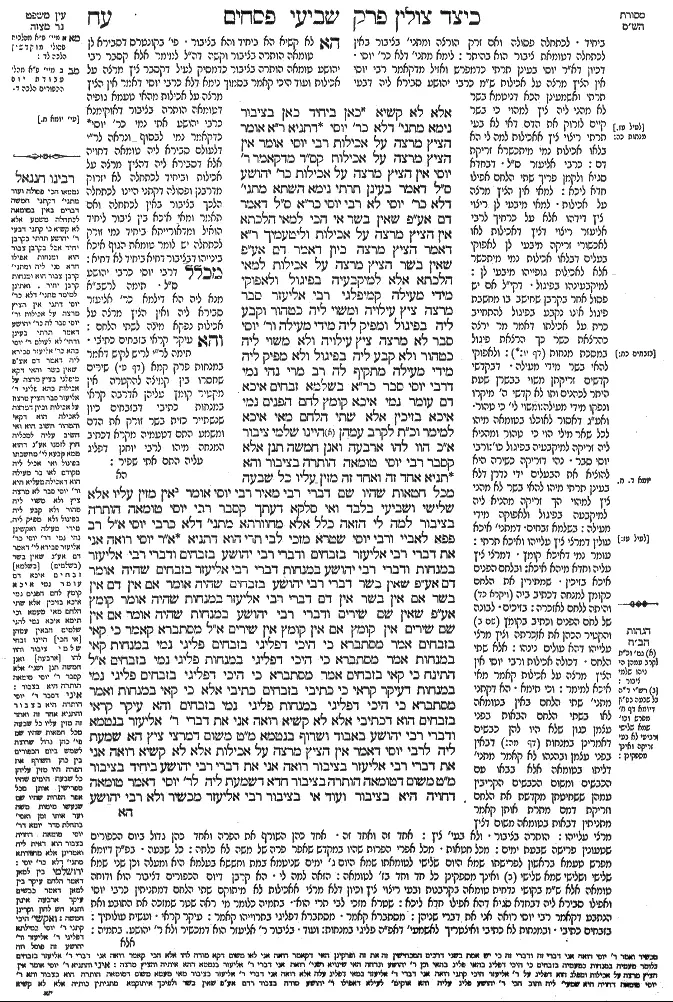
Pesahim 78a - Guemara
אלא לא קשיא כאן ביחיד כאן בציבור נימא מתני' דלא כר' יוסי דתניא ר"א אומר הציץ מרצה על אכילות רבי יוסי אומר אין הציץ מרצה על אכילות קס"ד מדקאמר ר' יוסי אין הציץ מרצה על אכילות כר' יהושע ס"ל דאמר בעינן תרתי נימא השתא מתני' דלא כר' יוסי לא רבי יוסי כר"א ס"ל דאמר דם אע"פ שאין בשר אי הכי למאי הלכתא אין הציץ מרצה על אכילות וליטעמיך ר"א דאמר הציץ מרצה כיון דאמר דם אע"פ שאין בשר הציץ מרצה על אכילות למאי הלכתא אלא למיקבעיה בפיגול ולאפוקי מידי מעילה קמיפלגי רבי אליעזר סבר מרצה ציץ עילויה ומשוי ליה כטהור וקבע ליה בפיגול ומפיק ליה מידי מעילה ור' יוסי סבר לא מרצה ציץ עילויה ולא משוי ליה כטהור ולא קבע ליה בפיגול ולא מפיק ליה מידי מעילה מתקיף לה רב מרי נהי נמי דרבי יוסי סבר כר"א בשלמא זבחים איכא דם עומר נמי איכא קומץ לחם הפנים נמי איכא בזיכין אלא שתי הלחם מאי איכא למימר וכ"ת לקרב עמהן היינו שלמי ציבור א"כ הוו להו ארבעה ואנן חמשה תנן אלא קסבר רבי יוסי טומאה הותרה בציבור והא תניא אחד זה ואחד זה מזין עליו כל שבעה מכל חטאות שהיו שם דברי רבי מאיר רבי יוסי אומר אין מזין עליו אלא שלישי ושביעי בלבד ואי סלקא דעתך קסבר רבי יוסי טומאה הותרה בציבור למה לי הזאה כלל אלא מחוורתא מתני' דלא כרבי יוסי א"ל רב פפא לאביי ורבי יוסי שטרא מזכי לבי תרי הוא דתניא א"ר יוסי רואה אני את דברי רבי אליעזר בזבחים ודברי רבי יהושע בזבחים ודברי רבי אליעזר במנחות ודברי רבי יהושע במנחות דברי רבי אליעזר בזבחים שהיה אומר דם אע"פ שאין בשר דברי רבי יהושע בזבחים שהיה אומר אם אין דם אין בשר אם אין בשר אין דם דברי רבי אליעזר במנחות שהיה אומר קומץ אע"פ שאין שם שירים ודברי רבי יהושע במנחות שהיה אומר אם אין שם שירים אין קומץ אם אין קומץ אין שירים א"ל מסתברא קאמר כי קאי בזבחים אמר מסתברא כי היכי דפליגי בזבחים פליגי נמי במנחות קאי במנחות אמר מסתברא כי היכי דפליגי במנחות פליגי נמי בזבחים א"ל התינח כי קאי בזבחים אמר מסתברא כי היכי דפליגי בזבחים פליגי נמי במנחות דעיקר קראי כי כתיבי בזבחים כתיבי אלא כי קאי במנחות ואמר מסתברא כי היכי דפליגי במנחות פליגי נמי בזבחים והא עיקר קראי בזבחים הוא דכתיבי אלא לא קשיא רואה אני את דברי ר' אליעזר בנטמא ודברי רבי יהושע באבוד ושרוף בנטמא מ"ט משום דמרצי ציץ הא שמעת ליה לרבי יוסי דאמר אין הציץ מרצה על אכילות אלא לא קשיא רואה אני את דברי רבי אליעזר בציבור רואה אני את דברי רבי יהושע ביחיד בציבור מ"ט משום דטומאה הותרה בציבור חדא דשמעת ליה לר' יוסי דאמר טומאה דחויה היא בציבור ועוד אי בציבור רבי אליעזר מכשיר ולא רבי יהושע
Comments from Rashi on Masechet Pesahim Page 78a
ביחיד . לכתחלה פסולה ואם זרק הורצה ומתני' בציבור באין לכתחלה דטומאת ציבור הוא בהיתר: לימא מתני' דלא כר' יוסי . דכיון דא"ר יוסי בעינן תרתי כדמפרש ואזיל מדקאמר רבי יוסי אין הציץ מרצה על אכילות ש"מ כרבי יהושע סבירא ליה דבעי תרתי ואשמעינן הכא דניטמא בשר לא מהני ליה ציץ למהוי כי בשר קיים לזרוק את הדם דאי לא בעי תרתי ריצוי ציץ אאכילות למה לי הא בלאו אכילות נמי מיתכשרא זריקת דם: כרבי אליעזר ס"ל . דבחדא סגיא ולקמן פריך שתי הלחם אפילו חדא ליכא: למאי אין הציץ מרצה על אכילות . למאי מיבעי לן ריצוי ציץ דידהו אלא על כרחיך לרבי אליעזר ריצוי דציץ דאכילות לאו לאכשורי זריקה מיבעי לן לאפוקי בעלים דבלאו אכילות נמי מיתכשר אלא לאכילות גופייהו מיבעי לן: למיקבעינהו בפיגול . דקי"ל אם יש פסול אחר בקרבן שחישב בו מחשבת פיגול אינו נקבע בפיגול להתחייב כרת על אכילתו דאמר מר ירצה כהרצאת כשר כך הרצאת פיגול במסכת מנחות (דף יו:): ולאפוקי להאי בשר מידי מעילה . דבקדשי קדשים זריקתן משוי בבשרן שעת היתר לכהנים ותו לא קדשי ה' מיקרו ונפקו מידי מעילה: ומשוי לי' כי טהור . ואע"ג דאסור לאוכלו בטומאה מיהו לכל שאר מילי הוי כי טהור ומהניא ליה זריקה למיקבעיה בפיגול כו': ורבי יוסי סבר . נהי דזריקה כשירה היא להוציא את הבעלים ידי נדרן דלא בעינן תרתי מיהו להאי בשר לא מהני ציץ למהוי הך זריקה מהניא ליה למיקבעה בפיגול ולאפוקה מידי מעילה: בשלמא זבחים . דמתני' איכא עולין דמרצי ציץ עלייהו ואיכא תרתי: עומר נמי דאיכא קומץ . דמרצי ציץ עליה וחדא מיהא איכא: ובלחם הפנים איכא בזיכין . שמתירין את הלחם כקומץ למנחה דכתיב ביה (ויקרא כד) והיתה ללחם לאזכרה: בזיכים . לבונה של לחם הפנים וכתיב בקומץ (שם ב) והקטיר הכהן את אזכרתה וציץ מרצי עלייהו דהא עולים נינהו: אלא שתי הלחם . דכולה אכילות ור' יוסי אין הציץ מרצה על אכילות קאמר מאי איכא למימר: וכי תימא . הא דקתני מתני' שתי הלחם באין בטומאה לאו בשתי הלחם הבאות בפני עצמן כגון שלא היו להן כבשים דאמרינן במנחות (דף מה:) דבאין בפני עצמן ובהנהו לא קאמר מתני' דליתו בטומאה אלא בבאו עם הכבשים ומשום הכבשים הקריבין עמהן ששחיטתן מקדשת את הלחם וזריקת דמם מתרת אותן קאמר מתניתין דבאות בטומאה משום דציץ מרצי עלייהו: הותרה בציבור . ולא בעי' ציץ: אחד זה ואחד זה . אחד כהן השורף את הפרה ואחד כהן גדול ביום הכפורים שטעונין פרישה שבעת ימים: מכל חטאות . מכל אפרי הפרות שהיו במקדש שאפר פרה של משה לא כלתה: כל שבעה . בפ"ק דיומא מפרש טעמא בראשון לפרישתו שמא היום שלישי לטומאתו שמא היום ג' ימים שניטמא במת וחששא בעלמא היא ומעלה וכן שני שמא שלישי ושלישי שמא שלישי ואינך מספקינן כל חד וחד בז' לטומאה: הזאה למה לי . הא קרבן דיום הכפורים דציבור הוא ודוחה טומאה אלא ש"מ בקושי נדחית טומאה בקרבנות ובעי ריצוי ציץ וכיון דלא מרצי אאכילות לא מיתוקם שתי הלחם דמתניתין כר' יוסי ואפילו סבירא ליה דבחדא סגיא דהא אפילו חדא ליכא: שטרא מזכי לבי תרי הוא . בתמיה כלומר מי ראה שטר שמזכה את התובע ואת הנתבע דקאמר רבי יוסי רואה אני את דברי שניהן: מסתברא קאמר . מסתברא דפליגי בתרוייהו קאמר: עיקר קראי . ועשית עולותיך: בזבחים כתיבי . ובמנחות לא כתיבי ואצטריך לאשמעי' דאפ"ה פליגי במנחות: ועוד . בציבור ר' אליעזר הוא דמכשיר ולא ר' יהושע. בתמיה:
Comments from Tosafot - Pesahim 78a
הא לא קשיא הא ביחיד והא בציבור . פי' בקונטרס דסבירא לן טומאה הותרה בציבור וקשה דה"ל למימר אלא קסבר רבי יהושע טומאה הותרה בציבור כדמסיק לעיל דקסבר ציץ מרצה על אכילות ועוד היכי קאמר בסמוך נימא דלא כרבי יוסי דאמר אין הציץ מרצה על אכילות מהאי טעמא גופיה דטומאה הותרה בציבור דאוקימנא כרבי יהושע אתי נמי כר' יוסי כדקאמר נמי לבסוף ונראה לר"י דלעולם סבירא ליה טומאה דחויה אלא דסבירא ליה דהציץ מרצה על אכילות וביחיד לכתחלה לא יזרוק מדרבנן ופסולה דקתני היינו לכתחלה הלכך בציבור באין לכתחלה ואם תאמר ומאי איכא בין ציבור ליחיד הואיל ומדאורייתא ביחיד נמי זורק לכתחלה יש לומר טומאת הגוף איכא בינייהו דבציבור דחיא ביחיד לא דחיא: מכלל דרבי יוסי כרבי יהושע ס"ל . תימה לרשב"א מנא ליה הא דילמא כר' אליעזר סבירא ליה ואין הציץ מרצה על אכילות נפקא מינה לשתי הלחם: והא עיקר קראי בזבחים כתיבי . תימה לר"י לריש לקיש דאמר במנחות פרק קמא (דף ט.) שירים שחסרו בין קמיצה להקטרה אין מקטיר קומץ עליהן אדרבה קראי במנחות כתיבי דבזבחים כיון שנשתייר כזית בשר זורק את הדם ומשמע התם דטעמיה מקרא דכתיב המנחה מיהו לרבי יוחנן דפליג עליה התם אתי שפיר:
Pesahim 78a - Mishnah translated into english
Rather, it is not difficult: There, where Rabbi Yehoshua said that it is invalid ab initio, he was referring to the offering of an individual. Here, in the mishna, which states that it may be sacrificed even ab initio, it is referring to an offering involving the public.
The Gemara asks: Shall we say that the mishna is not in accordance with the opinion of Rabbi Yosei? As it was taught in a baraita: Rabbi Eliezer says that the frontplate appeases God for the impurity of portions of offerings that are supposed to be eaten. Rabbi Yosei says that the frontplate does not appease God for the impurity of portions of offerings that are supposed to be eaten; it appeases God only for the impurity of the parts of offerings that are burned on the altar.
The Gemara explains the question: It could enter your mind to say: From the fact that Rabbi Yosei said that the frontplate does not appease God for the impurity of portions of offerings that are supposed to be eaten, it can be inferred that he holds in accordance with the opinion of Rabbi Yehoshua, who said that we require the two parts of the offering, the blood and the meat, to be valid. If this were not the case, it would be sufficient for the frontplate to appease God for the impurity of the blood, and it would not be necessary for the frontplate to appease God for the impurity of the portions of offerings that are supposed to be eaten. Let us now say that the mishna is not in accordance with the opinion of Rabbi Yosei.
The Gemara rejects this assertion: No, Rabbi Yosei holds in accordance with the opinion of Rabbi Eliezer, who said that the blood of an offering is accepted although there is no meat.
The Gemara asks: If so, with regard to what halakha did Rabbi Yosei say that the frontplate does not appease God for the impurity of the portions of offerings that are supposed to be eaten? Even if it does not appease God for the impurity of these portions, the offering remains valid. The Gemara rejects the question: And according to your reasoning, with regard to Rabbi Eliezer himself, who said that the frontplate appeases God for the impurity of the portions that are supposed to be eaten, since he said that the blood may be sprinkled although there is no meat, with regard to what halakha did he make his other statement that the frontplate appeases God for the impurity of the portions of offerings that are supposed to be eaten? Clearly, whether the frontplate appeases God is significant for reasons other than ensuring that an offering is accepted.
Rather, the fact that they disagree about whether the frontplate appeases God for the impurity of the portions of offerings that are supposed to be eaten determines whether it is possible to establish the offering as one disqualified due to improper intent [piggul] and whether it is possible to exclude the offering from the prohibition of misuse of consecrated property. The dispute is to be understood in this light: Rabbi Eliezer holds that the frontplate appeases God for the impurity of the meat that is supposed to be eaten, and it renders it like pure meat that is not disqualified. Therefore, although the meat may not be eaten, it may be established as piggul. Similarly, because it is treated as though it were pure, the sprinkling of the blood of the offering excludes the meat from the prohibition of misuse of consecrated property.
And Rabbi Yosei holds that the frontplate does not appease God for the impurity of sacrificial meat that has become impure, and it does not render it like pure meat. Therefore, sprinkling the blood of the offering does not establish it as piggul and does not exclude it from the prohibition of misusing consecrated property.
Rav Mari strongly objects to this conclusion: Even granting that Rabbi Yosei holds in accordance with the opinion of Rabbi Eliezer that an offering is accepted through the blood alone, even if the meat has become ritually impure, there is still a difficulty. Granted, in the case of animal offerings, which have two permitting factors, the blood and the meat, there is at least one of them, the blood, for which the frontplate appeases God and causes the offering to be accepted. With regard to the omer, too, there is the handful, for which the frontplate appeases God and is thereby validated. With regard to the shewbread, too, there are the bowls of frankincense, which permit the bread in the same manner that the handful permits a meal-offering.
But with regard to the two loaves, what is there to say? They are completely eaten, and nothing is brought on the altar. How can they be brought in a state of ritual impurity, as the mishna has stated, according to the opinion of Rabbi Yosei?
And if you say that the two loaves are valid because the frontplate appeases God for the impurity of the two lambs that are sacrificed with them, this is the same as the communal peace-offerings that are mentioned separately in the mishna. If so, there are only four offerings listed in the mishna. But we learned in the mishna that there are five, because the two loaves and the communal peace-offerings are listed separately.
Rather, the previous suggestion is rejected. Instead, it is suggested that Rabbi Yosei holds that ritual impurity is permitted in cases involving the public, even without the frontplate. Therefore, the two loaves remain valid.
The Gemara asks: But wasn’t the following baraita taught concerning the purity of both the High Priest on Yom Kippur and the priest who burns the red heifer, each of whom is separated from his house for seven days to ensure his purity? The baraita states: In the case of both this priest and that priest, one sprinkles on him all seven days of his separation from all the purification offerings, i.e., the ashes of the red heifers, that are there in the Temple. If he had become impure through contact with a corpse, he will be purified through the sprinkling of the purification offering. This is the statement of Rabbi Meir. Rabbi Yosei says: One does not sprinkle upon him on any day except for the third and seventh days of his separation. This ensures his purification.
And if it enters your mind that Rabbi Yosei holds that ritual impurity is permitted in cases involving the public, why do I need sprinkling at all? The offerings of Yom Kippur are communal offerings and may be sacrificed even in a state of ritual impurity. Rather, it is clear that the mishna is not in accordance with the opinion of Rabbi Yosei.
With regard to Rabbi Yosei’s statement quoted earlier, Rav Pappa said to Abaye: Rabbi Yosei is like a document that awards something to two conflicting parties, as it was taught in a baraita that Rabbi Yosei said: I see as correct the statement of Rabbi Eliezer with regard to animal offerings, and the statement of Rabbi Yehoshua with regard to animal offerings, and the statement of Rabbi Eliezer with regard to meal-offerings, and the statement of Rabbi Yehoshua with regard to meal-offerings.
The statement of Rabbi Eliezer is correct with regard to animal offerings, as he would say that the blood brings atonement although there is no meat. The statement of Rabbi Yehoshua is correct with regard to animal offerings, as he would say that if there is no blood there is no meat, and if there is no meat there is no blood. The statement of Rabbi Eliezer is correct with regard to meal-offerings, as he would say that the handful is fit although there is no remainder. The statement of Rabbi Yehoshua is correct with regard to meal-offerings, as he would say that if there is no valid handful there is no remainder, and if there is no remainder there is no handful. Rabbi Yosei accepted several contradictory statements.
Abaye said to him: Rabbi Yosei did not intend to issue a halakhic ruling in favor of both opinions. Rather, he said what was reasonable. How so? When involved in studying the halakhot of animal offerings, he said: It is reasonable that just as they disagree with regard to animal offerings, they also disagree with regard to meal-offerings. When involved in studying the halakhot of meal-offerings, he said: It is reasonable that just as they disagree with regard to meal-offerings, they also disagree with regard to animal offerings.
Rav Pappa said to him: It works out well to say that when he was involved in animal offerings, he said: It is reasonable that just as they disagree with regard to animal offerings, they also disagree with regard to meal-offerings, as the essential verses written about this topic are written with regard to animal offerings. But it does not seem realistic to say that when he was involved in meal-offerings, he said: It is reasonable that just as they disagree with regard to meal-offerings, they disagree with regard to animal offerings. Aren’t the essential verses about this topic written with regard to animal offerings? Clearly, meal-offerings would not serve as a model for animal-offerings.
Rather, this answer has been refuted, and Rabbi Yosei’s statement is not difficult for a different reason. When he said: I see as correct the statement of Rabbi Eliezer, he was referring to cases in which part of the offering became impure. When he said that he agreed with the opinion of Rabbi Yehoshua, he was referring to cases in which part of the offering was lost or burned. In other words, Rabbi Yosei partially accepts the opinions of both Rabbi Eliezer and Rabbi Yehoshua.
The Gemara asks: In a case in which the offering became impure, what is the reason that Rabbi Yosei accepts the opinion of Rabbi Eliezer? It is because the frontplate appeases God for the impurity. But this is impossible, as you have heard that Rabbi Yosei said that the frontplate does not appease God for the impurity of the portions of offerings that are supposed to be eaten.
Rather, this answer should be rejected, and Rabbi Yosei’s opinion is not difficult for the following reason. When he said: I see as correct the opinion of Rabbi Eliezer, he was referring to a case in which an offering involves the public. When he said: I see as correct the opinion of Rabbi Yehoshua, he was referring to the offering of an individual.
The Gemara asks: With regard to an offering involving the public, what is the reason that Rabbi Yosei accepts the opinion of Rabbi Eliezer? It is because ritual impurity is permitted in cases involving the public. This explanation can be rejected for two reasons. One reason is that you have heard that Rabbi Yosei said that ritual impurity is merely overridden in cases involving the public; it is not wholly permitted. And furthermore, if Rabbi Yosei was referring to the offering of the public, is it only Rabbi Eliezer who validates the offering, and not Rabbi Yehoshua?
Traduction : The William Davidson digital edition of the Koren Noé Talmud, with commentary by Rabbi Adin Even-Israel Steinsaltz.