 Talmud Bavli
The learning on the whole site is dedicated : L'ilui Nishmat Yaakov ben Myriam
The learning on the whole site is dedicated : L'ilui Nishmat Yechayahou ben Moche
The learning on the whole site is dedicated : L'ilui Nishmat אליעזר בן רחל
Pesahim 94a : Youtube
Daf TubeYoutube
3 video classes :
Pesahim Page 94a
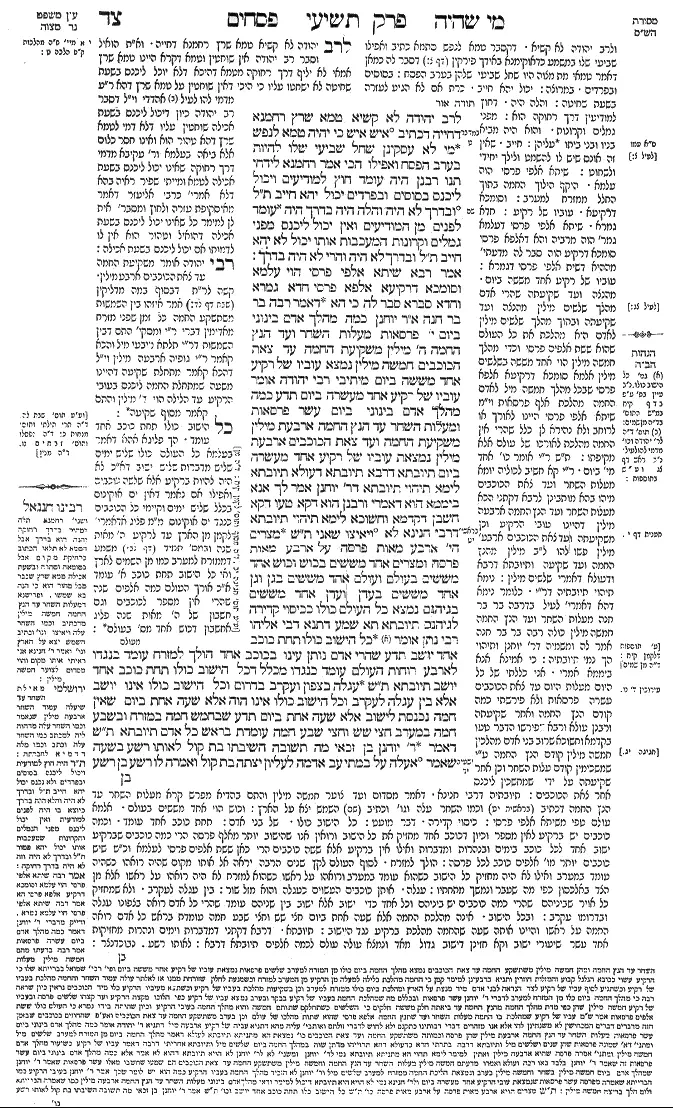
Pesahim 94a - Guemara
לרב יהודה לא קשיא טמא שרץ רחמנא דחייה דכתיב (במדבר ט, י) איש איש כי יהיה טמא לנפש מי לא עסקינן שחל שביעי שלו להיות בערב הפסח ואפילו הכי אמר רחמנא לידחי תנו רבנן היה עומד חוץ למודיעים ויכול ליכנס בסוסים ובפרדים יכול יהא חייב ת"ל (במדבר ט, יג) ובדרך לא היה והלה היה בדרך היה עומד לפנים מן המודיעים ואין יכול ליכנס מפני גמלים וקרונות המעכבות אותו יכול לא יהא חייב ת"ל ובדרך לא היה והרי לא היה בדרך:
אמר רבא שיתא אלפי פרסי הוי עלמא וסומכא דרקיעא אלפא פרסי חדא גמרא וחדא סברא סבר לה כי הא דאמר רבה בר בר חנה א"ר יוחנן כמה מהלך אדם בינוני ביום י' פרסאות מעלות השחר ועד הנץ החמה ה' מילין משקיעת החמה עד צאת הכוכבים חמשה מילין נמצא עוביו של רקיע אחד מששה ביום מיתיבי רבי יהודה אומר עוביו של רקיע אחד מעשרה ביום תדע כמה מהלך אדם בינוני ביום עשר פרסאות ומעלות השחר עד הנץ החמה ארבעת מילין משקיעת החמה ועד צאת הכוכבים ארבעת מילין נמצאת עוביו של רקיע אחד מעשרה ביום תיובתא דרבא תיובתא דעולא תיובתא לימא תיהוי תיובתא דר' יוחנן אמר לך אנא ביממא הוא דאמרי ורבנן הוא דקא טעו דקא חשבן דקדמא וחשוכא לימא תיהוי תיובתא דרבי חנינא לא (בראשית יט, טו) ויאיצו שאני ת"ש מצרים הי' ארבע מאות פרסה על ארבע מאות פרסה ומצרים אחד מששים בכוש וכוש אחד מששים בעולם ועולם אחד מששים בגן וגן אחד מששים בעדן ועדן אחד מששים בגיהנם נמצא כל העולם כולו ככיסוי קדירה לגיהנם תיובתא תא שמע דתנא דבי אליהו רבי נתן אומר כל הישוב כולו תחת כוכב אחד יושב תדע שהרי אדם נותן עינו בכוכב אחד הולך למזרח עומד כנגדו לארבע רוחות העולם עומד כנגדו מכלל דכל הישוב כולו תחת כוכב אחד יושב תיובתא ת"ש עגלה בצפון ועקרב בדרום וכל הישוב כולו אינו יושב אלא בין עגלה לעקרב וכל הישוב כולו אינו הוה אלא שעה אחת ביום שאין חמה נכנסת לישוב אלא שעה אחת ביום תדע שבחמש חמה במזרח ובשבע חמה במערב חצי שש וחצי שבע חמה עומדת בראש כל אדם תיובתא ת"ש דאמר ר' יוחנן בן זכאי מה תשובה השיבתו בת קול לאותו רשע בשעה שאמר (ישעיהו יד, יד) אעלה על במתי עב אדמה לעליון יצתה בת קול ואמרה לו רשע בן רשע
Comments from Rashi on Masechet Pesahim Page 94a
ולרב יהודה לא קשיא . דקסבר טמא לנפש סתמא כתיב ואפילו שביעי שלו במשמע כדאוקימנא באידך פירקין (דף צ:) דסבר לה כמאן דאמר טמאי מת מצוה היו שחל שביעי שלהן בערב הפסח: בסוסים ובפרדים . במרוצה: יכול יהא חייב . כרת אם לא הגיע לעזרה בשעת שחיטה: והלה היה . דחוץ למודיעין דרך רחוקה הוא: מפני גמלים וקרונות . והוא היה מביא בניו ובני ביתו עליהן: חייב . שאין זה אונס שיש לו להשמט ולילך יחידי ולשחוט: שיתא אלפי פרסי הוה עלמא . היקף הילוך החמה בתוך החלל ממזרח למערב: וסומכא דרקיעא . עוביו של רקיע: חדא גמרא . שיתא אלפי פרסי דעלמא גמרא הוה מרביה והא דאלפא פרסי סומכא דרקיע הוה סבר לה מדעתי' מההיא דשית אלפי פרסי דגמרא: עוביו של רקיע אחד מששה ביום . מהנצה ועד שקיעתה שהרי אדם מהלך שלשים מילין מהנצה ועד שקיעתה ובתוך מהלך שלשים מילין לאדם היא מהלכת את כל העולם שהוא ששת אלפים פרסי וכדי מהלך חמשה מילין הוי אחד מששה בשלשים מילין אלמא סומכא דרקיעא אלפא פרסי שבכל מהלך חמשה מיל לאדם החמה מהלכת אלף פרסאות וי"מ שיתא אלפי פרסי היינו לאורך או לרוחב ולא נהירא לן כלל שהרי אין החמה מהלכת לאורכו של עולם אלא מקיפתו: ת"ש ר"י אומר כו' אחד מי' ביום . ר"י קא חשיב לכוליה יומא מעלות השחר ועד צאת הכוכבים מיהו בהא מותבינן לרבא דקתני הכא מעלות השחר ועד הנץ החמה ארבעה מילין דהיינו עובי הרקיע וכן משקיעתה ועד צאת הכוכבים ארבע' מילין פשו להו ל"ב מילין מהנץ החמה ועד שקיעה ותיובתא דרבא ודעולא דאמרי שלשים מילין: נימא תיהוי תיובתיה דר"י . כלומר נימא דהא דאמרי' לעיל בדרבה בר בר חנה מעלות השחר ועד הנץ החמה חמשה מילין כולה רבה בר בר חנה אמר לה ומשמיה דר' יוחנן ותיהוי הך נמי תיובתיה: כי אמינא אנא ביממא אמרי . אני כללתי של כל היום מעלות היום עד צאת הכוכבים עשרה פרסאות ולא פירשתי כמה קודם הנץ החמה ואחר שקיעתה ורבנן עולא ורבא שפירשו הדבר טעו בקדמא וחשוכא שרוב בני אדם מהלכין חמשה מילין קודם הנץ החמה ע"י שמשכימין קודם עלות השחר וכן אחר שקיעתה על ידי שמחשכין ליכנס אחר צאת הכוכבים: תיובתיה דרבי חנינא . דאמר מסדום ועד צוער חמשה מילין והתם בהדיא מפרש קרא מעלות השחר עד הנץ החמה דכתיב (בראשית יט) וכמו השחר עלה וגו' וכתיב (שם) השמש יצא על הארץ: וכוש הוי אחד מששים בעולם . אלמא עולם טפי משיתא אלפי פרסי: כיסוי קדירה . דבר מועט: כל הישוב כולו . של בני אדם: תחת כוכב אחד עומד . וכמה כוכבים יש ברקיע לאין מספר וכיון דכוכב אחד מחזיק את כל הישוב ורואין אנו שהישוב יותר מאלף פרסה הרי כמה כוכבים שברקיע ישוב אחד לכל כוכב בימים ובנהרות ומדברות ואילו אין ברקיע אלא ששה כוכבים הרי כאן ששת אלפים פרסי לעלמא וכ"ש שיש כוכבים יותר מו' אלפים כוכב לכל פרסה: הולך למזרח . לסוף העולם לקץ שנים הרבה יראה אל אותו מקום שהיה רואהו כשהיה עומד במערב ואילו לא היה מחזיק כל הישוב כשהוא עומד במערב ורואהו על ראשו כשהוא למזרח לא היה רואהו על ראשו אלא מן הצד באלכסון כפי מה שעבר ונמשך מתחתיו: עגלה . אותן כוכבים העשוים כעגלה והוא מזל שור: בין עגלה לעקרב . ולא שמחזיק כל אויר שביניהם שהרי כמה כוכבים יש ביניהם וכל אחד כדי ישוב אלא ישוב בין שניהם עומד שהרי כל אדם רואה בצפונו עגלה ובדרומו עקרב: ובכל הישוב . אינה מהלכת החמה אלא שעה אחת ביום חצי שש וחצי שבע חמה עומדת בראש כל אדם רואה החמה על ראשו והיינו אותה שעה שהחמה מהלכת ברקיע נגד היישוב: תיובתא . דרבא דקתני דמדברות וימים ונהרות מחזיקות אחד עשר שיעורי ישוב וקא חזינן דישוב גדול מאד ונמצא עולה עולם לכמה אלפים תיובתא דרבא: לאותו רשע . נבוכדנצר:
Comments from Tosafot - Pesahim 94a
לרב יהודה לא קשיא טמא שרץ רחמנא דחייה . וא"ת הואיל וסבר רב יהודה אין שוחטין וטמא דקרא היינו טמא שרץ אמאי לא יליף דרך רחוקה מטמא דהיכא דלא יוכל ליכנס בשעת שחיטה לא ישחטו עליו כי היכי דאין שוחטין על טמא שרץ דהא ר"ע מדמי להו לעיל אהדדי וי"ל דסבר רב יהודה כיון דיכול ליכנס בשעת אכילה שוחטין עליו דלא דמי לטמא שרץ דהא טהור הוא ואינו חסר כלום אלא ביאה בעלמא ור' עקיבא מדמי דרך רחוקה שאינו יכול ליכנס בשעת אכילה לטמא ומייתי שפיר ראיה בהא דלא אמרי' כרבי אליעזר דאמר מאיסקופת עזרה ולחוץ ומסבר' אית לן למימר כל שאינו יכול ליכנס בשעת אכילה דהואיל וטהור הוא אין לו לדמותו אם יכול ליכנס בשעת אכילה: רבי יהודה אומר משקיעת החמה עד צאת הכוכבים ארבע מילין . קשה לר"ת דבסוף במה מדליקין (שבת דף לד:) אמר איזהו בין השמשות משתשקע החמה כל זמן שפני מזרח מאדימין דברי ר"י ומסקי' התם דבין השמשות דר"י תלתא ריבעי מיל והכא קאמר ר"י גופיה ארבעה מילין וי"ל דהכא קאמר מתחלת שקיעה דהיינו משעה שמתחלת החמה ליכנס בעובי הרקיע עד הלילה הוי ד' מילין והתם קאמר מסוף שקיעה: כל הישוב כולו תחת כוכב אחד עומד . הך פליגא אהא דאמר בעלמא כל העולם כולו שליש ימים שליש מדברות שליש ישוב דא"כ לא היה להיות ברקיע אלא שלשה כוכבים ואפילו אם נאמר דאין ים אוקינוס בכלל שליש ימים וקיימי כל הכוכבים כנגד ים אוקינוס מ"מ פליג אדאמרי' לקמן מן הארץ עד לרקיע ה' מאות שנה ובמס' תמיד (דף לב.) משמע דממזרח למערב כמו מן השמים לארץ ואי כל הישוב תחת כוכב א' עומד א"כ אורך העולם כמה אלפים שנה שהרי אין מספר לכוכבים וגם חשבון של ה' מאות שנה פליג אחשבון דכוש אחד מס' בעולם:
Pesahim 94a - Mishnah translated into english
According to Rav Yehuda’s opinion it is also not difficult, because in his opinion the Torah itself deferred the obligation of one who is ritually impure through contact with a dead creeping animal to the second Pesaḥ, as it is written: “If any man of you or of your generations shall be ritually impure due to a dead body” (Numbers 9:10). Are we not dealing even with a situation in which his seventh day of purification occurs on Passover eve, such that he can be ritually pure by nightfall and therefore he has the same status on that seventh day as one who became impure due to contact with a dead creeping animal? And nonetheless the Torah stated that his obligation shall be deferred. This teaches that anyone who is ritually impure at the time of the slaughtering has his obligation deferred to the second Pesaḥ, even if he would be able to immerse and become pure in time to eat the offering on the first Pesaḥ with the rest of the Jewish people.
The Sages taught: If one was standing outside the city of Modi’im and was able to enter Jerusalem on horses or mules but not by walking, I might have thought he would be liable to receive karet for failing to come to Jerusalem and offer the Paschal lamb; therefore, the verse states: “And is not on a journey” (Numbers 9:13). This person was on a distant journey and is therefore exempt.
On the other hand, if one was standing closer to Jerusalem than Modi’im but was not able to enter due to the camels and carriages that are carrying his family and delaying him, I might have thought he would not be liable for failing to offer the Paschal lamb because he is trying to enter; therefore, the verse states: “And was not on a journey,” and this person was not on a distant journey and is therefore liable. This person could have dismounted and come to Jerusalem on foot, but he wanted to bring his family with him in a carriage and was consequently delayed. One’s liability is determined based on his distance from Jerusalem.
The discussion above pertaining to the distance that an average person can walk in a day is based on the assumption that he walks five mil between dawn and sunrise. The Gemara brings support for this assumption. Rava said: The size of the world is six thousand parasangs, and the thickness of the firmament is one thousand parasangs. One of these measurements with regard to the size of the world is a tradition, and one of the measurements is based upon Rava’s own reasoning.
The Gemara explains: Rava holds like that statement which Rabba bar bar Ḥana said that Rabbi Yoḥanan said: How far can an average person walk in a day? One can walk ten parasangs, which are forty mil. This is explained: From dawn until sunrise one can walk a distance of five mil; from sunset until the emergence of the stars one can walk another five mil. Therefore, it is found that the thickness of the firmament is one-sixth of the distance that the sun travels during the day. Between sunrise and sunset, the sun travels a distance of six thousand parasangs during the amount of time an average person can walk thirty mil. During the dawn and twilight periods in the morning and evening, when the sun passes through the thickness of the firmament, an average person can walk five mil, which is one-sixth of the distance he can walk between sunrise and sunset. Consequently, during dawn and twilight the sun must also travel one-sixth of the distance it travels between sunrise and sunset, i.e., one thousand parasangs, which is the thickness of the firmament.
The Gemara raises an objection from the following baraita: Rabbi Yehuda says: The thickness of the firmament is only one-tenth of the distance that the sun travels during the day. Know that this is true because how far can an average person walk in a day between dawn and the emergence of the stars? One can walk ten parasangs, which are forty mil, and from dawn until sunrise one can walk only four mil, which are one parasang. Therefore, it is found that the thickness of the firmament is only one-tenth of the distance that the sun travels during the day. This is a refutation of the opinion of Rava. Similarly, it is a refutation of the opinion of Ulla, who holds that an average person can walk fifteen mil in half a day, whereas Rabbi Yehuda holds that the average person can walk sixteen mil in half a day. The Gemara concludes: It is indeed a conclusive refutation.
The Gemara suggests: Let us say that this will be a conclusive refutation of the opinion of Rabba bar bar Ḥana, citing Rabbi Yoḥanan, with regard to how far an average person can walk in a day. The Gemara answers: Rabbi Yoḥanan could have said to you: I am speaking about the total distance that an average person can walk in an entire day, but I never specified the distance one can walk during different parts of the day. And it was the Sages Ulla and Rava who erred in interpreting my opinion by saying that one can walk five mil and not four during each intermediate period, because when they calculated five mil before sunrise and after sunset they included the distance walked by people who set out earlier in the morning, before dawn, and by those who continued walking after nightfall.
The Gemara suggests: Let us say it is a conclusive refutation of the opinion of Rabbi Ḥanina, who proved from biblical verses that the distance from Sodom to Zoar is five mil. The angels and Lot walked that distance between dawn and sunrise, which implies that it is only four mil. The Gemara responds: No, that verse states: “The angels hastened Lot,” which indicates that they traveled very quickly. Therefore, hastened is different; because they hurried, they traveled five mil in the time one would normally walk four mil.
Come and hear a challenge from a baraita to the previous opinion with regard to the size of the world: The size of Egypt was four hundred parasangs by four hundred parasangs, and Egypt is one-sixtieth of the size of Cush, and Cush is one-sixtieth of the world, and the world is one-sixtieth the size of the Garden of Eden, and the Garden of Eden is one-sixtieth of Eden, and Eden is one sixtieth of the size of Gehenna. Therefore, it is found that the entire world is like a pot cover, which is a small part of the total size of the pot, compared to Gehenna. In any event, based upon the sizes of Egypt and Cush, it is apparent that the entire world is larger than six thousand parasangs. This is indeed a conclusive refutation.
Come and hear another challenge: One of the Sages of the school of Eliyahu taught that Rabbi Natan says: The entire settlement, the area of the world that is inhabited, sits under one star. Know that this is correct because when a person focuses his eye on one star, he can travel east as far as he wishes within the settled part of the world and the star remains opposite him in the same place, and he can travel in the four directions of the world and the star remains in place opposite him. By inference, the entire settlement of the world rests under one star; and since so many stars are visible and each one covers an area of the world comparable in size to the entire settled portion of the world, it must be that the world is larger than six thousand parasangs. The Gemara comments that this is indeed a conclusive refutation of Rava’s opinion.
Come and hear another challenge from another baraita, which teaches that the constellation Ursa Major is in the north and the constellation Scorpio is in the south, and the entire settlement sits between Ursa Major and Scorpio, as the relative positions of these two constellations appear to be the same from any location in the settled areas of the world. The ratio of the entire settlement to the world as a whole is comparable to only one hour in a day, as the sun enters the sky above the settlement for only one hour a day while the rest of the day it is outside the settlement.
Know that this is correct because at five hours into the day the sun is still in the east, and at seven hours the sun is in the west. During the second half of the sixth hour and the first half of the seventh hour the sun is positioned on top of everyone, as it is in the middle of the sky in every inhabited area during this time. Apparently, the sun travels over the inhabited parts of the world in a single hour while the rest of the day it travels over the uninhabited parts. Therefore, the entire settled portion of the world is equal to one-twelfth of the world. It was established that the settled part of the world itself is several parasangs, so the entire world must be larger than six thousand parasangs. This also serves as a conclusive refutation of Rava’s opinion.
Come and hear another challenge, as Rabban Yoḥanan ben Zakkai said: What response did the Divine Voice answer to that wicked man, Nebuchadnezzar, when he said: “I will ascend above the heights of the clouds; I will be like the Most High” (Isaiah 14:14)? A Divine Voice emerged and said to him: Wicked man, son of a wicked man,
Traduction : The William Davidson digital edition of the Koren Noé Talmud, with commentary by Rabbi Adin Even-Israel Steinsaltz.