 Talmud Bavli
Pesahim 31a : Youtube
Daf TubeYoutube
3 video classes :
Pesahim Page 31a
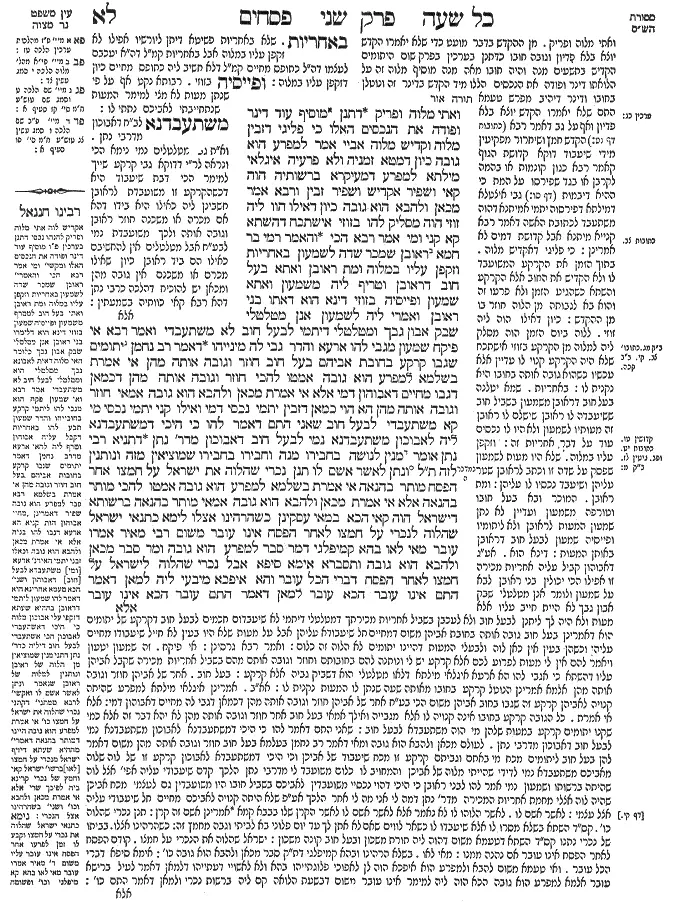
Pesahim 31a - Guemara
ואתי מלוה ופריק דתנן מוסיף עוד דינר ופודה את הנכסים האלו כי פליגי דזבין מלוה וקדיש מלוה אביי אמר למפרע הוא גובה כיון דמטא זמניה ולא פרעיה איגלאי מילתא למפרע דמעיקרא ברשותיה הוה קאי ושפיר אקדיש ושפיר זבין ורבא אמר מכאן ולהבא הוא גובה כיון דאילו הוו ליה זוזי הוה מסליק להו בזוזי אישתכח דהשתא קא קני ומי אמר רבא הכי והאמר רמי בר חמא ראובן שמכר שדה לשמעון באחריות וזקפן עליו במלוה ומת ראובן ואתא בעל חוב דראובן וטריף ליה משמעון ואתא שמעון ופייסיה בזוזי דינא הוא דאתו בני ראובן ואמרי ליה לשמעון אנן מטלטלי שבק אבון גבך ומטלטלי דיתמי לבעל חוב לא משתעבדי ואמר רבא אי פיקח שמעון מגבי להו ארעא והדר גבי לה מינייהו דאמר רב נחמן יתומים שגבו קרקע בחובת אביהם בעל חוב חוזר וגובה אותה מהן אי אמרת בשלמא למפרע הוא גובה אמטו להכי חוזר וגובה אותה מהן דכמאן דגבו מחיים דאבוהון דמי אלא אי אמרת מכאן ולהבא הוא גובה אמאי חוזר וגובה אותה מהן הא הוי כמאן דזבין יתמי נכסי דמי ואילו קני יתמי נכסי מי קא משתעבדי לבעל חוב שאני התם דאמר להו כי היכי דמשתעבדנא ליה לאבוכון משתעבדנא נמי לבעל חוב דאבוכון מדר' נתן דתניא רבי נתן אומר מנין לנושה בחבירו מנה וחבירו בחבירו שמוציאין מזה ונותנין לזה ת"ל (במדבר ה, ז) ונתן לאשר אשם לו תנן נכרי שהלוה את ישראל על חמצו אחר הפסח מותר בהנאה אי אמרת בשלמא למפרע הוא גובה אמטו להכי מותר בהנאה אלא אי אמרת מכאן ולהבא הוא גובה אמאי מותר בהנאה ברשותא דישראל הוה קאי הכא במאי עסקינן כשהרהינו אצלו לימא כתנאי ישראל שהלוה לנכרי על חמצו לאחר הפסח אינו עובר משום רבי מאיר אמרו עובר מאי לאו בהא קמיפלגי דמר סבר למפרע הוא גובה ומר סבר מכאן ולהבא הוא גובה ותסברא אימא סיפא אבל נכרי שהלוה לישראל על חמצו לאחר הפסח דברי הכל עובר והא איפכא מיבעי ליה למאן דאמר התם אינו עובר הכא עובר למאן דאמר התם עובר הכא אינו עובר
Comments from Rashi on Masechet Pesahim Page 31a
ואתי מלוה ופריק . מן ההקדש בדבר מועט כדי שלא יאמרו הקדש יוצא בלא פדיון וגובה חובו כדתנן בערכין בפרק שום היתומים הקדיש בתשעים מנה והיה חובו מאה מנה מוסיף מלוה זה על הלואתו דינר ופודה את הנכסים הללו מיד הקדש בדינר זה ונוטלן בחובו ודינר דיהיב מפרש טעמא התם שלא יאמרו הקדש יוצא בלא פדיון ואף על גב דאמר רבא (כתובות דף נט:) הקדש חמץ ושיחרור מפקיעין מידי שיעבוד דוקא קדושת הגוף קאמר רבא כגון קונמות או בהמה לקרבן או בגד שפירסו על המת כי ההיא דיבמות (דף סו:) גבי איצטלא דמילתא דפירסוה יתמי אמיתנא דהוה משתעבד לכתובת האשה דאמר רבא קנייא מיתנא אבל קדושת דמים לא אמרינן: כי פליגי דאקדיש מלוה . בתוך הזמן את הקרקע המשועבד לו ולא הקדיש את החוב אלא הקרקע והשתא כשהגיע הזמן ולא פרעו זה והוא בא לגבותה מן הלוה חוזר בו מן ההקדש: כיון דאילו הוה ליה זוזי . ללוה ביום הזמן הוה מסלק ליה למלוה מן הקרקע בזוזי אישתכח שלא היה הקרקע קנוי לו עדיין אלא עכשיו כשהוא גובה אותה בחובו היא נקנית לו: באחריות . שמא יטלנה בעל חוב דראובן משמעון בשביל חוב ששיעבדה לו ראובן שישלם לו ראובן זה מעותיו לשמעון ולא היו לו נכסים עוד על דבר אחריות זה: וזקפן עליו במלוה . שלא היו מעות לשמעון שפסק על שדה זו וכתב לראובן שטר עליהן ושיעבד נכסיו לו עליהן: ומת ראובן . המוכר ובא בעל חובו וטורפה משמעון ועדיין לא נתן שמעון המעות לראובן ולא ליתומיו ופייסיה שמעון לבעל חוב דראובן באותן מעות: דינא הוא . אע"ג דאבוהון קביל עליה אחריות מכירה זו אפילו הכי יכולין בני ראובן לבא על שמעון ולומר אנן מטלטלי שבק אבוך גבך לא היית חייב עליו אלא מעות ולא היה לך ליתנן לבעל חוב ולא לעכבן בשביל אחריות מכירתך דמטלטלי דיתמי לא שיעבדום חכמים לבעל חוב דקרקע של יתומים הוא דאמרינן בעל חוב גובה אותה בחובת אביהן משום דמחיים חל שיעבודא עליהן אבל על מעות שלא היו בעין לא חייל שיעבודו מחיים עליהן וכשהן בעין אין כאן לוה ולבעלי המעות דהיינו יתומים לא הלוה זה כלום: ואמר רבא . גרסינן: אי פיקח . זה שמעון יטעון ויאמר להם אין לי מעות לפרוע לכם אלא קרקע יש לי ונותנה להם בחובותם וחוזר וגובה אותם מהם בשביל אחריות מכירה שקבל אביהן עליו דהשתא כי אגבי להו הא ארעא איגלאי מילתא דלאו מטלטלי הוא דשביק גביה אלא קרקע: בעל חוב . אחר של אביהן חוזר וגובה אותה מהן אלמא אמרינן הנוטל קרקע בחובו מאותה שעה שנתן לו המעות נקנית לו: אא"ב . אמרינן איגלאי מילתא למפרע שהיתה קנויה לאביהן קרקע זה שגבו בחוב אביהן משום הכי בע"ח אחר של אביהן חוזר וגובה אותה מהן דכמאן דגבי לה מחיים דאבוהון דמי: אלא אי אמרת . כל הגובה קרקע בחובו אינה קנויה לו אלא מגבייה ואילך אמאי בעל חוב אחר חוזר וגובה אותה מהן לא יהא דבר זה אלא כמי שקנו יתומים קרקע במעות שלהן מי הוה משתעבדא לבעל חוב: שאני התם דאמר להו כי היכי דמשתעבדנא לאבוכון משתעבדנא נמי לבעל חוב דאבוכון מדרבי נתן . לעולם מכאן ולהבא הוא גובה ומאי דאמר רב נחמן בעלמא בעל חוב חוזר וגובה אותה מהן משום דאמר להן בעל חוב ליתומים מכח מי באתם וגביתם קרקע זו מכח שיעבוד של אביכן וכי היכי דמשתעבדא לאבוכון קרקע זו של לוה שלוה מאביכם משתעבדא נמי לדידי שהייתי מלוה של אביכן והמחויב לו כלום משועבד לי מדרבי נתן הלכך קדם שיעבודי עליה אפילו אצל לוה שהיתה ברשותו ושמעון נמי אמר להו לבני ראובן כי היכי דהוי נכסיי משועבדין לאביכם בשביל חובו היו משועבדין גם לעצמי מכח אביכן שהיה לוה אצלי מחמת אחריות המכירה מדר' נתן דמה לי אני מה לי אחר הלכך אע"פ שלא היתה קנויה לאביכם מחיים חל שיעבודי עליה אצל עצמי: לאשר אשם לו . לאשר הלוהו לו לא נאמר אלא לאשר אשם לו לאשר הקרן שלו בבבא קמא אמרינן אשם זה קרן: תנן נכרי שהלוה כו' . קס"ד השתא בשלא מסרו לו אלא שיעבדו לו כשאר לווים שאם לא אתן לך עד יום פלוני בא לביתי וגבה מחמץ זה: כשהרהינו אצלו . בביתו של נכרי נתנו קס"ד השתא דטעמא משום דהוה ליה תורת משכון ובעל חוב קונה משכון: ישראל שהלוה את הנכרי על חמצו . קודם הפסח לאחר הפסח אינו עובר אם נהנה ממנו: אימא סיפא דברי הכל עובר . ואי טעמא משום להבא ולמפרע הוא איפכא הוה לן לאפוכי פלוגתייהו בהא ולא לאשויי דעתייהו דלמאן דאמר לעיל ברישא עובר אלמא למפרע הוא גובה הכא הוה ליה למימר אינו עובר משום דבשעת הלואה קם ליה ברשות נכרי ולמאן דאמר התם כו': מאי לאו . בשלא הרהינו ובהא קמיפלגי דת"ק סבר מכאן ולהבא הוא גובה כו':
Comments from Tosafot - Pesahim 31a
באחריות . שלא באחריות פשיטא דיתן ליורשיו אפילו לא זקפן עליו במלוה אבל באחריות קמ"ל דה"א יעכבם לעצמו דה"ל כתופס מחיים קמ"ל דלא חשיב ליה כתופס מחיים כיון דזקפן עליו במלוה: ופייסיה בזוזי . רבותא נקט אף על פי שנתן מעות לא מצי למימר המעות שנתחייבתי לאביכם נתתי לו: משתעבדנא לב"ח דאבוכון מדרבי נתן . וא"ת גבי מטלטלים נמי נימא הכי ונראה לר"י דדוקא גבי קרקע שייך למימר הכי דבת שיעבוד היא דכשהקרקע זו משועבדת לראובן חשבינן ליה כאילו היא בידו דהא אם מכרה או משכנה חוזר ראובן וגובה אותה ולכך משועבדת נמי לבע"ח אבל מטלטלים אין להחשיבם כאילו הם ביד ראובן כיון שאילו מכרם או משכנם אין גובה מהן ומכאן יש להוכיח דהלכה כרבי נתן דהא רבא קאי כוותיה בשמעתין:
Pesahim 31a - Mishnah translated into english
Or if the debtor consecrated the property, the creditor can come and redeem it through a symbolic payment to the Temple. As we learned in a mishna: The creditor may add an additional dinar to the amount of the loan and redeem this property. Although strictly speaking he need not redeem it, this payment was instituted so that it would not appear as though property were removed from the consecrated Temple jurisdiction without a payment. When they disagree is in a case when the creditor sold or consecrated the property in the interim between the giving of the collateral and the time the loan was due.
Abaye said: He retroactively acquires the collateral. Since the time arrived and he did not repay his loan, it has become clear retroactively that it was in the creditor’s jurisdiction at the outset. Therefore, he did well to consecrate or sell it. However, Rava said: He collects it from that point forward, since if the borrower had money he would remove the creditor’s lien with this money and the lender would not acquire the property. It is found that the creditor acquires the property now, at the time when the loan is due, and consequently he did not have the right to consecrate or sell it before this time.
Before bringing proofs for either side of this dispute, the Gemara attempts to clarify Rava’s position. Did Rava actually say this? A statement he makes in a different context appears to contradict the one made in his name here. But didn’t Rami bar Ḥama say: Reuven sold a field to Shimon with a guarantee that if the field is repossessed, Reuven will compensate Shimon for his loss. Shimon did not pay for the purchase, and instead set up the value of the field as a loan. In the meantime, Reuven died and a creditor of Reuven’s came to collect for a loan that Reuven had taken before he sold the field, as Reuven had no other land remaining, and he seized the land from Shimon, since it was mortgaged to this loan. And Shimon went and appeased the creditor with money so the creditor would allow him to keep this field.
By right, Reuven’s sons can come and say to Shimon that he must pay them the money that he owes for the field. And they are not required to pay Shimon if he demands compensation for the repossession of his field. They can say that our father left us movable property in your hands, i.e., the money you owe us for the field, and, as a general rule, movable property that has been left to orphans is not mortgaged to a creditor. The orphans can claim that the field belongs to Shimon, and as there is no land left for the orphans, there is no way for Shimon to recover the compensation that he is owed. The money he owes Reuven is considered movable property, and therefore he cannot recover his losses from these funds.
And Rava said with regard to this case: If Shimon is clever he will pay them what he owes with real estate and not with money. Since they now have real estate received from their father’s estate, Shimon can then collect the field from them as compensation for the original field that Reuven sold to Shimon. As Rav Naḥman said: When orphans collect real estate for a debt owed to their father from one person, another creditor can come and seize this land from them in order to repay the father’s debt.
The Gemara applies this discussion to our original case. Granted, if you say that a creditor collects retroactively, and the field is considered as though it belonged to the creditor from the time of the loan, due to this reason, he can then collect the money from them, because it is considered as though he collected it during their father’s lifetime. Because the field given by Shimon to repay his debt retroactively belonged to Reuven from the time that Shimon agreed to pay for the field, therefore Shimon can now claim this land from Reuven’s heirs. However, if you say that he collects it from this point forward, why can he then collect this land from them? It is as though the orphans purchased this property. And if orphans buy property, does it become indebted to a creditor of their father? Only property that belonged to the father can be seized in order to pay back his debt, and therefore Rava’s statement in the case appears to contradict his statement with regard to the transfer of ownership of collateral.
The Gemara resolves this contradiction: It is different there, in this case, as Shimon could have said to Reuven’s children that just as I am indebted to your father, so too, I am indebted to your father’s creditor. And this principle can be learned from the statement of Rabbi Natan that one who lends to one person and borrows from another can be considered as a middleman between his creditor and his borrower. As it was taught in a baraita, Rabbi Natan says: From where is it derived that when one lends one hundred dinar [maneh] to his fellow, and that fellow lends a similar sum to a third fellow, that we take the money from this one, the second debtor, and give it to that one, the first creditor, without going through the middleman, who is both the first debtor and the second creditor? The verse states: “And he shall give it to him whom he has wronged” (Numbers 5:7), which indicates that the loan should be repaid to the creditor to whom the money is ultimately owed. Therefore, payment is made to the original creditor regardless of the issue of retroactive acquisition of the collateral.
The Gemara proceeds to bring proofs for the two sides of the question of retroactive acquisition. We learned in the mishna: If a gentile lent money to a Jew, and the Jew gave him leavened bread as collateral during Passover, and after Passover the gentile attained this leavened bread in lieu of payment, then one is permitted to derive benefit from the leavened bread. The Gemara attempts to clarify this position: Granted, if you say that he retroactively collects this property, and the leavened bread was acquired retroactively by the gentile, it is due to this that one is permitted to derive benefit from it after Passover.
But if you say that he collects it from this point forward, then why should one be permitted to derive benefit from this leavened bread? The leavened bread was in the possession of a Jew during Passover, and therefore it should be forbidden. The Gemara answers: With what are we dealing here? With a case where he deposited [hirhin] the leavened bread with the gentile in his home, and since the leavened bread was in the gentile’s possession during Passover, it is considered as if it belonged to the gentile, provided the gentile ultimately retains ownership of the leavened bread when the Jew defaults on the loan.
The Gemara suggests: Let us say that this dispute is parallel to a dispute between tanna’im. As it was taught: If a Jew lends money to a gentile and the gentile gives him leavened bread as collateral, then the Jew does not commit any transgression after Passover. They said in the name of Rabbi Meir that he commits a transgression. What, isn’t it that they disagree about this, that one Sage, Rabbi Meir, holds that the Jew transgresses by owning leavened bread because he retroactively collects the leavened bread and has therefore owned it during Passover, and one Sage, who states that the Jew does not commit a transgression, holds that he collects it from this point forward, and therefore it was not considered to be in his possession during Passover?
The Gemara rejects this explanation: And how can you understand it that way? Say the latter clause of that baraita: However, if a gentile lends money to a Jew with leavened bread as collateral, then after Passover everyone agrees that he commits a transgression. However, if the preceding explanation is correct, it needed to state the opposite of what it said in the first clause, as the case in the latter clause is the reverse of that in the first clause. Namely, according to the one who said there, in the first clause of the baraita, that he does not commit a transgression, he should say that here, in this case, he does commit a transgression. And according to the one who said there, in the first clause of the baraita, that he does commit a transgression, he should say that here, in the latter clause, he does not commit a transgression. For if the creditor retroactively acquires the collateral, then it is as though it belonged to a gentile during Passover, and therefore the Jew would not have committed a transgression by owning it.
Traduction : The William Davidson digital edition of the Koren Noé Talmud, with commentary by Rabbi Adin Even-Israel Steinsaltz.