 Talmud Bavli
Pesahim 80a : Youtube
Daf TubeYoutube
3 video classes :
Pesahim Page 80a
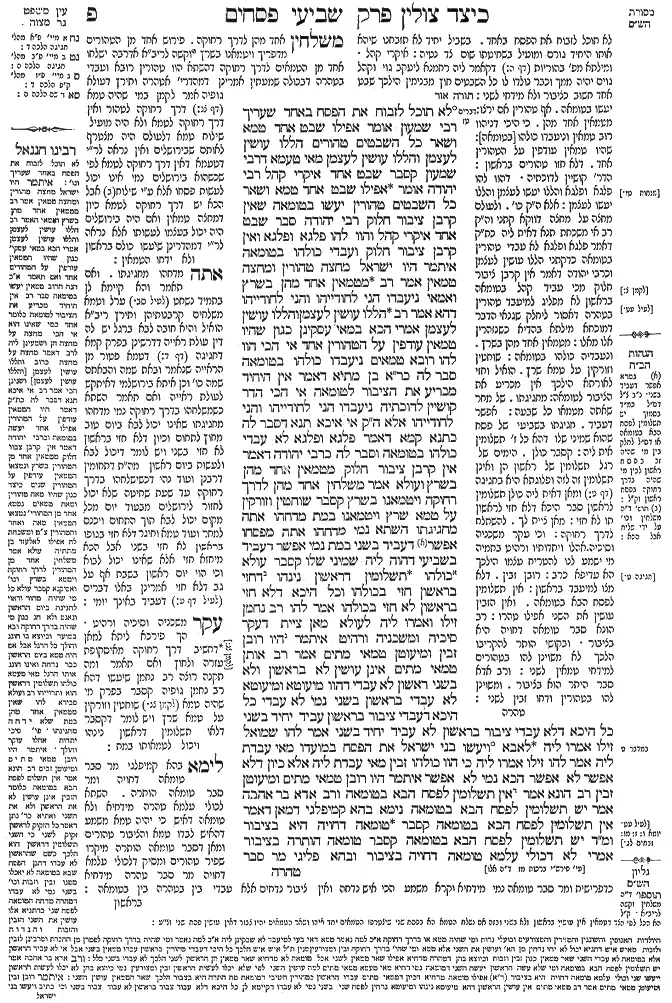
Pesahim 80a - Guemara
(דברים טז, ה) לא תוכל לזבוח את הפסח באחד שעריך רבי שמעון אומר אפילו שבט אחד טמא ושאר כל השבטים טהורים הללו עושין לעצמן והללו עושין לעצמן מאי טעמא דרבי שמעון קסבר שבט אחד איקרי קהל רבי יהודה אומר אפילו שבט אחד טמא ושאר כל השבטים טהורין יעשו בטומאה שאין קרבן ציבור חלוק רבי יהודה סבר שבט אחד איקרי קהל והוו להו פלגא ופלגא ואין קרבן ציבור חלוק ועבדי כולהו בטומאה איתמר היו ישראל מחצה טהורין ומחצה טמאין אמר רב מטמאין אחד מהן בשרץ ואמאי ניעבדו הני לחודייהו והני לחודייהו דהא אמר רב הללו עושין לעצמן והללו עושין לעצמן אמרי הכא במאי עסקינן כגון שהיו טמאין עודפין על הטהורין אחד אי הכי הוו להו רובא טמאים ניעבדו כולהו בטומאה סבר לה כר"א בן מתיא דאמר אין היחיד מכריע את הציבור לטומאה אי הכי הדר קושיין לדוכתיה ניעבדו הני לחודייהו והני לחודייהו אלא ה"ק אי איכא תנא דסבר לה כתנא קמא דאמר פלגא ופלגא לא עבדי כולהו בטומאה וסבר לה כרבי יהודה דאמר אין קרבן ציבור חלוק מטמאין אחד מהן בשרץ ועולא אמר משלחין אחד מהן לדרך רחוקה ויטמאנו בשרץ קסבר שוחטין וזורקין על טמא שרץ ויטמאנו במת מדחהו אתה מחגיגתו השתא נמי מדחהו אתה מפסחו אפשר דעביד בשני במת נמי אפשר דעביד בשביעי דהוה ליה שמיני שלו קסבר עולא כולהו תשלומין דראשון נינהו דחזי בראשון חזי בכולהו וכל היכא דלא חזי בראשון לא חזי בכולהו אמר להו רב נחמן זילו ואמרו ליה לעולא מאן ציית דעקר סיכיה ומשכניה ורהיט איתמר היו רובן זבין ומיעוטן טמאי מתים אמר רב אותן טמאי מתים אינן עושין לא בראשון ולא בשני ראשון לא עבדי דהוו מיעוטא ומיעוטא לא עבדי בראשון בשני נמי לא עבדי כל היכא דעבדי ציבור בראשון עביד יחיד בשני כל היכא דלא עבדי ציבור בראשון לא עביד יחיד בשני אמר להו שמואל זילו אמרו ליה לאבא (במדבר ט, ב) ויעשו בני ישראל את הפסח במועדו מאי עבדת ליה אמר להו זילו אמרו ליה כי הוו כולהו זבין מאי עבדת ליה אלא כיון דלא אפשר לא אפשר הכא נמי לא אפשר איתמר היו רובן טמאי מתים ומיעוטן זבין רב הונא אמר אין תשלומין לפסח הבא בטומאה ורב אדא בר אהבה אמר יש תשלומין לפסח הבא בטומאה נימא בהא קמיפלגי דמאן דאמר אין תשלומין לפסח הבא בטומאה קסבר טומאה דחויה היא בציבור ומ"ד יש תשלומין לפסח הבא בטומאה קסבר טומאה הותרה בציבור אמרי לא דכולי עלמא טומאה דחויה בציבור ובהא פליגי מר סבר
Comments from Rashi on Masechet Pesahim Page 80a
לא תוכל לזבוח את הפסח באחד . בשביל יחיד לא תזבחנו שיהא אותו היחיד גורם ומועיל בשחיטתו שום צד נטיה: איקרי קהל . ומילתא מפ' בהוריות (דף ה:) דקאמר ליה רחמנא ליעקב גוי וקהל גוים יהיה ממך וכבר נולדו לו כל השבטים חוץ מבנימין הילכך שבט אחד חשוב כציבור ולא מידחי לשני: יעשו בטומאה . אף טהורין אם ירצו: מטמאין אחד מהן . כי היכי דניהוו רוב טמאין וניעבדו כולהו [בטומאה]: שהיו טמאין עודפין על הטהורין אחד . דלא חזו טהורים בראשון: הדר' קושיין לדוכתיה . דהוו להו פלגא ופלגא והללו יעשו לעצמן והללו יעשו לעצמן: אלא ה"ק כו' . ולעולם מחצה על מחצה דווקא קתני וה"ק רב אי משכחת תנא דאית ליה כת"ק דאמר פלגא ופלגא לא עבדי טהורין בטומאה כדקתני הללו עושין לעצמן וכרבי יהודה דאמר אין קרבן ציבור חלוק מכי עביד קהל בטומאה בראשון לא מפליג למיעבד טהורין בטהרה דאוסר ליחלק שגנאי הדבר דמוכחא מילתא בהדיא כשנזהרין אלו מאלו: מטמאין אחד מהן בשרץ . ונעבדיה כולהו בטומאה: שוחטין וזורקין על טמא שרץ . הואיל וחזי לאורתא הילכך אין מכריע את הציבור לטומאה: מחגיגתו . של מחר שאתה מטמאו כל שבעה: אפשר דעביד . חגיגתו בשביעי של פסח שהוא שמיני שלו דהא כל ז' תשלומין אית ליה: קסבר כולן . הימים של רגל תשלומין של ראשון הן ואינן תשלומין זה לזה ופלוגתא היא בחגיגה (דף ט:) ומאן דאית ליה כולן תשלומין לראשון סבר היכא דלא חזי לראשון תו לא חזי: מאן ציית לך . להשתלח לדרך רחוקה: וכי עקר משכניה וסיכיה . אהלו ויתדותיו ורהיט בתמיה מי ישמע לנו להטריח עצמו הילכך הא עדיפא כרב: רובן זבין . דלא מצו למיעבד בראשון: אין תשלומין לפסח הבא בטומאה . ואין הזבין עושין את השני אפילו טהרו: רב הונא סבר טומאה דחויה היא בציבור . ובקושי הותר להקריבו הלכך לא משוינן להו בטהורים למידחי טמאין לשני: ורב אדא סבר היתר הוא בציבור . ומשוינן להו בטהורין ודחו זבין לשני:
Comments from Tosafot - Pesahim 80a
משלחין אחד מהן לדרך רחוקה . פירוש אחד מן הטהורים מדפריך ויטמאנו בשרץ וקשה לריב"א אדרבה ישלחו אחד מן הטמאים לדרך רחוקה דהשתא הוו טהורין רובא ועבדי בטהרה דבכולה שמעתין אמרינן דמהדרי' אטהרה ותירץ דעולא גופיה אמר לקמן במי שהיה טמא (פסחים דף צג:) דרך רחוקה לטהור ואין דרך רחוקה לטמא ולא היה מועיל שילוח טמא דלעולם היה מצטרף לאותם שבירושלים ואין נראה לר"י דטעמא דאין דרך רחוקה לטמא לפי שכשהוא בירושלים נמי אינו יכול לעשות פסחו אלא ע"י שילוח אבל הכא יש דרך רחוקה לטמא כיון דמחצה טמאין ואם היה בירושלים היה יכול בעצמו לעשותו אלא נראה לר"י דמהדרינן שיעשו כולם בראשון ולא ידחו הטמאין: אתה מדחהו מחגיגתו . ואם תאמר והא קיימא לן בתמיד נשחט (לעיל פסחים סב.) ערל וטמא משלחים קרבנותיהן ותירץ ריב"א הואיל והיא חובה לבא ברגל יש לה דין עולת ראייה דדרשינן בפרק קמא דחגיגה (דף ד:) דטמא פטור מן הראייה שנאמר ובאת שמה והבאתם שמה כו' וכן איתא בירושלמי דאיתקש לעולת ראייה ואם תאמר השתא כשמשלחהו בדרך רחוקה נמי מדחהו מחגיגתו שאינו יכול לבא ביום טוב מחוץ לתחום וכיון דלא חזי בראשון לא חזי בשני ויש לומר דיכול לבא ולעשות ביום ראשון מה"ת דתחומין דרבנן ועוד נהי דכשישלחהו בדרך רחוקה עד שעת שחיטה שלא יכול לחזור לירושלים מבעוד יום מכל מקום יכול לבא תוך התחום ויכנס למחר ועוד טמא וחיגר דלא חזי בגופו בראשון לא חזי בשני אבל הכא מיחזא חזי אלא שאינו יכול לבוא וכי הוי יום ראשון בשבת אף על גב דלא חזי אמרינן באלו דברים (לעיל פסחים דף ע:) דעביד באינך יומי: עקר משכניה וסיכיה ורהיט . הך פירכא ליתא למאן דחשיב דרך רחוקה מאיסקופת עזרה ולחוץ ואם תאמר ומה תקנה רוצה רב נחמן שיעשו דהא רב נחמן גופיה קסבר בפרק מי שהיה טמא (לקמן פסחים צג.) שוחטין וזורקין על טמא שרץ ויש לומר דקסבר דלאו תשלומין דראשון נינהו ויכול לטמאותו במת: לימא בהא קמיפלגי מר סבר טומאה דחויה ומר סבר טומאה הותרה . השתא לכולי עלמא טהרה מידחיא ולא טומאה דאיש כי יהיה טמא משמע דהאיש לבדו טמא והציבור טהורים ומאן דסבר טומאה הותרה מיקרו שפיר טהורים ומסיק דלכולי עלמא דחויה מר סבר טהרה מידחיא כדפרישית ומר סבר טומאה נמי מידחיא וקרא משמע הכי איש נדחה ואין ציבור נדחים אלא עבדי בין בטהרה בין בטומאה:
Pesahim 80a - Mishnah translated into english
“You may not sacrifice the Paschal lamb in any one of your cities” (Deuteronomy 16:5). Rabbi Elazar ben Matya derived from the expression “in any one” that one person cannot be the determining factor in whether the community sacrifices the Paschal lamb in a state of ritual purity or impurity.
Rabbi Shimon says: Even if one tribe is ritually impure and all the rest of the tribes are pure, those tribes who are ritually pure perform the ritual of the Paschal lamb for themselves in a state of purity, and those members of the tribe that is impure perform the ritual of the Paschal lamb for themselves in a state of ritual impurity. The Gemara asks: What is the reason for the opinion of Rabbi Shimon? The Gemara answers: He holds that one tribe is called a community, and a community may sacrifice the Paschal lamb in a state of impurity.
Rabbi Yehuda says: Even if one tribe is impure and all the rest of the tribes are pure, all the tribes may perform the ritual of the Paschal lamb in a state of ritual impurity, as a communal offering is not divided. The Gemara explains that Rabbi Yehuda holds that one tribe is called a community, and since an entire community is impure, it is considered as though half the Jewish people were pure and half were impure. And a communal offering is not divided. Therefore, all of them may perform the ritual of the Paschal lamb in a state of ritual impurity.
It was stated that the amora’im disputed the following issue: If the Jewish people were divided, and exactly half were pure and half were impure, Rav said: They render impure one of those who was pure with a creeping animal. The majority of the people will then be ritually impure and they may all sacrifice the Paschal lamb in a state of ritual impurity.
The Gemara asks: Why do so? Let those who are pure perform the ritual of the Paschal lamb on their own in a state of purity and those who are impure perform the ritual of the Paschal lamb on their own in a state of impurity. Didn’t Rav himself say: If half the community is ritually pure and half is ritually impure, those who are pure perform the ritual of the Paschal lamb for themselves and those who are impure perform the ritual of the Paschal lamb for themselves? Say in answer to this question: With what are we dealing here? We are dealing with a unique circumstance where the ritually impure outnumbered the ritually pure by one person.
The Gemara challenges this answer: If so, the majority of the community is impure. Therefore, let them all perform the ritual of the Paschal lamb in a state of impurity. The Gemara answers: Rav holds in accordance with the opinion of Rabbi Elazar ben Matya, who said: An individual cannot tip the balance of the community toward ritual impurity. The Gemara asks: If so, our question has returned to its place. If this situation is considered half and half, let those who are pure perform the ritual of the Paschal lamb on their own in a state of purity and those who are impure perform the ritual of the Paschal lamb on their own in a state of impurity.
Rather, this is what Rav said: If there is a tanna who holds in accordance with the opinion of the first tanna, who said that in a case where half the community is pure and half is impure, they do not all perform the ritual of the Paschal lamb in a state of impurity, and also holds in accordance with the opinion of Rabbi Yehuda, who said that a communal offering is not divided, there is no way to solve the problem other than to render impure one of those who were pure with a creeping animal.
And Ulla said: They do not render one of them impure with a creeping animal. Rather, they send one of them who is pure to a distant place, so that the majority of the community that is present at the Temple will be ritually impure, and they will all sacrifice the Paschal lamb in a state of ritual impurity. The Gemara suggests: Let them render him impure with a creeping animal as Rav said, which is easier to implement.
The Gemara responds: Ulla holds that one may slaughter the Paschal lamb and sprinkle its blood even for someone who is ritually impure from a creeping animal because he can become ritually pure by the evening and eat from the Paschal lamb. Therefore, rendering someone impure with a creeping animal does not disqualify him from participating in the Paschal lamb in a state of purity.
The Gemara suggests: Let them render him impure with a corpse, which causes ritual impurity for seven days. The Gemara responds that this solution is not implemented because you would defer him from his Festival peace-offering. Since he would be impure for the entire Festival, he would be unable to sacrifice a Festival peace-offering, which is the peace-offering brought by each person who visits the Temple on the Festival. He would needlessly be prevented from performing a mitzva.
The Gemara challenges this response: Now, too, by sending one pure person to a distant place, you disqualify him from sacrificing his Paschal lamb and prevent him from performing a mitzva. The Gemara answers: His sacrifice of the Paschal lamb will not necessarily be totally disqualified. It is possible that he will perform the ritual of the Paschal lamb on the second Pesaḥ.
The Gemara challenges this response: With regard to ritual impurity from a corpse also, it is possible that he will perform the ritual of the Festival peace-offering on the seventh day of Passover, which is his eighth day of ritual impurity, since he became impure on the eve of Passover. He can become ritually pure by the seventh day and still sacrifice a Festival peace-offering.
The Gemara answers: Ulla holds that all the days of the Festival on which one may sacrifice a Festival peace-offering are redress for what one was obligated but unable to bring on the first day. Therefore, one who is fit to bring the offering on the first day is fit on all of them, and whenever one is not fit on the first day, he is not fit on all of them. Consequently, one who is impure on the first day of the Festival is unable to sacrifice a Festival peace-offering the rest of the Festival.
Rav Naḥman said to the students: Go and say to Ulla that his solution is not practical. Who will listen to uproot his pegs and tent and run to a distant place?
It was stated that the amora’im discussed the following matter: If the majority of the public were zavim and a minority of them were ritually impure from impurity imparted by a corpse, what should they do? The halakha is that even if the majority of the public has the status of zavim, they may not sacrifice the Paschal lamb in a state of impurity. Rav said: Those who are impure from impurity imparted by a corpse do not perform the ritual of the Paschal lamb on the first Pesaḥ or on the second Pesaḥ.
Rav explains: On the first Pesaḥ they do not perform the ritual of the Paschal lamb because they are the minority, and the minority may not perform the ritual of the Paschal lamb on the first Pesaḥ in a state of impurity. On the second Pesaḥ, they also do not perform the ritual of the Paschal lamb because whenever the community performs the ritual of the Paschal lamb on the first Pesaḥ, the individual performs the ritual of the Paschal lamb on the second. Conversely, whenever the community does not perform the ritual of the Paschal lamb on the first Pesaḥ, the individual does not perform the ritual of the Paschal lamb on the second Pesaḥ.
Shmuel said to those who informed him of Rav’s ruling: Go and say to Rav, whose first name was Abba: What do you do with the following verse: “Let the children of Israel offer the Paschal lamb in its appointed time” (Numbers 9:2)? Rav said to those who transmitted Shmuel’s objection: Go and say to him: When they are all zavim, what do you do? Rather, you are forced to say that since it is impossible to fulfill the mitzva, it is impossible. Here, too, it is impossible.
It was stated that the amora’im discussed the following matter: The majority of the public were ritually impure from impurity imparted by a corpse on the first Pesaḥ, so that the Paschal lamb is sacrificed in a state of impurity, and a minority of them were zavim, whose impurity does not permit them to sacrifice the Paschal lamb on the first Pesaḥ.
In a case where the zavim became pure in time for the second Pesaḥ, Rav Huna said: There is no redress for a Paschal lamb that is brought in ritual impurity. Since the Paschal lamb was sacrificed in a state of impurity on the first Pesaḥ, it cannot be sacrificed on the second Pesaḥ that year. And Rav Adda bar Ahava said: There is redress for a Paschal lamb that is brought in a state of impurity. Therefore, one who was unable to participate when the public sacrificed the Paschal lamb in a state of impurity may still bring the Paschal lamb on the second Pesaḥ.
The Gemara suggests: Let us say that they disagree about the following: Rav Huna, the one who said there is no redress for a Paschal lamb that is brought in a state of impurity, holds that ritual impurity is merely overridden in cases involving the public. It is not fully permitted. Therefore, although those who are impure are deferred to the second Pesaḥ when the Paschal lamb is brought in a state of purity, there is no indication that the same is true when it is brought on the first Pesaḥ in a state of impurity.
Conversely, Rav Adda bar Ahava, the one who said there is redress for a Paschal lamb that is brought in ritual impurity, holds that ritual impurity is wholly permitted in cases involving the public. Therefore, it is considered as though the Paschal lamb were sacrificed on the first Pesaḥ in a state of purity, and those who were unable to sacrifice the Paschal lamb on the first Pesaḥ sacrifice it on the second Pesaḥ.
Say: No, it is unnecessary to accept this assumption. It is possible that everyone agrees that ritual impurity is overridden in cases involving the public, and they disagree about this other issue: This Master, Rav Huna, who said there is no redress, holds:
Traduction : The William Davidson digital edition of the Koren Noé Talmud, with commentary by Rabbi Adin Even-Israel Steinsaltz.