 Talmud Bavli
Pesahim 60a : Youtube
Daf TubeYoutube
3 video classes :
Pesahim Page 60a
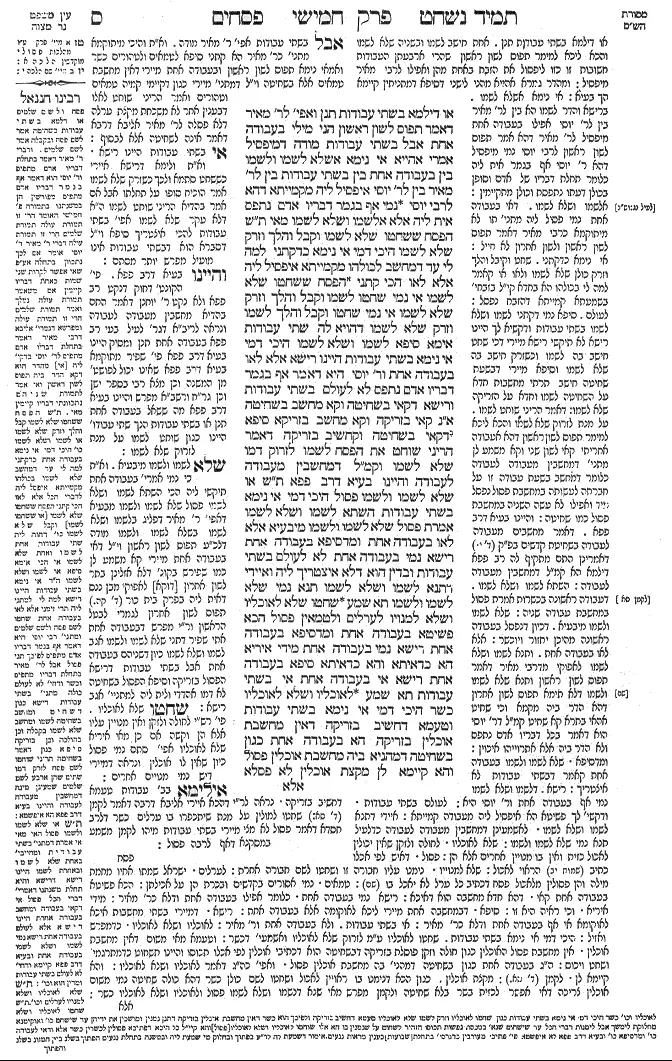
Pesahim 60a - Guemara
או דילמא בשתי עבודות תנן ואפי' לר' מאיר דאמר תפוס לשון ראשון הני מילי בעבודה אחת אבל בשתי עבודות מודה דמיפסיל אמרי אהייא אי נימא אשלא לשמו ולשמו בין בעבודה אחת בין בשתי עבודות בין לר' מאיר בין לר' יוסי איפסיל ליה מקמייתא דהא לרבי יוסי נמי אף בגמר דבריו אדם נתפס אית ליה אלא אלשמו ושלא לשמו מאי ת"ש הפסח ששחטו שלא לשמו וקבל והלך וזרק שלא לשמו היכי דמי אי נימא כדקתני למה לי עד דמחשב לכולהו מקמייתא איפסיל ליה אלא לאו הכי קתני הפסח ששחטו שלא לשמו אי נמי שחטו לשמו וקבל והלך וזרק שלא לשמו אי נמי שחטו וקבל והלך לשמו וזרק שלא לשמו דהויא לה שתי עבודות אימא סיפא לשמו ושלא לשמו היכי דמי אי נימא בשתי עבודות היינו רישא אלא לאו בעבודה אחת ור' יוסי היא דאמר אף בגמר דבריו אדם נתפס לא לעולם בשתי עבודות ורישא דקאי בשחיטה וקא מחשב בשחיטה א"נ קאי בזריקה וקא מחשב בזריקא סיפא דקאי בשחיטה וקחשיב בזריקה דאמר הריני שוחט את הפסח לשמו לזרוק דמו שלא לשמו וקמ"ל דמחשבין מעבודה לעבודה והיינו בעיא דרב פפא ת"ש או שלא לשמו ולשמו פסול היכי דמי אי נימא בשתי עבודות השתא לשמו ושלא לשמו אמרת פסול שלא לשמו ולשמו מיבעיא אלא לאו בעבודה אחת ומדסיפא בעבודה אחת רישא נמי בעבודה אחת לא לעולם בשתי עבודות ובדין הוא דלא איצטריך ליה ואיידי דתנא לשמו ושלא לשמו תנא נמי שלא לשמו ולשמו תא שמע שחטו שלא לאוכליו ושלא למנויו לערלים ולטמאין פסול הכא פשיטא בעבודה אחת ומדסיפא בעבודה אחת רישא נמי בעבודה אחת מידי איריא הא כדאיתא והא כדאיתא סיפא בעבודה אחת רישא אי בעבודה אחת אי בשתי עבודות תא שמע לאוכליו ושלא לאוכליו כשר היכי דמי אי נימא בשתי עבודות וטעמא דחשיב בזריקה דאין מחשבת אוכלין בזריקה הא בעבודה אחת כגון בשחיטה דמהניא ביה מחשבת אוכלין פסול והא קיימא לן מקצת אוכלין לא פסלא
Comments from Rashi on Masechet Pesahim Page 60a
או דילמא בשתי עבודות תנן . אחת חישב לשמו ובשניה שלא לשמו והכא ליכא למימר תפוס לשון ראשון שהרי ארבעתן העבודות חשובות זו כזו ליפסול את הזבח באחת מהן ואפילו לרבי מאיר מיפסיל: ומהדר גמרא אהייא מהני לישני דסיפא דמתניתין קיימא הך בעיא: אי נימא אשלא לשמו . ברישא והדר לשמו הא בין לר' מאיר בין לר' יוסי אפילו בעבודה אחת מיפסיל לר' מאיר דהא אמר תפוס לשון ראשון לרבי יוסי נמי מיפסיל דהא ר' יוסי אף בגמר אית ליה כלומר תחלת דבריו של אדם וסופן בכולן דעתו נתפסת וכולן מתקיימין: אלשמו ושלא לשמו . דאי בעבודה אחת נמי פסיל ליה מתני' תו לא מיתוקמא כרבי מאיר דאמר תפוס לשון ראשון ולשון אחרון לא חייל: אי נימא כדקתני . שחט וקיבל והלך וזרק כולן שלא לשמו ולאו או קאמר למה לי בכולהו הא בחדא קי"ל בזבחי' בשמעתא קמייתא דהזבח נפסל: לעולם . סיפא נמי דקתני לשמו ושלא לשמו בשתי עבודות ודקשיא לך היינו רישא לא תיקשי רישא מיירי דכי שחט חישב בה לשמו וכשזרק חישב בה שלא לשמו וסיפא מיירי דבשעת שחיטה חישב תרתי מחשבות חדא על השחיטה לשמו וחדא על הזריקה שלא לשמו: דאמר הריני שוחט לשמו . על מנת לזרוק שלא לשמו והכא ליכא למימר תפוס לשון ראשון דהא אעבודה אחריתי קאי לשון שני וקא משמע לן מתני' דמחשבין מעבודה לעבודה כלומר דמחשב בשעת עבודה זו על חברתה לעשותה במחשבת פסול נפסל מיד ואפילו לא עשה השניה במחשבת פסול כמו שחיטה: והיינו בעיא דרב פפא . דאמר מחשבים מעבודה לעבודה בשחיטת קדשים בפ"ק (ד' י) דאמרינן התם מתקיף לה רב פפא דילמא הא קמ"ל דמחשבין מעבודה לעבודה: השתא לשמו ושלא לשמו . דעבודה ראשונה בכשרות אמרת פסול במחשבת עבודה שניה: שלא לשמו ולשמו מיבעיא . דכיון דנפסל בעבודה ראשונה מהיכן יחזור ויוכשר: אלא לאו בעבודה אחת . ותנא לשמו ושלא לשמו לאפוקי מדרבי מאיר דאמר תפוס לשון ראשון ותנא שלא לשמו ולשמו דלא תימא תפוס לשון אחרון דהא הדר ביה מקמא וכי שחיט אהאי בתרא קא שחיט קמ"ל דר' יוסי הוא דאמר בכל דבריו אדם נתפס ולא הדר ביה אלא אתרוייהו איכוין: ומדסיפא . שלא לשמו ולשמו בעבודה אחת קאמר דבשתי עבודות לא איצטריך: רישא . דלשמו ושלא לשמו נמי אף בעבודה אחת ור' יוסי היא: לעולם בשתי עבודות . ודקשיא לך פשיטא הא איפסיל ליה מעבודה קמייתא: איידי דתנא לשמו ושלא לשמו . לאשמעינן דמחשבין מעבודה לעבודה כדלעיל תנא נמי שלא לשמו ולשמו: שלא לאוכליו . לחולה ולזקן שאין יכולין לאכול כזית ואין בו מנויין אחרים אלא הן: פסול . דאיש לפי אכלו כתיב (שמות יב) הראוי לאכול: שלא למנוייו . נימנו עליו חבורה זו ושחטה לשם חבורה אחרת: לערלים . ישראל שמתו אחיו מחמת מילה והן פסולין מלאכול פסח דכתיב כל ערל לא יאכל בו (שם): טמאים . נמי אסורים בקדשים ובכרת הן על אכילתן: הכא פשיטא בעבודה אחת קאי . דהא חדא מחשבה הוא דאיכא: רישא נמי בעבודה אחת . כלומר אפילו בעבודה אחת ודלא כר' מאיר: מידי איריא . וכי ראיה היא זו: סיפא . דבמחשבה אחת מיירי ליכא לאוקומה אלא בעבודה אחת: רישא . דמיירי בשתי מחשבות איכא לאוקומא אי אף בעבודה אחת ודלא כר' מאיר: אי בשתי עבודות . ולא בעבודה אחת ור' מאיר: לאוכליו ושלא לאוכליו . כדמפרש ואזיל: היכי דמי אי נימא בשתי עבודות . שחטו לאוכליו ע"מ לזרוק שלא לאוכליו ואשמעי' דכשר: וטעמא מאי משום דאין מחשבת אוכלין . אין מחשבת פסול האוכלין כגון חולה וזקן פוסלת בזריקה דבשחיטה הוא דכתיבי אוכלין לפי אכלו תכוסו והיינו תשחוט כדמתרגמי' ושחט ויכוס: ה"ג בעבודה אחת כגון בשחיטה דמהני' בה מחשבת אוכלין פסול . ואפי' כה"ג דאמר לאוכליו ושלא לאוכליו: והא קיימא לן . לקמן (פסחים דף סא.): מקצת אוכלין . כגון הכא דנימנו בו ראויין לאכול ושחטו לשם כולן כשר דהא כולה שחיטה נמי משום אוכלין צריכה דאי אפשר לכזית בשר בלא שחיטה ולקמן מפרש מאי שנא דלשמו ושלא לשמו פסול ולאוכליו ושלא לאוכליו כשר:
Comments from Tosafot - Pesahim 60a
אבל בשתי עבודות אפי' ר' מאיר מודה . וא"ת והיכי מיתוקמא מתני' כר' מאיר הא קתני סיפא לטמאים ולטהורים כשר ואמאי נימא תפוס לשון ראשון ובעבודה אחת מיירי דאין מחשבת טמאים אלא בשחיטה וי"ל דמתני' מיירי כגון דקיימי קמיה טמאים וטהורים ואמר הריני שוחט לאלו דבענין אחר לא משכחת מקצת ערלה דלא פסלה לר' מאיר אליבא דרבא דאמר אינה לשחיטה אלא לבסוף: אי בשתי עבודות היינו רישא . וא"ת ולימא דרישא איירי כששחט סתמא ולכך כשזרק שלא לשמו אמר הוכיח סופו על תחלתו אבל אם אמר בהדיא הריני שוחט לשמו ה"א דלא עקר שלא לשמו אפי' בשתי עבודות להכי איצטריך סיפא וי"ל דסברא הוא דבשתי עבודות אינו מועיל מפרש יותר מסתם: והיינו בעיא דרב פפא . פי' הקונט' דחוק דנקט רב פפא ולא נקט ר' יוחנן דאמר התם בהדיא מחשבין מעבודה לעבודה ונראה לריב"א דגר' לעיל בעי רב פפא בעבודה אחת תנן ומסיק היינו בעיא דרב פפא פי' שפיר מתוקמא בעיא דרב פפא שאינו יכול לפושט' מן המשנה וכן מצא רבי בספר ישן וכן גר"ח ורשב"א מפרש והיינו בעיא דרב פפא מה ששאל בעבודה אחת תנן או בשתי עבודות הנך שתי עבודו' היינו כגון שוחט לשמו על מנת לזרוק שלא לשמו: שלא לשמו ולשמו מיבעיא . וא"ת כי נמי אמרי' בעבודה אחת תיקשי ליה הכי השתא לשמו ושלא לשמו פסול שלא לשמו ולשמו מבעיא דאפי' ר' מאיר דפליג בלשמו ושלא לשמו בשלא לשמו ולשמו מודה דלכ"ע תפוס לשון ראשון וי"ל דאי בעבודה אחת מיירי קא משמע לן כמו שפירש בקונ' דלא אזלינן בתר לשון אחרון [דוקא] לאפוקי מבן ננס דאית ליה בפרק בית כור (ד' קה.) תפוס לשון אחרון לגמרי לבטל הראשון ור"י מפרש דבעבודה אחת אתי שפיר דתני שלא לשמו ולשמו אגב לשמו ושלא לשמו כיון דשניהם בעבודה אחת אבל בשתי עבודות דרישא הפסול בזריקה וסיפא הפסול בשחיטה לא דמו אהדדי ולית ליה למתניי' אגב רישא: שחטו שלא לאוכליו . פי' רש"י לחולה ולזקן ואין מנויין עליו אלא הן וקשה אם כן מאי איריא שלא לאוכליו אפי' סתם נמי פסול כיון שאין לו אוכלין ונראה דמיירי דיש נמי מנויים אחרים: אילימא בב' עבודות טעמא דחשיב בזריקה . נראה לר"י דהכא איירי אליבא דרבה דאמר לקמן (פסחים ד' סא:) שחטו למולין על מנת שיתכפרו בו ערלים כשר דלרב חסדא דאמר פסול לא מצי מיירי בשתי עבודות מיהו לקמן משמע במסקנא דאף לרבה פסול:
Pesahim 60a - Mishnah translated into english
Or perhaps the mishna meant to teach a case of two rites. During the first rite, one had a particular intent, and during the second rite he had a different intent. Then, even according to Rabbi Meir, who said that in general we hold one accountable for the first expression, this rule applies only in one rite, but in two rites even he concedes that it disqualifies. Since the second statement was made during a different rite, it too is significant.
They said: To which part of the mishna does this discussion refer? If we say that the discussion pertains to the case in the mishna of slaughtering an offering first for a different purpose and then for its own purpose, then whether these intentions are verbalized during one rite or during two rites, whether according to the opinion of Rabbi Meir or according to the opinion of Rabbi Yosei, the offering is disqualified from the first statement, as also Rabbi Yosei holds that a person is held accountable even for the conclusion of his statement. That does not mean that the final statement is primary but that it too has value and complements the previous one. Therefore, since one initially intended to offer the Paschal lamb for a different purpose, it was immediately disqualified. Rather, the question is concerning the case of slaughtering an animal first for its own purpose and then for a different purpose; what exactly are the parameters of that case?
The Gemara cites a series of sources in order to resolve this question. Come and hear a resolution to the question from what is taught in the mishna: A Paschal lamb that one sacrificed for a different purpose, and he received the blood, and carried it to the altar, and sprinkled it for a different purpose, is disqualified. This needs clarification: What exactly are the circumstances? If we say that the case is exactly as it was taught, that these four rites are all performed for a different purpose, why do I need to say that he intended to perform all of them, i.e., the slaughter, receiving of the blood, carrying the blood to the altar, and sprinkling it upon the altar, for a different purpose? The offering has been disqualified from the first improper intention during slaughter.
Rather, is this not what the mishna is teaching: A Paschal lamb that one slaughtered for a different purpose, or alternatively, he slaughtered it for its own purpose, but received the blood, and carried the blood, and sprinkled the blood for a different purpose, or alternatively, he slaughtered it, and received the blood, and carried the blood for its own purpose, but sprinkled the blood for a different purpose, in all these situations the offering is disqualified? If so, it is a case of different intentions in two rites, and the mishna can also be in accordance with the opinion of Rabbi Meir.
The Gemara asks: If so, say the latter clause of the mishna: For its own purpose and for a different purpose. The Gemara clarifies: What are the circumstances? If we say that one had these two intentions during two different rites, that is precisely the meaning of the first clause and there is no need to repeat it. Rather, must we not say that in this part of the mishna, one had both intentions during one rite, and the mishna is according to the opinion of Rabbi Yosei, who said that a person is held accountable even for the conclusion of his statement?
This proof is refuted: No, actually it is possible to explain that even the latter clause of the mishna is referring to a case in which one has conflicting intentions during two different rites, and the difference between the first clause and the latter clause of the mishna is as follows: The first clause is referring to a case in which one is standing at the time of the slaughter and thinking about slaughtering the animal as a different offering; alternatively, he is standing at the time of the sprinkling of the blood and thinking about sprinkling for a different purpose.
The latter clause of the mishna, on the other hand, is referring to a case in which one is standing at the time of the slaughter and thinking about sprinkling for a different purpose. For example, where he said: I am hereby slaughtering the Paschal lamb for its own purpose, but my intent is to sprinkle its blood for a different purpose. And the mishna teaches us a new halakha, that one can intend from one rite to another rite, meaning that one can disqualify an offering through an improper intention about an upcoming rite while performing an earlier rite. And this was the question raised by Rav Pappa on a different occasion. He asked if intent during one rite concerning the performance of a different rite can disqualify an offering.
Since our question has not been resolved, it is necessary to bring another proof: Come and hear that which is taught in the last clause of the mishna: Or for a different purpose and for its own purpose, the offering is disqualified. The Gemara analyzes this statement: What exactly are the circumstances? If we say that it speaks about two rites, there is a difficulty: Now that you have already said that if the priest first performed a rite while intending that the offering be for its own purpose, and then performed a rite with the intention that it be for a different purpose, the Paschal lamb is disqualified, is it necessary to say that it is disqualified when the priest first performed a rite while intending that the offering be for a different purpose, and then performed a rite with the intention that it be for its own purpose? It is obvious that the offering is disqualified immediately with the first expression of intent.
Rather, isn’t the mishna addressing a case in which the priest has two intentions during one rite? And since the last clause of the mishna talks about one rite, the earlier clause of the mishna must also speak about one rite, and the mishna is according to Rabbi Yosei.
The Gemara refutes this proof: No, actually it is possible to explain that the last clause speaks about two rites, and by right it was not necessary to include this case, as it could have been inferred from the previous case. It was included for stylistic considerations: Since the mishna taught the case in which the rites are performed for its own purpose and for a different purpose, it also taught the case in which the rites are performed for a different purpose and for its own purpose.
The Gemara again attempts to bring a proof: Come and hear that which is taught in a different mishna: If one slaughtered the Paschal lamb with the intent that it be for those who cannot eat it, i.e., for people who physically cannot consume it; or for those who were not registered for it, i.e., for people who did not register in advance for this particular offering; or for uncircumcised or ritually impure people, whom the Torah forbids from consuming the Paschal lamb, it is disqualified. Here, in the mishna cited, it is obvious that one had this intent during one rite, as the mishna explicitly states that he had this intent during the slaughtering. And since the latter clause, which is the next mishna, speaks about one rite, the first clause, which is the current mishna, must also speak about one rite, and it is not in accordance with the opinion of Rabbi Meir.
The Gemara refutes this proof. Are the two cases comparable? Need they be exactly parallel? Perhaps this case is as it is, and that case is as it is. The latter clause, the next mishna, speaks about one rite, whereas the first clause, the current mishna, speaks either about one rite and is not according to Rabbi Meir or about two rites and is even according to Rabbi Meir.
The Gemara further proposes: Come and hear a solution based on what was taught later in that other mishna: If one slaughtered the Paschal lamb with the intent that it be for those who can eat it and for those who cannot eat it, it is valid. This ruling must be clarified: What exactly are the circumstances? If we say that one had two intentions during two different rites, e.g., he slaughtered it for those who can eat it and sprinkled the blood for those who cannot eat it, then the reason that the sacrifice is valid is that he had the disqualifying intention at the time of the sprinkling, which does not invalidate the offering because there is no intent concerning those who can eat it during the sprinkling. That is, intent to feed the Paschal lamb to those who are unable to eat it invalidates the offering only during the slaughter but not during the sprinkling.
But if one had both intentions during one rite, such as the slaughter, during which intent with regard to those who will eat the offering is effective, the sacrifice is disqualified. However, this conclusion is difficult, for we maintain that if only some of those who are to eat the Paschal lamb are unable to do so, such as in this case, the offering is not disqualified.
Traduction : The William Davidson digital edition of the Koren Noé Talmud, with commentary by Rabbi Adin Even-Israel Steinsaltz.