 Talmud Bavli
Pesahim 113a : Youtube
Daf TubeYoutube
3 video classes :
Pesahim Page 113a
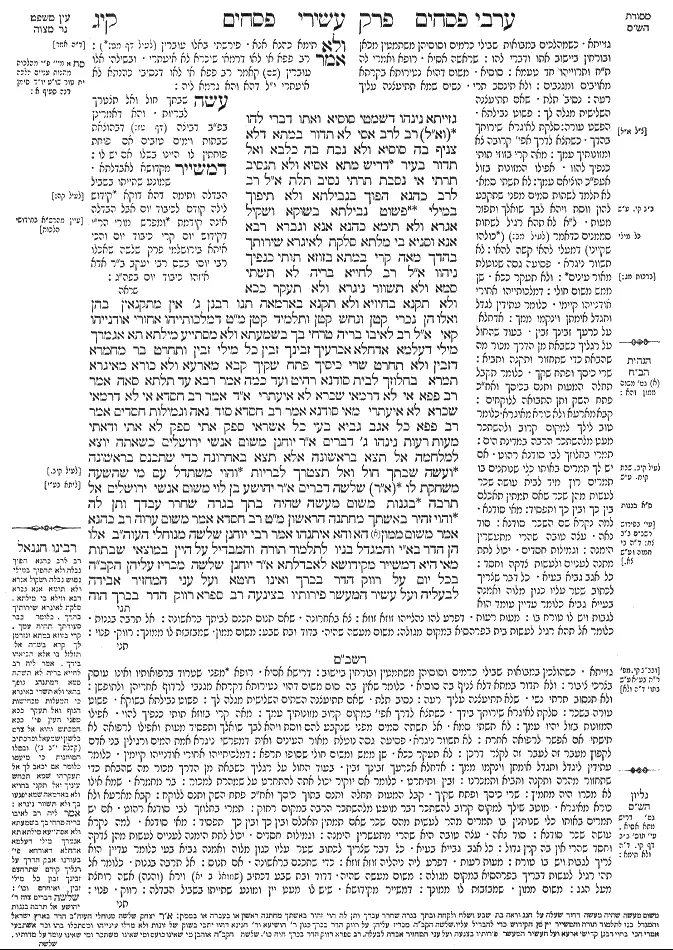
Pesahim 113a - Guemara
גזייתא נינהו דשמטי סוסיא ואתו דברי להו (וא"ל) רב לרב אסי לא תדור במתא דלא צניף בה סוסיא ולא נבח בה כלבא ואל תדור בעיר דריש מתא אסיא ולא תנסיב תרתי אי נסבת תרתי נסיב תלת א"ל רב לרב כהנא הפוך בנבילתא ולא תיפוך במילי פשוט נבילתא בשוקא ושקיל אגרא ולא תימא כהנא אנא וגברא רבא אנא וסניא בי מלתא סלקת לאיגרא שירותך בהדך מאה קרי במתא בזוזא תותי כנפיך ניהוו א"ל רב לחייא בריה לא תשתי סמא ולא תשוור ניגרא ולא תעקר ככא ולא תקנא בחיויא ולא תקנא בארמאה תנו רבנן ג' אין מתקנאין בהן ואלו הן נכרי קטן ונחש קטן ותלמיד קטן מ"ט דמלכותייהו אחורי אודנייהו קאי א"ל רב לאיבו בריה טרחי בך בשמעתא ולא מסתייע מילתא תא אגמרך מילי דעלמא אדחלא אכרעיך זבינך זבין כל מילי זבין ותחרט בר מחמרא דזבין ולא תחרט שרי כיסיך פתח שקיך קבא מארעא ולא כורא מאיגרא תמרא בחלוזך לבית סודנא רהיט ועד כמה אמר רבא עד תלתא סאה אמר רב פפא אי לא דרמאי שכרא לא איעתרי א"ד אמר רב חסדא אי לא דרמאי שכרא לא איעתרי מאי סודנא אמר רב חסדא סוד נאה וגמילות חסדים אמר רב פפא כל אגב גביא בעי כל אשראי ספק אתי ספק לא אתי ודאתי מעות רעות נינהו ג' דברים א"ר יוחנן משום אנשי ירושלים כשאתה יוצא למלחמה אל תצא בראשונה אלא תצא באחרונה כדי שתכנס בראשונה ועשה שבתך חול ואל תצטרך לבריות והוי משתדל עם מי שהשעה משחקת לו (א"ר) שלשה דברים א"ר יהושע בן לוי משום אנשי ירושלים אל תרבה בגנות משום מעשה שהיה בתך בגרה שחרר עבדך ותן לה והוי זהיר באשתך מחתנה הראשון מ"ט רב חסדא אמר משום ערוה רב כהנא אמר משום ממון הא והא איתנהו אמר רבי יוחנן שלשה מנוחלי העוה"ב אלו הן הדר בא"י והמגדל בניו לתלמוד תורה והמבדיל על היין במוצאי שבתות מאי היא דמשייר מקידושא לאבדלתא א"ר יוחנן שלשה מכריז עליהן הקב"ה בכל יום על רווק הדר בכרך ואינו חוטא ועל עני המחזיר אבידה לבעליה ועל עשיר המעשר פירותיו בצינעה רב ספרא רווק הדר בכרך הוה
Comments from Rashi on Masechet Pesahim Page 113a
גזייתא . כשמהלכים במבואות שבילי כרמים וסוסיהן משתמטין מכאן ובורחין ביישוב אתו ודברי להו: שראשה אסיא . רופא ואמרי לה ת"ח ותרוייהו חד טעמא: סוסיא . משום דהוא נטירותא בקרתא מאויבים ומגנבים: ולא תינסב תרי . נשים שמא תתיעצנה עליך רעה: נסיב תלת . שאם תתיעצנה השלישית מגלה לך: פשוט נבילתא . הפשט עורה: סלקת לאיגרא שירותך בהדך . כשתצא לדרך אפי' קרובה צא ומזונותיך עמך: מאה קרי בזוזי תותי כנפיך להוו . אפילו המזונות בזול אעפ"כ הוציאם עמך: לא תשתי סמא . לא תלמד לשתות סמים מפני שתקבע להון ווסת ויהא לבך שואלך ותפזר מעות. ל"א לא תהא רגיל לשתות סממנים כדאמר (לעיל פסחים מב:): (כולהו שקייני) דמעלי להאי קשה להאי: לא תשוור ניגרא . פסיעה גסה שנוטלת מאור עינים: ולא תעקר ככא . שן ממש משום חולי: דמלכותייהו אחורי אודנייהו קיימי . כלומר עתידין לגדל ותגדל אימתן וינקמו ממך: אדחלא על כרעך זבינך זבין . בעוד שהחול על רגליך כשבאת מן הדרך מכור מה שהבאת כדי שתחזור ותקנה ותביא: שרי כיסך ופתח שקך . כלומר תקבל תחלה המעות ותנם בכיסך ואח"כ פתח השק ותן התבואה ללוקחים: קבא מארעא ולא כורא מאיגרא . כלומר טוב לילך למקום קרוב ולהשתכר מעט מלהשתכר הרבה במדינת הים: תמרי בחלוזך לבי סודנא רהוט . אם יש לך תמרים באותו כלי שנותנים בו תמרים רוץ מיד לבית עושה שכר לעשות מהן שכר שאם תמתין תאכלם בין כך ובין כך ותפסיד: מאי סודנא . למה נקרא שם השכר סודנא: סוד נאה . עצה טובה שהרי מתעשרין הימנה: וגמילות חסדים . יכול לתת מתנה לעניים ולעשות צדקה וחסד: כל אגב גביא בעיא . כל דבר שצריך לכתוב שטר עליו כגון מלוה ואמנה בעייא גביא כלומר עדיין עומד הוא לגבות ויש לו טורח בו: מעות רעות . דפרע להו נהלייהו זוזא זוזא: צא באחרונה . שאם תנוס תכנס לביתך בראשונה: אל תרבה בגנות . כלומר אל תהא רגיל לעשות בית בפרהסיא במקום מגולה: משום מעשה שהיה . בדוד ובת שבע: משום ממון . שמבזבזת לו ממונך: רווק . פנוי:
Comments from Rashbam - Pesahim 113a
גזייתא . כשהולכין במבואות שבילי כרמים וסוסיהן משתמטין ובורחין ביישוב: ולא תדור במתא דלא צניף בה סוסיא . כלומר שאין בה סוס משום דהוי נטירותא דקרתא מגנבי לרדוף אחריהן ולתופשן: דרישא אסיא . רופא מפני שטרוד ברפואותיו ואינו עוסק בצרכי ציבור: ולא תנסוב תרתי נשי . שלא תתיעצנה עליך רעה: נסיב תלת . שאם תתיעצנה השתים השלישית מגלה לך: פשוט נבילתא בשוקא . פשוט עורה בשכר: סלקת לאיגרא שירותך בידך . כשתצא לדרך אפי' במקום קרוב מזונותיך עמך: מאה קרי בזוזא תותי כנפיך להוי . אפילו המזונות בזול יהיו עמך: לא תשתי סמא . אל תשתה סמים מפני שנקבע להם ווסת ויהא לבך שואלך ותפסיד מעות ואפילו לרפואה לא תישתי אם אפשר לרפואה אחרת: לא תשוור ניגרא . פסיעה גסה נוטלת מאור העינים ואית דמפרשי ניגרא אמת המים ורגילין בני אדם לקפוץ מעבר זה לעבר זה לקצר דרכן: לא תעקר ככא . שן ממש ומשום חולי שסופו תרפא: דמלכותייהו אחורי אודנייהו קיימין . כלומר עתידין ליגדל ותגדל אימתן וינקמו ממך: אדחלא אכרעך זבינך זבין . בעוד החול על רגליך כשבאת מן הדרך מכור מה שהבאת כדי שתחזור מהרה ותקנה ותביא ותמכרנו: זבין ותיחרט . כלומר אם יוקיר יכול אתה להתחרט על שמהרת למכור: בר מחמרא . שמא אילו לא מכרו היה מחמיץ: שרי כיסך ופתח שקיך . קבל המעות תחלה ותנם בתוך כיסך ואח''כ פתח השק ותנם ללוקח: קבא מארעא ולא כורא מאיגרא . מוטב שילך למקום קרוב להשתכר דבר מועט מלהשתכר הרבה במקום רחוק: תמרי בחלוזך לבי סודנא רהוט . אם יש תמרים באותו כלי שנותנין בו תמרים מהר לעשות מהם שכר שאם תמתין תאכלם ובין כך ובין כך תפסיד: מאי סודנא . למה נקרא עושה שכר סודנא: סוד נאה . עצה טובה היא שהרי מתעשרין הימנה: וגמילות חסדים . יכול לתת הימנה לעניים לעשות מהן צדקה וחסד שהרי אין בה קרן גדול: כל אגב גבייא בעיא . כל דבר שצריך לכתוב שטר עליו כגון מלוה ואמנה גביא בעי כלומר עדיין הוא צריך לגבות ויש בו טורח: מעות רעות . דפרע ליה ניהליה זוזא זוזא: בדי שתכנס בראשונה . אם תנוס: אל תרבה בגנות . כלומר אל תהי רגיל לעשות דבריך בפרהסיא במקום מגולה: משום מעשה שהיה . דדוד ובת שבע דכתיב (שמואל ב יא) וירא (והנה) אשה רוחצת מעל הגג: משום ממון . שמבזבזת לו ממונך: דמשייר מקידושא . שיש לו מעט יין ומונע שתייתו בשביל הבדלה: רווק . פנוי
Comments from Tosafot - Pesahim 113a
ולא תימא כהנא אנא . פירשתי באלו עוברין (לעיל פסחים דף מט:): אמר רב פפא אי לאו דרמאי שיכרא לא איעתרי . ובשילהי אלו עוברין (שם) קאמר רב פפא אי לאו דנסיבי כהנתא לא איעתרי י"ל דהא והא גרמא ליה: עשה שבתך חול ואל תצטרך לבריות . והא דאמרינן בפ"ב דביצה (דף טז:) דבהוצאת שבתות וימים טובים אם פוחת פוחתין לו היינו בשלו אם יש לו: דמשייר מקדושא לאבדלתא . שמונע שתייתו בשביל הבדלה ותימה דהא דוקא קידוש לילה קודם לכיבוד יום אבל הבדלה אינה קודמת ומפרש מורי הר"י דקידוש יום קרי כיבוד יום והכי איתא בירושלמי פרק שלשה שאכלו רבי יוסי בשם רבי יעקב ב"ר אדא איזהו כיבוד יום בפה"ג:
Pesahim 113a - Mishnah translated into english
are found on the paths [gazyata] near the city, as horses belonging to the demons flee along those paths, and the demons come to lead them away. Generally, however, demons do not enter inhabited places.
And Rav said to Rav Asi: Do not live in a city where horses do not neigh and where dogs do not bark, as these animals provide security and protection. And do not live in a city where the mayor is a doctor, as he will be too busy working to govern properly. And do not marry two women, as they will likely join forces against you. And if you do marry two, marry a third as well. If two of your wives plot against you, the third will inform you of their plans.
Rav said to Rav Kahana: It is better for one to turn over a carcass than to turn over his word, i.e., to break his promise. Rav further said: Skin a carcass in the market and take payment, but do not say: I am a priest, or: I am a great man, and this matter disgusts me. It is preferable for one to work, even in menial labor, than to be dependent on others. Rav also advised Rav Kahana: If you ascend to the roof, carry your food with you. One should always carry his sustenance with him, even if he goes only on a short trip. If one hundred pumpkins in the city cost a zuz, place them carefully under the corners of your clothes. Treat food respectfully even if it is inexpensive.
Rav said to Ḥiyya, his son: Do not get into the habit of drinking medications, lest you develop an addiction. And do not leap over a ditch, as you might hurt yourself in the process. And do not pull out a tooth, but try to heal it if possible. And do not provoke a snake in your house to try to kill it or chase it away. And do not provoke a gentile, as this too is dangerous.
Similarly, the Sages taught: There are three beings one should not provoke: A small gentile, and a small snake, and a small Torah scholar. What is the reason? Because their authority stands behind their ears. They will eventually grow up, assume power, each in his own way, and avenge those who have harassed them.
Rav said to Ayvu, his son: I struggled to teach you halakha but my efforts did not succeed, as you did not become a great scholar. Come and I will teach you about mundane matters: Sell your merchandise while the dust from the road is still on your feet. As soon you return from your travels, sell your wares, lest the prices fall in the meantime. Furthermore, it is possible that anything you sell might later cause you to regret the sale, except for wine, which you can sell without regret. Since wine might go bad and be entirely lost, its sale is always advisable.
Rav further advised his son: Open your purse to accept payment, and only then open your sack to deliver the goods, to ensure you will receive payment for your merchandise. It is better to earn a kav from the ground than a kor from the roof. A kor is one hundred and eighty times larger than a kav. This proverb means that it is preferable to earn a small amount from a local, safe transaction than to attempt to earn more through a distant, risky venture.
Rav continued: If there are dates in your storeroom, run to the brewery to sell them. If you wait, there is a good chance the dates will go bad. The Gemara asks: And how many dates should one keep for himself? Rava said: Up to three se’a. Rav Pappa said: If I were not a beer manufacturer I would not have become wealthy. Some say that it was Rav Ḥisda who said: If I were not a beer manufacturer I would not have become wealthy. The Gemara asks: What is the meaning of the word sudana, the Aramaic term for a brewer? Rav Ḥisda said: A pleasant secret [sod na’e] and acts of loving kindness, as brewing is a good way to make money and also enables one to perform good deeds.
The Gemara continues to offer advice about mundane matters. Rav Pappa said: Anything you acquire with a document by means of which ownership is transferred, i.e., a bill of acquisition or obligation, requires collection, despite the fact that you are the legal owner. Any sale on credit is uncertain whether or not it will come to fruition. And even if it does come to fruition, the money is bad. These funds are difficult to collect, and they are generally not paid on time.
Rabbi Yoḥanan said three matters, citing the people of Jerusalem: When you go to war do not go out first, but go out last. The reason is so that if your side is defeated and you need to flee for your life, you will enter the refuge of the city first. And it is better to make your Shabbat like an ordinary weekday and do not be beholden to other beings. And exert yourself to join together with one upon whom the hour smiles.
Rabbi Yehoshua ben Levi said three matters, citing the people of Jerusalem: Do not indulge in a shameful act in public, because of the incident that occurred involving David and Bathsheba (see II Samuel 11–12). If your daughter has grown up, it is better to free your Canaanite slave and give him to her than to leave her to find a husband on her own. And be careful with your wife with regard to her first son-in-law, as she is especially fond of him. What is the reason for this warning? Rav Ḥisda said: Due to the possibility of licentiousness. Rav Kahana said: Due to the fact that she might give him all your money and leave you impoverished. The Gemara comments: Since either of these could happen, it is best to be prudent.
Rabbi Yoḥanan said: Three people are among those who inherit the World-to-Come: One who lives in Eretz Yisrael; one who raises his sons to engage in Torah study; and one who recites havdala over wine at the conclusion of Shabbat. The Gemara asks: What is the special importance of that mitzva, to recite havdala over wine? The Gemara answers: This is referring to an individual with only a small amount of wine, who nevertheless leaves some of his kiddush wine for havdala.
Rabbi Yoḥanan further said: The Holy One, Blessed be He, proclaims about the goodness of three kinds of people every day, as exceptional and noteworthy individuals: About a bachelor who lives in a city and does not sin with women; about a poor person who returns a lost object to its owners despite his poverty; and about a wealthy person who tithes his produce in private, without publicizing his behavior. The Gemara reports: Rav Safra was a bachelor living in a city.
Traduction : The William Davidson digital edition of the Koren Noé Talmud, with commentary by Rabbi Adin Even-Israel Steinsaltz.