 Talmud Bavli
Pesahim 57a : Youtube
Daf TubeYoutube
3 video classes :
Pesahim Page 57a
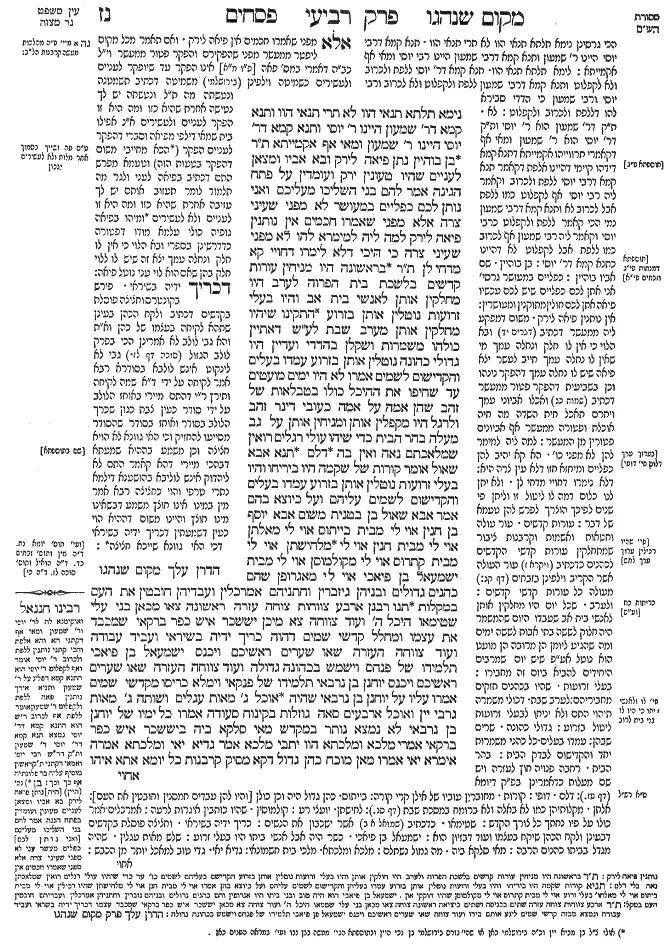
Pesahim 57a - Guemara
נימא תלתא תנאי הוו לא תרי תנאי הוו ותנא קמא דר' שמעון היינו ר' יוסי ותנא קמא דר' יוסי היינו ר' שמעון ומאי אף אקמייתא ת"ר בן בוהיין נתן פיאה לירק ובא אביו ומצאן לעניים שהיו טעונין ירק ועומדין על פתח הגינה אמר להם בני השליכו מעליכם ואני נותן לכם כפליים במעושר לא מפני שעיני צרה אלא מפני שאמרו חכמים אין נותנין פיאה לירק למה ליה למימרא להו לא מפני שעיני צרה כי היכי דלא לימרו דחויי קא מדחי לן ת"ר בראשונה היו מניחין עורות קדשים בלשכת בית הפרוה לערב היו מחלקין אותן לאנשי בית אב והיו בעלי זרועות נוטלין אותן בזרוע התקינו שיהיו מחלקין אותן מערב שבת לע"ש דאתיין כולהו משמרות ושקלן בהדדי ועדיין היו גדולי כהונה נוטלין אותן בזרוע עמדו בעלים והקדישום לשמים אמרו לא היו ימים מועטים עד שחיפו את ההיכל כולו בטבלאות של זהב שהן אמה על אמה כעובי דינר זהב ולרגל היו מקפלין אותן ומניחין אותן על גב מעלה בהר הבית כדי שיהו עולי רגלים רואין שמלאכתם נאה ואין בה דלם תנא אבא שאול אומר קורות של שקמה היו ביריחו והיו בעלי זרועות נוטלין אותן בזרוע עמדו בעלים והקדישום לשמים עליהם ועל כיוצא בהם אמר אבא שאול בן בטנית משום אבא יוסף בן חנין אוי לי מבית בייתוס אוי לי מאלתן אוי לי מבית חנין אוי לי מלחישתן אוי לי מבית קתרוס אוי לי מקולמוסן אוי לי מבית ישמעאל בן פיאכי אוי לי מאגרופן שהם כהנים גדולים ובניהן גיזברין וחתניהם אמרכלין ועבדיהן חובטין את העם במקלות תנו רבנן ארבע צווחות צוחה עזרה ראשונה צאו מכאן בני עלי שטימאו היכל ה' ועוד צווחה צא מיכן יששכר איש כפר ברקאי שמכבד את עצמו ומחלל קדשי שמים דהוה כריך ידיה בשיראי ועביד עבודה ועוד צווחה העזרה שאו שערים ראשיכם ויכנס ישמעאל בן פיאכי תלמידו של פנחס וישמש בכהונה גדולה ועוד צווחה העזרה שאו שערים ראשיכם ויכנס יוחנן בן נרבאי תלמידו של פנקאי וימלא כריסו מקדשי שמים אמרו עליו על יוחנן בן נרבאי שהיה אוכל ג' מאות עגלים ושותה ג' מאות גרבי יין ואוכל ארבעים סאה גוזלות בקינוח סעודה אמרו כל ימיו של יוחנן בן נרבאי לא נמצא נותר במקדש מאי סלקא ביה ביששכר איש כפר ברקאי אמרי מלכא ומלכתא הוו יתבי מלכא אמר גדיא יאי ומלכתא אמרה אימרא יאי אמרו מאן מוכח כהן גדול דקא מסיק קרבנות כל יומא אתא איהו
Comments from Rashi on Masechet Pesahim Page 57a
הכי גרסינן נימא תלתא תנאי הוו לא תרי תנאי הוו . תנא קמא דרבי יוסי היינו ר' שמעון ותנא קמא דרבי שמעון היינו רבי יוסי ומאי אף אקמייתא: לימא תלתא תנאי הוו . תנא קמא דר' יוסי ללפת ולכרוב ולא לקפלוט ותנא קמא דר' שמעון ללפת ולקפלוט ולא לכרוב ורבי יוסי ור' שמעון כי הדדי סבירא להו דללפת ולכרוב ולקפלוט: לא . ת"ק דר' שמעון הוא ר' יוסי ות"ק דר' יוסי הוא ר' שמעון ומאי אף דקאמרי תרווייהו אקמייתא דתנא קמא דידהו קיימי דהיינו אלפת דקאמר תנא קמא דרבי יוסי ללפת ולכרוב וקאמר ליה רבי יוסי אף לקפלוט כמו ללפת אבל לכרוב לא ותנא קמא דרבי שמעון נמי הכי קאמר ללפת ולקפלוט כרבי יוסי וקאמר ליה רבי שמעון אף לכרוב כמו ללפת אבל לקפלוט לא דהיינו כתנא קמא דר' יוסי: בן בוהיין . שם אביו בוהיין: כפליים במעושר . גרסי' אני אתן לכם כפליים שיש לכם עכשיו פיאה אתן לכם חולין מתוקנין ומעושרין: אין נותנין פיאה לירק . משום דמפקע ליה ממעשר דכתיב (דברים יד) ובא הלוי כי אין לו חלק ונחלה עמך מי שאין לו נחלה עמך חייב לעשר יצא פיאה שיש לו נחלה עמך דהפקר נינהו וכן בשביעית דהפקר פטור ממעשר דכתיב (שמות כג) ואכלו אביוני עמך ויתרם תאכל חית השדה מה חיה אוכלת ופטורה ממעשר אף אביונים פטורין מן המעשר: למה ליה למימר להן לא מפני כו' . הא קא יהיב להן כפליים ומיחזא חזו דלא עין צרה היא: דלא נימרו דחויי מדחי לן . ולא יתן לנו כלום דמה לו ליטול זו וליתן פי שנים לפיכך הוצרך לפרש להן טעמא של דבר: עורות קדשים . עור עולה וחטאות ואשמות וקרבנות ציבור שמתחלקין עורות קדשי הקדשים לכהנים כדכתיב (ויקרא ז) עור העולה אשר הקריב וילפינן בזבחים (דף קג:) מעולה כל עורות קדשי קדשים: ולערב . שכל יום היו מחלקין אותן לאנשי בית אב שעבדו היום שהמשמר היה חלוק לששה בתי אבות לששה ימים ומה שהגיע ליומן הן מרובה הן מועט הוא נוטל אע"פ שיש יום שמרבים היחידים להביא ביום זה מחבירו: בעלי זרועות . שהיו בכהנים חזקים מחביריהם: לערב שבת . דכולי משמרה תיהוי התם ולא יניחו לבעלי זרועות ליטול בזרוע: גדולי כהונה . שרים שבהן: עמדו בעלים . כל כהני משמרות יחד והקדישום לבדק הבית: בהר הבית . רחבה פנויה חוץ לעזרה ויש שם מעלות כדאמרינן בפ"ק דיומא (דף טז.): דלם . דופי: קורות . מחוברין עוביו של אילן קרי קורה: בייתוס . כהן גדול היה וכן כולן [והיו להן עבדים חמסנין וחובטין את העם]: אלתן . מקלותיהן כמו לא באלה ולא ברומח במסכת שבת (דף סג.): לחישתן . יועצי רע: קולמוסין . שהיו כותבין איגרות לרעה: אמרכלים . אמר כולו על פיו נחתך כל צורך הקדש: שטימאו . כדכתיב (שמואל א ב) אשר ישכבון את הנשים: כריך ידיה בשיראי . וחציצה פוסלת בקדשים דבעינן ולקח הכהן שיקח בעצמו ועוד דבזיון הוא: ישמעאל בן פיאכי . כשר היה אבל אנשי ביתו היו בעלי זרוע: שלש מאות עגלין . שהיה מגדל בביתו כהנים הרבה: מאי סלקא ביה . מה גמול נשתלם: מלכא ומלכתא . מלכי בית חשמונאי: גדיא יאי . גדי טוב למאכל יותר מן הכבש:
Comments from Tosafot - Pesahim 57a
אלא מפני שאמרו חכמים אין פיאה לירק . אם תאמר מכל מקום ליפטר ממעשר מפני שהפקירם והפקר פטור ממעשר וי"ל כב"ה דאמרי במס' פאה [פ"ו מ"א] אינו הפקר עד שיופקר לעניים ולעשירים כשמיטה וילפינן (בירושלמי) משמיטה דכתיב תשמטנה ונטשתה מה ת"ל ונטשתה יש לך נטישה אחרת שהיא כזו ומה היא זו הפקר לעניים ולעשירים א"נ אפילו בית שמאי דילפי מפיאה וסברי דהפקר לעניים הפקר (הכא מחייבי משום דהפקר בטעות הוה) וטעמא מפרש התם דכתיב בפיאה לעני ולגר מה תלמוד לומר תעזוב אותם יש לך עזיבה אחרת שהיא כזו ומה היא זו לעניים ולא לעשירים ומיהו בפיאה גופיה כולי עלמא מודו דפטורה כדדרשינן בספרי ובא הלוי כי אין לו חלק ונחלה עמך יצא זה שיש לו ללוי חלק בהן שאם הוא לוי עני נוטל פיאה: דכריך ידיה בשיראי . פירש בקונטרס וחציצה פוסלת בקדשים דכתיב ולקח הכהן בעינן שתהא לקיחה בעצמו של כהן וא"ת והא גבי לולב לא אמרינן הכי בפרק לולב הגזול (סוכה דף ל'.) גבי לא לינקוט אינש לולבא בסודרא רבא אמר לקיחה על ידי ד"א שמה לקיחה ותירץ ר"י דהתם מיירי באוחז הלולב על ידי סודר כעין צבת כגון שכרך הלולב בסודר ואוחז בסודר שהסודר מסייעו להחזיק וכי האי גוונא לא הויא חציצה וכן משמע בההיא שמעתא דבהכי מיירי דהא קאמר התם לא ליהדוק אינש לוליבא בהושענא דילמא נתרי טרפי והוי כחציצה רבא אמר מין במינו אינו חוצץ משמע דבשאינו מינו חוצץ והיינו משום דההיא הוי כעין דשמעתין דכריך ידיה בשיראי דכי האי גוונא שייכא חציצה:
Pesahim 57a - Mishnah translated into english
Let us say that there are three tanna’im who dispute this point: The two unattributed opinions, each of which is referring to two vegetables, and the opinion common to Rabbi Yosei and Rabbi Shimon that includes all three vegetables. The Gemara rejects this: No, there are only two tanna’im who dispute the point, and the first tanna whose opinion appears before the opinion of Rabbi Shimon is Rabbi Yosei. And the first tanna whose opinion appears before the opinion of Rabbi Yosei is Rabbi Shimon. And what is the meaning of the word even in both their statements? They agree with regard to the first vegetable, turnips; however, they disagree with regard to the second, and replace it with another vegetable.
The Gemara cites an episode from the Tosefta. The Sages taught: The son of a man named Bohayan designated for the poor the produce in the corner in a garden of vegetables, and his father Bohayan found the poor laden with vegetables and standing at the opening of the garden on their way out. He said to them: My sons, cast the vegetables that you have gathered from upon yourselves and I will give you twice the amount in tithed produce, and you will be no worse off. Not because I begrudge you what you have taken. Rather, it is because the Sages say: One does not designate for the poor the produce in the corner in a garden of vegetables. Therefore, the vegetables that you took require tithing.
The Gemara asks: Why was it necessary for him to say to them: Not because I begrudge you what you have taken? It would have been sufficient to offer them tithed produce. The Gemara answers that he said it so they would not say: He is putting us off, taking what we collected now, but later he will not fulfill his commitment.
Apropos the people of Jericho, the Gemara relates that powerful people would steal wood from them. The Sages taught: Initially, the priests would place the hides that were flayed from animals consecrated as offerings of the most sacred order, which were given to the priests, in the Parva chamber. In the evening, they would distribute them to the members of the family of priests serving in the Temple that day. And the powerful priests among them would take them by force before they could be distributed. The Rabbis decreed that they would distribute them each Shabbat eve, because then all the families of both priestly watches came and took their part together. All the families from both the watch that was beginning its service and the one ending its service were together when they divided the hides. The powerful priests were unable to take the hides by force.
Yet still the prominent priests by virtue of their lineage would take them by force. Due to their prominence, the members of the rest of the watch dared not challenge them. When they realized that there was no equitable distribution, the owners of the sacrifices (Me’iri) arose and consecrated the hides to Heaven so the priests could not take them.
The Sages said: Not a few days passed before they had plated the entire sanctuary with golden tablets with the proceeds from the redemption and sale of the hides. These plates were one cubit by one cubit and as thick as a golden dinar. And when the people assembled for the Festival pilgrimage they would remove the tablets and place them on a stair of the Temple Mount so that the pilgrims would see that the craftsmanship of the tablets was beautiful and without flaw [dalam]. Afterward they replaced the tablets in the Sanctuary.
It was similarly taught that Abba Shaul says: There were sycamore tree trunks in Jericho, and powerful people would take them from their owners by force. The owners stood and consecrated these trunks to Heaven. It was with regard to these trunks and the branches that grew from them that the residents of Jericho acted against the will of the Sages.
With regard to the prominent priests and those like them, Abba Shaul ben Batnit said in the name of Abba Yosef ben Ḥanin: Woe is me due to the High Priests of the house of Baitos, woe is me due to their clubs. Woe is me due to the High Priests of the house of Ḥanin; woe is me due to their whispers and the rumors they spread. Woe is me due to the High Priests of the house of Katros; woe is me due to their pens that they use to write lies. Woe is me due to the servants of the High Priests of the house of Yishmael ben Piakhi; woe is me due to their fists. The power of these households stemmed from the fact that the fathers were High Priests, and their sons were the Temple treasurers, and their sons-in-law were Temple overseers [amarkalin]. And their servants strike the people with clubs, and otherwise act inappropriately.
Apropos the critique of several prominent priests, the Gemara relates that the Sages taught: The people in the Temple courtyard all cried four cries, as they were in agreement over various issues (Pardes Rimonim). The first cry was: Leave here, sons of Eli, who defiled God’s Sanctuary (see I Samuel 2:22). Subsequently the priesthood was transferred to the house of Zadok. And an additional cry: Leave here, Yissakhar of Kfar Barkai, who honors himself and desecrates the items consecrated to Heaven. Due to his delicate nature and his disrespect for the Temple service, he would wrap his hands in silk [shirai] and perform the service. This would invalidate the service because the silk was an interposition between his hands and the Temple vessels. Furthermore, his conduct demeaned the Temple service, as he demonstrated that he was unwilling to dirty his hands for it.
And the people in the Temple courtyard cried additionally: Lift your heads, O gates, and let the righteous Yishmael ben Piakhi, the student of Pinehas ben Elazar the priest, enter and serve as High Priest, although the members of this family were violent. And the people in the Temple courtyard cried additionally: Lift your heads, O gates, and let Yoḥanan ben Narbbai, the student of Pinkai, enter and fill his belly with meat of offerings consecrated to Heaven, as he is worthy to eat offerings.
They said about Yoḥanan ben Narbbai that he and his household would eat three hundred calves, and drink three hundred jugs of wine, and eat forty se’a of doves for dessert. They said: Throughout all the days of Yoḥanan ben Narbbai there was no leftover sacrificial meat in the Temple, as he would make certain that someone ate it. The Gemara asks: What ultimately happened to Yissakhar of Kfar Barkai? They said: The king and the queen were sitting and talking. The king said that goat meat is better food, and the queen said lamb meat is better food. They said: Who can prove which one of us is correct? The High Priest can, as he offers sacrifices all day and tastes their meat. The High Priest had the right to take a portion from any sacrifice offered in the Temple, and therefore was well acquainted with the tastes of different meat. Yissakhar of Kfar Barkai came, and when they asked him this question,
Traduction : The William Davidson digital edition of the Koren Noé Talmud, with commentary by Rabbi Adin Even-Israel Steinsaltz.