 Talmud Bavli
Pesahim 112b : Youtube
Daf TubeYoutube
3 video classes :
Pesahim Page 112b
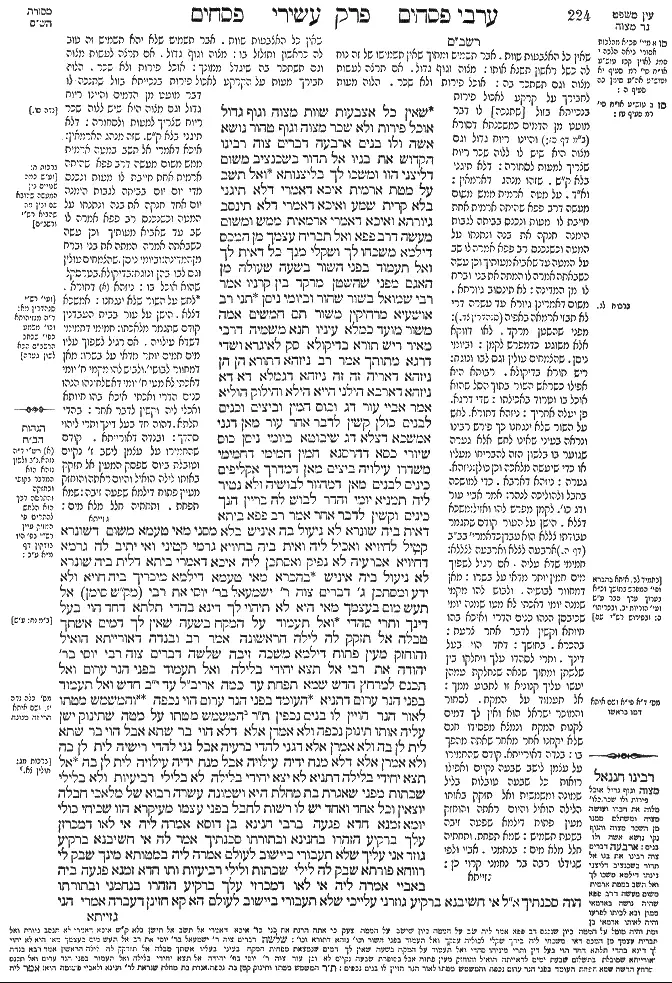
Pesahim 112b - Guemara
שאין כל אצבעות שוות מצוה וגוף גדול אוכל פירות ולא שכר מצוה וגוף טהור נושא אשה ולו בנים ארבעה דברים צוה רבינו הקדוש את בניו אל תדור בשכנציב משום דליצני הוו ומשכו לך בליצנותא ואל תשב על מטת ארמית איכא דאמרי דלא תיגני בלא קרית שמע ואיכא דאמרי דלא תינסב גיורתא ואיכא דאמרי ארמאית ממש ומשום מעשה דרב פפא ואל תבריח עצמך מן המכס דילמא משכחו לך ושקלי מנך כל דאית לך ואל תעמוד בפני השור בשעה שעולה מן האגם מפני שהשטן מרקד בין קרניו אמר רבי שמואל בשור שחור וביומי ניסן תני רב אושעיא מרחיקין משור תם חמשים אמה משור מועד כמלא עיניו תנא משמיה דרבי מאיר ריש תורא בדיקולא סק לאיגרא ושדי דרגא מתותך אמר רב ניזהא דתורא הן הן ניזהא דאריה זה זה ניזהא דגמלא דא דא ניזהא דארבא הילני הייא הילא והילוק הוליא אמר אביי עור דג וכוס חמין וביצים וכנים לבנים כולן קשין לדבר אחר עור מאן דגני אמשכא דצלא דג שיבוטא ביומי ניסן כוס שיורי כסא דהרסנא חמין חמימי דחמימי משדרו עילויה ביצים מאן דמדרך אקליפים כינים לבנים מאן דמחוור לבושיה ולא נטיר ליה תמניא יומי והדר לבוש לה בריין הנך כינים וקשין לדבר אחר אמר רב פפא ביתא דאית ביה שונרא לא ניעול בה איניש בלא מסני מאי טעמא משום דשונרא קטיל לחיויא ואכיל ליה ואית ביה בחיויא גרמי קטיני ואי יתיב לה גרמא דחיויא אכרעיה לא נפיק ואסתכן ליה איכא דאמרי ביתא דלית ביה שונרא לא ניעול ביה איניש בהכרא מאי טעמא דילמא מיכריך ביה חויא ולא ידע ומסתכן ג' דברים צוה ר' ישמעאל בר' יוסי את רבי (מק"ש סימן) אל תעש מום בעצמך מאי היא לא תיהוי לך דינא בהדי תלתא דחד הוי בעל דינך ותרי סהדי ואל תעמוד על המקח בשעה שאין לך דמים אשתך טבלה אל תזקק לה לילה הראשונה אמר רב ובנדה דאורייתא הואיל והוחזק מעין פתוח דילמא משכה זיבה שלשה דברים צוה רבי יוסי בר' יהודה את רבי אל תצא יחידי בלילה ואל תעמוד בפני הנר ערום ואל תכנס למרחץ חדש שמא תפחת עד כמה אריב"ל עד י"ב חדש ואל תעמוד בפני הנר ערום דתניא העומד בפני הנר ערום הוי נכפה והמשמש מטתו לאור הנר הויין לו בנים נכפין ת"ר המשמש מטתו על מטה שתינוק ישן עליה אותו תינוק נכפה ולא אמרן אלא דלא הוי בר שתא אבל הוי בר שתא לית לן בה ולא אמרן אלא דגני להדי כרעיה אבל גני להדי רישיה לית לן בה ולא אמרן אלא דלא מנח ידיה עילויה אבל מנח ידיה עילויה לית לן בה אל תצא יחידי בלילה דתניא לא יצא יחידי בלילה לא בלילי רביעיות ולא בלילי שבתות מפני שאגרת בת מחלת היא ושמונה עשרה רבוא של מלאכי חבלה יוצאין וכל אחד ואחד יש לו רשות לחבל בפני עצמו מעיקרא הוו שכיחי כולי יומא זמנא חדא פגעה ברבי חנינא בן דוסא אמרה ליה אי לאו דמכרזן עלך ברקיע הזהרו בחנינא ובתורתו סכנתיך אמר לה אי חשיבנא ברקיע גוזר אני עליך שלא תעבורי ביישוב לעולם אמרה ליה במטותא מינך שבק לי רווחא פורתא שבק לה לילי שבתות ולילי רביעיות ותו חדא זמנא פגעה ביה באביי אמרה ליה אי לאו דמכרזי עלך ברקיע הזהרו בנחמני ובתורתו הוה סכנתיך א"ל אי חשיבנא ברקיע גוזרני עלייכי שלא תעבורי ביישוב לעולם הא קא חזינן דעברה אמרי הני
Comments from Rashi on Masechet Pesahim Page 112b
שאין כל האצבעות שוות . אבר תשמיש שלא יהא תשמיש זה טוב לה כראשון ותזלזל בו: מצוה וגוף גדול . אם תרצה לעשות מצוה וגם תשתכר בה שיגדל ממונך: אוכל פירות ולא שכר . הלוה חבירך מעות על הקרקע לאכול פירות בנכייתא בזול שתנכה לו דבר מועט מן הדמים והיינו ריוח גדול וגם מצוה היא שיש ללוה שכר ריוח שצריך למעות ולסחורה: דלא תיגני בלא ק"ש . שזה מנהג הארמאין: איכא דאמרי אל תשב במטה ארמית ממש משום מעשה דרב פפא . שהיתה ארמית אחת חייבת לו מעות ונכנס מדי יום יום בביתה לגבות הימנה יום אחד חנקה את בנה ונתנתו על המטה וכשנכנס רב פפא אמרה לו שב עד שאביא מעותיך וכן עשה כשבאתה אמרה המתה את בני וברח מן המדינה: וביומי ניסן . שהצמחים עולין וגס לבו בהן ונוגח: בדיקולא . בטרסקל שהוא אוכל בו: ניזהא דתורא . לחש על השור שלא ינגחנו: אמשכא דצלא . הישן על עור בבית העבדנין קודם שתגמר מלאכתו: חמימי דחמימי דשדא עילויה . אם רגיל לשפוך עליו מים חמים יותר מדאי על בשרו: מאן דמחוור לבושי' . ולביש להו מקמי ח' יומי דאכתי לא מטי ח' יומי דאשלחינהו הנהו כנים הדרי ואכתי איכא בהו חיותא ואכלי ליה וקשין לדבר אחר: בהדי תלתא . דהוה חד בעל דינך ותרי ליהוי סהדך: ובנדה דאורייתא . קודם שהחמירו על עצמן לישב ז' נקיים וטובלת ביום שפסק המעין אל תזקק באותו לילה הואיל והיום ראתה והוחזק מעין פתוח דילמא שפעה זיבה: שמא תפחת . ותחתיה חלל מלא מים:
Comments from Rashbam - Pesahim 112b
שאין כל האצבעות שוות . אבר תשמיש ומתוך שאין תשמישו של זה נוח לה כשל ראשון תשנא אותו: מצוה וגוף גדול . אם תרצה לעשות מצוה וגם תשתכר בה: אוכל פירות ולא שכר . הלוה מעות לחבירך על קרקע לאכול פירות בנכייתא בזול [שתנכה] לו דבר מועט מן הדמים כמשכנתא דסורא (ב''מ דף סז:) והיינו ריוח גדול וגם מצוה היא שיש לו ללוה שכר ריוח שצריך למעות לסחורה: דלא תיגני בלא ק''ש . שזהו מנהג דארמאין: לא תינסוב גיורתא . משום דאמרינן גיורא עד עשרה דרי לא תבזי ארמאה באפיה (סנהדרין צד.): וא''ד . על מטה ארמית ממש משום מעשה דרב פפא שהיתה ארמית אחת חייבת לו מעות ונכנס בביתה לגבות הימנה חנקה את בנה ונתנתו על המטה וכשנכנס רב פפא אמרה לו שב על המטה עד שאביא מעותיך וכן עשה כשבאתה אמרה לו המתה את בני וברח לו מן המדינה: מפני שהשטן מרקד . לאו דווקא אלא משוגע כדמפרש לקמן: וביומי ניסן . שהצמחים עולין וגס לבו ונוגח: ריש תורא בדיקולא . רבותא היא אפילו כשראש השור בתוך הסל שהוא אוכל בו וטרוד באכילתו: שדי דרגא . פן יעלה אתריך: ניזהא דתורא . לחש על השור שלא ינגחנו כך פירש רבינו ונראה בעיני שאינו לחש אלא גערה שגוער בו בלשון הזה להבריחו מעליו או כדי שיעשה מלאכה וכן כולן: ניזהא . גערה: ניזהא דארבא . כדי למושכה בחבל ולהוליכה לנהר: אמר אביי עור ודג כו' . לקמן מפרש להו ואזיל: משכא דצלא . הישן על העור קודם שתגמר עבודתו צללא הוא עבדן כדאמרי' בב''ב (דף ה.) ארבעה לצלא וארבעה לצללא: חמימי שדא עליה . אם רגיל לשפוך מים חמין יותר מדאי על בשרו: מאן דמחוור לבושיה . ולבוש להו מקמי שמנה יומי דאכתי לא מטו שמנה יומי שכיבסן הנהו כנים הדרי ואיכא בהו חיותא וקשין לדבר אחר צרעת: בהכרא . בחושך: דחד הוי בעל דינך . ותרי לסהדו עלך ויחלקו בין שלשתן ומתוך שנאה שנחלקת עמהן יעשו עליך קנוניא זו לתבוע ממך: אל תעמוד על המקח . לסחור והמוכר ישראל הוא ואין לך דמים לקנות המקח ונמצא מפסידו חנם שלא יקחנו אחר מאחר שאתה מהפך בו: בנדה דאורייתא . קודם שהחמירו על עצמן לישב שבעה נקיים ואפילו רואות כל שבעה טובלות בליל שמונה ומשמשות ואל תזקק באותו הלילה הואיל והיום ראתה והוחזק מעין פתוח דילמא שפעה זיבה בשעת תשמיש: שמא תפחת . ותחתיה חלל מלא מים: בנחמני . אביי ולפי שגידלו רבה בר נחמני קרוי כן:
Pesahim 112b - Mishnah translated into english
not all fingers are equal. It is possible that intimate relations with her second husband might not be as pleasing as with the first, leading her to disparage and even hate him.
Rabbi Akiva continued to offer instruction: It is a mitzva and a great material benefit to one’s body to eat fruits without payment. That is, when one lends money and takes land as collateral, deducting from the loan the value of the fruit he eats, both the borrower and the lender benefit from this practice. One who both performs a mitzva and retains a pure body is one who marries a woman, as his thoughts will remain pure and he will merit to have children.
The Gemara cites more instructions issued by a Sage to his heirs. Our holy rabbi, Rabbi Yehuda HaNasi, commanded his sons to do four matters: Do not live in Shekhantziv in Babylonia, because they are mockers. And they will draw you in to their mockery and lead you to abandon your Torah studies.
Rabbi Yehuda HaNasi further commanded his sons: Do not sit on the bed of an Aramean woman. This advice is explained in different ways. Some say it means that you should not go to sleep without reciting Shema, as a Jew who does this acts like a gentile. And some say it means that you should not marry a convert, i.e., a Jewish woman who was once an Aramean.
And some say that Rabbi Yehuda HaNasi meant the actual bed of an Aramean woman, and this is due to the concern for a similar outcome to the later incident involving Rav Pappa. The incident in question was as follows: Rav Pappa entered the house of a gentile woman to collect a debt. The woman asked him to sit on her bed until she brought the money. As it turned out, she had placed her dead baby under the bed. Rav Pappa was subsequently accused of killing the baby and was forced to flee the district.
Rabbi Yehuda HaNasi continued: And do not avoid paying taxes, lest they find you and confiscate everything you own. And do not stand before an ox when it emerges from the marsh because Satan dances between its horns, i.e., an ox is particularly menacing at that time. Rabbi Shmuel said: This is referring to a black ox, and specifically during the days of Nisan, when the ox is most dangerous.
Rav Oshaya teaches with regard to the same issue: One distances himself fifty cubits from an innocuous ox [shor tam], an ox with no consistent history of causing damage with the intent to injure. From a forewarned ox [shor muad], an ox whose owner was forewarned because his ox already gored a person three times, one distances himself until it is beyond eyeshot.
A Sage taught citing the name of Rabbi Meir, in an exaggerated vein: Even if the head of the ox is in its food basket, go up to the roof and kick the ladder out from underneath you to escape from it. Rav said: The cry that one says to lead an ox is hen hen. The cry to lead a lion is zeh zeh. The cry to lead a camel is da da. The cry to laborers using ropes to pull a ship along a river is heleni, hayya, hela, vehilook, hulya.
Abaye said: Hide, fish, and a cup, hot water, and eggs, and white lice all cause the other matter, i.e., leprosy. The Gemara elaborates: Hide is referring to one who sleeps on a tanner’s hide before it has been tanned. Fish is referring to the shibuta fish in the days of Nisan. The cup is referring to one who eats the leftovers of small fried fish. Hot water is referring to very hot water that one pours on himself. Eggs means one who steps on eggshells. White lice is referring to one who washes his garment but does not keep it for eight days before wearing it again, a habit which creates these lice. And all of these practices cause the other matter, leprosy.
Rav Pappa said: With regard to a house in which there is a cat, a person should not enter there barefoot. What is the reason? Because the cat might kill a snake and eat it, and the snake has small bones, and if a small bone gets into one’s foot it cannot be removed, and he will be in danger. Some say that Rav Pappa said: With regard to a house in which there is no cat, a person should not enter there in the dark. What is the reason? Since there is no cat to hunt snakes, perhaps a snake will wrap itself around him without him knowing and he will be in danger.
Rabbi Yishmael, son of Rabbi Yosei, commanded Rabbi Yehuda HaNasi with regard to three matters. Parenthetically, the Gemara states that mem, kuf, shin is a mnemonic for the three statements, as it stands for mum, blemish, mekaḥ, a purchase, and ishtekha, your wife. The first matter is: Do not inflict a blemish upon yourself. The Gemara asks: What is the meaning of that statement? The Gemara explains: Do not have a court case against three people, as one will be your opponent and two will act as witnesses and testify against you whatever they wish. And do not stand over and display interest in a purchase when you do not have enough money even for the price you are offering, as this constitutes fraud.
The Gemara cites the third instruction that Rabbi Yishmael, son of Rabbi Yosei, commanded Rabbi Yehuda HaNasi. After your wife has immersed, do not engage in intimacy with her on the first night. Rather, wait an additional night. Rav said: And this is referring to a menstruating woman whose status applies by Torah law. According to Torah law, even if a woman experiences a continuous emission of blood for seven days, if the flow stops on the seventh day, she may immerse that night and engage in relations with her husband without delay. However, Rav maintains that one must act stringently in this case. His reasoning is: Since there is a presumption that the flow of blood is open, perhaps her zava blood will continue afterward, i.e., she will see more blood after engaging in intimacy.
The Gemara continues: Rabbi Yosei, son of Rabbi Yehuda, commanded Rabbi Yehuda HaNasi with regard to three matters: Do not go out alone at night; do not stand naked before a candle; and do not enter a new bathhouse, lest it collapse when they light the fire beneath it. The Gemara asks: Until when is a bathhouse considered new? Rabbi Yehoshua ben Levi said: Until twelve months have passed. With regard to the statement: And do not stand naked before a candle, the Gemara comments that this is as it was taught in a baraita: One who stands naked before a candle will become epileptic, and one who engages in intimacy by candlelight will have epileptic children.
Likewise, the Sages taught: One who engages in intimacy in a bed upon which a baby is sleeping, that child becomes epileptic. And we said that this will occur only if the child is not yet one year old; however, if he is one year old we have no problem with it, as he is old enough not to be affected. And furthermore, we said this only concerning a baby that is sleeping near the father’s feet; but if the baby is sleeping near his head he is sufficiently far away so that we have no problem with it. And we said this only if he does not place his hand on the baby at the time, but if he places his hands on the baby to serve as a barrier between them, we have no problem with it.
With regard to the instruction: Do not go out alone at night, the Gemara states that this is as it was taught in a baraita: One should not go out alone at night, neither on Tuesday nights nor on Shabbat nights, i.e., Friday nights, because the demon Agrat, daughter of Maḥalat, she and 180,000 angels of destruction go out at these times. And as each and every one of them has permission to destroy by itself, they are all the more dangerous when they go forth together.
The Gemara states: Initially, these demons were present every day. Once Agrat, daughter of Maḥalat, met Rabbi Ḥanina ben Dosa and said to him: Had they not announced about you in the Heavens: Be careful of Ḥanina and his Torah, I would have placed you in danger. He said to her: If I am considered important in Heaven, I decree upon you that you should never travel through inhabited places. She said to him: I beg you, leave me a little space. He left for her Shabbat nights and Tuesday nights.
And furthermore, once Agrat, daughter of Maḥalat met Abaye and said to him: Had they not announced about you in the Heavens: Be careful of Naḥmani, Abaye, and his Torah, I would have placed you in danger. He said to her: If I am considered important in Heaven, I decree upon you that you should never pass through inhabited places. The Gemara asks: But we see that, notwithstanding these anecdotes, demons do pass through inhabited areas. The Sages say in explanation: These demons
Traduction : The William Davidson digital edition of the Koren Noé Talmud, with commentary by Rabbi Adin Even-Israel Steinsaltz.