 Talmud Bavli
The learning on the whole site is dedicated : L'ilui Nishmat Margalit bat Ledicia
The learning on the whole site is dedicated : L'ilui Nishmat Rav Chlomo Ben Jamilla
The learning on the whole site is dedicated : L'ilui Nishmat Jamila bat Chlomo Abensour
Sanhedrin 106a : Youtube
Daf TubeYoutube
2 video classes :
Sanhedrin Page 106a
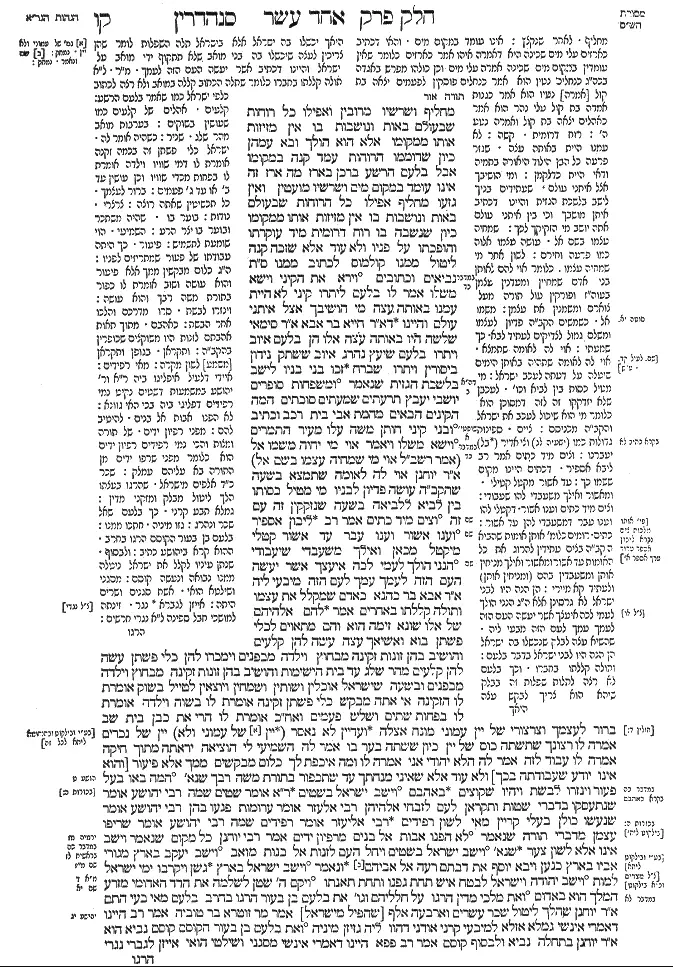
Sanhedrin 106a - Guemara
מחליף ושרשיו מרובין ואפילו כל רוחות שבעולם באות ונושבות בו אין מזיזות אותו ממקומו אלא הוא הולך ובא עמהן כיון שדוממו הרוחות עמד קנה במקומו אבל בלעם הרשע ברכן בארז מה ארז זה אינו עומד במקום מים ושרשיו מועטין ואין גזעו מחליף אפילו כל הרוחות שבעולם באות ונושבות בו אין מזיזות אותו ממקומו כיון שנשבה בו רוח דרומית מיד עוקרתו והופכתו על פניו ולא עוד אלא שזכה קנה ליטול ממנו קולמוס לכתוב ממנו ס"ת נביאים וכתובים (במדבר כד, כא) וירא את הקיני וישא משלו אמר לו בלעם ליתרו קיני לא היית עמנו באותה עצה מי הושיבך אצל איתני עולם והיינו דא"ר חייא בר אבא א"ר סימאי שלשה היו באותה עצה אלו הן בלעם איוב ויתרו בלעם שיעץ נהרג איוב ששתק נידון ביסורין ויתרו שברח זכו בני בניו לישב בלשכת הגזית שנאמר (דברי הימים א ב, נה) ומשפחות סופרים יושבי יעבץ תרעתים שמעתים סוכתים המה הקינים הבאים מחמת אבי בית רכב וכתיב (שופטים א, טז) ובני קיני חותן משה עלו מעיר התמרים (במדבר כד, כג) וישא משלו ויאמר אוי מי יחיה משמו אל (אמר רשב"ל אוי מי שמחיה עצמו בשם אל) א"ר יוחנן אוי לה לאומה שתמצא בשעה שהקב"ה עושה פדיון לבניו מי מטיל כסותו בין לביא ללביאה בשעה שנזקקין זה עם זה (במדבר כד, כד) וצים מיד כתים אמר רב ליבון אספיר (במדבר כד, כד) וענו אשור וענו עבר עד אשור קטלי מיקטל מכאן ואילך משעבדי שיעבודי (במדבר כד, יד) הנני הולך לעמי לכה איעצך אשר יעשה העם הזה לעמך עמך לעם הזה מיבעי ליה א"ר אבא בר כהנא כאדם שמקלל את עצמו ותולה קללתו באחרים אמר להם אלהיהם של אלו שונא זימה הוא והם מתאוים לכלי פשתן בוא ואשיאך עצה עשה להן קלעים והושיב בהן זונות זקינה מבחוץ וילדה מבפנים וימכרו להן כלי פשתן עשה להן קלעים מהר שלג עד בית הישימות והושיב בהן זונות זקינה מבחוץ וילדה מבפנים ובשעה שישראל אוכלין ושותין ושמחין ויוצאין לטייל בשוק אומרת לו הזקינה אי אתה מבקש כלי פשתן זקינה אומרת לו בשוה וילדה אומרת לו בפחות שתים ושלש פעמים ואח"כ אומרת לו הרי את כבן בית שב ברור לעצמך וצרצורי של יין עמוני מונח אצלה ועדיין לא נאסר (יין של עמוני ולא) יין של נכרים אמרה לו רצונך שתשתה כוס של יין כיון ששתה בער בו אמר לה השמיעי לי הוציאה יראתה מתוך חיקה אמרה לו עבוד לזה אמר לה הלא יהודי אני אמרה לו ומה איכפת לך כלום מבקשים ממך אלא פיעור [והוא אינו יודע שעבודתה בכך] ולא עוד אלא שאיני מנחתך עד שתכפור בתורת משה רבך שנא' (הושע ט, י) המה באו בעל פעור וינזרו לבשת ויהיו שקוצים באהבם (במדבר כה, א) וישב ישראל בשטים ר"א אומר שטים שמה רבי יהושע אומר שנתעסקו בדברי שטות ותקראן לעם לזבחי אלהיהן רבי אלעזר אומר ערומות פגעו בהן רבי יהושע אומר שנעשו כולן בעלי קריין מאי לשון רפידים רבי אליעזר אומר רפידים שמה רבי יהושע אומר שריפו עצמן מדברי תורה שנאמר (ירמיהו מז, ג) לא הפנו אבות אל בנים מרפיון ידים אמר רבי יוחנן כל מקום שנאמר וישב אינו אלא לשון צער שנא' (במדבר כה, א) וישב ישראל בשטים ויחל העם לזנות אל בנות מואב (בראשית לז, א) וישב יעקב בארץ מגורי אביו בארץ כנען ויבא יוסף את דבתם רעה אל אביהם ונאמר (בראשית מז, כז) וישב ישראל בארץ גשן ויקרבו ימי ישראל למות (מלכים א ה, ה) וישב יהודה וישראל לבטח איש תחת גפנו ותחת תאנתו (מלכים א יא, יד) ויקם ה' שטן לשלמה את הדד האדומי מזרע המלך הוא באדום (במדבר לא, ח) ואת מלכי מדין הרגו על חלליהם וגו' את בלעם בן בעור הרגו בחרב בלעם מאי בעי התם א"ר יוחנן שהלך ליטול שכר עשרים וארבעה אלף [שהפיל מישראל] אמר מר זוטרא בר טוביה אמר רב היינו דאמרי אינשי גמלא אזלא למיבעי קרני אודני דהוו ליה גזיזן מיניה (יהושע יג, כב) ואת בלעם בן בעור הקוסם קוסם נביא הוא א"ר יוחנן בתחלה נביא ולבסוף קוסם אמר רב פפא היינו דאמרי אינשי מסגני ושילטי הואי אייזן לגברי נגרי
Comments from Rashi on Masechet Sanhedrin Page 106a
מחליף . לאחר שנקצץ: אינו עומד במקום מים . והאי דכתיב כארזים עלי מים שכינה היא דאמרה איהו אמר כארזים כלומר שאין עומדין במקום מים שכינה אמרה עלי מים וכן כולהו מפרש באגדה בכה"ג כנחלים נטיו הוא אמר כנחלים פוסקין לפעמים יצאה בת קול [אמרה] נטיו הוא אמר כגנות אמרה בת קול עלי נהר הוא אמר כאהלים יצאה בת קול ואמרה נטע ה': רוח דרומית . קשה: לא עמנו היית באותה עצה . שגזר פרעה כל הבן הילוד היאורה בתמיה ודאי היית כדלקמן: ומי הושיבך אצל איתני עולם . שעתידים בניך לישב בלשכת הגזית והיינו דכתיב איתן מושבך וכי בין איתני עולם אתה יושב מי הזקיקך לכך: שמחיה עצמו בשם אל . עושה עצמו אלוה כמו פרעה וחירם: לשון אחר מי שמחיה עצמו . כלומר אוי להם לאותן בני אדם שמחיין ומעדנין עצמן בעוה"ז ופורקין עול תורה מעל צוארם ומשמנין את עצמן: משמו אל . כשמשים הקב"ה פדיון לעצמו ומשלם גמול לצדיקים לעתיד לבא. כך שמעתי: אוי לה לאומה שתמצא . אוי לה לאומה שתהיה באותן הימים שיעלה על דעתה לעכב ישראל: מי מטיל כסות בין לביא וכו' . לעכבן שלא יזדקקו זה לזה דמסוכן הוא כלומר מי הוא שיכול לעכב את ישראל והקב"ה מכניסם: ציים . ספינות גדולות כמו (ישעיהו לג) וצי אדיר (בל) יעברנו: וצים מיד כתים אמר רב ליבא אספיר . דכתים היינו מקום ששמו כך: עד אשור מקטל קטילי . ומאשור ואילך משעבדי להו שעבודי: וצים מיד כתים וענו אשור . דקטלי להו וענו עבר דמשעבדי להן עד אשור: כתים . רומים כלומ' אותן אומות שהביא הקב"ה בצים עתידין להרוג את כל האומות עד אשור ומאשור ואילך מניחין אותן ומשעבדין בהם (ומניחין אותן) ולעתיד קא מיירי: הן הנה היו לבני ישראל לא גרסינן אלא ה"ג הנני הולך לעמי לכה איעצך אשר יעשה העם הזה לעמך עמך לעם הזה מבעי ליה . שהשיא עצה לבלק שנכשלו בה ישראל הן הנה היו לבני ישראל בדבר בלעם: ותולה קללתו בחברו . וכך בלעם לא רצה לתלות שפלות זה בבלק שיהא הוא צריך לבקש עצה היאך יכשלו בה ישראל אלא בישראל תלה השפלות לומר שהן צריכין לעצה שיכשלו בה בני מואב שלא תתקוף ידי מואב על ישראל והיינו דכתיב אשר יעשה העם הזה לעמך. מ"ר. ל"א תולה קללתו בחברו כלומר שתלה הכתוב קללה במואב ולא רצה לכתוב כלפי ישראל כמו שאמר בלעם הרשע: קלעים . אהלים של קלעים כמו שעושין בשוקים: בערבות מואב מהר שלג . שניר: כשהיה אומר לה . ישראל כלי פשתן זה בכמה זקנה אומרת לו דמי שוויו וילדה אומרת לו בפחות מכדי שוויו וכן עושין עד ב' או עד ג' פעמים: ברור לעצמך . כל תכשיטין שאתה רוצה: צרצרי . נודות: בוער בו . שהיה משתכר ובוער בו יצר הרע: השמיעי . הוי שומעת לתשמיש: פיעור . כך היתה עבודתו של פעור שמתריזים לפניו: ה"ג כלום מבקשין ממך אלא פיעור והוא עושה ושוב אומרת לו כפור בתורת משה רבך והוא עושה: וינזרו לבשת . סרו מדרכם והלכו אחר הבשת: כאהבם . מתוך תאות אהבתם לזנות היו משוקצים שכופרין בהקב"ה: ותקראן . בגופן ותקראן [משמע] לשון מקרה: מאי רפידים . איידי דלעיל איפליגו ביה ר"א ור' יהושע במשמעות דשטים נקיט נמי רפידים דפליגי ביה בכי האי גוונא: לא הפנו אבות אל בנים . להיטיב להם: מפני רפיון ידים . של תורה ומצות והכי נמי רפידים רפיון ידים הוא כלומר מפני שרפו ידים מן התורה בא עליהם עמלק: שכר כ"ד אלפים מישראל . שהרגו בעצתו הלך ליטול מבלק ומזקני מדין: גמלא תבע קרני . כך בלעם שאל שכר ונהרג: גזו מיניה . חתכו ממנו: בלעם בן בעור הקוסם הרגו בחרב . ההוא קרא ביהושע כתיב: ולבסוף . שנתן עיניו לקלל את ישראל ניטלה ממנו נבואה ונעשה קוסם: מסגני ושילטא הואי . אשת סגנים ושרים היתה: אייזן לגברא נגר . זינתה למושכי חבל ספינה ל"א נגרי חרשים:
Sanhedrin 106a - Mishnah translated into english
replenishes itself, as if it is cut another grows, and its roots are numerous. And even if all the winds that are in the world come and gust against it, they do not move it from its place and uproot it. Rather, it goes and comes with the winds. And once the winds subside the reed remains in its place.
But Balaam the wicked blessed them with a cedar. There is an aspect of curse in that blessing, as he was saying they will be just like a cedar that does not stand in a place near water, and its roots are few relative to its height, and its trunk does not replenish itself, as if it is cut it does not grow back. And even if all the winds that are in the world come and gust against it, they do not move it from its place and uproot it; but once a southern wind gusts it immediately uproots the cedar and overturns it on its face. Moreover, it is the reed that was privileged to have a quill [kulmos] taken from it to write scrolls of Torah, Prophets, and Writings. Therefore, the curse of Ahijah is better than the blessing of Balaam.
§ It is stated with regard to Balaam: “And he looked at the Kenite and he took up his parable and said: Though firm is your dwelling place, and though your nest be set in rock” (Numbers 24:21). Balaam said to Yitro: Kenite, were you not in Egypt with us in that counsel to drown the newborn males of Israel? Who placed you alongside the mighty of the world?
The Gemara comments: And that is what Rabbi Ḥiyya bar Abba says that Rabbi Simai says: Three were associates in that counsel, and they are: Balaam, Job, and Yitro. Balaam, who advised to drown the newborn males, was killed. Job, who was silent and was reluctant to express his opinion, was sentenced to suffer afflictions. And Yitro, who fled after he disagreed with that counsel and Pharaoh sought to kill him, his descendants were privileged to sit as scribes in session with the Sanhedrin in the Chamber of Hewn Stone, as it is stated: “And the families of the scribes who dwelt in Jabez; the Tirathites, the Shimeathites, the Sucathites. These were the Kenites who came of Hammath the father of the house of Rechab” (I Chronicles 2:55). And it is written there with regard to the identity of the Kenites: “And the children of the Kenite, Moses’ father-in-law, went up from the city of the palm trees” (Judges 1:16).
With regard to the verse: “And he took up his parable, and said: Alas, he who lives from what God has appointed him” (Numbers 24:23), Rabbi Shimon ben Lakish says: Woe unto one who sustains himself in an indulgent manner in the name of God, i.e., Balaam, whose livelihood was from speaking in the name of God. Rabbi Yoḥanan says: Woe unto the nation that will be found hindering the Jewish people at the time when the Holy One, Blessed be He, redeems His children. Who places his garment between a male lion and a female lion when they are mating? One who does so will certainly die.
With regard to the verse: “And ships come from the coast of Kittim” (Numbers 24:24), Rav says: This is the Roman legion [libbun aspir] that will attack Assyria. “And they shall afflict Assyria, and they shall afflict Eber” (Numbers 24:24). Before they reach Assyria they will kill the Jewish people; from that point forward they will enslave them and not kill them.
§ Balaam said to Balak: “Behold, I go to my people; come therefore, and I shall advise you what this people shall do to your people” (Numbers 24:14). Ostensibly, he should have said: What your people shall do to this people. Rabbi Abba bar Kahana says: Balaam spoke like a person who curses himself but does not wish to utter so awful a matter and instead ascribes his curse to take effect on others.
Balaam said to them: The God of these Jewish people despises lewdness, and they desire linen garments, as they have no new garments; come, and I will give you advice. Make for them enclosures using wall hangings and seat prostitutes in them, with an old woman outside the enclosure and a young woman inside, and have the women sell them linen garments.
Balak made for them enclosures using wall hangings from the snow mountain, the Ḥermon, until Beit HaYeshimot, and he sat prostitutes in them, with an old woman outside and a young woman on the inside. And at the time when Jewish people were eating and drinking and were glad and going out to stroll in the marketplace, the old woman would say to a Jew: Aren’t you seeking linen garments? He would enter the enclosure and ask the price, the old woman would quote him a price equal to its value, and the young woman would quote him a price less than its value. That scenario would repeat itself two or three times.
And thereafter she would say to him: You are like a member of our household, sit and choose for yourself the merchandise that you want. And a jug of Ammonite wine was placed near her, and neither Ammonite wine nor gentile wine had been prohibited yet for Jews. She said to him: Is it your wish to drink a cup of wine? Once he drank the wine, his evil inclination burned within him.
He then said to her: Submit to me and engage in intercourse with me. She then removed the idol that she worshipped from her lap and said to him: Worship this. He said to her: Am I not Jewish? I am therefore forbidden from engaging in idol worship. She said to him: And what is your concern? We are asking you to do nothing more than defecate in its presence. But he does not know that its worship is conducted in that manner. Once he did so, she said to him: Moreover, I will not leave you until you deny the Torah of Moses your teacher, as it is stated: “But when they came to Ba’al-Peor they separated themselves to the shameful item; and they became detestable like that which they loved” (Hosea 9:10). They devoted themselves to the disgrace of defecation, and detested the name of God.
With regard to the verse: “And Israel dwelt in Shittim” (Numbers 25:1), Rabbi Eliezer says: Shittim is the name of the place. Rabbi Yehoshua says: It is an allusion to the fact that they were engaged in matters of nonsense [shetut], i.e., prostitution and idol worship.
With regard to the verse: “And they called [vatikrena] the people to the offerings of their gods” (Numbers 25:2), Rabbi Eliezer says: Naked women encountered them. Rabbi Yehoshua says: They all became those who experienced a seminal emission [kerayin] resulting from the lust that they experienced.
Apropos the homiletic interpretation of the names of places, the Gemara asks: What is the connotation of the term Rephidim (see Exodus 19:2)? Rabbi Eliezer says: Rephidim is the name of the place. Rabbi Yehoshua says: It is an allusion to the fact that they enfeebled [rippu] themselves with regard to engaging in matters of Torah, as it is stated: “The fathers do not look back to their children from feebleness [rifyon] of hands” (Jeremiah 47:3). There too, the connotation of the name is dereliction in the study of Torah.
Rabbi Yoḥanan says: Everywhere that it is stated: And he dwelt, it is nothing other than an expression of pain, of an impending calamity, as it is stated: “And Israel dwelt in Shittim, and the people began to commit harlotry with the daughters of Moab” (Numbers 25:1). It is stated: “And Jacob dwelt in the land where his father had sojourned in the land of Canaan” (Genesis 37:1), and it is stated thereafter: “And Joseph brought evil report of them to his father” (Genesis 37:2), which led to the sale of Joseph. And it is stated: “And Israel dwelt in the land of Egypt in the land of Goshen” (Genesis 47:27), and it is stated thereafter: “And the time drew near that Israel was to die” (Genesis 47:29). It is stated: “And Judah and Israel dwelt safely, every man under his vine and under his fig tree” (I Kings 5:5), and it is stated thereafter: “And the Lord raised up an adversary to Solomon, Hadad the Edomite; he was of the king’s seed in Edom” (I Kings 11:14).
§ With regard to Balaam, it is stated: “And they slew the kings of Midian, with the rest of their slain…And Balaam, son of Beor, they slew with the sword” (Numbers 31:8). The Gemara asks: Balaam, what did he seek there; what was his role in that war? He lived in Aram. Rabbi Yoḥanan says: He went to collect payment for twenty-four thousand members of the Jewish people, whom he felled with his advice. Mar Zutra bar Toviya says that Rav says that this is in accordance with the adage that people say: A camel goes to seek horns and the ears that it had are severed from it. Not only was Balaam unsuccessful in collecting his fee, he also lost his life.
It is stated: “And Balaam, son of Beor, the diviner, did the children of Israel slay with the sword among the rest of their slain” (Joshua 13:22). The Gemara asks: Was he a diviner? He is a prophet. Rabbi Yoḥanan says: Initially he was a prophet, but ultimately, he lost his capacity for prophecy and remained merely a diviner. Rav Pappa says that this is in accordance with the adage that people say: This woman was descended from princes and rulers, and was licentious with carpenters.
Traduction : The William Davidson digital edition of the Koren Noé Talmud, with commentary by Rabbi Adin Even-Israel Steinsaltz.