 Talmud Bavli
The learning on the whole site is dedicated : L'ilui Nishmat Yechayahou ben Moche
The learning on the whole site is dedicated : L'ilui Nishmat רינה בת לדיסיה
The learning on the whole site is dedicated : L'ilui Nishmat Ledicia bat David Banoun
Sanhedrin 34a : Youtube
Daf TubeYoutube
2 video classes :
Sanhedrin Page 34a
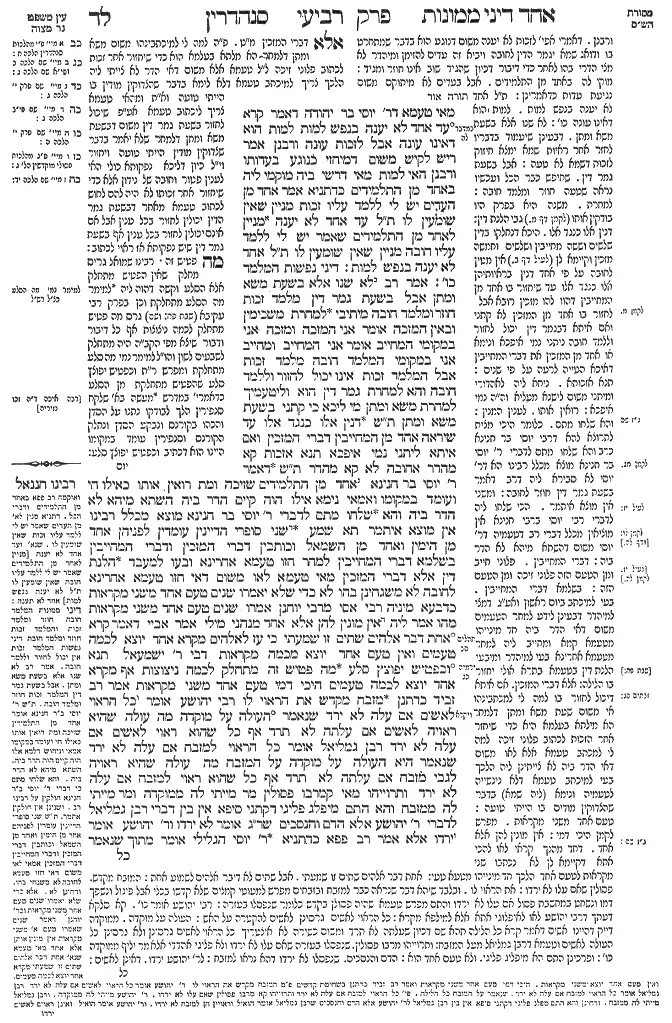
Sanhedrin 34a - Guemara
מאי טעמא דר' יוסי בר יהודה דאמר קרא (במדבר לה, ל) עד אחד לא יענה בנפש למות למות הוא דאינו עונה אבל לזכות עונה ורבנן אמר ריש לקיש משום דמיחזי כנוגע בעדותו ורבנן האי למות מאי דרשי ביה מוקמי ליה באחד מן התלמידים כדתניא אמר אחד מן העדים יש לי ללמד עליו זכות מניין שאין שומעין לו ת"ל עד אחד לא יענה מניין לאחד מן התלמידים שאמר יש לי ללמד עליו חובה מניין שאין שומעין לו ת"ל אחד לא יענה בנפש למות:
דיני נפשות המלמד כו':
אמר רב לא שנו אלא בשעת משא ומתן אבל בשעת גמר דין מלמד זכות חוזר ומלמד חובה מיתיבי למחרת משכימין ובאין המזכה אומר אני המזכה ומזכה אני במקומי המחייב אומר אני המחייב ומחייב אני במקומי המלמד חובה מלמד זכות אבל המלמד זכות אינו יכול לחזור וללמד חובה והא למחרת גמר דין הוא וליטעמיך למחרת משא ומתן מי ליכא כי קתני בשעת משא ומתן ת"ש דנין אלו כנגד אלו עד שיראה אחד מן המחייבין דברי המזכין ואם איתא ליתני נמי איפכא תנא אזכות קא מהדר אחובה לא קא מהדר ת"ש דאמר ר' יוסי בר חנינא אחד מן התלמידים שזיכה ומת רואין אותו כאילו חי ועומד במקומו ואמאי נימא אילו הוה קיים הדר ביה השתא מיהא לא הדר ביה והא שלחו מתם לדברי ר' יוסי בר חנינא מוצא מכלל רבינו אין מוצא איתמר תא שמע שני סופרי הדיינין עומדין לפניהן אחד מן הימין ואחד מן השמאל וכותבין דברי המזכין ודברי המחייבין בשלמא דברי המחייבין למחר חזו טעמא אחרינא ובעו למעבד הלנת דין אלא דברי המזכין מאי טעמא לאו משום דאי חזו טעמא אחרינא לחובה לא משגחינן בהו לא כדי שלא יאמרו שנים טעם אחד משני מקראות כדבעא מיניה רבי אסי מרבי יוחנן אמרו שנים טעם אחד משני מקראות מהו אמר ליה אין מונין להן אלא אחד מנהני מילי אמר אביי דאמר קרא (תהלים סב, יב) אחת דבר אלהים שתים זו שמעתי כי עז לאלהים מקרא אחד יוצא לכמה טעמים ואין טעם אחד יוצא מכמה מקראות דבי ר' ישמעאל תנא (ירמיהו כג, כט) וכפטיש יפוצץ סלע מה פטיש זה מתחלק לכמה ניצוצות אף מקרא אחד יוצא לכמה טעמים היכי דמי טעם אחד משני מקראות אמר רב זביד כדתנן מזבח מקדש את הראוי לו רבי יהושע אומר כל הראוי לאשים אם עלה לא ירד שנאמר (ויקרא ו, ב) העולה על מוקדה מה עולה שהיא ראויה לאשים אם עלתה לא תרד אף כל שהוא ראוי לאשים אם עלה לא ירד רבן גמליאל אומר כל הראוי למזבח אם עלה לא ירד שנאמר היא העולה על מוקדה על המזבח מה עולה שהיא ראויה לגבי מזבח אם עלתה לא תרד אף כל שהוא ראוי למזבח אם עלה לא ירד ותרוייהו מאי קמרבו פסולין מר מייתי לה ממוקדה ומר מייתי לה ממזבח והא התם מיפלג פליגי דקתני סיפא אין בין דברי רבן גמליאל לדברי ר' יהושע אלא הדם והנסכים שר"ג אומר לא ירדו ור' יהושע אומר ירדו אלא אמר רב פפא כדתניא ר' יוסי הגלילי אומר מתוך שנאמר
Comments from Rashi on Masechet Sanhedrin Page 34a
ורבנן . דאמרי אפי' לזכות לא יענה משום דנוגע הוא בדבר שמתחרט בו ודואג שמא יגמר הדין לחובה ויביא זה עדים להזימן ומיהדר לא מצי הדרי בהו לאחר כדי דיבור דכיון שהגיד שוב אינו חוזר ומגיד: מוקי לה באחד מן התלמידים . אבל בעדים לא מיתוקם משום נגיעת עדות כדאמרינן: ת"ל אחד לא יענה בנפש למות . למות הוא דאינו עונה כו': לא שנו אלא בשעת משא ומתן . דבעינן שיעמוד בדבריו לחזר אחר ראיות שמא ימצא חיזוק לזכות דשמא לא טעה: אבל בשעת גמר דין . שחיפש כבר הכל ועכשיו נראה שטעה חוזר ומלמד חובה: למחרת . משנה היא בפרק היו בודקין אותו (לקמן סנהדרין דף מ.) גבי הלנת דין: דנין אלו כנגד אלו . היכא דנחלקו בדין שלשים וששה מחייבין ושלשים וחמשה מזכין וקיימא לן (לעיל סנהדרין דף ב.) אין מטין לחובה על פי אחד דנין בראיותיהן אלו כנגד אלו עד שיחזור בו אחד מן המחייבין דהוו להו מזכין רובא אבל לחזור בו אחד מן המזכין לא קתני ואם איתא דבגמר דין יכול לחזור וללמד חובה ניתני נמי איפכא ונימא או אחד מן המזכין את דברי המחייבין דאיכא הטייה לרעה על פי שנים: תנא אזכותא . ניחא ליה לאהדורי ומיתני משום לישנא מעליא וה"ה נמי איפכא: רואין אותו . לענין המנין: והא שלחו מתם . כלומר היכי מצית לתרוצא להא דרבי יוסי בר חנינא כרב והא שלחו מתם לדברי ר' יוסי בר חנינא מוצא מכלל רבינו הא דר' יוסי לא סבירא ליה דרב דאמר בשעת גמר דין חוזר לחובה: ומשני אין מוצא איתמר . הכי שלחו ליה לדברי רבי יוסי ברבי חנינא אין מוציאין מכלל דברי רב דטעמיה דר' יוסי משום דהשתא מיהא לא הדר ביה: דברי המחייבין . פלוני חייב ומן הטעם הזה פלוני זיכה ומן הטעם הזה: בשלמא דברי המחייבין . בעי למיכתב ביום ראשון ואע"ג דמצי למיהדר דבעינן לידע למחר הטעמים משום דאי הדר ביה חד מינייהו מטעמא קמא ומחייב ליה למחר מטעמא אחרינא בעי למיהדר ומיבעי הלנת דין בטעמא בתרא אולי יחזור בו הלילה: אלא דברי המזכין . אם איתא דיכול לחזור בו למה לי למכתבינהו אי משום שעת משא ומתן דלמחר הא מילתא בעלמא היא כדי שיחזר אחר הזכות לכתוב פלוני זיכה למה לי למכתב טעמא אלא לאו משום דאי הדר ביה לא צייתינן ליה הלכך בעי למיכתב טעמא דלא נינשייה לטעמיה ונימא (ליה שמא) בדבר שהצדוקין מודים בו הייתי טועה: טעם אחד משני מקראות . מפרש לקמן היכי דמי: אין מונין להן אלא אחד . דחד מהנך קראי לאו להכי אתא דקיימא לן לא נכתבו שני מקראות לטעם אחד הלכך חד מינייהו מטעא טעי: אחת דבר אלהים שתים זו שמעתי . אבל שתים לא דיבר אלהים לשמוע אחת: המזבח מקדש . פסולין שאם עלו לא ירדו: את הראוי לו . ובלבד שיהא דבר שנראה כבר למזבח ובזבחים מפרש למעוטי קמצים שלא קדשו בכלי אבל פיגול ונשפך דמו ונשחט במחשבת פסול אם עלו לא ירדו והתם מפרש טעמא שהיה פסולן בקדש כלומר שנפסלו בעזרה: רבי יהושע אומר כו' . קא סלקא דעתך דרבי יהושע לאו לאיפלוגי אתא אלא למילפא מקרא: כל הראוי לאשים גרסינן לאשים להקטרה על האש: העולה על מוקדה . ממוקדה דייק דהיינו אשים דאמר קרא כל הלילה תהא שם דכיון שעלתה לא תרד ומשום כשירה לא איצטריך: כל הראוי לאשים גרסינן ולא גרסינן כל העולה לאשים וטעמא דרבן גמליאל מעל המזבח: ותרוייהו מרבו פסולין . שנפסלו בעזרה שאם עלו לא ירדו ולא פליגי אהדדי אלא מר יליף ממוקדה כו': ופרכינן התם הא מיפליג פליגי . ולא טעם אחד הוא: הדם והנסכים . שנפסלו לא ירדו דהא נראו למזבח: לר' יהושע ירדו . דאינן לאשים:
Comments from Tosafot - Sanhedrin 34a
אלא דברי המזכין מ"ט . פ"ה למה לי למיכתבינהו משום משא ומתן דלמחר הא מלתא בעלמא הוא כדי שיחזור אחר זכות לכתוב פלוני זיכה ל"ל טעמא אלא משום דאי הדר לא צייתי ליה הלכך צריך למיכתב טעמא דלא לימא בדבר שהצדוקין מודין בו הייתי טועה וא"ת ומהאי טעמא צריך ליכתוב טעמא אע"פ שיכול לחזור בשעת גמר דין משום דבשעת משא ומתן דלמחר שלא יאמר בדבר שצדוקין מודין הייתי טועה ויחזור וי"ל כיון דליכא נפקותא כולי האי לענין פטור וחובה של נידון אלא כדי שיחזור אחר זכותו לא היה להם לחוש לכתוב טעמא מאחר דבשעת גמר הדין יכולין לחזור בכל ענין אבל אם אינם יכולין לחזור בכל ענין אף בשעת גמר דין שיש נפקותא אז ראוי לכתוב: מה פטיש . זה. רבינו שמואל גריס מחלק שאין הפטיש מתחלק אלא הסלע וקשה דהוה ליה למימר מה הסלע מתחלקת וכן בפרק רבי עקיבא (שבת פח: ושם) גרס מה פטיש מתחלק לכמה ניצוצות אף כל דיבור ודבור שיצא מפי הקב"ה היה מתחלק לשבעים לשון והו"ל למימר נמי מה סלע מתחלקת ומפרש ר"ת וכפטיש יפוצץ סלע שהפטיש מתחלקת מן הסלע כדאמרי' במדרש מעשה בא' שלקח סנפירין הלך לבודקו נתנו על הסדן והכהו בקורנס ונבקע הסדן ונחלק הקורנס וסנפירין עומד במקומו היינו הוא דכתיב וכפטיש יפוצץ סלע:
Sanhedrin 34a - Mishnah translated into english
The Gemara explains: What is the reason of Rabbi Yosei, son of Rabbi Yehuda? As the verse states: “But one witness shall not testify against any person that he die.” One can infer: That he die is the matter concerning which he does not testify, but he does testify to acquit. The Gemara asks: And what is the reasoning of the Rabbis? Reish Lakish says: A witness cannot offer any statements beyond his testimony because it appears as though he is biased in his testimony. If the court finds the accused liable based on the witness’s testimony, the witness could later be accused of being a conspiring witness. Therefore, it is to his advantage to have the court acquit the accused.
The Gemara asks: And as for the Rabbis, in what manner do they interpret this term: “That he die”? The Gemara answers: They establish it as teaching the halakha with regard to one of the students. As it is taught in a baraita: If one of the witnesses said: I have the ability to teach a reason to acquit him, from where is it derived that the court does not listen to him? The verse states: “One witness shall not testify.” From where is it derived that if there is one of the students who said: I have the ability to teach a reason to deem him liable, from where is it derived that the court does not listen to him? The verse states: “But one witness shall not testify against any person that he die.”
§ The mishna teaches: In cases of capital law, one who initially teaches a reason to deem the accused liable may then teach a reason to acquit, but one who initially teaches a reason to acquit him may not return and teach a reason to deem him liable. Rav says: They taught this halakha only with regard to the time of the deliberations of the court, but at the time of the verdict, one who initially teaches a reason to acquit may return and teach a reason to deem him liable.
The Gemara raises an objection from a mishna (40a): The following day, i.e., the day after the initial deliberations, the judges would arise early and come to court. One who yesterday was of the opinion to acquit says: I said to acquit, and I acquit in my place, i.e., I stand by my statement to acquit. And one who yesterday was of the opinion to deem him liable says: I said to deem him liable, and I deem him liable in my place. One who yesterday taught a reason to deem him liable may then teach a reason to acquit, but one who yesterday taught a reason to acquit may not then teach a reason to deem him liable.
The Gemara explains the objection: But the following day is at the time of the verdict, and the mishna rules that a judge who had said to acquit may not change his opinion. The Gemara questions this reading of the mishna: And according to your reasoning, are there no deliberations on the following day? The deliberations may resume on the next day. Therefore, one can say that when the mishna teaches that the judge may not change his opinion, it is with regard to the time of the deliberations.
The Gemara suggests: Come and hear a proof from the continuation of that mishna, which teaches that if the number of judges who deem him liable is one more than the number of judges who acquit, they continue to deliberate the matter, these judges against those judges, until one of those who deems him liable sees the validity of the statements of those who acquit and changes his position, as the court does not condemn someone to death by a majority of one judge. The Gemara states its proof: And if it is so that one who initially teaches a reason to acquit may return and teach a reason to deem him liable, let the mishna also teach the opposite possibility. The Gemara explains: The tanna is searching for scenarios of acquittal, he is not searching for scenarios of liability. It may be that the halakha is the same in the opposite case, but the tanna prefers to employ an example of acquittal.
The Gemara suggests: Come and hear a proof from a baraita: As Rabbi Yosei bar Ḥanina says: In a case where there was one of the students who argued to acquit and then died, the court views him as if he were alive and standing in his place and voting to acquit. The Gemara asks: But why? According to the opinion of Rav, that a judge may change his opinion at the time of the verdict, let us say: Perhaps if that student were alive, he would retract his opinion and find the accused liable. The Gemara explains: Now, in any event, he did not retract from his opinion. The assumption is that he would not have changed his opinion, although one can do so.
The Gemara questions this explanation: But the Sages sent a statement from there, Eretz Yisrael: According to this version of the statement of Rabbi Yosei bar Ḥanina, he engages in a dispute with our teacher, i.e., Rav. Apparently, the previous explanation, which reconciles their opinions, is incorrect. The Gemara answers: That tradition was not accurate, and it was stated that he does not engage in a dispute with Rav.
The Gemara suggests: Come and hear a proof from a baraita: After the initial deliberations, two judges’ scribes stand before the court, one on the right, and one on the left, and they write the statements of those who acquit the accused and the statements of those who find him liable.
The Gemara explains the proof: Granted, they write the statements of those who find the accused liable even though they may not change their opinions, as on the following day they may see another reason to find the accused liable, not the reason they gave the day before. And once this new reason is given, the court is required to perform a suspension of the trial until the following day, as they may not issue a verdict in cases of capital law on the same day as the deliberations. But what is the reason the scribes write the statements of those who acquit the accused? Is it not because the halakha is that if the judges would see another reason to find the accused liable, we do not pay heed to them, and in order to ensure that the judges do not change their opinions, the scribes write their statements?
The Gemara answers: No, the reason they write their statements is so that two of the judges should not say one explanation to acquit from two different verses. If two judges each say the same reason to acquit, but derive their reason from different verses, they are not counted as two votes. As Rabbi Asi asked of Rabbi Yoḥanan: If two of the judges say one explanation to acquit from two different verses, what is the halakha? Rabbi Yoḥanan said to him: We count them only as one, as it is clear that one of the derivations is in error.
§ The Gemara discusses the ruling of Rabbi Yoḥanan: From where is this matter derived? Abaye says: As the verse states: “God has spoken once, twice I have heard this; that strength belongs to God” (Psalms 62:12). Abaye explains: One verse is stated by God and from it emerge several explanations, but one explanation does not emerge from several verses. Alternatively, the school of Rabbi Yishmael taught that the verse states: “Is not My word like as fire? says the Lord; and like a hammer that breaks the rock in pieces” (Jeremiah 23:29). Just as this hammer breaks a stone into several fragments, so too, one verse is stated by God and from it emerge several explanations.
The Gemara clarifies: What is considered one explanation from two different verses? Rav Zevid says: As we learned in a mishna (Zevaḥim 83a): With regard to certain items that are disqualified from being sacrificed ab initio, once they have been placed on the altar they are nevertheless sacrificed, but the altar sanctifies only items that are suited for it, as the Gemara will explain. The tanna’im disagree as to what is considered suited for the altar.
Rabbi Yehoshua says: Any item that is suited to be consumed by the fire on the altar, e.g., burnt-offerings and the portions of other offerings burned on the altar, if it ascended upon the altar, even if it is disqualified from being sacrificed ab initio, it shall not descend. Since it was sanctified by its ascent upon the altar, it is sacrificed upon it, as it is stated: “It is the burnt-offering on the pyre upon the altar” (Leviticus 6:2), from which it is derived: Just as with regard to a burnt-offering that is suited to be consumed by the fire on the altar, if it ascended, it shall not descend, so too with regard to any item that is suited to be consumed by the fire on the altar, if it ascended, it shall not descend.
Rabban Gamliel says: With regard to any item that is suited to ascend upon the altar, even if it is not typically consumed, if it ascended, it shall not descend, even if it is disqualified from being sacrificed ab initio, as it is stated: “It is the burnt-offering on the pyre upon the altar,” from which it is derived: Just as a burnt-offering that is fit for the altar, if it ascended, it shall not descend, so too any item that is fit for the altar, if it ascended, it shall not descend.
Rav Zevid explains: And what do the two of them include by means of these explanations? Disqualified offerings, teaching that if they ascend they do not descend. One Sage, Rabbi Yehoshua, brings proof for this halakha from the term “on the pyre,” and one Sage, Rabban Gamliel, brings proof to this halakha from the term “upon the altar.” This is an example of one explanation from two different verses.
The Gemara questions this example: But there, Rabbi Yehoshua and Rabban Gamliel disagree, and their explanations cannot therefore be identical. As the latter clause of that mishna teaches: The difference between the statement of Rabban Gamliel and the statement of Rabbi Yehoshua is only with regard to disqualified blood and libations, which are not consumed by the fire, but do ascend onto the altar, as Rabban Gamliel says: They shall not descend, as they are fit to ascend on the altar, and Rabbi Yehoshua says: They shall descend, as they are not burned on the altar.
Rather, Rav Pappa says: An example of one explanation from two different verses is as it is taught in a baraita: Rabbi Yosei HaGelili says: From the fact that it is stated:
Traduction : The William Davidson digital edition of the Koren Noé Talmud, with commentary by Rabbi Adin Even-Israel Steinsaltz.