 Talmud Bavli
The learning on the whole site is dedicated : L'ilui Nishmat Margalit bat Ledicia
The learning on the whole site is dedicated : For the success of Elyahou ben H'anna & family
The learning on the whole site is dedicated : L'ilui Nishmat Yaakov ben Myriam
Sanhedrin 68a : Youtube
Daf TubeYoutube
2 video classes :
Sanhedrin Page 68a
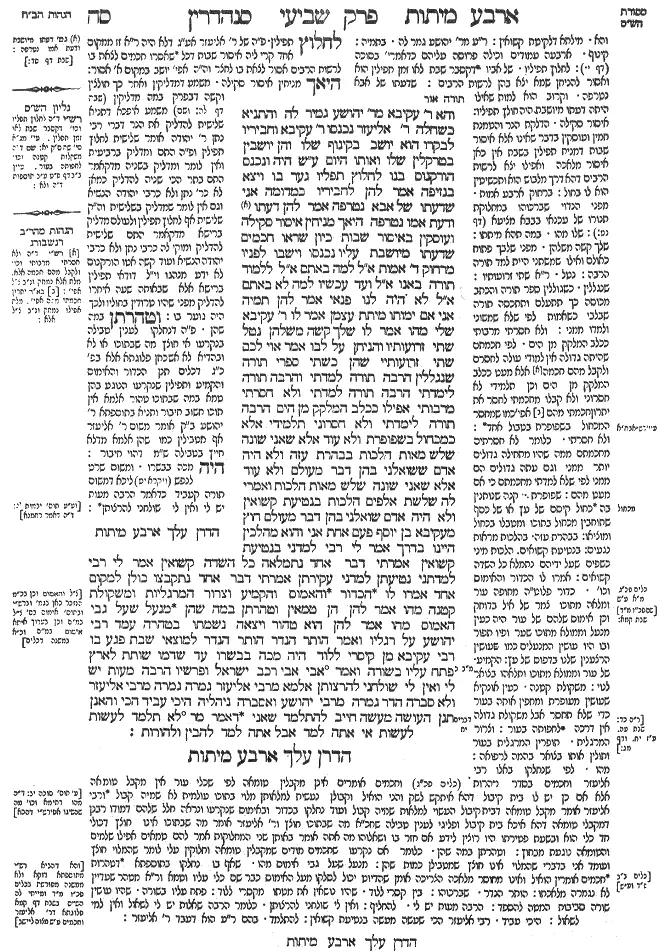
Sanhedrin 68a - Guemara
והא ר' עקיבא מר' יהושע גמיר לה והתניא כשחלה ר' אליעזר נכנסו ר' עקיבא וחביריו לבקרו הוא יושב בקינוף שלו והן יושבין בטרקלין שלו ואותו היום ע"ש היה ונכנס הורקנוס בנו לחלוץ תפליו גער בו ויצא בנזיפה אמר להן לחביריו כמדומה אני שדעתו של אבא נטרפה אמר להן דעתו ודעת אמו נטרפה היאך מניחין איסור סקילה ועוסקין באיסור שבות כיון שראו חכמים שדעתו מיושבת עליו נכנסו וישבו לפניו מרחוק ד' אמות א"ל למה באתם א"ל ללמוד תורה באנו א"ל ועד עכשיו למה לא באתם א"ל לא היה לנו פנאי אמר להן תמיה אני אם ימותו מיתת עצמן אמר לו ר' עקיבא שלי מהו אמר לו שלך קשה משלהן נטל שתי זרועותיו והניחן על לבו אמר אוי לכם שתי זרועותיי שהן כשתי ספרי תורה שנגללין הרבה תורה למדתי והרבה תורה לימדתי הרבה תורה למדתי ולא חסרתי מרבותי אפילו ככלב המלקק מן הים הרבה תורה לימדתי ולא חסרוני תלמידי אלא כמכחול בשפופרת ולא עוד אלא שאני שונה שלש מאות הלכות בבהרת עזה ולא היה אדם ששואלני בהן דבר מעולם ולא עוד אלא שאני שונה שלש מאות הלכות ואמרי לה שלשת אלפים הלכות בנטיעת קשואין ולא היה אדם שואלני בהן דבר מעולם חוץ מעקיבא בן יוסף פעם אחת אני והוא מהלכין היינו בדרך אמר לי רבי למדני בנטיעת קשואין אמרתי דבר אחד נתמלאה כל השדה קשואין אמר לי רבי למדתני נטיעתן למדני עקירתן אמרתי דבר אחד נתקבצו כולן למקום אחד אמרו לו הכדור והאמוס והקמיע וצרור המרגליות ומשקולת קטנה מהו אמר להן הן טמאין וטהרתן במה שהן מנעל שעל גבי האמוס מהו אמר להן הוא טהור ויצאה נשמתו בטהרה עמד רבי יהושע על רגליו ואמר הותר הנדר הותר הנדר למוצאי שבת פגע בו רבי עקיבא מן קיסרי ללוד היה מכה בבשרו עד שדמו שותת לארץ פתח עליו בשורה ואמר (מלכים ב ב, יב) אבי אבי רכב ישראל ופרשיו הרבה מעות יש לי ואין לי שולחני להרצותן אלמא מרבי אליעזר גמרה גמרה מרבי אליעזר ולא סברה הדר גמרה מרבי יהושע ואסברה ניהליה היכי עביד הכי והאנן תנן העושה מעשה חייב להתלמד שאני דאמר מר (דברים יח, ט) לא תלמד לעשות לעשות אי אתה למד אבל אתה למד להבין ולהורות:
הדרן עלך ארבע מיתות
Comments from Rashi on Masechet Sanhedrin Page 68a
והא . מילתא דלקיטת קשואין: ר"ע מר' יהושע גמר לה . בתמיה: קינוף . ארבעה עמודים וכילה פרוסה עליהם כדאמרי' בסוכה (דף י.): לחלוץ תפיליו . של אביו דקסבר שבת לאו זמן תפילין הוא ואסור להניחן שמא יצא בהן לרשות הרבים: שדעתו של אבא נטרפה . וקרוב הוא למות שאילו היתה דעתו מיושבת היה חולץ תפיליו: איסור סקילה . הדלקת הנר והטמנת חמין ועוסקין בדבר שאינו אלא איסור שבות דמניח תפילין בשבת אין כאן איסור מלאכה ואפילו יצא לרשות הרבים דהא דרך מלבוש הוא ותכשיטין הוא לו בחול: ברחוק ארבע אמות . מפני הנדוי שברכוהו במחלוקת תנורו של עכנאי בבבא מציעא (דף נט:): שלו מהו . במה תהא מיתתו: שלך קשה משלהן . מפני שלבך פתוח כאולם ואילו שמשתני היית למד תורה הרבה: נטל . ר"א שתי זרועותיו: שנגללין . כשגוללין ספר תורה והכתב מכוסה כך תתעלם ותתכסה תורה שבלבי כשאמות לפי שלא שמשוני ולמדו ממני: ולא חסרתי מרבותי ככלב המלקק מן הים . לפי חכמתם שהיתה גדולה אין למודי עולה לחסרם ולקבל מהם חכמה אלא מעט ככלב המלקק מן הים וכן תלמידי לא חסרוני ולא קבלו מחכמתי לחסר את יתרון חכמתי מהם אפי' כמו שמחסר המכחול בשפופרת בטבול אחד: ולא חסרתי . כלומר לא חסרתים מחכמתם ממה שהיו מתחילה גדולים יותר ממני וגם עתה גדולים הם ממני לפי שלא למדתי מחכמתם כי אם מעט מהם: שפופרת . קנה שנותנין בה כחול קיסם של עץ או של כסף שתוחבין מכחול בתוכו ומטבלו בכחול ומוציאו: בבהרת עזה . בהלכות מראות נגעים: בנטיעת קשואים . הלכות מיני כשפים שעל ידיהם נתמלא כל השדה קשואים: אמרו לו הכדור והאימוס וכו' . כדור פלוט"ה מחופה עור ומלאה מתוכו צמר של איל בדוחק וכן אימוס שלהם של עור היה כעין מנעל וממולא מתוכו שער ופיו תפור ובו היו עושין המנעלים כמו שעושין הרצענין שלנו בדפוס של עץ: הקמיע . של עור וממולא מתוכו ותלאהו בצואר לנוי: משקולת קטנה . כעין אונקיא שעושין מעופרת ומחפין אותה בעור כדי שלא תחסר אבל משקולת גדולה אין דרכה לחפותה בעור: וצרור המרגלית . תופרין המרגלית בעור ותולין אותו בצואר בהמה לרפואה: מהו . לפי שנחלקו באלו רבי אליעזר וחכמים בסדר טהרות (כלים פכ"ג) וחכמים אומרים אינן מקבלין טומאה לפי שכלי עור אין מקבל טומאה אלא אם כן יש לו בית קיבול דהא איתקש לשק והני הואיל וקבולן נעשית למלאותן מלוי בתוכו עולמית לא שמיה קבול ורבי אליעזר אומר מקבל טומאה דבית קיבול העשוי למלאות שמיה קבול ועוד נחלקו בכדור ובאימוס שנקרעו ונראה חלל שלהם דמודו רבנן דמקבלי טומאה דהא איכא בית קיבול ופליגי לענין טבילה שחכ"א מה שבתוכו חוצץ ור' אליעזר אומר מה שבתוכו אינו חוצץ דכולי חד כלי הוא ובשעת פטירתו היו רוצין לידע אם חזר בו ושאלוהו מה אתה אומר באותן שני המחלוקות אמר להם טמאים אפילו שלמים והטומאה נוגעת מבחוץ: וטהרתן במה שהן . כלומר אם נקרעו שחכמים מודים שמקבלין טומאה וחלוקין עלי לומר שהמלוי חוצץ ועומד אני בדברי שהמלוי אינו חוצץ שמטבילן כמות שהן: מנעל שעל גבי אימוס מהו . שאף בו נחלקו בתוספתא דטהרות חכמים אומרין הואיל ואינו מחוסר מלאכה הצריכה אומן שהדיוט יכול לסלקו מעל האימוס כבר שם כלי עליו וטמא ור"א מטהר שעדיין לא נגמרה מלאכתו: הותר הנדר . שברכוהו: בין קסרי ללוד . שהיו נושאין את מטתו מקסרי ללוד: פתח עליו בשורה . שהיו עושין שורה סביבות המטה להספד: הרבה מעות יש לי . להחליף: ואין לי שולחני להרצותן . כלומר הרבה שאלות יש לי לשאול ואין למי לשאול: היכי עביד . רבי אליעזר הכי שעשה מעשה בנטיעת קשואין: להתלמד . בהם ר"ע הוא דעבד ר' אליעזר:
Comments from Tosafot - Sanhedrin 68a
לחלוץ תפילין . פ"ה של ר' אליעזר אע"ג דלא היה ר"א זז ממקום אחד קרי ליה איסור שבות דכל שאסרו חכמים לצאת בו לרשות הרבים אסור לצאת בו לחצר וה"ה אפי' יושב במקום א' אסור: היאך מניחין איסור סקילה . משמע דמדליקין ואחר כך חולצין וקשה דבפרק במה מדליקין (שבת דף לה: ושם) משמע איפכא דתניא שלישית להדליק את הנר דברי רבי נתן ר' יהודה אומר שלישית לחלוץ תפילין ופ"ה התם ומדליק ברביעית ואין לומר ומדליק בשניה מדקאמר התם בתר הכי שניה להדליק כמאן לא כר' נתן ולא כרבי יהודה הנשיא וגם אין לומר שמדליק בשלישית וה"ק שלישית אף לחלוץ תפילין ולעולם מדליק ברישא מדקאמר התם שלישית להדליק ומוקי לה כרבי נתן ולא כרבי יהודה הנשיא ועוד קשה אטו הורקנוס לא ידע מנהגו וי"ל דודאי תפילין ברישא אלא שבאותה שעה איחרו להדליק מפני שהיו טרודין בחוליו ולכך היה גוער בו: וטהרתן במה שהן . פ"ה דנחלקו לענין טבילה בנקרעו אי חוצץ מה שבתוכו או לא ובהדיא לא אשכחן פלוגתא אלא בפ' כ"ג דכלים תנן הכדור והאימוס והקמיע ותפילין שנקרעו הנוגע בהן טמא במה שבתוכו טהור אלמא אין תוכו חשוב חיבור ותניא בתוספתא ר' יהושע ב"ק אומר משום ר' אליעזר אף מטבילין כמו שהן אלמא מדלא חייץ בטבילה ש"מ דהוי חיבור: היה מכה בבשרו . ומשום שרט לנפש (ויקרא יט) ליכא דמשום תורה קעביד כדאמר הרבה מעות יש לי ואין לי שולחני להרצותן:
Sanhedrin 68a - Mishnah translated into english
The Gemara asks: And did Rabbi Akiva learn these halakhot from Rabbi Yehoshua? But isn’t it taught in a baraita: When Rabbi Eliezer took ill, Rabbi Akiva and his colleagues came to visit him. He was sitting on his canopied bed [bekinof ], and they were sitting in his parlor [biteraklin]; they did not know if he would be able to receive them, due to his illness.
And that day was Shabbat eve, and Rabbi Eliezer’s son Hyrcanus entered to remove his phylacteries, as phylacteries are not worn on Shabbat. His father berated him, and he left reprimanded. Hyrcanus said to his father’s colleagues: It appears to me that father went insane, since he berated me for no reason. Rabbi Eliezer heard this and said to them: He, Hyrcanus, and his mother went insane. How can they neglect Shabbat preparations with regard to prohibitions punishable by stoning, such as lighting the candles and preparing hot food, and engage in preparations concerning prohibitions by rabbinic decree, such as wearing phylacteries on Shabbat?
Since the Sages perceived from this retort that his mind was stable, they entered and sat before him at a distance of four cubits, as he was ostracized (see Bava Metzia 59b). It is forbidden to sit within four cubits of an ostracized person.
Rabbi Eliezer said to them: Why have you come? They said to him: We have come to study Torah, as they did not want to say that they came to visit him due to his illness. Rabbi Eliezer said to them: And why have you not come until now? They said to him: We did not have spare time. Rabbi Eliezer said to them: I would be surprised if these Sages die their own death, i.e., a natural death. Rather, they will be tortured to death by the Romans. Rabbi Akiva said to him: How will my death come about? Rabbi Eliezer said to him: Your death will be worse than theirs, as you were my primary student and you did not come to study.
Rabbi Eliezer raised his two arms and placed them on his heart, and he said: Woe to you, my two arms, as they are like two Torah scrolls that are now being rolled up, and will never be opened again. I have learned much Torah, and I have taught much Torah. I have learned much Torah, and I have not taken away from my teachers, i.e., I have not received from their wisdom, even like a dog lapping from the sea. I have taught much Torah, and my students have taken away from me, i.e., they have received from my wisdom, only like the tiny amount that a paintbrush removes from a tube of paint.
Moreover, I can teach three hundred halakhot with regard to a snow-white leprous mark [bebaheret], but no person has ever asked me anything about them. He could not find a student who could fully understand him in those matters. Moreover, I can teach three hundred halakhot, and some say that Rabbi Eliezer said three thousand halakhot, with regard to the planting of cucumbers by sorcery, but no person has ever asked me anything about them, besides Akiva ben Yosef.
Rabbi Eliezer described the incident: Once he and I were walking along the way, and he said to me: My teacher, teach me about the planting of cucumbers. I said one statement of sorcery, and the entire field became filled with cucumbers. He said to me: My teacher, you have taught me about planting them; teach me about uprooting them. I said one statement and they all were gathered to one place.
After these comments, the Sages asked him questions of halakha: What is the halakha, with regard to ritual impurity, of a ball made of leather and stuffed with rags, and likewise a last, the frame on which a shoe is fashioned, which is made of leather and stuffed with rags, and likewise an amulet wrapped in leather, and a pouch for pearls, wrapped in leather, and a small weight, which is wrapped in leather? Rabbi Eliezer said to them: They are susceptible to impurity, and their purification is effected by immersing them in a ritual bath as they are, as there is no need to open them up.
They asked him further: What is the halakha with regard to a shoe that is on a last? Is it considered a complete vessel, which needs no further preparation, and is therefore susceptible to impurity? Rabbi Eliezer said to them: It is pure, and with this word, his soul left him in purity. Rabbi Yehoshua stood on his feet and said: The vow is permitted; the vow is permitted; i.e., the ostracism that was placed on Rabbi Eliezer is removed.
Rabbi Akiva was not present at the time of his death. At the conclusion of Shabbat, Rabbi Akiva encountered the funeral procession on his way from Caesarea to Lod. Rabbi Akiva was striking his flesh in terrible anguish and regret until his blood flowed to the earth. He began to eulogize Rabbi Eliezer in the row of those comforting the mourners, and said: “My father, my father, the chariot of Israel and its horsemen” (II Kings 2:12). I have many coins, but I do not have a money changer to whom to give them, i.e., I have many questions, but after your death I have no one who can answer them.
The Gemara returns to the matter at hand: Apparently, Rabbi Akiva learned the halakhot of gathering cucumbers through sorcery from Rabbi Eliezer, not from Rabbi Yehoshua. The Gemara answers: He learned it from Rabbi Eliezer but he did not understand it. Later he learned it from Rabbi Yehoshua, and Rabbi Yehoshua explained it to him.
The Gemara asks: How could Rabbi Eliezer have performed that act of sorcery? But didn’t we learn in the mishna that one who performs an act of sorcery is liable? The Gemara answers: Performing sorcery not in order to use it, but in order to teach oneself the halakhot is different, and it is permitted; as the Master says that it is derived from the verse: “You shall not learn to do like the abominations of those nations. There shall not be found among you…one who uses divination, a soothsayer, an enchanter, or a sorcerer” (Deuteronomy 18:9–10), so that you shall not learn, i.e., it is prohibited for you to learn, in order to do, but you may learn, i.e., it is permitted for you to learn, in order to understand the matter yourself and teach it to others.
Traduction : The William Davidson digital edition of the Koren Noé Talmud, with commentary by Rabbi Adin Even-Israel Steinsaltz.