 Talmud Bavli
The learning on the whole site is dedicated : L'ilui Nishmat יוסף בן מושה
The learning on the whole site is dedicated : L'ilui Nishmat Chemouel Eliezer ben Batcheva
The learning on the whole site is dedicated : L'ilui Nishmat אסתר בת חיים
Sanhedrin 108b : Youtube
Daf TubeYoutube
2 video classes :
Sanhedrin Page 108b
Sanhedrin 108b - Guemara
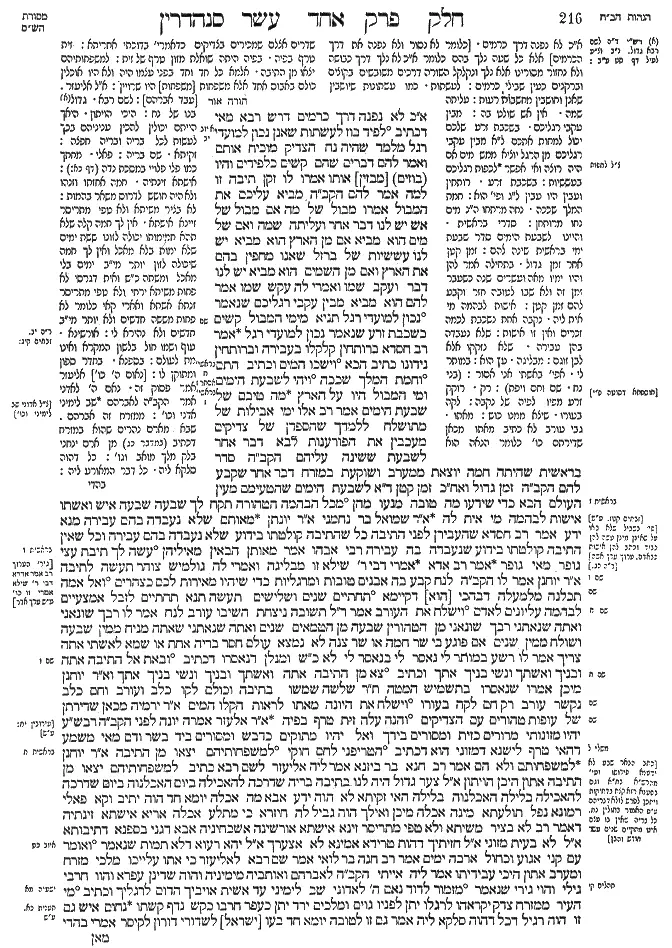
א"כ לא נפנה דרך כרמים דרש רבא מאי דכתיב (איוב יב, ה) לפיד בוז לעשתות שאנן נכון למועדי רגל מלמד שהיה נח הצדיק מוכיח אותם ואמר להם דברים שהם קשים כלפידים והיו (בוזים) [מבזין] אותו אמרו לו זקן תיבה זו למה אמר להם הקב"ה מביא עליכם את המבול אמרו מבול של מה אם מבול של אש יש לנו דבר אחר ועליתה שמה ואם של מים הוא מביא אם מן הארץ הוא מביא יש לנו עששיות של ברזל שאנו מחפין בהם את הארץ ואם מן השמים הוא מביא יש לנו דבר ועקב שמו ואמרי לה עקש שמו אמר להם הוא מביא מבין עקבי רגליכם שנאמר (איוב יב, ה) נכון למועדי רגל תניא מימי המבול קשים כשכבת זרע שנאמר נכון למועדי רגל אמר רב חסדא ברותחין קלקלו בעבירה וברותחין נידונו כתיב הכא (בראשית ח, א) וישכו המים וכתיב התם (אסתר ז, י) וחמת המלך שככה (בראשית ז, י) ויהי לשבעת הימים ומי המבול היו על הארץ מה טיבם של שבעת הימים אמר רב אלו ימי אבילות של מתושלח ללמדך שהספדן של צדיקים מעכבין את הפורענות לבא דבר אחר לשבעת ששינה עליהם הקב"ה סדר בראשית שהיתה חמה יוצאת ממערב ושוקעת במזרח דבר אחר שקבע להם הקב"ה זמן גדול ואח"כ זמן קטן ד"א לשבעת הימים שהטעימם מעין העולם הבא כדי שידעו מה טובה מנעו מהן (בראשית ז, ב) מכל הבהמה הטהורה תקח לך שבעה שבעה איש ואשתו אישות לבהמה מי אית לה א"ר שמואל בר נחמני א"ר יונתן מאותם שלא נעבדה בהם עבירה מנא ידע אמר רב חסדא שהעבירן לפני התיבה כל שהתיבה קולטתו בידוע שלא נעבדה בהם עבירה וכל שאין התיבה קולטתו בידוע שנעבדה בה עבירה רבי אבהו אמר מאותן הבאין מאיליהן (בראשית ו, יד) עשה לך תיבת עצי גופר מאי גופר אמר רב אדא אמרי דבי ר' שילא זו מבליגה ואמרי לה גולמיש צוהר תעשה לתיבה א"ר יוחנן אמר לו הקב"ה לנח קבע בה אבנים טובות ומרגליות כדי שיהיו מאירות לכם כצהרים (בראשית ו, טז) ואל אמה תכלנה מלמעלה דבהכי [הוא] דקיימא (בראשית ו, טז) תחתיים שנים ושלישים תעשה תנא תחתיים לזבל אמצעיים לבהמה עליונים לאדם (בראשית ח, ז) וישלח את העורב אמר ר"ל תשובה ניצחת השיבו עורב לנח אמר לו רבך שונאני ואתה שנאתני רבך שונאני מן הטהורין שבעה מן הטמאים שנים ואתה שנאתני שאתה מניח ממין שבעה ושולח ממין שנים אם פוגע בי שר חמה או שר צנה לא נמצא עולם חסר בריה אחת או שמא לאשתי אתה צריך אמר לו רשע במותר לי נאסר לי בנאסר לי לא כ"ש ומנלן דנאסרו דכתיב (בראשית ו, יח) ובאת אל התיבה אתה ובניך ואשתך ונשי בניך אתך וכתיב (בראשית ח, טז) צא מן התיבה אתה ואשתך ובניך ונשי בניך אתך וא"ר יוחנן מיכן אמרו שנאסרו בתשמיש המטה ת"ר שלשה שמשו בתיבה וכולם לקו כלב ועורב וחם כלב נקשר עורב רק חם לקה בעורו (בראשית ח, ח) וישלח את היונה מאתו לראות הקלו המים א"ר ירמיה מכאן שדירתן של עופות טהורים עם הצדיקים (בראשית ח, יא) והנה עלה זית טרף בפיה א"ר אלעזר אמרה יונה לפני הקב"ה רבש"ע יהיו מזונותי מרורים כזית ומסורים בידך ואל יהיו מתוקים כדבש ומסורים ביד בשר ודם מאי משמע דהאי טרף לישנא דמזוני הוא דכתיב (משלי ל, ח) הטריפני לחם חוקי (בראשית ח, יט) למשפחותיהם יצאו מן התיבה א"ר יוחנן למשפחותם ולא הם אמר רב חנא בר ביזנא אמר ליה אליעזר לשם רבא כתיב למשפחותיהם יצאו מן התיבה אתון היכן הויתון א"ל צער גדול היה לנו בתיבה בריה שדרכה להאכילה ביום האכלנוה ביום שדרכה להאכילה בלילה האכלנוה בלילה האי זקיתא לא הוה ידע אבא מה אכלה יומא חד הוה יתיב וקא פאלי רמונא נפל תולעתא מינה אכלה מיכן ואילך הוה גביל לה חיזרא כי מתלע אכלה אריא אישתא זינתיה דאמר רב לא בציר משיתא ולא טפי מתריסר זינא אישתא אורשינה אשכחיניה אבא דגני בספנא דתיבותא א"ל לא בעית מזוני א"ל חזיתיך דהות טרידא אמינא לא אצערך א"ל יהא רעוא דלא תמות שנאמר (איוב כט, יח) ואומר עם קני אגוע וכחול ארבה ימים אמר רב חנה בר לואי אמר שם רבא לאליעזר כי אתו עלייכו מלכי מזרח ומערב אתון היכי עבידיתו אמר ליה אייתי הקב"ה לאברהם ואותביה מימיניה והוה שדינן עפרא והוו חרבי גילי והוי גירי שנאמר (תהלים קי, א) מזמור לדוד נאם ה' לאדוני שב לימיני עד אשית אויביך הדום לרגליך וכתיב (ישעיהו מא, ב) מי העיר ממזרח צדק יקראהו לרגלו יתן לפניו גוים ומלכים ירד יתן כעפר חרבו כקש נדף קשתו נחום איש גם זו הוה רגיל דכל דהוה סלקא ליה אמר גם זו לטובה יומא חד בעו [ישראל] לשדורי דורון לקיסר אמרי בהדי
Comments from Rashi on Masechet Sanhedrin Page 108b
א"כ לא נפנה דרך כרמים . [כלומר לא נסור ולא נפנה את דרך הכרמים] אלא כל שעה נלך בהם כלומר א"כ לא נלך דרך כבושה ולא נחזור מסורינו אלא נלך ונקלקל השורה דרכים משובשים בקוצים וברקנים כעין שבילי כרמים: לעשתות . כמו עשתונות שיושבין שאנן וחושבין מחשבות רעות: עליתה שמה . אין אש שולט בה: מבין עקבי רגליכם . בשכבת זרע שלכם יכול למחות אתכם ל"א מבין עקבי רגליכם מן הרגל יוציא ממש מים אם היה רוצה ואי אפשר לכפות רגליכם בעששיות: בשכבת זרע . רותחין ועבין היו עבין ל"ג ופי' הוא: חמת המלך שככה . נחה מרתחו ה"נ מים נחו מרותחן: סדרי בראשית . והיינו לשבעת הימים סדר שבעת ימי בראשית שינה להם: זמן קטן אחר זמן גדול . בתחילה אמר להן והיו ימיו מאה ועשרים שנה כשעבר זמן זה ולא שבו לטובה חזר וקבע להם זמן קטן: אישות לבהמה מי אית ליה . נקבה אחת נשכבת לכמה זכרים ואין זו אישות: שלא נעבדה בהן עבירה . שלא נזקקו אלא לבן זוגם: מבליגה . עץ הוא: במותר לי . אפי' באשתי אני אסור: (בני נח . שם וחם ויפת): רק . רוקק זרע מפיו לפיה של נקבה: לקה בעורו . שיצא ממנו כוש: מאתו . גבי עורב לא כתיב מאתו מכאן שדירתם כו' כלומר הנאה הוא שדרים אצלם שמכירים בצדיקים כדאמרי' בדוכתי אחריתא: זית טרף בפיה . בפיה היתה שואלת מזון טרף של זית: למשפחותיהם יצאו מן התיבה . אלמא כל חד וחד בפני עצמו היה ולא היו אוכלין כולם באבוס אחד אלא משפחות [משפחות] היו שרויין: א"ל אליעזר . [עבד אברהם]: לשם רבא . גדול בנו של נח: היכי הויתון . היאך הייתם יכולין להכין עניניהם בכך לעשות לכל בריה ובריה חפצה: זיקתא . שם בריה: פאלי . מחתך כמו פלי פלויי במסכת נדה (דף כא:): אישתא זינתיה . חמה אחזתו וזנהו ולא היה חושש לדרוס משאר בהמות: לא בציר משיתא ולא טפי מתריסר זיינא אישתא . אין לך חמה קלה שלא תהא חמימותו יכולה לזונו ששת ימים שלא ימות בלא מאכל ואין לך חמה שיכולה לזון יותר מי"ב ימים בלי מאכל ומשתה כ"ש ואית דגרסי לא פחות משיתא ירחי ולא טפי מתריסר זנתא אשתא ואארי קאי כלומר לא פחות מששה חדשים ולא יותר מי"ב חדשים ולא נהירא לי: אורשינא . עוף ושמו חול בלשון המקרא ואינו מת לעולם: בספנא . בחדר ספון ומתוקן לו: [נאום ה' כו'] אליעזר אמר פסוק זה . נאם ה' לאדני אמר הקב"ה לאברהם שב לימיני אדני וכו': ממזרח זה אברהם . שבא מארם נהרים שהוא במזרח דכתיב (במדבר כג) מן ארם ינחני בלק מלך מואב וגו': כל דהוה סלקא ליה . כל דבר המאורע ליה:
Sanhedrin 108b - Mishnah translated into english
They said to him: If so we will not clear a path through vineyards, i.e., we will continue to sin.
Rava taught: What is the meaning of that which is written: “A contemptible torch [lapid] in the thought of him that is at ease, a thing ready for them whose foot slips” (Job 12:5)? This teaches that Noah the righteous would rebuke the people of his generation, and he said to them statements that are harsh as torches [kelapidim], and they would treat him with contempt. They said to him: Old man, why are you building this ark? Noah said to them: The Holy One, Blessed be He, is bringing a flood upon you. They said to him: A flood of what? If it is a flood of fire, we have another item and it is called alita, and it is fireproof. And if it is a flood of water that He brings, if He brings the water from the earth, we have iron plates with which we can plate the earth to prevent the water from rising. And if He brings the water from the heavens, we have an item and it is called ekev, and some say it is called ikkesh, which will absorb the water.
Noah said to them: If He wishes He will bring the water from between your feet and you can do nothing to prevent it, as it is stated: “For them whose foot slips.” It is taught in a baraita: The waters of the flood were as hard and thick as semen, as it is stated: “For them whose foot slips”; foot is a euphemism. Rav Ḥisda says: With hot semen they sinned, and with hot water they were punished. As it is written here, at the conclusion of the flood: “And the waters assuaged” (Genesis 8:1), and it is written there: “Then the king’s wrath was assuaged” (Esther 7:10). Just as the term “assuaged” there is referring to the heat of Ahasuerus’s wrath, so too, “assuaged” with regard to the flood is referring to the heat of the waters.
With regard to the verse: “And it came to pass that after seven days the waters of the flood were upon the earth” (Genesis 7:10), the Gemara asks: What is the nature of these seven additional days?
Rav says: These were the days of mourning for the death of Methuselah; and this is to teach you that eulogies for the righteous prevent calamities from ensuing. Alternatively, “after seven days” means that the Holy One, Blessed be He, altered the order of Creation for that generation, i.e., in seven days He reversed the process of Creation, so that the sun would emerge in the west and set in the east. Alternatively, it means that the Holy One, Blessed be He, designated a substantial period for them, one hundred and twenty years, to repent, and thereafter designated a brief period for them, an additional seven days, as a final opportunity for them to repent. Alternatively, “after seven days” means that during those seven days, God gave them a foretaste of the delights of the World-to-Come, which will be actualized during the seventh millennium, so that they would know what munificence their sins prevented them from receiving.
§ With regard to the verse: “Of every kosher animal you shall take to you by sevens, husband and wife” (Genesis 7:2), the Gemara asks: Is there marriage for animals? Rabbi Shmuel bar Naḥmani says that Rabbi Yonatan says: The reference is to those animals with which the transgression of relations with another species was not performed. Therefore, the Torah underscores that the animals that entered the ark were husband and wife.
The Gemara asks: From where did Noah know which animals were not involved in that transgression? Rav Ḥisda says: He passed them before the ark. All animals that the ark accepted, it was known that a transgression had not been performed with them. And any animal that the ark did not accept, it was known that a transgression had been performed with it. Rabbi Abbahu says: Noah took onto the ark only from those animals that came on their own, as it appeared that they were sent from Heaven, and they were certainly fit for this purpose.
With regard to the verse: “Make you an ark of gopher wood” (Genesis 6:14), the Gemara asks: What is gopher wood? Rav Adda says that they say in the school of Rabbi Sheila: This is wood from the mavliga tree; and some say that it is wood from the willow [gulamish] tree.
With regard to the verse: “A tzohar you shall make for the ark” (Genesis 6:16), Rabbi Yoḥanan says that the Holy One, Blessed be He, said to Noah: Set precious stones and jewels in the ark so that they will shine for you as the afternoon [tzohorayim] sun.
With regard to the verse: “And to a cubit you shall finish it above” (Genesis 6:16), the Gemara explains that in that manner, having been built wide at its base and narrow at its top, the ark would stand upright and would not capsize.
With regard to the verse: “With lower, second and third stories shall you make it” (Genesis 6:16), it was taught in a baraita: The bottom story was for manure, the middle story was for animals, and the top story was for people.
With regard to the verse: “And he sent forth the raven, which went forth to and fro, until the waters were dried up from the earth” (Genesis 8:7), Reish Lakish says: The raven provided a convincing response to Noah; when it did not wish to leave the ark the raven said to him: Your Master, God, hates me, and you hate me. Your Master hates me, as He commanded to take from the kosher species seven and from the non-kosher species two. And you hate me, as you disregard those from the species of seven, i.e., the kosher birds, and instead dispatch one from the species of two, i.e., the non-kosher birds. If the angel of heat or the angel of cold harms me and kills me, will the world not be lacking one species of creature, as there was only one pair of ravens? Or perhaps you are sending me because it is my wife that you need, in order to engage in intercourse with her.
Noah said to the raven: Wicked one! If with the woman who is generally permitted to me, my wife, intercourse is forbidden to me, then with regard to domesticated and undomesticated animals, which are generally forbidden to me, is it not all the more so the case that they are forbidden to me?
The Gemara asks: And from where do we derive that it was prohibited for them to engage in intercourse while in the ark? The Gemara answers: It is derived from that which is written: “And you shall come into the ark, you, and your sons, and your wife, and your sons’ wives with you” (Genesis 6:18); and it is written: “Emerge from the ark, you and your wife, and your sons and your sons’ wives with you” (Genesis 8:16). And Rabbi Yoḥanan says: From here, the Sages derived and said that it was prohibited to engage in intercourse while in the ark, as when Noah and his family entered, the husbands and wives were listed separately, and when they emerged, the husbands were listed with their wives.
The Sages taught: Three violated that directive and engaged in intercourse while in the ark, and all of them were punished for doing so. They are: The dog, and the raven, and Ham, son of Noah. The dog was punished in that it is bound; the raven was punished in that it spits, and Ham was afflicted in that his skin turned black.
With regard to the verse: “And he sent forth the dove from him, to see if the waters abated” (Genesis 8:8), Rabbi Yirmeya says: From here it is derived that the dwelling place of kosher birds in the ark was with the righteous people, as the verse emphasizes that Noah dispatched the dove from his place.
With regard to the verse: “And in her mouth was an olive branch plucked off [taraf ]” (Genesis 8:11), Rabbi Elazar says: The dove said before the Holy One, Blessed be He: Master of the Universe, may my sustenance be bitter as the olive and dependent on Your hands, and not sweet as honey and dependent on the hands of flesh and blood. The Gemara asks: From where may it be inferred that taraf is a term that indicates sustenance? The Gemara answers: It is inferred from that which is written: “Feed me [hatrifeni] with my allotted portion” (Proverbs 30:8).
With regard to the verse: “After their kinds [lemishpeḥoteihem], they emerged from the ark” (Genesis 8:19), Rabbi Yoḥanan says: After their kinds [lemishpeḥotam] the animals emerged, but not them [hem] themselves, as some of the animals that entered the ark died during that year and it was their descendants who emerged.
Rav Ḥana bar Bizna says: Eliezer, servant of Abraham, said to Shem the Great, son of Noah: It is written: “After their kinds, they emerged from the ark,” indicating that the different types of animals were not intermingled while in the ark. Where were you and what did you do to care for them while they were in the ark? Shem said to him: We experienced great suffering in the ark caring for the animals. Where there was a creature that one typically feeds during the day, we fed it during the day, and where there was a creature that one typically feeds at night, we fed it at night. With regard to that chameleon, my father did not know what it eats. One day, my father was sitting and peeling a pomegranate. A worm fell from it and the chameleon ate it. From that point forward my father would knead bran with water, and when it became overrun with worms, the chameleon would eat it.
With regard to the lion, a fever sustained it, since when it suffered from a fever, it did not need to eat; as Rav said: For no fewer than six days and no more than twelve days, fever sustains a person; he need not eat and is sustained from his own fats. Shem continued: With regard to the phoenix [avarshina], my father found it lying in its compartment on the side of the ark. He said to the bird: Do you not want food? The bird said to him: I saw that you were busy, and I said I would not trouble you by requesting food. Noah said to the bird: May it be God’s will that you shall not die, and through that bird the verse was fulfilled, as it is stated: “And I said, I shall die in my nest, and I shall multiply my days as the phoenix” (Job 29:18).
§ Rav Ḥana bar Leva’ei says that Shem the Great said to Eliezer, servant of Abraham: When the four great kings of the east and the west came upon you to wage war with Abraham, what did you do? Eliezer said to him: The Holy One, Blessed be He, brought Abraham and placed him to His right, and we would throw dust and it became swords, and we threw straw and it became arrows, as it is stated: “A Psalm of David. The Lord says to my master: Sit to My right, until I make your enemies your footstool” (Psalms 110:1), and it is written: “Who has raised up one from the east at whose steps victory attends? He gives nations before him, and makes him rule over kings; his sword makes them as the dust, his bow as driven straw” (Isaiah 41:2).
Apropos Abraham’s miraculous weapons, the Gemara relates: Naḥum of Gam Zo was accustomed that in response to any circumstance that arose in his regard, he would say: This too [gam zo] is for the best. One day the Jewish people sought to send a gift [doron] to the emperor. They said: With
Traduction : The William Davidson digital edition of the Koren Noé Talmud, with commentary by Rabbi Adin Even-Israel Steinsaltz.