 Talmud Bavli
The learning on the whole site is dedicated : For the success of Elyahou ben H'anna & family
The learning on the whole site is dedicated : L'ilui Nishmat יוסף בן מושה
The learning on the whole site is dedicated : L'ilui Nishmat Reuven ben Rivka SEBBAG
Nedarim 15b : Youtube
Daf TubeYoutube
2 video classes :
Nedarim Page 15b
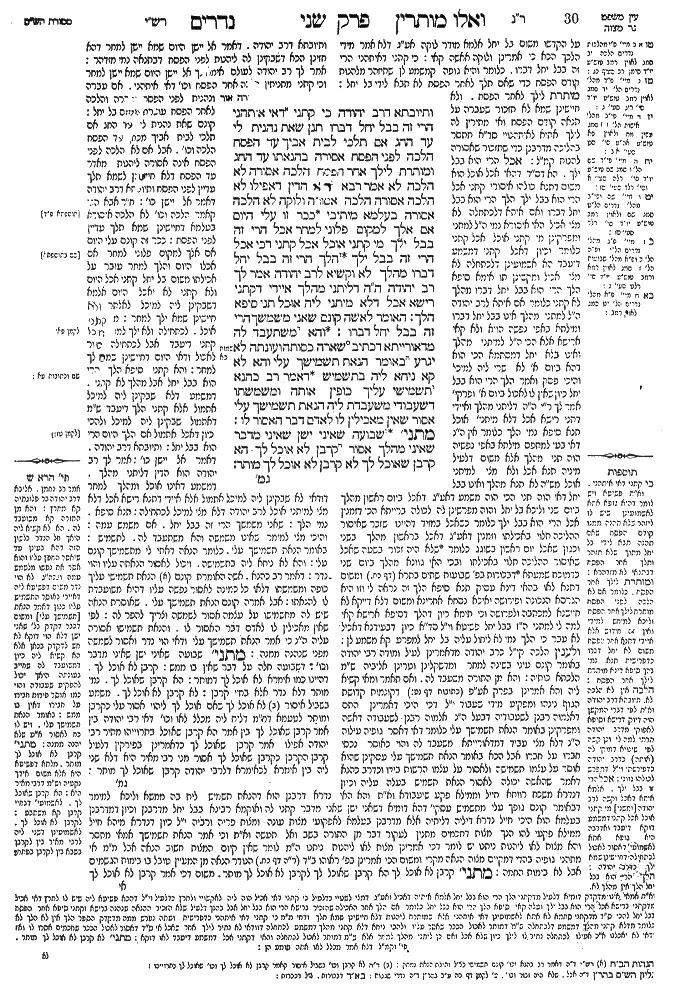
Nedarim 15b - Guemara
ותיובתא דרב יהודה כי קתני דאי איתהני הרי זה בבל יחל דברו תנן שאת נהנית לי עד החג אם תלכי לבית אביך עד הפסח הלכה לפני הפסח אסורה בהנאתו עד החג ומותרת לילך אחר הפסח הלכה אסורה לא הלכה לא אמר רבא הוא הדין דאפילו לא הלכה אסורה הלכה אסורה ולוקה לא הלכה אסורה בעלמא מיתיבי ככר זו עלי היום אם אלך למקום פלוני למחר אכל הרי זה בבל ילך מי קתני אוכל אכל קתני דכי אכל הרי זה בבל ילך הלך הרי זה בבל יחל דברו מהלך לא וקשיא לרב יהודה אמר לך רב יהודה הוא הדין דליתני מהלך איידי דקתני רישא אכל דלא מיתני ליה אוכל תני סיפא הלך:
האומר לאשה קונם שאני משמשך הרי זה בבל יחל דברו:
והא משתעבד לה מדאורייתא דכתיב שארה כסותה ועונתה לא יגרע באומר הנאת תשמישך עלי והא לא קא ניחא ליה בתשמיש דאמר רב כהנא תשמישי עליך כופין אותה ומשמשתו דשעבודי משעבדת ליה הנאת תשמישך עלי אסור שאין מאכילין לו לאדם דבר האסור לו:
מתני׳ שבועה שאיני ישן שאיני מדבר שאיני מהלך אסור קרבן לא אוכל לך הא קרבן שאוכל לך מותר:
Comments from Rashi on Masechet Nedarim Page 15b
ותיובתא דרב יהודה . דאמר אל יישן היום שמא יישן למחר דהא חזינן הכא דשבקינן לה ליהנות לפני הפסח דבתנאה נמי מזדהר: אמר לך רב יהודה לעולם אימא לך אל יישן היום שמא יישן למחר וכי קתני מתניתין הלכה אחר הפסח וכו' דאי איתהני . אם עברה ונהנית לפני הפסח ועברה והלכה לאחר הפסח עוברת משום בל יחל: קונם שאת נהנית לי עד החג אם תלכי לבית אביך מכאן עד הפסח הלכה וכו' . אבל אם לא הלכה לפני הפסח אינה אסורה ליהנות מאדר עד הפסח דלא חיישינן לשמא תלך עדיין לפני הפסח ותיובתא דרב יהודה דאמר אל יישן כו': א"ר אבא הכי קאמר הלכה וכו' לא הלכה איסורא בעלמא דחיישינן שמא תלך עדיין לפני הפסח: ככר זה קונם עלי היום אם אלך למקום פלוני למחר אם אכלו היום והלך למחר עובר על אכילתו משום בל יחל קתני אכל היום ולא קתני לא יאכל היום אלמא דשבקינן ליה למיכל לאלתר ולא חיישינן שמא ילך למחר: מי קתני אוכל . לכתחילה ולא ילך למחר אכל קתני דיעבד אבל לכתחילה אסור לאכול ודאי היום דחיישינן שמא ילך למחר: והא קתני סיפא הלך הרי הוא בבל יחל אבל מהלך לא קתני . דמשמע דלא שבקינן ליה למיכל אתמול אלא קתני הלך דיעבד ש"מ דאתמול שבקינן ליה למיכל ולהכי כיון דאכל אתמול אם הלך היום הרי הוא בבל יחל: ותיובתא דרב יהודיה ותיובתא דרב יהודיה . דאמר אל יישן כו': אמר לך רב יהודה הוא הדין דליתני מהלך . דמשמע דאינו אוכל ומהלך למחר דודאי לא שבקינן ליה למיכל אתמול אלא איידי דתנא רישא אכל דלא מצי למיתני אוכל לרב יהודה דלא מצי למיכל לכתחילה: תנא סיפא תנא סיפא . נמי הלך: שאני משמשך הרי זה בבל יחל . אם משמש עמה: והיכי מצי למימר שאינו משמשה והא משתעבד לה . לתשמיש: באומר הנאת תשמישך עלי . כלומר הנאה דאתי לי מתשמישך קונם עלי: והא לא ניחא ליה בתשמישה . ויכול לאסור הנאתה עליו והוי נדר: דיאמר רב כהנא . אשה האומרת קונם הנאת תשמישי עליך כופה ומשמשתו דלאו כל כמינה לאסור נפשה עליו דהיא משועבדת לו להנאתו: אבל אמרה קונם הנאת תשמישך עלי . שאוסרת הכאה שיש לה מתשמישו על עצמה אסור לשמשה וצריך להפר לה: לפי שאין מאכילין לו לאדם דבר האסור לו . והנאת תשמישו אסורה עליה ה"נ כי אמר הנאת תשמישך עלי ודאי הוי נדר ואסור לשמשה מפני שנהנה ממנה: מתני' שבועה שאיני ישן שאיני מדבר וכו' . דשבועה חלה על דבר שאין בו ממש: קרבן לא אוכל לך . דהיינו כמו אימרא לא אוכל לך דמותר: הא קרבן שאוכל לך . נמי מותר דלא נדר אלא בחיי קרבן: לא קרבן לא אוכל לך . משמע בשביל איסור לא אוכל לך שאם אוכל לך ליהוי אסור עלי כקרבן ומותר לטעמא דר"מ דלית ליה מכלל לאו וכו' דאי רבי יהודה בין אמר קרבן שאוכל לך בין אמר הא קרבן שאוכל בתרוייהו מתיר רבי יהודה אפילו אמר קרבן שאוכל לך כדאמרינן בפירקין דלעיל קרבן הקרבן כקרבן שאוכל לך אסור מני רבי מאיר היא דלא שני ליה בין אימרא לכאימרא דלרבי יהודה קרבן שאוכל לך מותר:
Comments from Tosafot - Nedarim 15b
כי קתני דאי איתהני . וא''ת פשיטא ויש לומר דהיא גופא אתא לאשמועינן שיש לו ליזהר שלא תהנה ממנו קודם הפסח שאם תהנה תבא לידי בל יחל מתוך שלא תזהר ותלך אחר הפסח דבתנאי לא מזדהרא: ומותרת לילך אחר הפסח . כלומר אם לא הלכה לפני הפסח מותרת לילך אחר הפסח וליכא למיחש למידי ואין זה חידוש אלא איידי דתנא אחר הפסח משום לא יחל דברו כדפרישית תנא נמי בהך סיפא דינא מותרת לילך אחר הפסח: הלכה אין לא הלכה לא . תיובתא דרב יהודה וא''ת לפי דברי המקשן הוה דיוק דרישא וסיפא לאפוקי מדרב יהודה תרתי למה לי וכן קשה לפי שינויא דמוקי לה (אותה) כדרב יהודה כדפירשתי וי''ל דמפרש לכולהו גווני: אכל הרי זו בבל ילך . אלמא איתא דאכל וקשה לרב יהודה [ומשני] מי קתני אוכל אכל קתני דמשמע דוקא דיעבד ואדרבה היא גופא אתא לאשמועי' דאסור לאכול לכתחילה דחיישינן שמא ילך כדרב יהודה: הלך הרי הוא בבל יחל הלך אין מהלך לא . וא''ת אמאי אינו מדקדק דומיא דלעיל מדקתני הלך הרי הוא בבל יחל אלמא איתיה דאכיל ואע''ג דמצי לשנויי כדלעיל כי קתני דאי אכיל הוה ליה לאקשויי ולתרץ כדלעיל וי''ל דהכא פשיטא ליה שיש לו לתרץ דאי אכיל מדקתני ברישא אכל הרי הוא בבל ילך ועלה קאי סיפא הלך הרי הוא בבל יחל כלומר אם הלך אחר האכילה שהזכיר ברישא הרי הוא בבל יחל אבל בהנך דלעיל שלא הזכיר ההנאה שנהנה ברישא וקתני סיפא אחר הפסח בבל יחל להכי ס''ד מדקתני סתמא לא אתא לאשמועינן דאי איתהני אלא שמותרת ליהנות דלא חיישינן שמא תלך ודחי מ''מ כי קתני דאי איתהני כדפרישית ועתה נפרש ממה מדקדק הספר הלך אין לא הלך לא כלומר מדלא קתני מהלך דמשמע דלכתחלה ש''מ דמותר לאכול הככר שאסר עליו ולהכי ניחא דלא קתני מהלך דמשמע לכתחלה דוודאי לא נתיר לילך אחר שאכל אי ס''ד דאסור לאכול הככר שחכמים אסרו לו ואז ודאי לא יאכלנו א''כ אפילו לכתחלה נתיר לו לילך כיון שלא אכל ואם כן ליתני מהלך למחר אלא ש''מ דמותר לאכול לכתחלה והאי דקתני אכל דמשמע דיעבד לאו דוקא: אלא דאמר קונם עיני היום וכו' אלמא איתא דניים . והיא גופ' אשמעי' דאתיא לידי אסור בל יחל מתוך שמותר לישן היום וא''ת ולוקמיה כגון דאמר קונם עיני בשינה למחר אם אישן היום דבההיא מודה רב יהודה וי''ל דהא נמי מילתא דפשיטא היא ולא איצטריך לאשמועי': מתני' לא קרבן לא אוכל לך מותר . פי' וקמ''ל דלא אמר מכלל לאו אתה שומע הן:
Nedarim 15b - Mishnah translated into english
And this is a conclusive refutation of the opinion of Rav Yehuda.
The Gemara answers: When the mishna teaches this, it does not mean that before she went she was permitted to derive benefit from him ab initio. Rather, it means that if she derived benefit from him after the fact, she is in violation of: He shall not profane his word.
We learn further on (57b) that if the husband said to his wife: Deriving benefit from me until the festival of Sukkot is konam for you if you go to your father’s house until Passover, then, if she went before Passover, she is prohibited from deriving benefit from him until the festival of Sukkot, as the vow took effect, and she is permitted to go to her father’s house after Passover.
The Gemara infers: Only if she went before Passover is it prohibited for her to derive benefit from him. However, if she did not go it is not prohibited for her to do so. She may derive benefit from him, and there is no concern that she will subsequently go to her father’s house, transgressing the prohibition. This is difficult according to the opinion of Rav Yehuda that one may not perform an action that will be rendered retroactively a violation of a vow if the condition is met.
Rava said: The same is true, that even if she did not go, she is prohibited from deriving benefit from him. The difference is that if she went it is not only prohibited for her to derive benefit from him, but if she does so she is flogged; whereas if she did not go, it is merely prohibited for her to derive benefit from him, lest she violate the vow by going to her father’s house before Passover.
The Gemara raises an objection to the opinion of Rav Yehuda: It is taught in a baraita that if one said: This loaf is forbidden to me today if I go to such and such a place tomorrow, then if he ate the loaf today, he is subject to the prohibition that he shall not go tomorrow. Apparently, he may eat it today, as there is no concern that he will go tomorrow.
The Gemara answers: Where is the contradiction? Does the baraita teach that he may eat the loaf ab initio? It teaches only that he ate, i.e., that once he ate, he is subject to the prohibition that he shall not go.
It is further taught in the baraita: If he went the next day, he is in violation of: He shall not profane his word. The Gemara infers from the fact that the baraita is referring only to a case in which he went after the fact, that he may not go ab initio. This indicates that he is permitted to eat the loaf, thereby prohibiting himself from going the next day. This accords with the opinion of Rav Naḥman that one may cause a vow to take effect by fulfilling its condition, and it poses a difficulty to the opinion of Rav Yehuda.
The Gemara answers: Rav Yehuda could have said to you that the same is true, that the baraita could have taught that he may go. However, since the first clause teaches the halakha where he ate the loaf after the fact, as it cannot teach that he may eat it according to Rav Yehuda, who holds that it is prohibited for him to eat it ab initio, the latter clause also teaches the halakha in the case where he went, and does not teach that he may go, to maintain a uniform style. In conclusion, neither opinion is refuted.
§ It is taught in the mishna that with regard to one who says to his wife: Engaging in sexual intercourse with you is konam for me, if he violates the vow he is in violation of the prohibition: He shall not profane his word. The Gemara asks: How can one render prohibited engaging in sexual intercourse with his wife? But isn’t he duty bound by Torah law to engage in sexual intercourse with her, as it is written: “Her food, her clothing, and her conjugal rights he may not diminish” (Exodus 21:10)?
The Gemara answers: The vow does not take effect if it is formulated as cited. Rather, the mishna is referring to a case where he says: The pleasure I derive from engaging in sexual intercourse with you is forbidden to me, and sexual intercourse is therefore not amenable to him. Since he is not obligated to experience the pleasure he derives from sexual intercourse with her, he can prohibit himself from experiencing this pleasure. In this manner he can render their sexual intercourse forbidden by means of a vow.
As Rav Kahana said: If a woman vows: Sexual intercourse with me is forbidden to you, the court coerces her to engage in sexual intercourse with him, as she is duty bound to engage in sexual intercourse with him due to his conjugal rights. However, if she vows: The pleasure I derive from engaging in sexual intercourse with you is forbidden to me, it is prohibited for them to engage in sexual intercourse, as she derives pleasure from the sexual intercourse and one may not feed a person that which is forbidden to him.
MISHNA: If one says: I take an oath that I will not sleep, or: That I will not speak, or: That I will not walk, this activity is prohibited to him. As taught earlier (10a), one of the primary methods of taking a vow is by invoking an offering. The mishna provides several examples where invoking the term korban is not effective. If one says: An offering [korban] that I will not eat of yours, or: This offering [ha korban] that I will eat of yours, or: That which I will not eat of yours is not an offering [la korban], the food is permitted.
Traduction : The William Davidson digital edition of the Koren Noé Talmud, with commentary by Rabbi Adin Even-Israel Steinsaltz.