 Talmud Bavli
Pesahim 117b : Youtube
Daf TubeYoutube
3 video classes :
Pesahim Page 117b
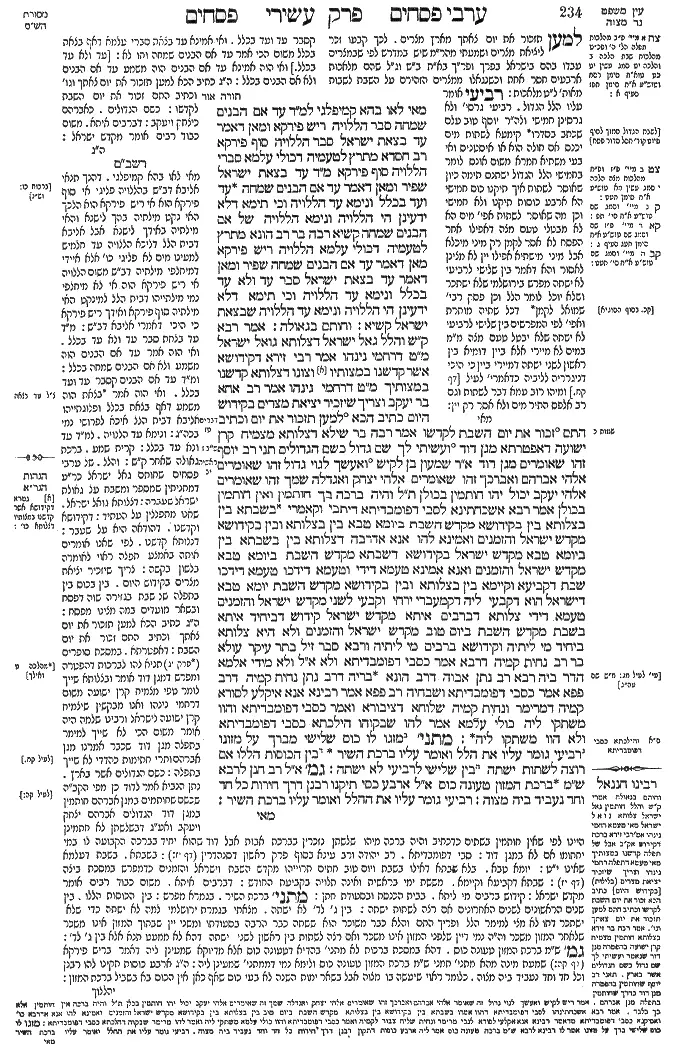
Pesahim 117b - Guemara
מאי לאו בהא קמיפלגי למ"ד עד אם הבנים שמחה סבר הללויה ריש פירקא ומאן דאמר עד בצאת ישראל סבר הללויה סוף פירקא רב חסדא מתרץ לטעמיה דכולי עלמא סברי הללויה סוף פירקא מ"ד עד בצאת ישראל שפיר ומאן דאמר עד אם הבנים שמחה עד ועד בכלל ונימא עד הללויה וכי תימא דלא ידעינן הי הללויה ונימא הללויה של אם הבנים שמחה קשיא רבה בר רב הונא מתרץ לטעמיה דכולי עלמא הללויה ריש פירקא מאן דאמר עד אם הבנים שמחה שפיר ומאן דאמר עד בצאת ישראל סבר עד ולא עד בכלל ונימא עד הללויה וכי תימא דלא ידעינן הי הללויה ונימא עד הללויה שבצאת ישראל קשיא:
וחותם בגאולה:
אמר רבא ק"ש והלל גאל ישראל דצלותא גואל ישראל מ"ט דרחמי נינהו אמר רבי זירא דקידושא אשר קדשנו במצותיו וצונו דצלותא קדשנו במצותיך מ"ט דרחמי נינהו אמר רב אחא בר יעקב וצריך שיזכיר יציאת מצרים בקידוש היום כתיב הכא (דברים טז, ג) למען תזכור את יום וכתיב התם (שמות כ, ז) זכור את יום השבת לקדשו אמר רבה בר שילא דצלותא מצמיח קרן ישועה דאפטרתא מגן דוד (שמואל ב ז, ט) ועשיתי לך שם גדול כשם הגדולים תני רב יוסף זהו שאומרים מגן דוד א"ר שמעון בן לקיש (בראשית יב, ב) ואעשך לגוי גדול זהו שאומרים אלהי אברהם ואברכך זהו שאומרים אלהי יצחק ואגדלה שמך זהו שאומרים אלהי יעקב יכול יהו חותמין בכולן ת"ל והיה ברכה בך חותמין ואין חותמין בכולן אמר רבא אשכחתינא לסבי דפומבדיתא דיתבי וקאמרי בשבתא בין בצלותא בין בקידושא מקדש השבת ביומא טבא בין בצלותא ובין בקידושא מקדש ישראל והזמנים ואמינא להו אנא אדרבה דצלותא בין בשבתא בין ביומא טבא מקדש ישראל בקידושא דשבתא מקדש השבת ביומא טבא מקדש ישראל והזמנים ואנא אמינא טעמא דידי וטעמא דידכו טעמא דידכו שבת דקביעא וקיימא בין בצלותא ובין בקידושא מקדש השבת יומא טבא דישראל הוא דקבעי ליה דקמעברי ירחי וקבעי לשני מקדש ישראל והזמנים טעמא דידי צלותא דברבים איתא מקדש ישראל קידוש דביחיד איתא בשבת מקדש השבת ביום טוב מקדש ישראל והזמנים ולא היא צלותא ביחיד מי ליתיה וקידושא ברבים מי ליתיה ורבא סבר זיל בתר עיקר עולא בר רב נחית קמיה דרבא אמר כסבי דפומבדיתא ולא א"ל ולא מידי אלמא הדר ביה רבא רב נתן אבוה דרב הונא בריה דרב נתן נחית קמיה דרב פפא אמר כסבי דפומבדיתא ושבחיה רב פפא אמר רבינא אנא איקלע לסורא קמיה דמרימר ונחית קמיה שלוחא דציבורא ואמר כסבי דפומבדיתא והוו משתקי ליה כולי עלמא אמר להו שבקוהו הילכתא כסבי דפומבדיתא ולא הוו משתקו ליה:
מתני׳ מזגו לו כוס שלישי מברך על מזונו רביעי גומר עליו את הלל ואומר עליו ברכת השיר בין הכוסות הללו אם רוצה לשתות ישתה בין שלישי לרביעי לא ישתה:
גמ׳ א"ל רב חנן לרבא ש"מ ברכת המזון טעונה כוס א"ל ארבע כסי תיקנו רבנן דרך חירות כל חד וחד נעביד ביה מצוה:
רביעי גומר עליו את ההלל ואומר עליו ברכת השיר:
Comments from Rashi on Masechet Pesahim Page 117b
קסבר עד ועד בכלל . ואי אמינא עד בצאת סברי עלמא דאף בצאת בכלל משום הכי אמר עד אם הבנים שמחה ותו לא: [עד ולא עד בכלל] . ואי הוה אמינא עד אם הבנים הוה משמע עד אם הבנים ולא אם הבנים בכלל: ה"ג כתיב הכא למען תזכור את יום צאתך וגו' וכתיב התם זכור את יום השבת לקדשו: כשם הגדולים . כאברהם כיצחק ויעקב: דברבים איתא . משום כבוד רבים אומר מקדש ישראל:
Comments from Rashbam - Pesahim 117b
מאי לאו בהא קמיפלגי . דהנך תנאי אליבא דב''ש בהללויה פליגי אי סוף פירקא הוא אי ריש פירקא הוא הלכך האי נקט מילתיה בהך לישנא והאי מילתיה באידך לישנא אבל אליבא דבית הלל דליכא הללויה עד חלמיש למעינו מים לא פליגי כו' אלא איידי דמיחלפי מילתיה דב''ש משום הללויה אי ריש פירקא הוה אי לא מיחלפי נמי מילתייהו דבית הלל למינקט האי מילתיה סוף פירקא ואידך ריש פירקא כי היכי דאמרי אליבא דב''ש ומ''ד עד אם הבנים קסבר עד ועד בכלל . ואי הוה אמר בצאת הוה משמע דאף בצאת בכלל ופלוגתייהו אליבא דבית הלל איכא לפרושי נמי בכה''ג: ונימא עד הללויה . למ''ד עד ולא עד בכלל מ''ד עד בצאת סבר עד ולא עד בכלל . ואי הוה אמר עד אם הבנים הוה משמע ולא אם הבנים שמחה בכלל: קרית שמע . ברכת גאולה שאחר ק''ש: והלל . של ערבי פסחים שחותם גאל ישראל כר''ע דמתניתין שמספר ומשבח על גאולת ישראל שעברה: דצלותא גואל ישראל . שאנו מתפללין על העתיד: דקידושא וקדשנו . דהודאה היא על שעבר: דצלותא קדשנו . לפי שאנו אומרים אותה באמצע תפלה ראוי לאומרה בלשון בקשה: צריך שיזכיר יציאת מצרים בקידוש היום . בין בכוס בין בתפלה של שבת בגזירה שוה דפסח ובשאר מועדים במה מצינו מפסח: ה''ג כתיב הכא למען תזכור את יום צאתך וכתיב התם זכור את יום השבת: דאפטרתא . במסכת סופרים (פרק יג) תניא להו לברכות דהפטרה ומפרש דמגן דוד אומר ובצלותא שייך לומר טפי מצמיח קרן ישועה משום דרחמי נינהו ואנו מבקשין שיצמיח קרן ישועה לישראל ורבינו שלמה היה אומר משום הכי לא שייך למימר בתפלה מגן דוד שכבר אמרנו מגן אברהם ותרי חתימות כהדדי לא שייך בתפלה: כשם הגדולים אשר בארץ . נתן הנביא אמר לדוד כן מפי הקב''ה שכשם שחותמים במגן אברהם חותמין במגן דוד הגדולים אברהם יצחק ויעקב ואע''ג דבשלשתן לא חתמינן היינו לפי שאין חותמין בשתים כדכתיב והיה ברכה מיהו שלשתן נזכרין בברכת אבות אבל דוד שהוא יחיד בברכה הקבועה לו במי יחתומו אם לא במגן דוד: סבי דפומבדיתא . רב יהודה ורב עינא בסוף פרק ראשון דסנהדרין (דף יז:): בשבתא . בשבת דעלמא שאינו י''ט: יומא טבא . בלא שבתא דאילו בשבת ויום טוב חתים תרוייהו מקדש השבת וישראל והזמנים כדמפרש במסכת ביצה (דף יז): שבתא דקביעא וקיימא . מששת ימי בראשית ואינה תלויה בקביעת החודש: דברבים איתא . משום כבוד רבים אומר מקדש ישראל: קידוש ברבים מי ליתא . בבית הכנסת ובסעודת חתן: מתני' ברכת השיר . בגמרא מפרש ביו הכוסות הללו . בין שנים הראשונים לשנים האחרונים אם רצה לשתות ישתה: בין ג' לד' לא ישתה . מצאתי בגמרת ירושלמי למה לא ישתה כדי שלא ישתכר דתו לא מצי למימר הלל ופריך התם והלא כבר משוכר הוא ששתה כבר הרבה בסעודתו ומשני יין שבתוך המזון אינו משכר שלאחר המזון משכר וה''ה נמי דיין שלפני המזון אינו משכר ואם רצה לשתות בין ראשון לשני ישתה דהא לא ממעט תנא אלא בין ג' לד': גמ' ש''מ ברכת המזון טעונה כוס . דהא במסכת ברכות לא מתני' בהדיא דטעונה כוס אלא מדיוקא שמעינן ליה דאמר בריש פירקא (דף קה:) שמעת מינה מהא מתני' תמני ש''מ ברכת המזון טעונה כוס ולימא נמי דממתני' שמעינן ליה: ה''ג ארבע כוסות תקינו להו רבנן וכל חד וחד נעביד ביה מצוה . כלומר ראוי שיעשה בו מצוה אבל בשאר ימות השנה לא בעי כוס שאף כאן אין הכוס בא בשביל ברכת המזון:
Comments from Tosafot - Pesahim 117b
למען תזכור את יום צאתך מארץ מצרים . לכך קבעו זכר ליציאת מצרים ושמעתי מהר"מ שיש במדרש לפי שבמצרים עבדו בהם בישראל בפרך ופר"ך בא"ת ב"ש וג"ל שהם מלאכות ארבעים חסר אחת וכשנגאלו ממצרים הזהירם על השבת לשבות מאות' ל"ט מלאכות: רביעי אומר עליו הלל הגדול . רביעי גרסי' ולא גרסינן חמישי ולה"ר יוסף טוב עלם שכתב בסדרו קימעא לשתות מים יכנס אם חולה הוא או איסטניס ואי בעי משתיא חמרא משום אונס לומר בחמישי הלל הגדול ישתנס תימה כיון שאוסר לשתות איך תיקנו כוס חמישי הא ארבע כוסות תיקנו ולא חמישי וכן מה שאוסר לשתות אפי' מים הא לא מבטלי טעם מצה דאפילו אחר הפסח לא אסר לקמן רק מיני מיכלא אבל מיני מישתיא אפילו יין לא מצינן לאסור והא דאמר בין שלישי לרביעי לא ישתה מפרש בירושלמי שלא ישתכר ושלא יוכל לומר הלל וכן פסק רבי' שמואל לקמן דכל שתיה מותרת ואפי' לפי המפרשים בין שלישי לרביעי לא ישתה שלא יבטל טעם מצה מ"מ במים לא מיירי אלא ביין דומיא בין ראשון לשני ישתה דמיירי ביין כי היכי דניגרריה לליביה כדאמרי' לעיל [פסחים דף קח.] ומיהו רוב עמא דבר לשתות וגם רב אלפס התיר מים ולא אסר רק יין:
Pesahim 117b - Mishnah translated into english
What, is it not the case that the mishna and the baraita disagree concerning the following matter: According to the one who says that one must recite until “A joyful mother of children,” he maintains that the subsequent halleluya is the start of a chapter. And the one who said that one must recite until “When Israel came forth” maintains that halleluya is the end of the previous chapter. The mishna and the baraita disagree only with regard to when the word halleluya should be recited, at this point in the seder or when hallel is resumed after the meal.
The Gemara rejects this contention: This is no proof, as Rav Ḥisda explains the difference between the mishna and the baraita in accordance with his reasoning, that everyone maintains that halleluya marks the end of a chapter. However, the one who said that one must recite until “When Israel came forth” spoke well, as he cites the beginning of the next verse. And the one who said that one must recite until “A joyful mother of children” means until and including, i.e., one finishes the entire verse including the word halleluya.
The Gemara asks: If so, let the tanna say: Until halleluya. And if you say that we would not know which halleluya he meant, let the tanna say: The halleluya of “A joyful mother of children.” The Gemara comments: This is indeed difficult for the opinion of Rav Ḥisda.
Likewise, Rabba bar Rav Huna explains the difference between the mishna and the baraita in accordance with his reasoning, that everyone agrees that halleluya signifies the start of a chapter. The one who said that one must recite until “A joyful mother of children” spoke well, and the one who said that one must recite until “When Israel came forth” maintains that the term means until and not including, as one does not conclude with the word halleluya after “A joyful mother of children.”
The Gemara asks a similar question with regard to the opinion of Rabba bar Rav Huna: If so, let the tanna say: Until halleluya. And if you say that we would not know which halleluya he meant, let the tanna say: The halleluya of “When Israel came forth.” The Gemara comments: This is indeed difficult for Rabba bar Rav Huna’s opinion.
And the mishna stated that one concludes this section of hallel with a blessing that refers to redemption. With regard to the dispute over how to conclude the blessing, Rava said: For the recitation of Shema and hallel on Passover, the wording of the final blessing is: Who redeemed Israel, in the past tense, whereas the seventh blessing of the weekday Amida prayer concludes with: Who redeems Israel, in the present tense. What is the reason for this difference? Prayer is a supplication for mercy and therefore one mentions and requests the anticipated redemption in his prayers.
Likewise, Rabbi Zeira said: The formula of kiddush is: Who sanctified us with His mitzvot and commanded us, in the past tense. In contrast, the formula in the Amida prayer is: Sanctify us with Your mitzvot, in the future tense. What is the reason for this difference? Prayer is a supplication for mercy, and one submits a request for the future.
Rav Aḥa bar Ya’akov said: And one must mention the exodus from Egypt in the kiddush of Shabbat day, despite the fact that Shabbat is not directly connected to the Exodus. The proof is that here, with regard to Passover, it is written: “That you may remember the day when you came out of the land of Egypt all the days of your life” (Deuteronomy 16:3); and it is written there, with regard to Shabbat: “Remember the Shabbat day to sanctify it” (Exodus 20:8). By means of a verbal analogy of the word “day,” these verses teach that one must also recall the Exodus on Shabbat.
The Gemara discusses the formulas of other prayers. Rabba bar Sheila said: The prayer that describes the future restoration of the kingship of Israel concludes with: He Who causes the horn of salvation to flourish, while the blessing recited after the haftara, the portion read from the Prophets, concludes with: Shield of David.
Incidentally, the Gemara cites the promise God issued to David through Nathan the Prophet: “And I will make you a great name, like the names of the great ones in the earth” (II Samuel 7:9). Rav Yosef teaches: This is the meaning of the phrase “like the names of the great ones,” that Jews will say: Shield of David, just as they say: Shield of Avraham.
Rabbi Shimon ben Lakish said with regard to God’s blessing of Avraham: “And I will make of you a great nation, and I will bless you, and I will make your name great, and you will be a blessing” (Genesis 12:2). “And I will make of you a great nation”; this is fulfilled in the opening of the first blessing of the Amida, as Jews say: God of Abraham. “And I will bless you”; this is fulfilled when they say: God of Isaac, as it is a blessing for a father when the name of his son is eternalized. “And I will make your name great”; this is fulfilled when they say: God of Jacob.
One might have thought that Jews should conclude the first blessing of the Amida prayer with the names of all the forefathers; therefore the verse states: “And you will be a blessing” i.e., with you, Avraham, they will conclude the blessing, and they will not conclude with a mention of all of the forefathers. This is why the first blessing of the Amida prayer ends: Shield of Avraham.
Rava said: I found the Elders of Pumbedita sitting and saying: On Shabbat, both in prayer and in kiddush, one recites: Who sanctifies Shabbat. On a Festival, both in prayer and in kiddush one recites: Who sanctifies Israel and the seasons. And I said to them: On the contrary, in prayer, both on Shabbat and on a Festival, one should recite: Who sanctifies Israel. However, in the kiddush of Shabbat one should recite: Who sanctifies Shabbat, whereas in the kiddush of a Festival one should recite: Who sanctifies Israel and the seasons.
Rava further said to the Elders of Pumbedita: And I can say my reason and your reason. Your reason is that since Shabbat is established and permanent, i.e., it always occurs on the seventh day of the week, both in prayers and in kiddush one should recite: Who sanctifies Shabbat. It is not necessary for Israel to sanctify Shabbat, as it is permanently sanctified by God. Conversely, with regard to a Festival, as it is Israel who establishes it, as the Sages add extra days to certain months and establish years by intercalating them, one recites: Who sanctifies Israel and the seasons. This is Rava’s explanation of the reason for the ruling of the Elders of Pumbedita.
Rava continues: My reason is that in the case of prayer, which is in public, one recites: Who sanctifies Israel, in honor of the community. Conversely, for kiddush, which is recited by an individual alone on Shabbat, one says: Who sanctifies Shabbat, as Israel does not sanctify Shabbat. On a Festival one recites: Who sanctifies Israel and the seasons. In this case, Israel is mentioned, as its Sages sanctify the Festivals.
The Gemara rejects Rava’s reason: And that is not so. Is there not also the prayer recited by a person who is alone; and is there not also kiddush in public? The above distinction is rendered meaningless in practice. But Rava maintains: Follow the main practice of each mitzva. Prayer is primarily a communal activity, whereas kiddush is fundamentally the obligation of each individual.
The Gemara reports: Ulla bar Rav descended to lead the prayer service before Rava. He said the formula in accordance with the opinion of the Elders of Pumbedita, and Rava did not say anything to him. Apparently, Rava retracted his opinion and accepted the formula of the Elders of Pumbedita. Likewise, the Gemara relates: Rav Natan, father of Rav Huna, son of Rav Natan, descended to lead the prayer service before Rav Pappa and recited the liturgy in accordance with the opinion of the Elders of Pumbedita, and Rav Pappa praised him for his correct recitation.
Ravina said: I happened to come to Sura before Mareimar, and the prayer leader descended before him and recited the liturgy in accordance with the opinion of the Elders of Pumbedita, and everyone tried to silence him, as they had never heard that version of the prayer before. Mareimar said to them: Leave him, as the halakha is in accordance with the opinion of the Elders of Pumbedita. And the people in attendance listened to him and no longer tried to silence the prayer leader, but allowed him to complete the prayer.
MISHNA: They poured for the leader of the seder the third cup of wine, and he recites the blessing over his food, Grace After Meals. Next, they pour him the fourth cup. He completes hallel over it, as he already recited the first part of hallel before the meal. And he also recites the blessing of the song at the end of hallel over the fourth cup. During the period between these cups, i.e., the first three cups established by the Sages, if one wishes to drink more he may drink; however, between the third cup and the fourth cup one should not drink.
GEMARA: Ran Ḥanan said to Rava: Since the mishna states that Grace After Meals must be recited over the third cup, learn from it that Grace After Meals requires a cup of wine. Rava said to him: This is no proof, for although the Sages instituted the drinking of four cups in the manner of freedom, once the four cups are in place, with each and every one of them we will perform a mitzva, despite the fact that they were not originally instituted for this purpose. After the Sages instituted these four cups, they attached a special mitzva to each one. However, this does not prove that there is an obligation to recite Grace After Meals over a cup of wine during the rest of the year.
We learned in the mishna that they pour the leader of the seder the fourth cup and he completes hallel over it, and he recites the blessing of the song at the end of hallel over that cup.
Traduction : The William Davidson digital edition of the Koren Noé Talmud, with commentary by Rabbi Adin Even-Israel Steinsaltz.