 Talmud Bavli
The learning on the whole site is dedicated : L'ilui Nishmat אליעזר בן רחל
The learning on the whole site is dedicated : L'ilui Nishmat Jamila bat Chlomo Abensour
The learning on the whole site is dedicated : L'ilui Nishmat Nissim ben Barukh Malka
Sanhedrin 92b : Youtube
Daf TubeYoutube
2 video classes :
Sanhedrin Page 92b
Sanhedrin 92b - Guemara
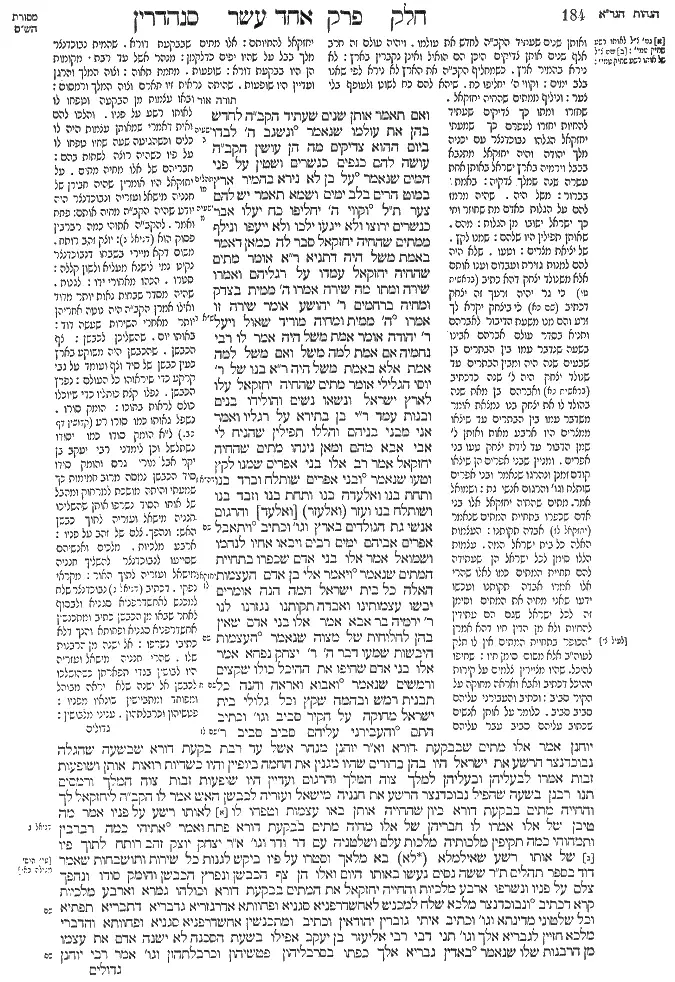
ואם תאמר אותן שנים שעתיד הקב"ה לחדש בהן את עולמו שנאמר (ישעיהו ב, יא) ונשגב ה' לבדו ביום ההוא צדיקים מה הן עושין הקב"ה עושה להם כנפים כנשרים ושטין על פני המים שנאמר (תהלים מו, ג) על כן לא נירא בהמיר ארץ במוט הרים בלב ימים ושמא תאמר יש להם צער ת"ל (ישעיהו מ, לא) וקווי ה' יחליפו כח יעלו אבר כנשרים ירוצו ולא ייגעו ילכו ולא ייעפו ונילף ממתים שהחיה יחזקאל סבר לה כמאן דאמר באמת משל היה דתניא ר"א אומר מתים שהחיה יחזקאל עמדו על רגליהם ואמרו שירה ומתו מה שירה אמרו ה' ממית בצדק ומחיה ברחמים ר' יהושע אומר שירה זו אמרו (שמואל א ב, ו) ה' ממית ומחיה מוריד שאול ויעל ר' יהודה אומר אמת משל היה אמר לו רבי נחמיה אם אמת למה משל ואם משל למה אמת אלא באמת משל היה ר"א בנו של ר' יוסי הגלילי אומר מתים שהחיה יחזקאל עלו לארץ ישראל ונשאו נשים והולידו בנים ובנות עמד ר"י בן בתירא על רגליו ואמר אני מבני בניהם והללו תפילין שהניח לי אבי אבא מהם ומאן נינהו מתים שהחיה יחזקאל אמר רב אלו בני אפרים שמנו לקץ וטעו שנאמר (דברי הימים א ז, כ) ובני אפרים שותלח וברד בנו ותחת בנו ואלעדה בנו ותחת בנו וזבד בנו ושותלח בנו ועזר (ואלעזר) [ואלעד] והרגום אנשי גת הנולדים בארץ וגו' וכתיב (דברי הימים א ז, כב) ויתאבל אפרים אביהם ימים רבים ויבאו אחיו לנחמו ושמואל אמר אלו בני אדם שכפרו בתחיית המתים שנאמר (יחזקאל לז, יא) ויאמר אלי בן אדם העצמות האלה כל בית ישראל המה הנה אומרים יבשו עצמותינו ואבדה תקותנו נגזרנו לנו ר' ירמיה בר אבא אמר אלו בני אדם שאין בהן לחלוחית של מצוה שנאמר (יחזקאל לז, ד) העצמות היבשות שמעו דבר ה' ר' יצחק נפחא אמר אלו בני אדם שחיפו את ההיכל כולו שקצים ורמשים שנאמר (יחזקאל ח, י) ואבוא ואראה והנה כל תבנית רמש ובהמה שקץ וכל גלולי בית ישראל מחוקה על הקיר סביב וגו' וכתיב התם (יחזקאל לז, ב) והעבירני עליהם סביב סביב ר' יוחנן אמר אלו מתים שבבקעת דורא וא"ר יוחנן מנהר אשל עד רבת בקעת דורא שבשעה שהגלה נבוכדנצר הרשע את ישראל היו בהן בחורים שהיו מגנין את החמה ביופיין והיו כשדיות רואות אותן ושופעות זבות אמרו לבעליהן ובעליהן למלך צוה המלך והרגום ועדיין היו שופעות זבות צוה המלך ורמסום תנו רבנן בשעה שהפיל נבוכדנצר הרשע את חנניה מישאל ועזריה לכבשן האש אמר לו הקב"ה ליחזקאל לך והחייה מתים בבקעת דורא כיון שהחייה אותן באו עצמות וטפחו לו לאותו רשע על פניו אמר מה טיבן של אלו אמרו לו חבריהן של אלו מחיה מתים בבקעת דורא פתח ואמר (דניאל ג, לג) אתוהי כמה רברבין ותמהוהי כמה תקיפין מלכותיה מלכות עלם ושלטניה עם דר ודר וגו' א"ר יצחק יוצק זהב רותח לתוך פיו של אותו רשע שאילמלא (לא) בא מלאך וסטרו על פיו ביקש לגנות כל שירות ותושבחות שאמר דוד בספר תהלים ת"ר ששה נסים נעשו באותו היום ואלו הן צף הכבשן ונפרץ הכבשן והומק סודו ונהפך צלם על פניו ונשרפו ארבע מלכיות והחייה יחזקאל את המתים בבקעת דורא וכולהו גמרא וארבע מלכיות קרא דכתיב (דניאל ג, ב) ונבוכדנצר מלכא שלח למכנש לאחשדרפניא סגניא ופחוותא אדרגזריא גדבריא דתבריא תפתיא וכל שלטוני מדינתא וגו' וכתיב איתי גוברין יהודאין וכתיב ומתכנשין אחשדרפניא סגניא ופחוותא והדברי מלכא חזיין לגבריא אלך וגו' תני דבי רבי אליעזר בן יעקב אפילו בשעת הסכנה לא ישנה אדם את עצמו מן הרבנות שלו שנאמר (דניאל ג, כא) באדין גבריא אלך כפתו בסרבליהון פטשיהון וכרבלתהון וגו' אמר רבי יוחנן
Comments from Rashi on Masechet Sanhedrin Page 92b
ואותן שנים שעתיד הקב"ה לחדש את עולמו . ויהיה עולם זה חרב אלף שנים אותן צדיקים היכן הם הואיל ואינן נקברין בארץ: לא נירא בהמיר ארץ . כשמחליף הקב"ה את הארץ לא נירא לפי שאנו בלב ימים: וקווי ה' יחליפו כח . שיהא להם כח לשוט ולעופף בלי צער: וניליף ממתים שהחיה יחזקאל . שחזרו ומתו כך צדיקים שעתיד להחיות יחזרו לעפרם כך שמעתי יחזקאל הגלהו נבוכדנצר עם יכניה מלך יהודה והיה יחזקאל מתנבא בבבל וירמיה בארץ ישראל באותן אחת עשרה שנה שמלך צדקיה: באמת . בברור: משל היה . שהיה מרמז להם על הגלות כאדם מת שחוזר וחי כך ישראל ישובו מן הגלות: מהם . שאותן תפילין היו שלהם: שמנו לקץ . של יציאת מצרים: וטעו . שלא היה להם למנות גזירת ועבדום וענו אותם אלא משנולד יצחק דהא כתיב (בראשית טו) כי גר יהיה זרעך זה יצחק דכתיב (שס כא) כי ביצחק יקרא לך זרע והם מנו משעת הדיבור לאברהם ותניא בסדר עולם אברהם אבינו בשעה שנדבר עמו בין הבתרים בן שבעים שנה היה ומבין הבתרים עד שנולד יצחק היה ל' שנה כדכתיב (בראשית כא) ואברהם בן מאת שנה בהולד לו את יצחק בנו נמצאת אומר משדבר עמו בין הבתרים עד שיצאו ממצרים היו ארבע מאות ואותן ל' שמן הדבור עד לידת יצחק טעו בני אפרים. ומניין שבני אפרים הן שיצאו קודם זמנן ונהרגו שנאמר ובני אפרים שותלח וגו' והרגום אנשי גת: ושמואל אמר . מתים שהחיה יחזקאל אלו בני אדם שכפרו בתחיית המתים שנאמר (יתזקאל לז) אבדה תקותנו: העצמות האלה כל בית ישראל המה . עצמות הללו סימן לכל ישראל הן שעתידה להם תחיית המתים כמו לאלו שהרי אלו אמרו אבדה תקותנו ועכשו ידעו שאני מחיה את המתים וסימן זה לכל ישראל שגם הם עתידין להחיות ולא מן הדין חיו דהא אמרן הכופר בתחיית המתים אין לו חלק לעוה"ב אלא משום סימן חיו: שחיפו להיכל . שהיו מציירין צלמים על קירות ההיכל דכתיב ואבא ואראה מחוקה על הקיר סביב: וכתיב והעבירני עליהם סביב סביב . כלומר על אותן אנשים שכתוב עליהם סביב עבר עליהם יחזקאל להחיותם: אלו מתים שבבקעת דורא . שהמית נבוכדנצר מלך בבל על שהיו יפים כדלקמן: מנהר אשל עד רבת . מקומות הן היו בבקעת דורא: שופעות . מחמת תאוה: וצוה המלך והרגן ועדיין היו שופעות . שהיתה נראית זיו תארם וצוה המלך ורמסום: ובאו עצמות מן הבקעה וטפחו לו לאותו רשע על פניו . והלכו להם ואית דאמרי שמאותן עצמות היה לו כלים וכשהגיעה שעה שחיו טפחו לו על פיו כשהיה רוצה לשתות בהם: חבריהם של אלו מחיה מתים . על יחזקאל היו אומרין שהיה חבירן של חנניה מישאל ועזריה ונבוכדנצר היה יודע שהיה הקב"ה מחיה אותם: פתח ואמר . להקב"ה אתוהי כמה רברבין פסוק הוא (דניאל ג): יוצק זהב רותח . משום דקא מיירי בשבחו דנבוכדנצר נקיט נמי לישנא מעליא ולשון קללה: סטרו . הכהו מאחורי ידו: לגנות . שהיה מסדר שבחות נאות יותר מדוד ואילו אמרן הקב"ה היה נוטה אחריהן יותר מאחרי השירות שעשה דוד: באותו יום . שהשליכן לכבשן: צף הכבשן . שהכבשן היה משוקע בארץ כעין כבשן של סיד וצף ועומד על גבי קרקע כדי שיראוהו כל העולם: נפרץ הכבשן . נפלו קצת כותליו כדי שיוכלו כולם לראות בתוכו: הומק סורו . נשפל גאותו כמו סורו רע (קדושין דף פב.) ל"א הומק סודו כמו יסודו נשתלשל וכן לימדני רבי יעקב בן יקר אבל מורי גרס והומק סידו סיד הכבשן נמסה מרוב חמימות כך שמעתי והיתה מושכת למרחוק ומהבל של אותו הסיד נשרפו אותן שהשליכו חנניה מישאל ועזריה לתוך כבשן האש: ונהפך . צלם של זהב על פניו: ארבע מלכיות . מלכים ואנשיהם שסייעו לנבוכדנצר להשליך חנניה מישאל ועזריה לתוך האור: מקראי נפקי . דכתיב (דניאל ג) נבוכדנצר שלח למכנש לאחשדרפניא סגניא ולבסוף לאחר שבאו מן הכבשן כתיב ומתכנשין אחשדרפניא סגניא ופחותא והנך דלא כתיבי נשרפו: אל ישנה מן הרבנות שלו . שהרי חנניה מישאל ועזריה היו לבושין בגדי תפארתן כשהושלכו לכבשן אל ישנה שלא יראה מבוהל ומפוחד ומתביישין שונאיו מפניו: פטשיהון וכרבלתהון . עניני מלבושין:
Sanhedrin 92b - Mishnah translated into english
And if you say: During those years when the Holy One, Blessed be He, is destined to renew His world, as it is stated: “And the Lord alone shall be exalted on that day” (Isaiah 2:11), what are the righteous to do? How will they survive? The Holy One, Blessed be He, will make wings like eagles for them and they will fly over the surface of the water, as it is stated: “Therefore, we will not fear when God changes the land, and when the mountains are moved in the midst of the sea” (Psalms 46:3). Although God will renew the land, they will not fear, because they will be in the sky over the sea at that time. And lest you say that they will endure suffering from flying uninterrupted for an extended period, the verse states: “But they who wait for the Lord shall renew their strength; they shall mount up with wings as eagles; they shall run, and not be weary; they shall walk, and not tire” (Isaiah 40:31).
The Gemara suggests: And let us derive from the dead that Ezekiel revived (see Ezekiel, chapter 37) that the resurrected dead will not live forever, but will die at some point. The Gemara explains: The school of Eliyahu holds in accordance with the opinion of the one who says: In truth, Ezekiel’s depiction of the dry bones that came to life was a parable, from which nothing can be derived with regard to the nature of resurrection.
This is as it is taught in a baraita, that Rabbi Eliezer says: The dead that Ezekiel revived stood on their feet and recited song to God and died. And what song did they recite? The Lord kills with justice and gives life with mercy. Rabbi Yehoshua says that it was this song that they recited: “The Lord kills, and gives life; He lowers to the grave and elevates” (I Samuel 2:6). Rabbi Yehuda says: Ezekiel’s depiction of the dry bones that came to life was truth and it was a parable.
Rabbi Neḥemya said to Rabbi Yehuda: If it was truth, why do you refer to it as a parable, and if it was a parable, why do you refer to it as truth? Rather, it means: In truth, it was a parable. Rabbi Eliezer, son of Rabbi Yosei HaGelili, says: Not only was it not a parable, the dead that Ezekiel revived ascended to Eretz Yisrael and married wives and fathered sons and daughters. Rabbi Yehuda ben Beteira stood on his feet and said: I am a descendant of their sons, and these are phylacteries that my father’s father left me from them.
The Gemara asks: And who are the dead that Ezekiel revived?
Rav says: These were the descendants of Ephraim who calculated the time of the end of the enslavement and the redemption from Egypt and erred in their calculation. They left before the appointed time and were killed, as it is stated: “And the sons of Ephraim; Shuthelah, and Bered his son, and Tahath his son, and Eleadah his son, and Tahath his son. And Zabad his son, and Shuthelah his son, and Ezer and Elead whom the men of Gath that were born in the land slew, because they came down to take their cattle” (I Chronicles 7:20–21), and it is written: “And Ephraim their father mourned many days, and his brothers came to comfort him” (I Chronicles 7:22).
And Shmuel says: These dead that Ezekiel revived were people who denied the resurrection of the dead, as it is stated: “Then He said to me: Son of man, these bones are the whole house of Israel; behold, they say: Our bones are dried and our hope is lost; we are cut off” (Ezekiel 37:11). God tells Ezekiel that these were people who had lost hope for resurrection.
Rabbi Yirmeya bar Abba says: These were people in whom there was not even the moist residue of a mitzva, as it is stated: “The dry bones, hear the word of the Lord” (Ezekiel 37:4). Even during their lifetime they were comparable to dry bones.
Rabbi Yitzḥak Nappaḥa says: These are the people who covered the Sanctuary with repugnant creatures and creeping animals, as it is stated: “So I entered and saw and behold, every form of creeping animal and repugnant animal, and all the idols of the house of Israel, etched upon the wall around” (Ezekiel 8:10), and it is written there with regard to the prophecy of the dry bones: “And he passed me over them around and around” (Ezekiel 37:2). By means of a verbal analogy between: Around, in one verse and the identical term in the other it is derived that the two verses are referring to the same people.
Rabbi Yoḥanan says: These are the dead from the Dura Valley (see Daniel, chapter 3). And Rabbi Yoḥanan says: These corpses filled the area from the Eshel River to Rabat, which constitutes the Dura Valley. As, at the time that Nebuchadnezzar the wicked exiled the Jewish people to Babylonia, there were among them youths who overshadowed the sun with their beauty, and the Chaldean women would see them, and desire them, and discharge the flow of a zava. These women told their husbands, and their husbands told the king. The king ordered the youths executed, and his servants executed them. And their execution did not resolve the problem, as the women were still discharging the flow of a zava. Even after death, the youths’ beauty remained intact. The king ordered that their corpses be taken to the valley, and his servants trampled them so that their form would no longer be visible.
§ The Sages taught in a baraita: At the moment that Nebuchadnezzar the wicked cast Hananiah, Mishael, and Azariah into the fiery furnace, the Holy One, Blessed be He, said to Ezekiel: Go and revive the dead in the Dura Valley. Once Ezekiel revived them, the bones came and struck Nebuchadnezzar, that wicked man, in his face. Nebuchadnezzar said: What is the nature of these? His servants said to him: The friend of these three, Hananiah, Mishael, and Azariah, is reviving the dead in the Dura Valley. Nebuchadnezzar began and said: “How great are His signs and how mighty are His wonders; His kingdom is an everlasting kingdom and His dominion is from generation to generation” (Daniel 3:33).
Rabbi Yitzḥak says: Molten gold should be poured into the mouth of that wicked person. His mouth should be sealed in the course of an extraordinary death; in deference to royalty, Rabbi Yitzḥak suggested that gold would be used to accomplish that task. The reason is that if an angel had not come and struck him on his mouth to prevent him from continuing his praise, he would have sought to overshadow all the songs and praises that David recited in the book of Psalms.
The Sages taught in a baraita: Six miracles were performed on that day that Hananiah, Mishael, and Azarya were delivered from the furnace, and they are: The furnace rose from where it was sunken to ground level; and the furnace was breached; and its limestone dissipated; and the graven image that Nebuchadnezzar established, which he commanded his subjects to worship (see Daniel 3:5–6), fell on its face; and four ranks of officials from monarchies, who stood around the furnace, were burned; and Ezekiel revived the dead in the Dura Valley.
And the knowledge that all of the miracles were performed is based on tradition. And the four ranks of officials from monarchies that were burned is related in a verse, as it is written: “Then Nebuchadnezzar the king sent to gather together the satraps, the prefects and the governors, the counselors, the treasurers, the justices, the magistrates and all the rulers of the provinces” (Daniel 3:2). And it is written: “There are certain Jews…they do not serve your gods, nor worship the golden image you have erected” (Daniel 3:12). And it is written in the verse after Hananiah, Mishael, and Azariah left the fiery furnace: “And the satraps, the prefects, the governors, and the king’s counselors gathered and saw these men” (Daniel 3:27) who emerged from the fire unscathed. Nebuchadnezzar sent to gather eight ranks of officials, and only four ranks witnessed Hananiah, Mishael, and Azariah emerge from the furnace. Apparently, the other four ranks were burned in the fire.
The school of Rabbi Eliezer ben Ya’akov teaches: Even during a period of danger, a person should not deviate from his prominence and demean himself, as it is stated: “Then these men were bound in their mantles, their tunics, and their hats, and their other garments, and they were cast into the blazing fiery furnace” (Daniel 3:21). Even when cast into the furnace, they donned garments befitting their station.
Rabbi Yoḥanan says:
Traduction : The William Davidson digital edition of the Koren Noé Talmud, with commentary by Rabbi Adin Even-Israel Steinsaltz.