 Talmud Bavli
The learning on the whole site is dedicated : L'ilui Nishmat Jacques Isaac Ben Amram Loubaton
The learning on the whole site is dedicated : L'ilui Nishmat Nissim ben Barukh Malka
The learning on the whole site is dedicated : L'ilui Nishmat Ledicia bat David Banoun
Sanhedrin 65b : Youtube
Daf TubeYoutube
2 video classes :
Sanhedrin Page 65b
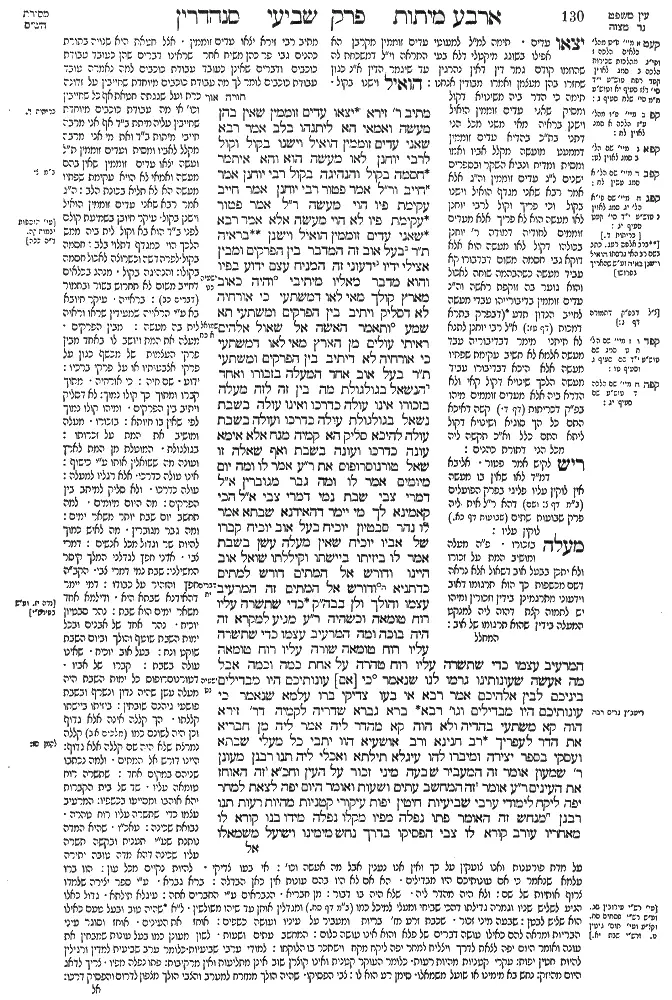
Sanhedrin 65b - Guemara
מתיב ר' זירא יצאו עדים זוממין שאין בהן מעשה ואמאי הא ליתנהו בלב אמר רבא שאני עדים זוממין הואיל וישנו בקול וקול לרבי יוחנן לאו מעשה הוא והא איתמר חסמה בקול והנהיגה בקול רבי יוחנן אמר חייב ור"ל אמר פטור רבי יוחנן אמר חייב עקימת פיו הוי מעשה ר"ל אמר פטור עקימת פיו לא הוי מעשה אלא אמר רבא שאני עדים זוממין הואיל וישנן בראיה ת"ר בעל אוב זה המדבר בין הפרקים ומבין אצילי ידיו ידעוני זה המניח עצם ידוע בפיו והוא מדבר מאליו מיתיבי (ישעיהו כט, ד) והיה כאוב מארץ קולך מאי לאו דמשתעי כי אורחיה לא דסליק ויתיב בין הפרקים ומשתעי תא שמע (שמואל א כח, יג) ותאמר האשה אל שאול אלהים ראיתי עולים מן הארץ מאי לאו דמשתעי כי אורחיה לא דיתיב בין הפרקים ומשתעי ת"ר בעל אוב אחד המעלה בזכורו ואחד הנשאל בגולגולת מה בין זה לזה מעלה בזכורו אינו עולה כדרכו ואינו עולה בשבת נשאל בגולגולת עולה כדרכו ועולה בשבת עולה להיכא סליק הא קמיה מנח אלא אימא עונה כדרכו ועונה בשבת ואף שאלה זו שאל טורנוסרופוס את ר"ע אמר לו ומה יום מיומים אמר לו ומה גבר מגוברין א"ל דמרי צבי שבת נמי דמרי צבי א"ל הכי קאמינא לך מי יימר דהאידנא שבתא אמר לו נהר סבטיון יוכיח בעל אוב יוכיח קברו של אביו יוכיח שאין מעלה עשן בשבת אמר לו ביזיתו ביישתו וקיללתו שואל אוב היינו ודורש אל המתים דורש למתים כדתניא (דברים יח, יא) ודורש אל המתים זה המרעיב עצמו והולך ולן בבה"ק כדי שתשרה עליו רוח טומאה וכשהיה ר"ע מגיע למקרא זה היה בוכה ומה המרעיב עצמו כדי שתשרה עליו רוח טומאה שורה עליו רוח טומאה המרעיב עצמו כדי שתשרה עליו רוח טהרה על אחת כמה וכמה אבל מה אעשה שעונותינו גרמו לנו שנאמר (ישעיהו נט, ב) כי [אם] עונותיכם היו מבדילים ביניכם לבין אלהיכם אמר רבא אי בעו צדיקי ברו עלמא שנאמר כי עונותיכם היו מבדילים וגו' רבא ברא גברא שדריה לקמיה דר' זירא הוה קא משתעי בהדיה ולא הוה קא מהדר ליה אמר ליה מן חבריא את הדר לעפריך רב חנינא ורב אושעיא הוו יתבי כל מעלי שבתא ועסקי בספר יצירה ומיברו להו עיגלא תילתא ואכלי ליה תנו רבנן מעונן ר' שמעון אומר זה המעביר שבעה מיני זכור על העין וחכ"א זה האוחז את העינים ר"ע אומר זה המחשב עתים ושעות ואומר היום יפה לצאת למחר יפה ליקח לימודי ערבי שביעיות חיטין יפות עיקורי קטניות מהיות רעות תנו רבנן מנחש זה האומר פתו נפלה מפיו מקלו נפלה מידו בנו קורא לו מאחריו עורב קורא לו צבי הפסיקו בדרך נחש מימינו ושועל משמאלו
Comments from Rashi on Masechet Sanhedrin Page 65b
מתיב רבי זירא יצאו עדים זוממין . אצל חטאת היא שנויה בתורת כהנים גבי פר כהן משיח אחר שראינו דברים שהן כעובד עבודת כוכבים ודברים שאינן כעובד עבודת כוכבים למה נאמרה עובד עבודת כוכבים לומר לך מה עבודת כוכבים מיוחדת שחייבין על זדונה כרת ועל שגגתה חטאת אף כל שחייבין וכו' אי מה עבודת כוכבים מיוחדת שחייבין עליה מיתת ב"ד אף אני מרבה חייבי מיתות ב"ד ואת מי אני מרבה מקלל לאביו ומסית ועדים זוממין ת"ל ועשה יצאו עדים זוממין שאין בהם מעשה ואמאי לא הויא עקימת שפתיו מעשה הא לא תליא בכונת הלב: ה"ג אמר רבא שאני עדים זוממין הואיל וישנן בקול עיקר . חיובן בשמיעת קולם לפני ב"ד הוא בא וקול לית ביה ממש הלכך הוי כמגדף דתלוי בלב: חסמה בקול . לפרה דשה וכשרוצה לאכול חסמה בקולו: והנהיגה בקול . מנהג בכלאים דחייב משום לא תחרוש בשור ובחמור (דברים כב): בראייה . עיקר חיובא בא ע"י הראייה שמעידין שראו וראיה לית בה מעשה: מבין הפרקים . מעלה את המת ויושב לו באחד מבין פרקי העצמות של מכשף כגון על פרקי אצבעותיו או על פרקי ברכיו: ידוע . שם חיה: כי אורחיה . מתוך קברו ומתוך כך קולו נמוך: לא דסליק ויתיב בין הפרקים . ומיהו קולו נמוך לפי שאין בו חיותא: בזכורו . מעלה ומושיב את המת על זכרותו: בגולגולת . המוטלת מן המת לארץ ועונה מה ששואלין אותו ע"י כישוף: אינו עולה כדרכו . אלא רגליו למעלה: עולה כדרכו . ולא סליק למיתב בין הפרקים: מה היום מיומים . למה תחשב יום שבת יותר משאר ימים: ומה גבר מגוברין . מה לאיש כמוך להיות שר וגדול מכל אנשים: דמרי צבי . אדני חפץ לגדלני המלך קיסר המשילני: שבת נמי דמרי צבי . הקב"ה חפץ והזהיר על כבודו: דמי יימר דהאידנא שבתא היא . ודילמא אחד משאר ימים הוא שבת: נהר סבטיון יוכיח . נהר אחד של אבנים ובכל ימות השבת שוטף והולך וביום השבת שוקט ונח: בעל אוב יוכיח . שאינו עולה בשבת: קברו של אביו . דטורנוסרופוס כל ימות השבת היה מעלה עשן שהיה נדון ונשרף ובשבת פושעי גיהנם שובתין: ביזיתו ביישתו קללתו . הך קללה אינה אלא גדוף וכן היה לשונם כמו (מלכים א ב) קללה נמרצת שלא היה שם קללה אלא גדוף: היינו דורש אל המתים . ולמה נכתבו שניהם במקום אחד: שתשרה רוח טומאה עליו . שד של בית הקברות יהא אוהבו ומסייעו בכשפיו: המרעיב עצמו כדי שתשרה עליו רוח טהרה . נבואת שכינה: עאכ"ו . שהיא המדה נותנת שע"י תענית ובקשה תשרה עליו שכינה דהא מדה טובה יתירה על מדת פורענות ואנו צועקין על כך ואין אנו נענין אבל מה אעשה וכו': אי בעו צדיקי . להיות נקיים מכל עון: הוו ברו עלמא שנאמר כי אם עונותיכם היו מבדילים . הא אם לא היו בהם עונות אין כאן הבדלה: ברא גברא . ע"י ספר יצירה שלמדו צרוף אותיות של שם: ולא היה מהדר ליה . שלא היה בו דבור: מן חבריא . הנבראים ע"י החברים אתה: עיגלא תילתא . גדול כאלו הגיע לשליש שניו וגמרה גדילתו דהכי שביחי ומעלי למיכל כמו (ב"מ דף סח.) ומגדלין אותן עד שיהו משולשין. ל"א שהיה טוב ובעל טעם כאילו הוא שליש לבטן: שבעה מיני זכור . שכבת זרע מז' בריות ומעביר על עיניו ועושה כשפים: אוחז את העינים . אוחז וסוגר עיני הבריות ומראה להם כאילו עושה דברים של פלא והוא אינו עושה כלום: המחשב עתים ושעות . לשון מעונן כמו בעל עונות שמבחין את עונה ואומר היום יפה לצאת לדרך ויצליח למחר יפה ליקח מקח וישתכר בו הלוקחו: למודי ערבי שביעיות . כלומר ערב שביעית למדין ורגילין להיות חטין יפות: עקרי קטניות מהיות רעות . כלומר העוקר קטנית ואינו קוצרן שוב אינן מתליעות ואין מרקיבות: פתו נפלה מפיו . צריך לדאג היום מהיזק: נחש בא מימינו או שועל משמאלו . סימן רע הוא לו: צבי הפסיקו . שהיה הולך ממזרח למערב והצבי הולך מצפון לדרום והפסיק דרכו:
Comments from Tosafot - Sanhedrin 65b
יצאו עדים . תימה למ"ל למעוטי עדים זוממין מקרבן הא אפילו בשוגג מיקטלי דלא בעי התראה וי"ל דמשכחת לה שהוזמו קודם גמר דין דאין נהרגין עד שיגמר הדין א"נ כגון שחזרו בהן מעצמן ואמרו מבודין אנחנו: הואיל וישנו בקול . תימה כי הדר ביה משינויא דקול ומסיק שאני עדים זוממין הואיל וישנן בראיה מאי משני מכל הני דתני בת"כ בהדיא עדים זוממין דממעט מועשה מקלל אביו ואמו ומסית ומדיח ונביא השקר ובספרים ישנים ל"ג עדים זוממין וה"ג אלא אמר רבא שאני מגדף הואיל וישנו בקול וכי פריך וקול לרבי יוחנן לאו מעשה הוא לא פריך אלא מעדים זוממים לחודיה דמודה ר' יוחנן בכולהו דקול לאו מעשה הוא אלא דוקא גבי חסמה משום דבדבורו קא עביד מעשה כשהבהמה שוחה לאכול והוא גוער בה זוקפת ראשה וה"נ עדים זוממין בדיבורייהו עבדי מעשה לחייב הנדון תדע דבפרק בתרא דמכות (דף טז:) א"ל רבי יוחנן לתנא לא תיתני מימר דבדיבוריה עבד מעשה אלמא לא חשיב עקימת שפתיו מעשה אלא היכא דבדיבורו עביד מעשה הלכך שינויא דקול קאי ולא הדרא ביה אלא מעדים זוממים מיהו בפ"ק דכריתות (דף ד.) קשה דאיכא התם כל הך סוגיא ושינויא דקול ליתא התם כלל וא"כ תקשה ליה מכל הני דתורת כהנים: ריש לקיש אמר פטור . אליבא דמ"ד לאו שאין בו מעשה אין לוקין עליו פליגי בפרק הפועלים (ב"מ דף צ: ושם) דהא ר"ל אית ליה פרק שבועות שתים (שבועות דף כא.) לוקין עליו:
Sanhedrin 65b - Mishnah translated into english
Rabbi Zeira raises an objection to Rava’s answer, as it is stated in a baraita that one who unwittingly commits a transgression punishable by death is obligated to bring a sin-offering, excluding conspiring witnesses, who are not obligated to bring a sin-offering, as their transgressions do not involve an action. Rabbi Zeira asks: And why is a false witness’s testimony not considered a transgression that involves an action? The testimony is delivered through speech, which should be considered an action, as this is not a transgression that is committed in the heart; the witnesses are liable for what they said, and not for their intention.
Rava says: Conspiring witnesses are different, since their transgression is committed through their voice. The essence of their transgression is not speech itself but rather making themselves heard by the court. Therefore, since the projection of one’s voice does not involve action, the transgression of conspiring witnesses is considered not to be involving action.
The Gemara asks: And is projecting one’s voice not considered an action according to Rabbi Yoḥanan? But wasn’t it stated that amora’im engaged in a dispute concerning the following case: If one muzzled an animal by projecting his voice, by berating it whenever it tried to eat, has he transgressed the prohibition of: “You shall not muzzle an ox while it treads out the corn” (Deuteronomy 25:4)? And similarly, if one led different species to work together by projecting his voice, without performing any action, has he transgressed the prohibition of: “You shall not plow with an ox and a donkey together” (Deuteronomy 22:10)? Rabbi Yoḥanan says he is liable, and Reish Lakish says he is exempt.
The Gemara explains the reasoning behind their opinions: Rabbi Yoḥanan says he is liable, as he maintains that the twisting of one’s mouth to speak is considered an action, whereas Reish Lakish says he is exempt, because he holds that that the twisting of one’s mouth to speak is not considered an action. Evidently, Rabbi Yoḥanan holds that a transgression one commits by projecting his voice is considered to involve an action.
Rather, Rava says there is a different answer to Rabbi Zeira’s objection: Conspiring witnesses are different, since they are rendered liable mainly through sight, i.e., the important part of their testimony is what they saw, which is not considered an action.
§ The Sages taught: A necromancer is one who causes the voice of the dead to be heard speaking from between his joints or from his armpit. A sorcerer [yideoni] is one who places a bone of an animal called a yadua in his mouth, and the bone speaks on its own.
The Gemara raises an objection from the verse: “And your voice shall be as a ghost out of the ground” (Isaiah 29:4). What, does the dead person not speak from the grave on his own? The Gemara answers: No, this is not so, as the dead person rises by sorcery and sits between the joints of the necromancer and speaks.
The Gemara suggests: Come and hear a proof from the statement of the necromancer to King Saul: “And the woman said to Saul, I see a godlike being coming up out of the earth” (I Samuel 28:13). What, does the verse not mean to say that the dead person spoke on his own? The Gemara refutes this proof: No, this is not so, as the dead person sits between the joints of the necromancer and speaks.
The Sages taught: The category of a necromancer includes both one who raises the dead with his zekhur, which is a form of sorcery, and one who inquires about the future from a skull [begulgolet]. What is the difference between this type of necromancer and that type of necromancer? When one raises the dead with his zekhur, the dead does not rise in its usual manner, but appears upside-down, and it does not rise on Shabbat. By contrast, when one inquires about the future from a skull, the dead rises in its usual manner, and it rises [oleh] even on Shabbat.
The Gemara asks with regard to the wording of the last statement: Rises? To where does it rise? Isn’t the skull lying before him? Rather, say as follows: The dead answers in its usual manner, and it answers [ve’oneh] even on Shabbat.
With regard to the statement that the dead do not rise on Shabbat, the Gemara relates: The wicked Turnus Rufus, the Roman governor of Judea, asked this question of Rabbi Akiva as well. Turnus Rufus said to him: And what makes this day, Shabbat, different from other days? Rabbi Akiva said to him: And what makes this man, referring to his interlocutor, more distinguished than other men? Turnus Rufus said to him: I am more distinguished because my master the emperor wants it that way. Rabbi Akiva said to him: Shabbat too is unique because my Master wants it that way, as he has sanctified that day.
Turnus Rufus said to him: This is what I mean to say to you: Who is to say that now is Shabbat? Perhaps a different day of the week is Shabbat. Rabbi Akiva said to him: The Sabbatyon River can prove that today is Shabbat, as it is calm only on Shabbat. A necromancer can also prove this, as the dead do not rise on Shabbat. The grave of his father, referring to Turnus Rufus’s father, can also prove this, as it does not emit smoke on Shabbat, although smoke rises from it all week, as during the week he is being punished in Gehenna. Turnus Rufus said to him: You have demeaned my father, you have publicly shamed him, and you have cursed him by saying that he is being punished in Gehenna.
§ The Gemara asks: Isn’t one who inquires about the future from a necromancer the same as what is described in the verse: “Or directs inquiries to the dead” (Deuteronomy 18:11)? Why are they mentioned separately in the verse?
The Gemara answers: One who directs inquiries to the dead employs a different method to contact the dead, as it is taught in a baraita: “Or directs inquiries to the dead”; this is one who starves himself and goes and sleeps overnight in a graveyard so that a spirit of impurity should settle upon him, and he can listen to what the dead are saying.
And when Rabbi Akiva would arrive at this verse he would weep and say: If one who starves himself so that a spirit of impurity will settle upon him succeeds in doing so, and a spirit of impurity settles upon him, all the more so one who starves himself so that a spirit of purity will settle upon him should be successful, and a spirit of purity should settle upon him. But what can I do, as our iniquities have caused us not to merit the spirit of sanctity and purity, as it is stated: “But your iniquities have separated between you and your God, and your sins have hid His face from you, that He will not hear” (Isaiah 59:2).
Rava says: If the righteous wish to do so, they can create a world, as it is stated: “But your iniquities have separated between you and your God.” In other words, there is no distinction between God and a righteous person who has no sins, and just as God created the world, so can the righteous.
Indeed, Rava created a man, a golem, using forces of sanctity. Rava sent his creation before Rabbi Zeira. Rabbi Zeira would speak to him but he would not reply. Rabbi Zeira said to him: You were created by one of the members of the group, one of the Sages. Return to your dust.
The Gemara relates another fact substantiating the statement that the righteous could create a world if they so desired: Rav Ḥanina and Rav Oshaya would sit every Shabbat eve and engage in the study of Sefer Yetzira, and a third-born calf [igla tilta] would be created for them, and they would eat it in honor of Shabbat.
§ The Sages taught: What is the definition of the soothsayer mentioned in the verse: “There shall not be found among you…a soothsayer” (Deuteronomy 18:10)? Rabbi Shimon says: This is one who applies seven types of semen [zekhur] to one’s eye in order to perform sorcery. And the Rabbis say: This is one who deceives the eyes, as though he is performing sorcery. Rabbi Akiva says: This is one who calculates the fortune of times and hours, and says, for example: Today is a propitious day for going away on a journey; tomorrow is propitious for purchasing property successfully. Or he says that on the eve of the Sabbatical Years, the wheat harvest is generally good; uprooting legumes rather than cutting them from above the ground prevents them from going bad.
The Sages taught: The enchanter mentioned in the verse (Deuteronomy 18:10) is one who relies on superstitious signs, e.g., one who says: If one’s bread fell from his mouth, that is a bad sign for him; or: If one’s staff fell from his hand, it is a bad sign; or: If one’s son calls him from behind, it is a sign that he should return from his journey; or: If a raven calls to him, or if a deer blocks him on the way, or if a snake is to his right, or if a fox is to his left, all of these are bad signs. An enchanter is one who relies on these as bad signs and consequently changes his course of action.
Traduction : The William Davidson digital edition of the Koren Noé Talmud, with commentary by Rabbi Adin Even-Israel Steinsaltz.