 Talmud Bavli
Pesahim 73b : Youtube
Daf TubeYoutube
3 video classes :
Pesahim Page 73b
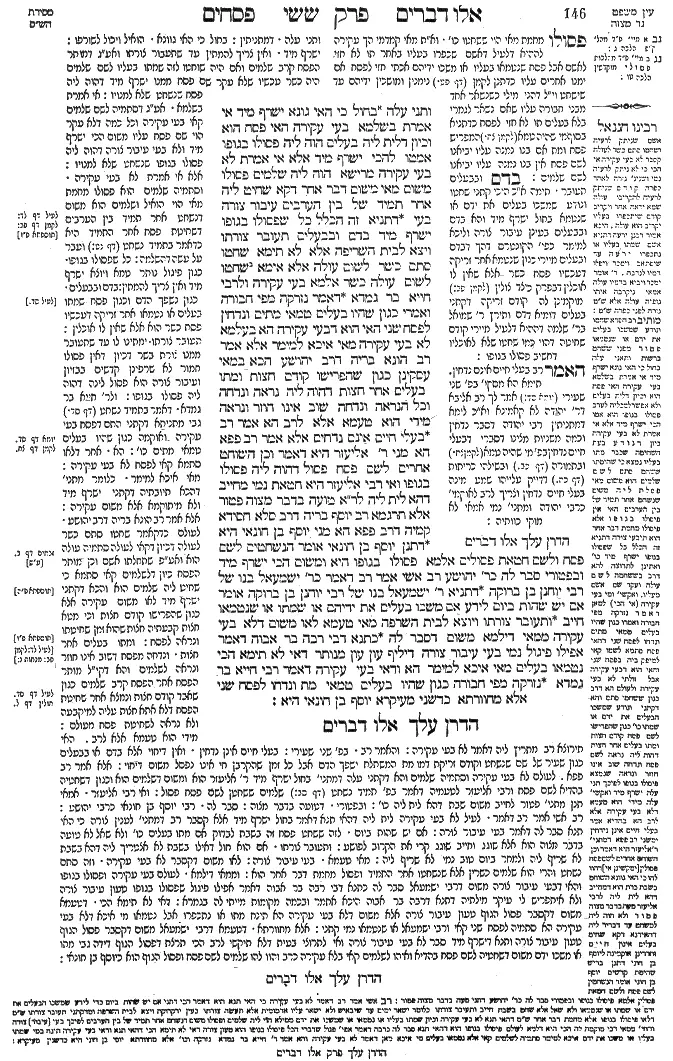
Pesahim 73b - Guemara
ותני עלה בחול כי האי גונא ישרף מיד אי אמרת בשלמא בעי עקירה האי פסח הוא וכיון דלית ליה בעלים הוה ליה פסולו בגופו אמטו להכי ישרף מיד אלא אי אמרת לא בעי עקירה מרישא הוה ליה שלמים פסולו משום מאי משום דבר אחר דקא שחיט ליה אחר תמיד של בין הערבים עיבור צורה בעי דתניא זה הכלל כל שפסולו בגופו ישרף מיד בדם ובבעלים תעובר צורתו ויצא לבית השריפה אלא לא תימא שחטו סתם כשר לשום עולה אלא אימא שחטו לשום עולה כשר אלמא בעי עקירה ולרבי חייא בר גמדא דאמר נזרקה מפי חבורה ואמרי כגון שהיו בעלים טמאי מתים ונדחין לפסח שני האי הוא דבעי עקירה הא בעלמא לא בעי עקירה מאי איכא למימר אלא אמר רב הונא בריה דרב יהושע הכא במאי עסקינן כגון שהפרישו קודם חצות ומתו בעלים אחר חצות דהוה ליה נראה ונדחה וכל הנראה ונדחה שוב אינו חוזר ונראה מידי הוא טעמא אלא לרב הא אמר רב בעלי חיים אינם נדחים אלא אמר רב פפא הא מני ר' אליעזר היא דאמר וכן השוחט אחרים לשם פסח פסול דהוה ליה פסולו בגופו ואי רבי אליעזר היא חטאת נמי מחייב דהא לית ליה לר"א טועה בדבר מצוה פטור אלא תרגמא רב יוסף בריה דרב סלא חסידא קמיה דרב פפא הא מני יוסף בן חונאי היא דתנן יוסף בן חונאי אומר הנשחטים לשם פסח ולשם חטאת פסולים אלמא פסולו בגופו היא ומשום הכי ישרף מיד ובפטורי סבר לה כר' יהושע רב אשי אמר רב דאמר כר' ישמעאל בנו של רבי יוחנן בן ברוקה דתניא ר' ישמעאל בנו של רבי יוחנן בן ברוקה אומר אם יש שהות ביום לידע אם משכו בעלים את ידיהם או שמתו או שנטמאו חייב ותעובר צורתו ויוצא לבית השרפה מאי טעמא לאו משום דלא בעי עקירה ממאי דילמא משום דסבר לה כתנא דבי רבה בר אבוה דאמר אפילו פיגול נמי בעי עיבור צורה דיליף עון עון מנותר דאי לא תימא הכי נטמאו בעלים מאי איכא למימר הא ודאי בעי עקירה דאמר רבי חייא בר גמדא נזרקה מפי חבורה כגון שהיו בעלים טמאי מת ונדחו לפסח שני אלא מחוורתא כדשני מעיקרא יוסף בן חונאי היא:
הדרן עלך אלו דברים
Comments from Rashi on Masechet Pesahim Page 73b
ותני עלה . דמתניתין: בחול כי האי גוונא . הואיל ויכול לשורפו: ישרף מיד . ואין צריך להמתין עד שתעבור צורתו ואע"ג דמותר הפסח קרב שלמים ואם היה שוחטו לזה שמתו בעליו לשם שלמים היה כשר עכשיו שלא עקר שם פסח ממנו ישרף מיד דהוה ליה פסח שנשחט שלא למנויו: אי אמרת בשלמא . אע"ג דסתמיה לשם שלמים קאי בעי עקירה וכל כמה דלא עקר הוי שם פסח עליו משום הכי ישרף מיד ולא בעי עיבור צורה דהוה ליה פסולו בגופו שנשחט שלא למנויו: אלא אי אמרת לא בעי עקירה . וסתמיה שלמים הוא פסולו מחמת מאי הוי הואיל ושלמים הוא משום דנשחט אחר תמיד בין הערבים דשחיטת פסח אחר התמיד היא כדאמר בתמיד נשחט (דף נט:) ועבר על עשה דהשלמה: כל שפסולו בגופו . כגון פיגול נותר טמא ויוצא ישרף מיד ואין צריך להמתין: בדם ובבעלים . כגון נשפך הדם וכגון פסח שמתו בעלים או נטמאו אחר זריקה דעכשיו פסח כשר הוא אלא שאין לו אוכלין: תעובר צורתו . ימתינו לו עד שתעובר ממנו צורת בשר דכיון דאין פסולו חמור לא שרפינן קדשים בבזיון ועיבור צורה הוא פסול לינה דהוה ליה פסולו בגופו: ולר' חייא בר גמדא . דאמר בתמיד נשחט (דף סד.) גבי מתניתא דקתני התם דפסח בעי עקירה ואוקמה כגון שהיו בעלים טמאי מתים כו': הא . אחר דלאו סתמא קאי לפסח לא בעי עקירה: מאי איכא למימר . כלומר מתני' דהכא תיובתיה דקתני ישרף מיד ולא מיתוקמא אלא משום עקירה: אלא אמר רב הונא בריה דרב יהושע . לעולם כדקאמר שחטו סתם כשר לעולה דכיון דקאי לעולה סתמיה עולה הוא ואע"פ שתחלתו אשם וכן מותר הפסח כיון דלשלמים קאי סתמא כי שחיט ליה שלמים הוא והכא דקתני ישרף מיד לאו משום עקירה אלא כגון שהפרישו קודם חצות וכי מטא חצות קבעתיה חצות שהוא זמן שחיטתו ונראה לפסח: ומתו בעלים אחר חצות . ונדחה מפסח דשוב אינו חוזר ונראה לשלמים והא דקי"ל מותר הפסח אחר הפסח קרב שלמים כגון שאבד קודם חצות ונמצא אחר שחיטת הפסח דלא אתא חצות עליה למיקבעה ולא נראה לשחיטת פסח מעולם: מידי הוא טעמא אלא לרב . האי תירוצא רב מתריץ ליה דאמר לא בעי עקירה: והאמר רב . בפ' שני שעירי: בעלי חיים אינן נדחין . ואין דיחוי אלא בדם או בבעלים כגון שעיר של שם שנשחט וקודם זריקת דמו מת המשתלח ישפך הדם אבל כל זמן שהקרבן חי אינו נפסל משום דיחוי: אלא אמר רב פפא . לעולם לא בעי עקירה וסתמיה שלמים והא דקתני עלה דמתניתין בחול ישרף מיד ר' אליעזר הוא ומשום דשלמים הוא וכגון דשחטיה בהדיא לשם פסח ורבי אליעזר לטעמיה דאמר בפרק תמיד נשחט (דף סב:) שלמים ששחטן לשם פסח פסול: ואי רבי אליעזר . אמאי תנן מתני' פטור לחייב משום שבת דהא לית ליה כו': ובפטורי . דטועה בדבר מצוה: סבר לה . רבי יוסף בן חונאי כרבי יהושע: רב אשי אמר רב דאמר . לעיל לא בעי עקירה לית ליה דהאי תנא דאמר בחול ישרף מיד אלא קסבר רב דמתניתין לענין צורה כי האי תנא סבר לה דאמר בעי עיבור צורה: אם יש שהות ביום . לזה ששחט פסח זה בשבת לבדוק אם מתו בעלים כו' ולא שאל לא טועה בדבר מצוה הוא אלא שוגג וחייב שוגג קרי את הקרוב לפושע: ותעובר צורתו . אם הוא חול דאילו בשבת לא אצטריך ליה דהא בשבת לא שריף ליה ולמחר ביום טוב נמי לא שריף ליה: מאי טעמא . בעי עיבור צורה: לאו משום דקסבר לא בעי עקירה . וזה סתם נשחט והרי הוא שלמים כשרין אלא שנשחטו אחר התמיד ופסול מחמת דבר אחר הוא: וממאי דילמא . לעולם בעי עקירה ופסולו בגופו והאי דבעי עיבור צורה משום דרבי ישמעאל סבר לה כתנא דבי רבה בר אבוה דאמר אפילו פיגול שפסולו בגופו טעון עיבור צורה ולא איתפריש לי עיקר מילתיה דתנא דרבה בר אבוה היכא אתמר ובכמה מקומות מייתי לה בגמרא: דאי לא תימא הכי . דטעמא משום דקסבר פסול הגוף טעון עיבור צורה אלא משום דלא בעי עקירה הא תינח מתו או נתכפרו אבל נטמאו מי איכא דלא בעי עקירה הא סתמיה לפסח שני קאי ורבי ישמעאל או שנטמאו נמי קתני: אלא מחוורתא . דטעמא דרבי ישמעאל משום דקסבר פסול הגוף טעון עיבור צורה ותנא דישרף מיד סבר לא בעי עיבור צורה ואי לתרוצי בעית דלא תיקשי לרב הכי תרצת דפסול הגוף דידה גבי מתו או משכו ידם משום דשחטיה לשם פסח בהדיא ואיהו לשלמים קאי בלא עקירה כרב והוו להו שלמים לשם פסח ופסול הגוף הוא כיוסף בן חונאי:
Comments from Tosafot - Pesahim 73b
פסולו מחמת מאי הוי ששחטו כו' . וא"ת מאי קמדמי הך עקירה לההיא דלעיל דאשם שכפרו בעליו באחר תו לא חזי לאשם אבל פסח שנטמאו בעליו או משכו ידיהם אכתי חזי לפסח אם ימנו אחרים עליו כדתנן לקמן (פסחים דף פט.) נימנין ומושכין ידיהם עד שישחט וי"ל דהני מילי כשנשאר אחד מבני חבורה עליו שאם נשאר לגמרי בלא בעלים תו לא חזי לפסח כדתניא בסוף מי שהיה טמא (לקמן פסחים צח.) המפריש פסח ומת אם בנו נמנה עליו יביאנו לשם פסח אין בנו נמנה עליו יביאנו לשם שלמים: בדם ובבעלים תעובר . תימה א"כ היכי קתני שחטו ונודע שמשכו בעלים את ידם או שנטמא בחול ישרף מיד והא בדם ובבעלים בעינן עיבור צורה וליכא למימר כפי' הקונטרס דהך דבדם ובעלים מיירי כגון שנטמא אחר זריקה דעכשיו פסח כשר אלא שאין לו אוכלין דבפרק כיצד צולין (לקמן פסחים פב:) מוקמינן לה קודם זריקה דקתני בעלים דומיא דדם ותירץ ר' שמואל בר' שלמה דההיא דלעיל מיירי קודם שחיטה דהוי כמו שחטו שלא לאוכליו דחשיב פסולו בגופו: האמר רב בעלי חיים אינם נדחין . תימא הא מסקי' בפ' שני שעירי (יומא סד:) אמר לך רב אליבא דר' יהודה לא קאמינא וא"כ לימא דמתניתין רבי יהודה דסבר נדחין וכמה משניות מצינו דסברי דבעלי חיים נדחין בפ' מי שהיה טמא (לקמן פסחים צח.) ובתמורה (דף כב.) ובשילהי כריתות (דף כח.) דדייק עלייהו שמע מינה בעלי חיים נדחין וצריך לרב לאוקמי' כרבי יהודה ומתני' נמי אמאי לא מוקי כוותיה:
Pesahim 73b - Mishnah translated into english
And it was taught in a baraita with regard to this mishna that on a weekday, in a case like this, where it turns out that there is no one to eat the Paschal offering, it should be burned immediately. Granted, if you say that an offering that has no owner requires uprooting from its previous status in order for its status to change and in the absence of explicit uprooting it retains its original status, here too it can be argued that this is still a Paschal offering. And since it has no owners, its disqualification is in the body of the offering itself, because it was sacrificed for no purpose, and therefore it should be burned immediately.
But if you say that an offering such as this does not require uprooting, but rather its original status is automatically void upon the death of its owner, and it was a peace-offering from the beginning, as a Paschal offering whose status has been revoked is considered a peace-offering, due to what then is its disqualification? Due to something else, i.e., that he slaughtered it after the daily afternoon offering, which is the proper time to slaughter the Paschal lamb. But a peace-offering that is slaughtered then is disqualified. In that case, however, it should require that it be left overnight until its form decays, thus attaining the status of leftover sacrificial meat, and only then should it be burned.
As it was taught in a baraita: This is the principle: Any offering whose disqualification is in the body of the offering itself should be burned immediately and without delay. But if the disqualification is in the blood of the offering or in the owners, the meat must be kept overnight, so that its form is allowed to decay, and only then should it be taken out to the place of burning. Thus, the baraita that says that a Paschal lamb that was slaughtered on a weekday, and afterward it became known that the owners had died, should be burned immediately proves, against the opinion of Rav Huna, that an offering that has no owners still requires explicit uprooting from its previous status for its status to change.
Rather, do not say that Rav said that a guilt-offering that one slaughtered without specification is valid as a burnt-offering. Say rather that he said that if one took a guilt-offering whose owner had already achieved atonement through a different animal and he explicitly slaughtered it as a burnt-offering, it is valid. And conclude from this that Rav apparently holds that changing the status of an offering requires explicit uprooting.
The Gemara asks: A difficulty arises according to Rabbi Ḥiyya bar Gamda, who dealt with the question whether a Paschal lamb requires uprooting and said that it was thrown out from the group of scholars who were studying the issue, and they all said as follows: Uprooting is required in a case where the owners of the offering were ritually impure with impurity imparted by a corpse during the first Pesaḥ and they were pushed off to the second Pesaḥ, for in that case, they presumably want to sacrifice this animal as their Paschal offering on the second Pesaḥ, and therefore its status does not change unless it is explicitly uprooted.
The Gemara infers from this that it is only this offering that requires explicit uprooting, because it is reasonable to assume that its owners still intend to use it for its original purpose, but in general it does not require uprooting. According to this opinion, what is there to say, as it would seem that our mishna indicates that explicit uprooting is necessary?
Rather, Rav Huna, son of Rav Yehoshua, said: With what are we dealing here in our mishna? We are dealing with a case where they designated the animal to be sacrificed as their Paschal offering before midday, and midday came and it was firmly established as their Paschal offering, and the owners died after midday, such that the offering was first considered fit and then rejected: It was originally fit to be sacrificed as either a Paschal offering or a peace-offering, and then it was rejected as a peace-offering when it was firmly established as a Paschal offering, and rejected as a Paschal offering when its owners died. And the principle is that anything that was first fit and afterward rejected does not return to being fit. The offering is therefore disqualified and burned immediately, as it can never be brought as a Paschal offering or as a peace-offering.
The Gemara rejects this answer: Is this reason necessary for anyone but Rav, who holds that explicit uprooting is not required? But Rav himself said that living creatures cannot be permanently rejected. The halakha of rejection applies only to animals that were already slaughtered, but living creatures cannot be permanently rejected from their sanctified status or eligibility for a mitzva.
Rather, Rav Pappa said: In accordance with whose opinion is this baraita that adds to the mishna the detail that on a weekday the disqualified offering is immediately burned? It is in accordance with the opinion of Rabbi Eliezer, who said: And similarly, if one slaughtered another offering, such as a peace-offering, for the purpose of a Paschal offering, it is disqualified. If so, its disqualification is in the body of the offering itself, and so it should be burned immediately.
The Gemara asks: But if it is in accordance with the opinion of Rabbi Eliezer, he would deem him liable also to bring a sin-offering for having slaughtered an invalid offering on Shabbat, for Rabbi Eliezer does not accept the position that one who errs in regard to a mitzva is exempt from bringing a sin-offering. This explanation must, therefore, be rejected.
Rather, Rav Yosef, son of Rav Salla the Ḥasid, explained before Rav Pappa as follows: In accordance with whose opinion is this baraita? It is in accordance with the opinion of Yosef ben Ḥonai. As we learned in a mishna that Yosef ben Ḥonai says: Other offerings that are slaughtered for the purpose of a Paschal offering or for the purpose of a sin-offering are disqualified, as he agrees with Rabbi Eliezer in this regard. It is apparent that its disqualification is in the body of the offering itself and therefore it should be burned immediately. But with regard to exemptions from sin-offerings in cases of unintentional desecration of Shabbat, he holds in accordance with the opinion of Rabbi Yehoshua, that one who errs in regard to a mitzva is exempt.
Rav Ashi said a different answer to this question: Rav said his ruling with regard to a guilt-offering in accordance with the opinion of Rabbi Yishmael, son of Rabbi Yoḥanan ben Beroka. As it was taught in a baraita: Rabbi Yishmael, son of Rabbi Yoḥanan ben Beroka, says: If one slaughtering the Paschal offering on Shabbat still has time in the day to clarify whether the owners withdrew or died or became ritually impure, he is liable to bring a sin-offering for having slaughtered on Shabbat, and the meat must be kept overnight so that its form be allowed to decay, and then it should be taken out to the place of burning. What is the reason that its form must be allowed to decay? Is it not because he holds that it does not require uprooting? And for that reason the disqualification is not inherent in the offering, and so it must be left overnight to attain the status of leftover sacrificial meat before being burned.
The Gemara rejects this argument: From where is this known to be correct? Perhaps it requires uprooting and the disqualification is inherent. And the fact that he requires decay of form is because he agrees with the tanna of the school of Rabba bar Avuh, who said that even piggul, an offering disqualified by improper intent, which is considered an inherent disqualification, also requires decay of form, for he derived this requirement by way of a verbal analogy between the word “iniquity” (Leviticus 7:18) stated in relation to an offering disqualified by improper intent and the word “iniquity” (Leviticus 19:7) stated with regard to leftover sacrificial meat.
For if you do not say so, i.e., that the baraita was taught in accordance with this opinion, then in a case in which the owners became ritually impure, what is there to say? In that case it certainly requires uprooting, for Rabbi Ḥiyya bar Gamda said that it was thrown out from the group of scholars who were studying the issue: Uprooting is required in a case where the owners of the offering were ritually impure with impurity imparted by a corpse during the first Pesaḥ and they were pushed off to the second Pesaḥ. Since their offering is presumably set to be used on the second Pesaḥ, explicit change of the offering’s status is required.
Rather, it is clear that it is as he answered at the beginning, that our mishna is in accordance with the opinion of Yosef ben Ḥonai. Therefore, on weekdays the offering is burned immediately, and on Shabbat, in accordance with the opinion of Rabbi Yehoshua, one does not become liable to bring a sin-offering.
Traduction : The William Davidson digital edition of the Koren Noé Talmud, with commentary by Rabbi Adin Even-Israel Steinsaltz.