 Talmud Bavli
Pesahim 25b : Youtube
Daf TubeYoutube
3 video classes :
Pesahim Page 25b
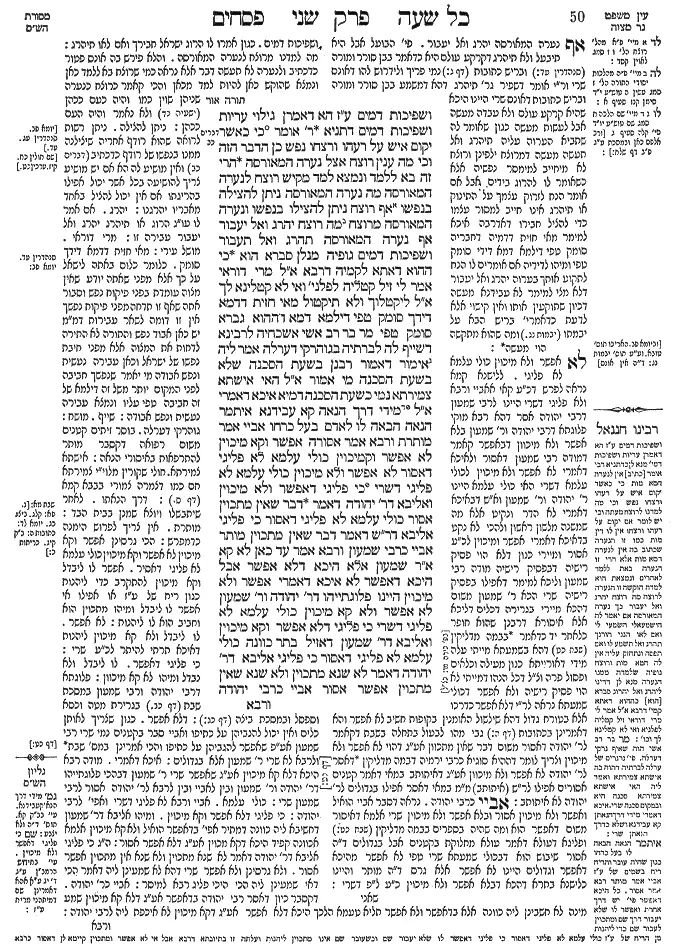
Pesahim 25b - Guemara
ושפיכות דמים ע"ז הא דאמרן גילוי עריות ושפיכות דמים דתניא ר' אומר (דברים כב, כו) כי כאשר יקום איש על רעהו ורצחו נפש כן הדבר הזה וכי מה ענין רוצח אצל נערה המאורסה הרי זה בא ללמד ונמצא למד מקיש רוצח לנערה המאורסה מה נערה המאורסה ניתן להצילה בנפשו אף רוצח ניתן להצילו בנפשו ונערה המאורסה מרוצח מה רוצח יהרג ואל יעבור אף נערה המאורסה תהרג ואל תעבור ושפיכות דמים גופיה מנלן סברא הוא כי ההוא דאתא לקמיה דרבא א"ל מרי דוראי אמר לי זיל קטליה לפלני' ואי לא קטלינא לך א"ל ליקטלוך ולא תיקטול מאי חזית דדמא דידך סומק טפי דילמא דמא דההוא גברא סומק טפי מר בר רב אשי אשכחיה לרבינא דשייף לה לברתיה בגוהרקי דערלה אמר ליה אימור דאמור רבנן בשעת הסכנה שלא בשעת הסכנה מי אמור א"ל האי אישתא צמירתא נמי כשעת הסכנה דמיא איכא דאמרי א"ל מידי דרך הנאה קא עבידנא איתמר הנאה הבאה לו לאדם בעל כרחו אביי אמר מותרת ורבא אמר אסורה אפשר וקא מיכוין לא אפשר וקמיכוין כולי עלמא לא פליגי דאסור לא אפשר ולא מיכוין כולי עלמא לא פליגי דשרי כי פליגי דאפשר ולא מיכוין ואליבא דר' יהודה דאמר דבר שאין מתכוין אסור כולי עלמא לא פליגי דאסור כי פליגי אליבא דר"ש דאמר דבר שאין מתכוין מותר אביי כרבי שמעון ורבא אמר עד כאן לא קא א"ר שמעון אלא היכא דלא אפשר אבל היכא דאפשר לא איכא דאמרי אפשר ולא מיכוין היינו פלוגתייהו דר' יהודה ור' שמעון לא אפשר ולא קא מיכוין כולי עלמא לא פליגי דשרי כי פליגי דלא אפשר וקא מיכוין ואליבא דר' שמעון דאזיל בתר כוונה כולי עלמא לא פליגי דאסור כי פליגי אליבא דר' יהודה דאמר לא שנא מתכוין ולא שנא שאין מתכוין אפשר אסור אביי כרבי יהודה
Comments from Rashi on Masechet Pesahim Page 25b
ושפיכות דמים . כגון אמרו לו הרוג ישראל חבירך ואם לאו תיהרג: מה למדנו מרוצח לנערה המאורסה . והלא פירש בה אונס פטור כדכתיב ולנערה לא תעשה דבר אלא נראה כמי שרוצח בא ללמד כאן ונמצא שהוקש כאן להיות למד מכאן והכי קאמר כרוצח כנערה שניהן שוין כמו והיה כעם ככהן (ישעיהו כד) ולא נאמר והיה העם ככהן: ניתן להצילה . ניתן רשות לרואה שהוא רודף אחריה שיצילנה ממנו בנפשו של רודף כדכתיב (דברים כב) ואין מושיע לה הא אם יש מושיע צריך להושיעה בכל אשר יכול אפילו בהריגתו אם אין יכול להציל באחד מאבריו יהרגנו: יהרג . אם אמר לו עו"ג הרוג או תיהרג יהרג ואל יעבור עבירה זו: מרי דוראי . מושל עירי: מאי חזית דדמא דידך סומק . כלומר כלום באתה לישאל על כך אלא מפני שאתה יודע שאין מצוה עומדת בפני פיקוח נפש וסבור אתה שאף זו תדחה מפני פיקוח נפשך אין זו דומה לשאר עבירות דמ"מ יש כאן אבוד נפש והתורה לא התירה לדחות את המצוה אלא מפני חיבת נפשו של ישראל וכאן עבירה נעשית ונפש אבודה מי יאמר שנפשך חביבה לפני המקום יותר משל זה דילמא של זה חביבה טפי עליו ונמצא עבירה נעשית ונפש אבודה: שייף . מושח: גוהרקי דערלה . בוסר זיתים קטנים משום רפואה דקסבר מותר להתרפאות באיסורי הנאה: אישתא צמירתא . חולי שקורין מלוי"י צמירתא חם כמו דצמרה צמורי בבבא קמא (דף ס.): דרך הנאתו . לאחר שיתבשלו ויוצא שמנן בבית הבד: מותרת . אין צריך לפרוש הימנה כדמפרש: הכי גרסינן אפשר וקא מיכוין לא אפשר וקא מיכוין כולי עלמא לא פליגי דאסיר . אפשר לו ליבדל וקא מיכוין להתקרב כדי ליהנות כגון ריח של ע"ז או אפילו אי אפשר לו ליבדל ומיהו מתכוין הוא וחביב הוא לו ליהנות: לא אפשר . לו ליבדל ולא קא מיכוין ליהנות דאיכא תרתי להיתר לכ"ע שרי: כי פליגי דאפשר . לו ליבדל ולא נבדל ומיהו לא קא מיכוון: פלוגתא דרבי יהודה ורבי שמעון במסכת שבת (דף כב.) בגרירת מטה וכסא וספסל ובמסכת ביצה (דף כג:): דלא אפשר . כגון שצריך לאותן כלים ואין יכול להגביהן על כתיפו ואביי סבר בקטנים נמי שרי רבי שמעון אע"פ שאפשר להגביהן על כתיפו והכי אמרינן במס' שבת ולרבא לא שרי ר' שמעון אלא בגדולים: איכא דאמרי . מודה רבא היכא דלא קא מיכוין אע"ג שאפשר שרי ר' שמעון דבהכי פלוגתייהו דר' יהודה ור' שמעון ובין לאביי ובין לרבא לר' יהודה אסור לרבי שמעון שרי: כולי עלמא . אביי ורבא לא פליגי דשרי ואפילו לרבי יהודה: כי פליגי דלא אפשר וקא מיכוין . ומיהו אליבא דר' שמעון דחשיבא ליה כוונה דמתיר אפי' בדאפשר הואיל ולא קא מיכוין אלמא אכוונה קפיד היכא דקא מכוין אע"ג דלא אפשר אסור: ה"ג כי פליגי אליבא דר' יהודה דאמר לא שנא מתכוין ולא שנא אין מתכוין אפשר אסור . ולא גרסינן ולא אפשר שרי דהא לא שמעינן ליה דאמר הכי דאי שמעינן ליה הכי היכי פליג רבא למיסר: אביי כר' יהודה . דקסבר כיון דאסר רבי יהודה בדאפשר אע"ג דלא קא מיכוין שמע מינה לא חשבינן ליה כוונה אלא בדאפשר ולא אפשר תליא טעמא הלכך היכא דלא אפשר אע"ג דקא מיכוין לא איכפת ליה לרבי יהודה:
Comments from Tosafot - Pesahim 25b
אף נערה המאורסה יהרג ואל יעבור . פי' הבועל אבל היא תיבעל ולא תיהרג דקרקע עולם היא כדאמר בבן סורר ומורה (סנהדרין עד:) ובריש כתובות (דף ג:) נמי פריך ולידרוש להו דאונס שרי ור"י אומר דשפיר גר' תיהרג דהא דמשמע בבן סורר ומורה ובריש כתובות דאונס שרי היינו היכא שהיא קרקע עולם ולא עבדה מעשה אבל לעשות מעשה כגון שאומר לה שתביא הערוה עליה תיהרג ואל תעשה מעשה דמרוצח ילפינן ורוצח לא מיחייב למימסר נפשיה אלא כשאומר לו להרוג בידים אבל אם אומר הנח לזרוק עצמך על התינוק או תיהרג אינו חייב למסור עצמו כדי להציל חבירו דאדרבה איכא למימר מאי חזית דדמיה דחבריה סומק טפי דילמא דמא דידי סומק טפי ומיהו לדידיה אם אומרים לו הנח לתקוע אותך בערוה יהרג ואל יעבור דלא מצי למימר לא עבידנא מעשה דכיון שתוקעין אותו ואין קישוי אלא לדעת כדאמרי' בריש הבא על יבמתו (יבמות נג.) ומה שהוא מתקשה הוי מעשה: לא אפשר ולא מיכוין כולי עלמא לא פליגי . ללישנא קמא נראה לפרש דכ"ע קאי אאביי ורבא ולא פליגי דשרי היינו לרבי שמעון דרבי יהודה אסר דהא רבא מוקי פלוגתא דרבי יהודה ור' שמעון בלא אפשר ולא מיכוון דבאפשר קאמר דמודה רבי שמעון דאסור ולאיכא דאמרי לא אפשר ולא מיכוין לכולי עלמא דשרי האי כולי עלמא היינו ר' יהודה ור' שמעון וא"ש דבאיכא דאמרי לא הדר ונקיט אלא מה שמשנה מלשון ראשון ולהכי לא נקט בדאיכא דאמרי אפשר ומיכוין לכ"ע אסור ומיירי כגון דלא הוי פסיק רישיה דבפסיק רישיה מודה רבי שמעון וליכא למימר דאפילו בפסיק רישיה שרי הכא ר' שמעון משום דהכא מיירי בגרירה דכלים דליכא אלא איסורא דרבנן שהוא חופר כלאחר יד כדאמר בבמה מדליקין (שבת כט) דהא בשמעתא מייתי עלה מידי דאורייתא כגון מעילה וכלאים ופסול פרה וצ"ל דכל הנהו דמייתי לא הוי פסיק רישיה ולא אפשר דכולי שמעתא נראה לר"י דלא אפשר כדרכו אלא בטורח גדול דהא שילשול האומנין בקופות חשיב לא אפשר והא דאמרינן בכתובות (דף ה:) גבי מהו לבעול בתחלה בשבת דקאמר לר' יהודה דאסור משום דבר שאין מתכוון אע"ג דהוי לא אפשר ולא מיכוין וצריך לומר דההיא סוגיא כרבי ירמיה דבמה מדליקין דאסר לר' יהודה לא אפשר ולא מיכוון אע"ג דאיתותב במאי דאמר קטנים אסורים אפילו לר"ש (איתותב) מ"מ במאי דאסר אפילו בגדולים לר' יהודה לא איתותב: אביי כרבי יהודה . נראה דסבר אביי הואיל ואפשר ולא מיכוין אסור ובלא אפשר ולא מיכוין שרי אלמא דאיסור משום דאפשר הוא ומה שהיה בספרים בבמה מדליקין (שבת כט:) ופליגא דעולא דאמר עולא מחלוקת בקטנים אבל בגדולים ד"ה אסור שיבוש הוא דבכולי שמעתא שרי טפי לא אפשר מהיכא דאפשר וגדולים היינו לא אפשר אלא גרס ד"ה מותר והיינו כלישנא בתרא דהכא דבלא אפשר ולא מיכוין כ"ע ל"פ דשרי:
Pesahim 25b - Mishnah translated into english
or bloodshed.
That one may not heal oneself with idolatry even when his life is in danger is learned from that which we just said, based on the verse: “With all your soul and with all your might.” From where is this halakha derived with regard to forbidden sexual relations and murder? As it was taught in a baraita that Rabbi Yehuda HaNasi says: The verse says about one who rapes a betrothed woman: “But you shall do nothing to the young woman; the young woman has committed no sin worthy of death; for as when a man rises against his neighbor, and slays him, so too with this matter” (Deuteronomy 22:26). What does a murderer have to do with a betrothed young woman who was raped? Why would the verse mention murder in this context?
Rather, the mention of murder comes in order to teach a halakha about the betrothed young woman, and it turns out that, in addition, it derives a halakha from that case. The Torah juxtaposes a murderer to a betrothed young woman to indicate that just as in the case of a betrothed young woman one may save her by taking the rapist’s life, so too, one may save a potential murder victim by taking the pursuer’s life. Conversely, it is possible to learn about the case of a young betrothed woman from the case of a murderer. Just as with regard to a potential murderer the halakha is that if one is being forced to murder someone else, he should allow himself to be killed and not transgress that prohibition, so too, with regard to a betrothed young woman the halakha is that she should allow herself to be killed and not transgress the prohibition of forbidden relations.
The Gemara asks: And from where do we derive this halakha with regard to murder itself? The Gemara answers: It is based on logical reasoning that one life is not preferable to another. The Gemara relates an incident to demonstrate this: This is similar to a certain man who came before Rava and said to him: A local official said to me: Go kill so-and-so, and if not I will kill you. Rava said to him: It is preferable that he should kill you and you should not kill. What did you think, that your blood is redder and more precious than his? Perhaps that man’s blood is redder. Apparently, one may not save his own life by taking someone else’s.
The Gemara relates: Mar bar Rav Ashi found Ravina rubbing his daughter with unripe olives [guharkei] of orla for medicinal purposes. Mar bar Rav Ashi said to him: Say that the Sages said that one may derive benefit from such a prohibited item at a time of danger; however, who says that one is permitted to do so when it is not a time of danger?
Ravina said to him: A high fever is also deemed a time of danger, and one may derive benefit from a prohibited item it such a situation. Some say that Ravina said to him as follows: Am I deriving benefit in a usual manner? The usual way to derive benefit from these olives is to use them after they have become ripe, so that their oil can be drawn out. Since Ravina was not deriving benefit in the usual manner, he was permitted to do so, although his daughter’s life was not in danger.
The Gemara continues to discuss various halakhot that apply to prohibited items. It was stated: With regard to deriving benefit from a prohibited item that comes to a person against his will, i.e., one’s circumstance results in his deriving benefit although he did not place himself in that circumstance in order to derive benefit, Abaye said: Deriving benefit in this manner is permitted, and Rava said: It is prohibited.
The Gemara explains: In a case where it is possible to avoid deriving benefit and he intends to derive benefit from the prohibited object, or where it is not possible to avoid it and he intends to derive benefit, everyone agrees that it is prohibited, because he intended to derive benefit that was prohibited. And when it is not possible to avoid it and he does not intend to derive benefit, everyone agrees that it is permitted, as one had no choice in the matter. Where they disagree is in a case where it is possible for him to avoid the prohibition, and he does not intend to derive benefit from it.
The Gemara limits the dispute further: And according to Rabbi Yehuda, who said that an unintentional prohibited act is prohibited, everyone agrees that it is prohibited, as Rabbi Yehuda maintains that one’s action is more significant than his intent. Where they disagree is in accordance with the opinion of Rabbi Shimon, who said that an unintentional prohibited act is permitted. Apparently, Abaye holds in accordance with the opinion of Rabbi Shimon. And Rava would say: Rabbi Shimon stated his opinion only with regard to a case where it is not possible to avoid the prohibition. However, in a case where it is possible to avoid the prohibition, no, he did not permit one to derive benefit from such a prohibition even unintentionally. This is one version of the dispute.
Some say that the dispute should be understood as follows: In a case where it is possible to avoid deriving benefit and he does not intend to derive benefit, this is the case of dispute between Rabbi Yehuda and Rabbi Shimon. Where it is not possible to avoid it and he does not intend to derive benefit from the prohibited item, everyone agrees that it is permitted to do so. Where they disagree is in a case where it is not possible to avoid deriving benefit and he intends to derive benefit from it. The Gemara limits the dispute further: According to the opinion of Rabbi Shimon, who follows one’s intent, everyone agrees that it is prohibited. Where they disagree is in accordance with the opinion of Rabbi Yehuda, who said: There is no difference whether one intends or does not intend; the issue is whether he can avoid it or not. Therefore, if it is possible to avoid deriving benefit, it is prohibited.
Based on this understanding of the dispute, Abaye holds in accordance with the opinion of Rabbi Yehuda. In other words, in a case where it is not possible to avoid the situation completely, even if one has intent it is permitted.
Traduction : The William Davidson digital edition of the Koren Noé Talmud, with commentary by Rabbi Adin Even-Israel Steinsaltz.