 Talmud Bavli
The learning on the whole site is dedicated : L'ilui Nishmat Yechayahou ben Moche
The learning on the whole site is dedicated : L'ilui Nishmat Margalit bat Ledicia
The learning on the whole site is dedicated : L'ilui Nishmat יוסף בן מושה
Sanhedrin 83b : Youtube
Daf TubeYoutube
2 video classes :
Sanhedrin Page 83b
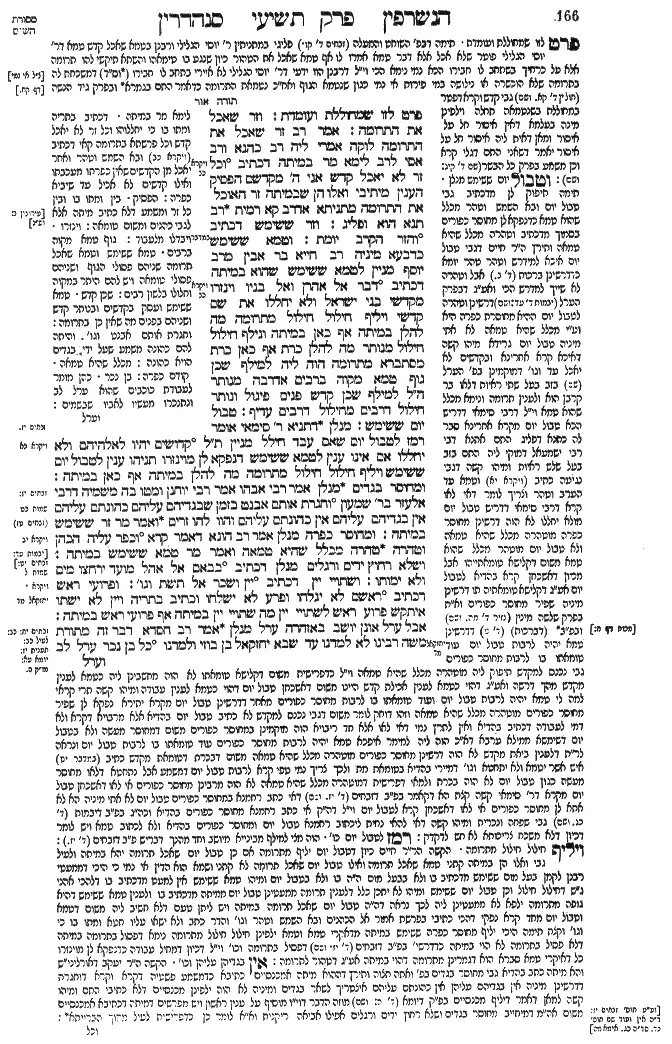
Sanhedrin 83b - Guemara
פרט לזו שמחוללת ועומדת:
וזר שאכל את התרומה:
אמר רב זר שאכל את התרומה לוקה אמרי ליה רב כהנא ורב אסי לרב לימא מר במיתה דכתיב (ויקרא כב, י) וכל זר לא יאכל קדש אני ה' מקדשם הפסיק הענין מיתיבי ואלו הן שבמיתה זר האוכל את התרומה מתניתא אדרב קא רמית רב תנא הוא ופליג:
וזר ששימש דכתיב (במדבר ג, י) והזר הקרב יומת:
וטמא ששימש כדבעא מיניה רב חייא בר אבין מרב יוסף מניין לטמא ששימש שהוא במיתה דכתיב (ויקרא כב, ב) דבר אל אהרן ואל בניו וינזרו מקדשי בני ישראל ולא יחללו את שם קדשי ויליף חילול חילול מתרומה מה להלן במיתה אף כאן במיתה ונילף חילול חילול מנותר מה להלן כרת אף כאן כרת מסתברא מתרומה הוה ליה למילף שכן גוף טמא מקוה ברבים אדרבה מנותר ה"ל למילף שכן קדש פנים פיגול ונותר חילול דרבים מחילול דרבים עדיף:
טבול יום ששימש:
מנלן דתניא ר' סימאי אומר רמז לטבול יום שאם עבד חילל מניין ת"ל (ויקרא כא, ו) קדושים יהיו לאלהיהם ולא יחללו אם אינו ענין לטמא ששימש דנפקא לן מוינזרו תניהו ענין לטבול יום ששימש ויליף חילול חילול מתרומה מה להלן במיתה אף כאן במיתה:
ומחוסר בגדים מנלן אמר רבי אבהו אמר רבי יוחנן ומטו בה משמיה דרבי אלעזר בר' שמעון (שמות כט, ט) וחגרת אותם אבנט בזמן שבגדיהם עליהם כהונתם עליהם אין בגדיהם עליהם אין כהונתם עליהם והוו להו זרים ואמר מר זר ששימש במיתה:
ומחוסר כפרה מנלן אמר רב הונא דאמר קרא (ויקרא יב, ח) וכפר עליה הכהן וטהרה טהרה מכלל שהיא טמאה ואמר מר טמא ששימש במיתה:
ושלא רחוץ ידים ורגלים מנלן דכתיב (שמות ל, כ) בבאם אל אהל מועד ירחצו מים ולא ימותו:
ושתויי יין דכתיב (ויקרא י, ט) יין ושכר אל תשת וגו':
ופרועי ראש דכתיב (יחזקאל מד, כ) ראשם לא יגלחו ופרע לא ישלחו וכתיב בתריה ויין לא ישתו איתקש פרוע ראש לשתויי יין מה שתויי יין במיתה אף פרועי ראש במיתה:
אבל ערל אונן יושב באזהרה ערל מנלן אמר רב חסדא דבר זה מתורת משה רבינו לא למדנו עד שבא יחזקאל בן בוזי ולמדנו (יחזקאל מד, ט) כל בן נכר ערל לב
Comments from Rashi on Masechet Sanhedrin Page 83b
לימא מר במיתה . דכתיב בתריה ומתו בו כי יחללוהו וכל זר לא יאכל קדש וכל פרשתא בתרומה קאי דכתיב (ויקרא כב) ובא השמש וטהר ואחר יאכל מן הקדשים שאין כפרתו מעכבתו ואילו קדשים לא אכיל עד שיביא כפרה: הפסיק . בין ומתו בו ובין כל זר ומשמע דלא כתיב מיתה אלא לגבי כהנים ומשום טומאה: וינזרו . ויבדלו מלעבוד: גוף טמא מקוה ברבים . טמא ששימש וטמא שאכל תרומה שניהם פסולי הגוף ושניהם פסולי טומאה ויש להם היתר במקוה וחלולו בלשון רבים: שכן קדש . טמא ששימש ועסק בקדשים ובנותר קדש ושניהם בפנים מה שאין כן בתרומה: וחגרת אותם אבנט וגו' . והיתה להם כהונה משמע שעל ידי בגדים הויא כהונה: מכלל שהיא טמאה . קודם כפרה: בן נכר . כהן מומר לעבודת כוכבים שהוא ערל לב ונתנכרו מעשיו לאביו שבשמים:
Comments from Tosafot - Sanhedrin 83b
פרט לזו שמחוללת ועומדת . תימה דבפ' השוחט והמעלה (זבחים ד' קו.) פליגי במתניתין ר' יוסי הגלילי ורבנן בטמא שאכל קדש טמא דר' יוסי הגלילי פוטר שלא אכל אלא דבר טמא אמרו לו אף טמא שאכל את הטהור כיון שנגע בו טימאהו והשתא תיקשי להו תרומה אלא על כרחיך בשתחב לו חבירו הכא נמי נימא הכי וי"ל דרבנן הוו ידעי דר' יוסי הגלילי לא איירי בתחב לו חבירו (וס"ד) דמשכחת לה בתרומה שלא הוכשרה או נילושה במי פירות אי נמי כגון שנטמא הגוף ואח"כ נטמאת התרומה כדאמר התם בגמרא ובפרק גיד הנשה (חולין ד' קא. ושם) גבי קדש וקרא דפטר במחוללת בשנטמאה תחלה וילפינן מינה בעלמא דאין איסור חל על איסור ומאן דאית ליה איסור חל על איסור יאמר דשאני התם דגלי קרא וכן משמע בפרק כל הבשר (שם ד' קיג: ושם): וטבול יום ששימש מנלן . תימה תיפוק לן מדכתיב גבי טבול יום ובא השמש וטהר מכלל שהוא טמא כדנפקא לן מחוסר כפורים בסמוך מדכתיב וטהרה מכלל שהיא טמאה ותירץ ה"ר חיים דגבי טבול יום איכא למידרש וטהר טהר יומא כדדרשינן ברכות (ד' ב.) אבל וטהרה לא שייך למדרש הכי ואע"ג דבפרק הערל (יבמות ד' עד: ושם) דרשינן וטהרה לטבול יום ההיא מחוסרת כפרה היא וע"י מכלל שהיא טמאה לא אתי מיניה טבול יום גרידא מיהו קשה דאיכא קרא אחרינא ובקדשים לא יאכל עד וגו' דמוקמינן בפ' הערל (שם) בזב בעל שתי ראיות דלאו בר קרבן הוא ולענין תרומה ונימא מכלל שהוא טמא וי"ל דרבי סימאי דדריש הכא טבול יום מקרא אחרינא סבר לה כתנא דפליג התם אתנא דבי רבי ישמעאל דמוקי ליה התם בזב בעל שלש ראיות ומיהו קשה דגבי נגיעה כתיב (ויקרא יא) וטמא עד הערב וטהר וצריך לומר דאי לאו קרא דרבי סימאי דדריש טבול יום מולא יחללו לא הוה דרשינן מחוסר כפרה מוטהרה מכלל שהיא טמאה ולא טבול יום מוטהר מכלל שהוא טמא משום דקלישא טומאתייהו אבל מכיון דאשכחן קרא בהדיא לטבול יום אע"ג דקלישא טומאתיה תו דרשינן מיניה שפיר מחוסר כפורים וא"ת בפרק שלשה מינין (נזיר ד' מה. ושם) ובפ"ב (דברכות) (ד' ט) דדרשינן טמא יהיה לרבות טבול יום עוד טומאתו בו לרבות מחוסר כפורים גבי נכנס למקדש תיפוק ליה מוטהרה מכלל שהיא טמאה וי"ל כדפרישית משום דקלישא טומאתו לא הוה מחשבינן ליה כטמא לענין מקדש מהך דרשה ואע"ג דהוי כטמא לענין אכילת קדש היינו משום דאשכחן טבול יום דהוי כטמא לענין עבודה ומיהו קשה תרי קראי למה לי טמא יהיה לרבות טבול יום ועוד טומאתו בו לרבות מחוסר כפורים מאחר דדרשינן טבול יום מקרא יתירא נפקא לן שפיר מחוסר כפורים מוטהרה מכלל שהיא טמאה וזהו דוחק לומר משום דגבי נכנס למקדש לא כתיב טבול יום בהדיא אלא מרבויא דקרא ולא דמי לעבודה דכתיב בהדיא ואין לתרץ נמי דאי לאו אלא חד ריבויא הוה מוקמינן במחוסר כפורים משום דמחוסר מעשה ולא בטבול יום דשימשא ממילא ערבא דא"כ הוה ליה למימר איפכא טמא יהיה לרבות מחוסר כפורים עוד טומאתו בו לרבות טבול יום ונראה לר"ת דלענין ביאת מקדש לא הוה דרשינן מחוסר כפורים מוטהרה מכלל שהיא טמאה משום דבכרת דטומאת מקדש כתיב (במדבר יט) איש אשר יטמא ולא יתחטא וגו' דמיירי בהדיא בטומאת מת ולכך צריך נמי טפי קרא לרבות טבול יום דמשמע אבל נתחטא דלאו מחוסר מעשה כגון טבול יום לא הוה בכרת ולמאי דפרישית דמוטהרה מכלל שהיא טמאה לא הוה מרבינן מחוסר כפורים אי לאו דאשכחן טבול יום מקרא דר' סימאי קשה קצת הא דקאמר בפ"ב דזבחים (ד' יז. ושם) דאי כתב רחמנא במחוסר כפורים טבול יום לא אתי מיניה הא לא אתא לן מחוסר כפורים אי לאו דאשכחן קרא לטבול יום וי"ל דה"ק אי כתב רחמנא מחוסר כפורים בהדיא וכה"ג בפ"ב דיבמות (ד' כג. ושם) גבי שפחה ונכרית ומיהו קשה דאי להאי נחית ליכתוב רחמנא טבול יום ומחוסר כפורים בהדיא ולא לכתוב טמא ויש לומר דכיון דלא משכח צריכותא לא חש לדקדק: רמז לטבול יום כו' . הוה מצי למילף מבינייא מיושב וחד מהנך דבריש פ"ב דזבחים (ד' יז.): ויליף חילול חילול מתרומה . הקשה הר"ר חיים כיון דטבול יום יליף מתרומה אם כן טבול יום שאכל תרומה יהא במיתה ולעיל גבי ואלו הן במיתה קתני טמא שאכל תרומה ואילו טבול יום שאכל תרומה לא קתני ושמא הוא הדין אי נמי כי היכי דממעטי רבנן לקמן בעל מום ששימש מדכתיב בו ולא בבעל מום ה"ה בו ולא בטבול יום ומיהו טמא ששימש אין למעט מדכתיב בו דלהכי אהני ג"ש דחילול חילול וכן טבול יום ששימש ומיהו לא יתכן כלל דלענין תרומה ממעטינן טבול יום ממיתה מדכתיב בו ולענין טמא ששימש דהיא גופה מתרומה ילפא לא ממעטינן ליה לכך נראה דה"ה טבול יום שאכל תרומה במיתה ויש ליתן טעם דלא חשיב ליה משום דטמא וטבול יום מחד קרא נפקי דהכי כתיבי בפרשת אמור אל הכהנים ובא השמש וטהר וגו' והדר כתב ולא ישאו עליו חטא ומתו בו כי וגו' וקצת תימה היכי יליף מחוסר כפרה ששימש במיתה מדאקרי טמא וטמא ילפינן חילול חילול מתרומה נימא דפסול בתרומה במיתה דלא פסיל בתרומה לא הוי במיתה כדדרשי' בפ"ב דזבחים (ד' יז. ושם) דפסיל בתרומה וכו' וי"ל דכיון דמחיל עבודה כדנפקא לן מוינזרו כל דאיקרי טמא סברא הוא דגמרינן מתרומה דהוי במיתה אע"ג דטהור לתרומה: אין בגדיהן עליהן וכו' . הקשה ה"ר יעקב דאורליני"ש והא מיתה כתב בהדיא גבי מחוסר בגדים בפ' ואתה תצוה ותירץ דההוא מיתה אמכנסיים כתיבא כדמשמע פשטיה דקרא וקרא דוחגרת דדרשינן מיניה אין בגדיהם עליהן אין כהונתם עליהם איצטריך לשאר בגדים ומיניה לא הוה ילפינן מכנסיים דלא כתיבי התם ומיהו קשה למאן דאמר דיליף מכנסיים בפ"ק דיומא (ד' ה: ושם) מוזה הדבר דוי"ו מוסיף על ענין ראשון ויש מפרשים דמיתה דכתיבא אמכנסיים משום אה"מ דמיחייב מחוסר בגדים ושלא רחוץ ידים ורגלים אפילו אביאה ריקנית וא"א לומר כן כדפרישית לעיל מתוך הברייתא:
Sanhedrin 83b - Mishnah translated into english
to the exclusion of teruma that is impure and already desecrated.
§ The Gemara continues in its analysis of the baraita: A non-priest who partook of teruma is liable to receive death at the hand of Heaven. Rav says: A non-priest who partook of teruma is flogged. Rav Kahana and Rav Asi said to Rav: Let the Master say that he is punished with death at the hand of Heaven, as it is written: “And they shall keep my charge lest they bear a sin for it and die therein if they desecrate it: I am the Lord Who sanctifies them. No non-priest shall eat of the sacred, a tenant of a priest, or a hired servant, shall not eat of the sacred” (Leviticus 22:9–10). Based on the juxtaposition between them, one should say that just as an impure priest who partakes of teruma is punished with death at the hand of Heaven, so too a non-priest who partakes of teruma is punished with death at the hand of Heaven.
Rav responded: The phrase “I am the Lord Who sanctifies them” ends the matter of death, so the matter of a non-priest who partakes of teruma is not juxtaposed to it. The Gemara raises an objection to the opinion of Rav from the baraita: And these are they who are liable to receive death at the hand of Heaven: A non-priest who partakes of teruma. The Gemara explains: Are you raising a contradiction from a baraita to the opinion of Rav? Rav is a tanna, and as such has the authority to dispute the determination of the baraita.
The baraita continues: The punishment for a non-priest who performed the Temple service is death at the hand of Heaven, as it is written: “You and your sons with you shall safeguard your priesthood with regard to every matter of the altar…and any non-priest who approaches shall die” (Numbers 18:7).
The baraita continues: The punishment for an impure priest who performed the Temple service is death at the hand of Heaven. The source for this is explained: As Rav Ḥiyya bar Avin asked of Rav Yosef: From where is it derived that an impure priest who performed the Temple service is punished with death at the hand of Heaven? Rav Yosef answered: It is derived from a verse, as it is written in the context of admonishing priests to avoid impurity: “Speak to Aaron and his sons that they shall separate themselves from the sacred items of the children of Israel that they sanctify to Me, and they shall not desecrate My sacred name: I am the Lord” (Leviticus 22:2).
Rav Yosef continues: And the tanna derives the punishment by means of a verbal analogy. He derives the meaning of the term of desecration written with regard to an impure priest who performs the Temple service from the term of desecration written with regard to an impure priest who partakes of teruma (see Leviticus 22:9). Just as there, with regard to teruma, he is punished with death at the hand of Heaven, so too here, with regard to an impure priest who performs the Temple service, he is punished with death at the hand of Heaven.
The Gemara asks: And let us derive the punishment by means of a different verbal analogy: Derive the term of desecration written with regard to an impure priest who performs the Temple service from the term of desecration written with regard to notar. This would teach that just as there, with regard to notar, he is punished with karet, so too here, with regard to an impure priest who performs the Temple service, he is punished with karet.
The Gemara answers: It is reasonable to say that it is from teruma that he should have derived the punishment for an impure priest who performs the Temple service, as there are many elements common to an impure priest who partakes of teruma and an impure priest who performs the Temple service. In both of these cases, unlike notar, the problem relates to the body of the priest; both relate to impurity; in both, the issue can be resolved through immersion in a ritual bath; and in both, the term of desecration is formulated in the plural, while with regard to notar it is formulated in the singular.
The Gemara rejects that conclusion: On the contrary, it is from notar that he should have derived the punishment for an impure priest who performs the Temple service, as there are elements common to notar and an impure priest who performs the Temple service. Unlike teruma, both are cases involving sacrificial matters; both involve acts performed inside the Temple; and in both cases, the disqualification of piggul and the disqualification of notar are applicable. The Gemara explains: Although the number of elements common to an impure priest who partakes of teruma equals the number of elements common to notar, deriving desecration in the plural by means of a verbal analogy from desecration in the plural is preferable.
The baraita continues: The punishment for a priest who was ritually impure, who immersed that day and is waiting for nightfall for the purification process to be completed, and who performed the Temple service, is death at the hand of Heaven. The Gemara asks: From where do we derive this halakha? The Gemara answers: It is derived as it is taught in a baraita that Rabbi Simai says: From where in the Torah is the allusion with regard to a priest who immersed that day, that if he performed the Temple service he desecrated that service? It is derived from a verse, as the verse states: “They shall be sacred to their God and they shall not desecrate the name of their God” (Leviticus 21:6).
If this verse is not written with regard to the matter of an impure priest who performed the Temple service, as that halakha is derived for us from the verse: “That they shall separate themselves from the sacred items of the children of Israel” (Leviticus 22:2), then apply it to the matter of a priest who immersed that day who performed the Temple service. Although he is no longer impure in every sense, the priest remains impure in terms of the prohibitions of partaking of teruma and sacrificial food, and of entering the Temple.
And the tanna derives the punishment by means of a verbal analogy. He derives the meaning of the term of desecration written with regard to a priest who immersed that day who performed the Temple service from the term of desecration written with regard to an impure priest who partakes of teruma (see Leviticus 22:9). Just as there, with regard to teruma, he is punished with death at the hand of Heaven, so too here, with regard to an impure priest who performs the Temple service, he is punished with death at the hand of Heaven.
The baraita continues: And the punishment for a priest who is lacking the requisite priestly vestments and who performed the Temple service is death at the hand of Heaven. The Gemara asks: From where do we derive that this is his punishment? Rabbi Abbahu says that Rabbi Yoḥanan says, and there are those who determined that this halakha is a tradition that was cited in the name of Rabbi Elazar, son of Rabbi Shimon: It is stated: “You shall gird them with a belt, Aaron and his sons, and you shall wrap the headdresses upon them; and they shall have the priesthood as an eternal statute, and you shall inaugurate Aaron and his sons” (Exodus 29:9).
From that verse it is derived: At a time when their vestments are upon them, their priesthood is upon them; but when their vestments are not upon them, their priesthood is not upon them. Therefore, priests who are lacking the requisite priestly vestments assume the status of non-priests in this respect, and the Master says earlier in the baraita: A non-priest who performs the Temple service is punished with death at the hand of Heaven.
The baraita continues: And the punishment for a priest who has not yet brought an atonement offering to complete the purification process and who performs the Temple service is death at the hand of Heaven. The Gemara asks: From where do we derive that this is his punishment? Rav Huna says: It is derived from a verse, as the verse states with regard to a woman after childbirth who is obligated to bring an atonement offering: “And the priest shall atone for her and she shall become purified” (Leviticus 12:8). He infers: As the verse states “shall become purified,” by inference, one concludes that until the priest sacrifices her atonement offering she is impure to a certain extent. And the Master says earlier in the baraita: An impure priest who performs the Temple service is punished with death at the hand of Heaven.
The baraita continues: And the punishment for a priest whose hands and feet are not washed and who performed the Temple service is death at the hand of Heaven. The Gemara asks: From where do we derive this halakha? The Gemara answers: It is derived from a verse, as it is written: “Whenever they come to the Tent of Meeting, they shall wash with water that they shall not die” (Exodus 30:20).
The baraita continues: And the punishment for priests who performed the Temple service while intoxicated with wine is death at the hand of Heaven, as it is written: “Drink no wine nor strong drink, you and your sons with you, when you come into the Tent of Meeting, that you shall not die” (Leviticus 10:9).
The baraita continues: And the punishment for priests who performed the Temple service with overgrown hair on their heads is death at the hand of Heaven, as it is written: “Neither shall they shave their heads nor allow their hair to grow long” (Ezekiel 44:20), and it is written thereafter: “Neither shall any priest drink wine when they enter the inner courtyard” (Ezekiel 44:21). One with overgrown hair on his head is juxtaposed to priests who are intoxicated with wine. Just as priests who are intoxicated with wine are punished with death at the hand of Heaven, so too priests with overgrown hair on their heads are punished with death at the hand of Heaven.
The baraita continues: But a priest who performs the Temple service while uncircumcised, or as an acute mourner on the day that one of his close relatives dies, or a priest who performs the Temple service while seated, is not punished with death at the hand of Heaven; rather, he is liable for violating a prohibition and his punishment is lashes. The Gemara asks: From where do we derive that it is prohibited for an uncircumcised priest to perform the Temple service? Rav Ḥisda says: This matter we did not learn from the Torah of Moses our teacher. It was not learned until Ezekiel, son of Buzi, the prophet, came and taught it to us, as it is stated: “No foreigner uncircumcised in heart
Traduction : The William Davidson digital edition of the Koren Noé Talmud, with commentary by Rabbi Adin Even-Israel Steinsaltz.