 Talmud Bavli
The learning on the whole site is dedicated : L'ilui Nishmat Yechayahou ben Moche
The learning on the whole site is dedicated : L'ilui Nishmat אסתר בת חיים
The learning on the whole site is dedicated : L'ilui Nishmat אליעזר בן רחל
Sanhedrin 78b : Youtube
Daf TubeYoutube
2 video classes :
Sanhedrin Page 78b
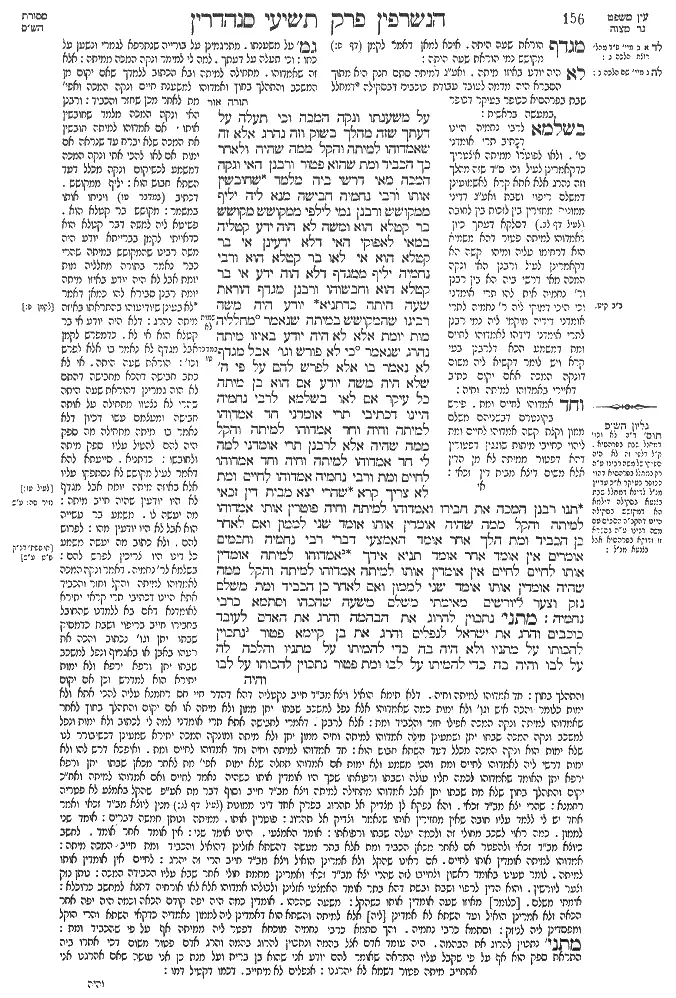
Sanhedrin 78b - Guemara
על משענתו ונקה המכה וכי תעלה על דעתך שזה מהלך בשוק וזה נהרג אלא זה שאמדוהו למיתה והקל ממה שהיה ולאחר כך הכביד ומת שהוא פטור ורבנן האי ונקה המכה מאי דרשי ביה מלמד שחובשין אותו ורבי נחמיה חבישה מנא ליה יליף ממקושש ורבנן נמי לילפי ממקושש מקושש בר קטלא הוא ומשה לא הוה ידע קטליה במאי לאפוקי האי דלא ידעינן אי בר קטלא הוא אי לאו בר קטלא הוא ורבי נחמיה יליף ממגדף דלא הוה ידע אי בר קטלא הוא וחבשוהו ורבנן מגדף הוראת שעה היתה כדתניא יודע היה משה רבינו שהמקושש במיתה שנאמר (שמות לא, יד) מחלליה מות יומת אלא לא היה יודע באיזו מיתה נהרג שנאמר (במדבר טו, לד) כי לא פורש וגו' אבל מגדף לא נאמר בו אלא לפרש להם על פי ה' שלא היה משה יודע אם הוא בן מיתה כל עיקר אם לאו בשלמא לרבי נחמיה היינו דכתיבי תרי אומדני חד אמדוהו למיתה וחיה וחד אמדוהו למיתה והקל ממה שהיה אלא לרבנן תרי אומדני למה לי חד אמדוהו למיתה וחיה וחד אמדוהו לחיים ומת ורבי נחמיה אמדוהו לחיים ומת לא צריך קרא שהרי יצא מבית דין זכאי תנו רבנן המכה את חבירו ואמדוהו למיתה וחיה פוטרין אותו אמדוהו למיתה והקל ממה שהיה אומדין אותו אומד שני לממון ואם לאחר כן הכביד ומת הלך אחר אומד האמצעי דברי רבי נחמיה וחכמים אומרים אין אומד אחר אומד תניא אידך אמדוהו למיתה אומדין אותו לחיים לחיים אין אומדין אותו למיתה אמדוהו למיתה והקל ממה שהיה אומדין אותו אומד שני לממון ואם לאחר כן הכביד ומת משלם נזק וצער ליורשים מאימתי משלם משעה שהכהו וסתמא כרבי נחמיה:
מתני׳ נתכוין להרוג את הבהמה והרג את האדם לעובד כוכבים והרג את ישראל לנפלים והרג את בן קיימא פטור נתכוין להכותו על מתניו ולא היה בה כדי להמיתו על מתניו והלכה לה על לבו והיה בה כדי להמיתו על לבו ומת פטור נתכוין להכותו על לבו
Comments from Rashi on Masechet Sanhedrin Page 78b
גמ' על משענתו . מתרגמינן על בורייה שנתרפא לגמרי ונשען על כחו: וכי תעלה על דעתך . למה לי למימר ונקה המכה ממיתה: אלא זה שאמדוהו . מתחילה למיתה ובא הכתוב ללמדך שאם יקום מן המשכב והתהלך בחוץ ואמדוהו למשענת חיים ונקה המכה ואפי' מת לאחר מכן שחזר והכביד: ורבנן האי ונקה המכה מלמד שחובשין אותו . אם אמדוהו למיתה חובשין את המכה שלא יברח עד שנראה אם ימות אם לאו להכי אתי ונקה המכה דמשמע לכשיקום ונקה מכלל דעד השתא חבוש הוא: יליף ממקושש . דכתיב (במדבר טו) ויניחו אותו במשמר: מקושש בר קטלא הוא . פשיטא ליה למשה דבר קטלא הוא כדאייתי לקמן בברייתא יודע היה משה רבינו שהמקושש במיתה שהרי כבר נאמר בתורה מחלליה מות יומת אבל לא היה יודע באיזו מיתה יומת רבנן סבירא להו כמאן דאמר לא בעינן שיודיעוהו בהתראתו באיזה מיתה נהרג: דלא היה יודע אי בר קטלא הוא אי לא . כדמפרש לקמן אבל מגדף לא נאמר בו אלא לפרש וכו': הוראת שעה היתה . אי לא כתב חבישה דהכא מחבישה דהתם לא הוה גמרינן דהוראת שעה היתה שהרי לא נצטוו מתחילה על אותה חבישה ומעצמם עשו דכיון דלא נאמר בו מיתה מתחילה מה ספק היה להם להטיל עליו ספק מיתה ולחובשו: כדתניא . סייעתא להא דאמר לעיל מקושש לא נסתפקו עליו אלא באיזה מיתה יומת אבל מגדף לא היו יודעין שהיה חייב מיתה: מה יעשה לו . משמע בר עשייה הוא אבל לא היו יודעין מהו: לפרוש להם . ולא כתוב מה יעשה משמע כל דינו היו צריכין לפרש להם: בשלמא לר' נחמיה . דאמר ונקה המכה לאמדוהו למיתה והקל וחזר והכביד אתא היינו דכתיבי תרי קראי יתירא לאומדנא דאם בא ללמדנו שהחובל בחבירו חייב בריפוי ושבת כדמסיק שבתו יתן וגו' נכתוב והכה את רעהו באבן או באגרוף ונפל למשכב שבתו יתן ורפא ירפא ולא ימות יתירא הוא למדרש וכן אם יקום והתהלך בחוץ: חד אמדוהו למיתה וחיה . דלא תימא הואיל ויצא מב"ד חייב נקטליה דהא דהדר חיי חס רחמנא עליה להכי אתא ולא ימות כלומר והכה איש וגו' ולא ימות כמה שאמדוהו אלא נפל למשכב שבתו יתן ממון ולא מיתה או אם יקום והתהלך בחוץ לאחר שאמדוהו למיתה ונקה המכה אפילו חזר והכביד ומת: אלא לרבנן . דאמרי לחבישה אתא תרי אומדני למה לי לכתוב ולא ימות ונפל למשכב ונקה המכה שבתו יתן ושמעינן מינה אמדוהו למיתה וחיה ממון יתן ולא מיתה ומונקה המכה יתירא שמעינן דכשיבורר לנו שלא ימות הוא ונקה המכה מכלל דעד השתא חבוש הוא: חד אמדוהו למיתה וחיה וחד אמדוהו לחיים ומת . ואיפכא דרש להו ולא ימות דרשי ליה לאמדוהו לחיים ומת והכי משמע ולא ימות אם אמדוהו תחלה שלא ימות אפי' מת לאחר מכאן שבתו יתן ורפא ירפא יתן האומד שאמדוהו לכמה חליו עולה ושבתו ורפואתו שכך היו אומדין אותו כשהיה נאמד לחיים ואם אמדוהו למיתה ואח"כ יקום והתהלך בחוץ שלא מת שבתו יתן אבל אמדוהו מתחילה למיתה ויצא מב"ד חייב וסוף דבר מת אע"פ שהקל באמצע לא פטריה רחמנא: שהרי יצא מב"ד זכאי . והא נפקא לן מצדיק אל תהרוג בפרק אחד דיני ממונות (לעיל סנהדרין דף לג:) מנין ליוצא מב"ד זכאי ואמר אחד יש לי ללמד עליו חובה שאין מחזירין אותו שנאמר וצדיק אל תהרוג: פוטרין אותו . ממיתה ונותן חמשה דברים: אומד שני לממון . כמה ראוי לשכב מחולי זה ולכמה יעלה שבתו ורפואתו: אומד האמצעי . היינו אומד שני: אין אומד אחר אומד . לחשב כיוצא מב"ד זכאי ולהפטר אם לאחר מכאן הכביד ומת אלא בתר מעשה דהשתא אזלינן דהואיל והכביד ומת חייב המכה מיתה: אמדוהו למיתה אומדין אותו לחיים . אם ראינו שהקל ולא אמרינן הואיל ויצא מב"ד חייב הרי זה יהרג: לחיים אין אומדין אותו למיתה . לומר טעינו באומד ראשון ולחייבו לזה שהרי יצא מב"ד זכאי ואמרינן מחמת חולי אחר שבא עליו הכבידה המכה: נותן נזק וצער ליורשין . והוא הדין לרפוי ושבת ובשת דהא בתר אומד האמצעי אזלינן ולכולהו אמדוהו אלא לאו אורחיה דתנא למחשב כרוכלא: מאימתי משלם . [כלומר] מאיזו שעה אומדין אותו כשהקל: משעה שהכהו . אומדין כמה היה יפה קודם הכאה וכמה היה יפה אחר הכאה ולא אמרינן הואיל ועד השתא לא אמדינן [ליה] אלא למיתה והשתא הוא דאמדינן ליה לממון נאמדיה כדקאי השתא והרי הוקל ומפסדינן ליה לניזק: וסתמא כרבי נחמיה . והך סתמא כרבי נחמיה מוכחא דפטר ליה ממיתה אף על פי שהכביד ומת: מתני' נתכוין להרוג את הבהמה . היה עומד אדם אצל בהמה ונתכוין להרוג בהמה והרג אדם פטור משום דכי אתרו ביה התראת ספק הוא אף על פי שקבל עליו התראה שאומר להם יודע אני שהוא בן ברית ועל מנת כן אני עושה שאם אהרגנו אני אתחייב מיתה פטור דשמא לא יהרגנו: אנפלים לא מיחייב דכמו דקטיל דמו:
Comments from Tosafot - Sanhedrin 78b
מגדף הוראת שעה היתה . איכא למאן דאמר לקמן (סנהדרין דף פ:) מקושש נמי הוראת שעה היתה: לא היה יודע באיזו מיתה . ואע"ג דמיתה סתם חנק היא מתוך הסברא היה מדמה לעובד עבודת כוכבים דבסקילה דמחלל שבת בפרהסיא ככופר בעיקר דכופר במעשה בראשית: בשלמא לרבי נחמיה היינו דכתיב תרי אומדני כו' . ולאו לפוטרו ממיתה איצטריך כדקאמרינן לעיל וכי ס"ד שזה מהלך וזה נהרג אלא אתא קרא לאשמועינן דמשלם ריפוי ושבת ואע"ג דדיני ממונות מחזירין בין לזכות בין לחובה (לעיל סנהדרין דף לב.) דסלקא דעתך כיון דאמדוהו למיתה פטור דהא משמיא הוא דרחימו עליה ומיהו קשה הא דקאמרינן לעיל ורבנן האי ונקה המכה מאי דרשי ביה הא בין רבנן ור' נחמיה אית להו תרי אומדני וכי היכי דמוקי ליה ר' נחמיה לתרי אומדני דידיה מוקמי ליה נמי רבנן לתרי אומדני דידהו לאמדוהו לחיים ומת דמשמע הכא דלרבנן בעי קרא ויש לומר דקשיא ליה משום דונקה המכה אאם יקום כתיב דאיירי באמדוהו למיתה וחיה: וחד אמדוהו לחיים ומת . פירש בקונטרס דבשניהם משלם ממון וקצת קשה אמדוהו לחיים ומת ליהוי כחייבי מיתות שוגגין דפטורין דהא דפטור ממיתה לא מן הדין אלא משום דיצא מבית דין זכאי:
Sanhedrin 78b - Mishnah translated into english
upon his staff, then he that struck him is absolved; only for his loss of livelihood shall he give and he shall heal him” (Exodus 21:19). The phrase: “Then he that struck him is absolved,” is superfluous; would it enter your mind to say that this individual whom he struck is walking in the marketplace, and that individual who struck him will be executed as a murderer? Rather, this is referring to a case where the doctors assessed his condition, saying that it would lead to death, and his condition eased somewhat from what it was and he walked in the marketplace, and thereafter his condition worsened and he died, and the verse is teaching that he is exempt.
The Gemara asks: And as for the Rabbis who disagree with Rabbi Neḥemya and hold that he is liable in that case, what do they interpret from that phrase: “Then he that struck him is absolved”? The Gemara explains that according to the Rabbis, the verse teaches that they incarcerate him until the fate of the victim can be determined, and the phrase: “Then he that struck him is absolved,” means that he is freed from incarceration.
The Gemara asks: And as for Rabbi Neḥemya, from where does he derive the halakha of incarceration? The Gemara answers: He derives it from the incident of the wood gatherer in the wilderness with regard to whom it is written: “And they placed him under guard” (Numbers 15:34).
The Gemara challenges: And the Rabbis too, let them derive the halakha of incarceration from the incident of the wood gatherer. The Gemara explains: With regard to the wood gatherer, he was incarcerated because it was known from the outset that he was liable to be killed, and Moses did not know with what form of capital punishment his death would be implemented. This is to the exclusion of this individual who struck another, with regard to whom we do not know if he is liable to be killed or if he is not liable to be killed. Therefore, one cannot derive the halakha in this case from the case of the wood gatherer.
The Gemara asks: And Rabbi Neḥemya, from where does he derive the halakha? He too should not be able to derive the halakha from the case of the wood gatherer. The Gemara answers: Rabbi Neḥemya derives the halakha with regard to one who strikes another from the incident of the blasphemer (see Leviticus 24:12), where Moses did not know if he was liable to be killed, and he nevertheless imprisoned the blasphemer.
The Gemara asks: And the Rabbis, why don’t they derive the halakha from the incident of the blasphemer? The Gemara answers: The Rabbis hold that the case of the blasphemer was a provisional edict.
The difference between the uncertainty in the case of the wood gatherer and the uncertainty in the case of the blasphemer is as it is taught in a baraita: Moses our teacher knew that the wood gatherer was liable to be sentenced to death, as it is stated: “And you shall observe the Shabbat as it is sacred to you; one who desecrates it shall be put to death” (Exodus 31:14). But he did not know with which death penalty he was to be killed, as it is stated: “And they placed him under guard, as it had not been declared what should be done to him” (Numbers 15:34). But concerning the blasphemer it is stated only: “And they placed him under guard that it might be declared to them according to the Lord” (Leviticus 24:12), as Moses did not know if the blasphemer was liable to be killed at all, or not.
The Gemara asks: Granted, according to Rabbi Neḥemya, that is the reason that two assessments are written. It is written in one verse: “And if men quarrel and one strikes the other with a stone or with his fist, and he did not die but is bedridden” (Exodus 21:18), indicating that after the initial blow the victim is assessed to determine whether or not he is expected to die. In the following verse it is written: “If he rises and walks outside upon his staff, then he that struck him is absolved” (Exodus 21:19), indicating that there is an additional assessment to determine whether or not he fully recovers. One verse is where they assessed his condition, saying that it would lead to death, and he recovered fully; and one verse is where they assessed his condition, saying that it would lead to death, and his condition eased from what it was and he died thereafter. But according to the Rabbis, why do I need two assessments?
The Gemara answers: According to the Rabbis, one assessment is where they assessed his condition, saying that it would lead to death and he recovered fully, in which case the assailant is certainly not executed but pays compensation. And one assessment is where they assessed his condition, saying that it would lead to life and he died, in which case the assailant is also not executed but pays compensation.
The Gemara asks: And Rabbi Neḥemya, from where does he derive these two halakhot? The Gemara answers: He holds that in the case where they assessed his condition, saying that it would lead to life, and he died, one does not need an explicit verse to exempt the assailant from execution, as he emerged from the court after the first hearing innocent when they predicted that the victim would live, and the court does not rescind its initial ruling and convict him.
The Sages taught: In the case of one who strikes another and they assessed his condition, saying that it would lead to death, and he recovered fully, the court exempts the assailant. If they assessed his condition saying that it would lead to death and his condition eased from what it was, they assess the victim with a second assessment to determine the monetary restitution for damages. And if thereafter his medical condition worsened and he died, the halakha is: Follow the assessment that was assessed at the intermediate stage, which determined that the victim would live, and the assailant is not executed; this is the statement of Rabbi Neḥemya. And the Rabbis say: There is no assessment after assessment. The death of the victim proves that the assessment at the intermediate stage was erroneous, and the assailant is executed.
It is taught in another baraita: If they assessed his condition, saying that it would lead to death, and his condition improved, they assess his condition to determine whether it would lead to life. If they assessed his condition, saying that it would lead to life, and his condition deteriorated, they do not then assess his condition to determine whether it would lead to death, but the assailant is exempted based on the initial determination. If they assessed his condition, saying that it would lead to death, and his condition eased from what it was, they assess the victim with a second assessment to determine the monetary restitution for damages, as the assailant is certainly liable to pay restitution for the injury that he caused. And if thereafter his medical condition worsened and he died, the assailant pays restitution to the heirs for injury and suffering that he caused.
The Gemara asks: From when is the initial assessment of the value of the victim performed to determine the sum of the damages that the assailant pays? It is the assessment of his value from the moment that the assailant struck him. The Gemara notes: And this unattributed baraita is in accordance with the opinion of Rabbi Neḥemya, as according to the opinion of the Rabbis, he is liable to be executed even if there was a temporary improvement in his condition before he died.
MISHNA: If one intended to kill an animal, and he killed a person standing adjacent to it, or if he intended to kill a gentile, for whose murder he is not liable to be executed in court, and he killed a Jew, or if he intended to kill non-viable newborns, for whose murder one is not liable, and he killed a viable person, the assailant is exempt from execution, since his intent was to kill one for whose murder he is not liable.
If one intended to strike another on his loins, and the blow was not powerful enough to kill him if it were to land on his loins, but instead the blow landed on his chest over the victim’s heart, and it was powerful enough to kill him when it landed on his chest over his heart, and the victim died as a result of the blow, the assailant is exempt from execution, as he did not intend to strike the victim a blow that would cause his death. If he intended to strike him on his chest over his heart
Traduction : The William Davidson digital edition of the Koren Noé Talmud, with commentary by Rabbi Adin Even-Israel Steinsaltz.