 Talmud Bavli
The learning on the whole site is dedicated : L'ilui Nishmat Reuven ben Rivka SEBBAG
The learning on the whole site is dedicated : L'ilui Nishmat Chemouel Eliezer ben Batcheva
The learning on the whole site is dedicated : L'ilui Nishmat Yaakov ben Myriam
Sanhedrin 41b : Youtube
Daf TubeYoutube
2 video classes :
Sanhedrin Page 41b
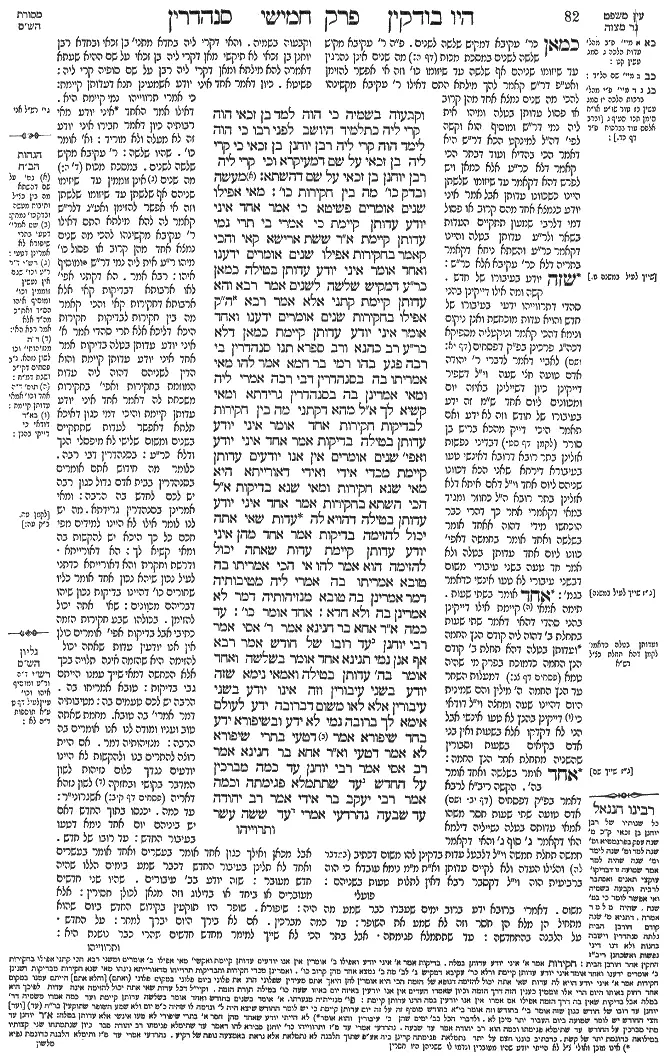
Sanhedrin 41b - Guemara
וקבעוה בשמיה כי הוה למד בן זכאי הוה קרי ליה כתלמיד היושב לפני רבו כי הוה לימד הוה קרי ליה רבן יוחנן בן זכאי כי קרי ליה בן זכאי על שם דמעיקרא וכי קרי ליה רבן יוחנן בן זכאי על שם דהשתא:
מעשה ובדק כו' מה בין חקירות כו':
מאי אפילו שנים אומרים פשיטא כי אמר אחד איני יודע עדותן קיימת כי אמרי בי תרי נמי עדותן קיימת א"ר ששת ארישא קאי והכי קאמר בחקירות אפילו שנים אומרים ידענו ואחד אומר איני יודע עדותן בטילה כמאן כר"ע דמקיש שלשה לשנים אמר רבא והא עדותן קיימת קתני אלא אמר רבא ה"ק אפילו בחקירות שנים אומרים ידענו ואחד אומר איני יודע עדותן קיימת כמאן דלא כר"ע רב כהנא ורב ספרא תנו סנהדרין בי רבה פגע בהו רמי בר חמא אמר להו מאי אמריתו בה בסנהדרין דבי רבה אמרי ליה ומאי אמרינן בה בסנהדרין גרידתא ומאי קשיא לך א"ל מהא דקתני מה בין חקירות לבדיקות חקירות אחד אומר איני יודע עדותן בטילה בדיקות אמר אחד איני יודע ואפי' שנים אומרים אין אנו יודעים עדותן קיימת מכדי אידי ואידי דאורייתא היא מאי שנא חקירות ומאי שנא בדיקות א"ל הכי השתא בחקירות אמר אחד איני יודע עדותן בטילה דהויא לה עדות שאי אתה יכול להזימה בדיקות אמר אחד מהן איני יודע עדותן קיימת עדות שאתה יכול להזימה הוא אמר להו אי הכי אמריתו בה טובא אמריתו בה אמרי ליה מטיבותיה דמר אמרינן בה טובא מנזיהותיה דמר לא אמרינן בה ולא חדא:
אחד אומר כו':
עד כמה א"ר אחא בר חנינא אמר ר' אסי אמר רבי יוחנן עד רובו של חודש אמר רבא אף אנן נמי תנינא אחד אומר בשלשה ואחד אומר בה' עדותן בטילה ואמאי נימא שזה יודע בשני עיבורין וזה אינו יודע בשני עיבורין אלא לאו משום דברובה ידע לעולם אימא לך ברובה נמי לא ידע ובשיפורא ידע בחד שיפורא אמר דטעי בתרי שיפורא לא אמר דטעי וא"ר אחא בר חנינא אמר רב אסי אמר רבי יוחנן עד כמה מברכין על החדש עד שתתמלא פגימתה וכמה אמר רבי יעקב בר אידי אמר רב יהודה עד שבעה נהרדעי אמרי עד ששה עשר
Comments from Rashi on Masechet Sanhedrin Page 41b
וקבעוה בשמיה . והאי דקרי ליה בחדא מתני' בן זכאי ובחדא רבן יוחנן בן זכאי לא תיקשי מאן דקרי ליה בן זכאי על שם ההיא שעתא דאמרה להא מילתא ומאן דקרי ליה רבן על שם סופיה קרי ליה: פשיטא . כיון דאמר אחד איני יודע אשמעינן תנא דעדותן קיימת: כי אמרי תרווייהו נמי קיימת היא . דאילו אמר האחד איני יודע מאי רבותיה כיון דאמר חבירו איני יודע זה לא מעלה ולא מוריד: וא' אומר כו' . שהיו שלשה: ר' עקיבא מקיש שלשה לשנים . במסכת מכות (ד' ה:) מה שנים אינן זוממין עד שיזימו שניהם אף שלשתן עד שיזומו שלשתן וזה אי אפשר להזימן ואע"ג דלר"ש קאמר לה להא מילתא התם דאילו ר' עקיבא מקשינהו להכי מה שנים נמצא אחד מהן קרוב או פסול כו' מיהו ר"ע אית ליה נמי דר"ש ומוסיף איהו: רבא אמר . הא דקתני אפי' לאו ארבותא דבדיקות קאי אלא ארבותא דחקירות קאי והכי קאמר מה בין חקירות לבדיקות חקירות היכא דליכא אלא תרי סהדי אמר א' איני יודע עדותן בטלה בדיקות אמר אחד איני יודע עדותן קיימת והוא הדין לשניהם דהוה ליה עדות המוזמת בחקירות ואפי' בחקירות משכחת לה דאמר אחד איני יודע עדותן קיימת והיכי דמי כגון דאיכא תלתא דאפשר לעדות שתתקיים בשנים ומשום שלישי לא מיפסלי הנך ודלא כר"ע: בסנהדרין דבי רבה . כלומר מה חידוש אתם אומרים בסנהדרין בבית אדם גדול כגון רבה יש לכם לחדש בה הרבה: ומאי אמרינן בסנהדרין גרידתא . מה יש לנו לומר אילו לא היינו למידים מפי חכם כל כך היכא יש להקשות בה ומאי קשיא לך: הא דאורייתא . ודרשת וחקרת והא דאורייתא כדתני לעיל נכון שיהא נכון אחד אומר כליו שחורים כו' דהיינו בדיקות נכון שיהו דבריהם מכוונים: שאי אתה יכול להזימן . בכולהו שבע חקירות הזמה כתיבי אבל בדיקות אפי' אומרים כולן אין אנו יודעין עדות שאתה יכול להזימה היא שהזמה אינה תלויה בכך אלא הכחשה דמאי שייך עמנו הייתם גבי בדיקות: טובא אמריתו בה . הרבה יש לכם טעמים בה: מטיבותיה דמר אמרי' בה טובא . מחמת שאתה טוב ועניו ומודה לנו אנו אומרים בה הרבה: מנזיהותיה דמר . אם היית רוצה להתריס בנו ולהקשות לא היינו יודעים נגדך כלום. נזיהות לשון המדבר בקושי ובחזקה לשון נזהא דאריה (פסחים דף קיב:) אשגרוני"ר: עד כמה . יכנסו בתוך החדש דאם יש ביניהם יום אחד נימא דטעו בעיבור החדש: עד רובו של חדש . אבל מכאן ואילך כגון אחד אומר בעשרים ואחד אומר בעשרים ואחד לא תלינן בעיבור החדש דכבר שמע בימים הללו שהיה חדש מעובר: שזה יודע בב' עיבורים . שהיו שני חדשים מעוברים או ביחד או בדילוג וזה מנאן לכולן חסירין: אלא משום . דאמרי ברובא ידע ברוב ימים שעברו כבר שמע מה היה: שיפורא . שופר היו תוקעין בקידוש החדש ביום שהוא מתחיל הן מלא הן חסר וזה לא שמע את השופר: עד כמה מברכין . אם לא בירך היום יברך למחר: על החדש . על הלבנה בהתחדשה: עד שתתמלא פגימתה . אבל בתר הכי לא שייך למימר מחדש חדשים שהרי כבר נושנת היא:
Comments from Tosafot - Sanhedrin 41b
כמאן כר' עקיבא דמקיש שלשה לשנים . פ"ה ר' עקיבא מקיש שלשה לשנים במסכת מכות (דף ה:) מה שנים אינן נהרגין עד שיזומו שניהם אף שלשה עד שיזומו כו' וזה אי אפשר להזימן ואע"פ דר"ש קאמר להך מילתא התם דאילו ר' עקיבא מקשינהו להכי מה שנים נמצא אחד מהן קרוב או פסול עדותן בטלה ומיהו אית ליה נמי דר"ש ומוסיף הוא וקשה לפי' דה"ל למינקט הכא דר"ש היא דאמר הכי בהדיא ועוד דבתר הכי קאמר דלא כר"ע אלא כמאן ויש לפרש דהא דקאמר עד שיזומו שלשתן היינו כשכוונו עדותן אבל אמר איני יודע כנמצא אחד מהם קרוב או פסול דמי דלרבי שמעון תתקיים העדות בשאר ולר"ע עדותן בטלה והיינו דקאמר כר"ע והשתא ניחא דקאמר בתריה דלא כר' עקיבא אלא כר"ש: שזה יודע בעיבורו של חדש . קשה ומה אילו דייקינן בהני סהדי דתרווייהו ידעי בעיבורו של חדש והויא עדות מוכחשת ואנן ניקום ונימא דהכי קאמר וניקטליה מספיקא דכה"ג פרכינן בפ"ק דפסחים (דף יא: ושם) לאביי דאמר לדברי ר' יהודה אדם טועה חצי שעה וי"ל דשפיר דייקינן כיון דשיילינן באיזה יום ומכוונים ליום אחד ש"מ זה ידע בעיבורו של חודש וזה לא ידע ואם תאמר היכי דייק מהכא בריש בן סורר (לקמן סנהדרין דף סט.) דבדיני נפשות אזלינן בתר רובא דרובא דאינשי טעו בעיבורא דירחא שאני הכא דכוונו שניהם ליום אחד וי"ל דאם איתא דלא אזלינן בתר רובא ה"ל כחוזר ומגיד במאי דקאמרי אחר כך דהרי כבר הוכחשו מידי דהוה אאחד אומר בשלשה ואחד אומר בחמשה דאפי' כוונו ליום אחד עדותן בטלה ולא אמר חד טעה בשני עיבורי משום דבשני עיבורי לא טעו אינשי כדאמר בגמ': אחד אומר בשתי שעות . תימה אמאי קיימת אילו דייקינן בהני סהדי דהאי דאמר שתי שעות בתחלת ב' דהוה ליה קודם הנץ החמה ועדותן בטלה דהא תחלת ב' קודם הנץ החמה כדמוכח בפרק מי שהיה טמא (פסחים דף צג:) דמעלות השחר עד הנץ החמה ה' מילין והם שמינית היום דהיינו שעה ומחצה וי"ל דודאי כי דייקינן בהנץ לא טעו אינשי אבל הני לא דקדקו אלא בשעות ואין בני אדם בקיאים בשעות וסבורין שהשניה מתחלת אחר הנץ החמה: אחד אומר בשלשה ואחד אומר בה' . הקשה ריב"א לרבא דאמר בפ"ק דפסחים (דף יב. ושם) אדם טועה שתי שעות חסר משהו אמאי עדותם בטלה נשייליה דילמא האי דקאמר ג' סוף ג' והאי דקאמר חמשה תחלת חמשה וי"ל דלבטל עדות בדקינן להו משום דכתיב (במדבר לה) והצילו העדה ולא לקיים עדותן וא"ת מ"מ נימא עובדא כי הוה ברביעית הוה וי"ל דקסבר רבא דאין לתלות טעות בשניהם:
Sanhedrin 41b - Mishnah translated into english
and Rabbi Yehuda HaNasi established it in the mishna in his name. When he was studying, they called him ben Zakkai, in the manner that they would call a student sitting before his teacher, and when he was teaching others they called him Rabban Yoḥanan ben Zakkai. In terms of the baraita and the mishna, when they called him ben Zakkai in the Mishna, that was based on the name that he was called initially. And when they called him Rabban Yoḥanan ben Zakkai in the other baraita, that was based on the name that he was called now.
§ The mishna teaches: An incident occurred, and ben Zakkai examined the witnesses about the stems of figs. What is the difference between interrogations and examinations? In the case of interrogations, if one of the witnesses says: I do not know the answer, their testimony is void immediately. In the case of examinations, if one says: I do not know the answer, and even if two witnesses say: We do not know the answer, their testimony still stands. The Gemara asks: What is the meaning of: Even if two say? Isn’t it obvious? The mishna already stated that when one witness says: I do not know, their testimony stands, indicating that knowledge of the answers to these types of questions is not required. Accordingly, when two witnesses say that they do not know, their testimony stands as well. What is the novelty of this ruling?
Rav Sheshet said: This clause is referring to the first clause of the mishna, and this is what it is saying: With regard to the interrogations, even if two witnesses say: We know, and one additional witness says: I do not know, their testimony is void. In accordance with whose opinion is this mishna written? In accordance with the opinion of Rabbi Akiva, who compares in all court proceedings three witnesses to two, holding that just as two witnesses must testify a fully valid testimony, so it is with three. Therefore, if the third witness does not know the answer to an interrogation, the testimony of all three is void.
Rava says: But the mishna teaches: Their testimony stands, not: Their testimony is void. Rather, Rava said: This is what the mishna is saying: Even with regard to the interrogations, if two witnesses say: We know, and one witness says: I do not know, their testimony stands, as the court accepts the testimony of the two. In accordance with whose opinion is this mishna written? Not in accordance with the opinion of Rabbi Akiva.
The Gemara relates: Rav Kahana and Rav Safra studied tractate Sanhedrin in the school of Rabba. Rami bar Ḥama encountered them. Rami bar Ḥama said to them: What do you say concerning tractate Sanhedrin that you learned in the school of Rabba? Rav Kahana and Rav Safra said to him: And what do we say concerning the regular tractate Sanhedrin? And what is difficult for you? Do you have a specific difficulty you would like answered?
Rami bar Ḥama said to them: I have a difficulty from that which is taught in the mishna: What is the difference between interrogations and examinations? In the case of interrogations, if one of the witnesses says: I do not know the answer, their testimony is void immediately. In the case of examinations, if one says: I do not know the answer, and even if two say: We do not know the answer, their testimony still stands. Rami bar Ḥama asks: After all, this type of question and that type of question are required by Torah law; what is different about interrogations and what is different about examinations? Why is there a difference in halakha between the two?
Rav Kahana and Rav Safra said to him: How can these cases be compared? With regard to the interrogations, if one witness says: I do not know, their testimony is void, as it is testimony that you cannot render conspiratory testimony. If the witnesses do not state a specific time and place, there is no way for other witnesses to claim that the first witnesses had been with them elsewhere at the time they claim the event occurred. By contrast, with regard to the examinations, if one of the witnesses says: I do not know, their testimony stands, as it is testimony that you can render conspiratory testimony.
Rami bar Ḥama said to them: If you said an incisive statement like this about this tractate, you said much about it. Rav Kahana and Rav Safra said to him: Due to the Master’s goodness, that is, due to your good will and desire to accept our answer to your question, we said much about it. But with the Master’s rebuke and challenge we would not say even one answer about it, i.e., if you had wished to criticize this answer you could have refuted it, and it would be as if we did not say any answer.
§ The mishna teaches that if one witness says the event occurred on the second of the month and one witness says that the event occurred on the third of the month, their testimony stands, since it is possible to say that one witness knows of the addition of a day to the previous month, while the other witness does not know of it. Their testimony is considered congruent. The Gemara asks: Until how many days into the month does the court assume that one of the witnesses does not know when the month began? Rabbi Aḥa bar Ḥanina says that Rabbi Asi says that Rabbi Yoḥanan says: Until the majority of the month has passed.
Rava says: We learn this in the mishna as well, as it teaches: If one witness says the event occurred on the third of the month and one witness says the event occurred on the fifth of the month, their testimony is void. But why is it void? Let us say that it not a contradiction, as this witness knows of two additions, i.e., that a day was added to the two previous months, and that witness does not know of the two additions. Rather, is it not void because once the majority of the month passed a witness knows what day it is, so that an error of two days cannot occur?
The Gemara rejects this proof: Actually, I could say to you that a witness may not know the day even once the majority of the month has passed. The reason for the ruling of the mishna is that he knows about the shofar [ubeshipura], which the court would blow at the New Moon. It is possible that with regard to one blast of the shofar it could be said that he erred and was not aware of it. With regard to two blasts of the shofar it cannot be said that he erred. By contrast, in the case of the mishna here, perhaps as long as the witnesses are testifying about two consecutive days within one month, the error of one of them persisted throughout the month.
§ Having cited a statement of Rabbi Aḥa bar Ḥanina, citing Rabbi Asi, citing Rabbi Yoḥanan, the Gemara cites another statement in his name: Rabbi Aḥa bar Ḥanina says that Rav Asi says that Rabbi Yoḥanan says: Until how many days into a new month may one recite a blessing on the month, i.e., Birkat HaLevana? Until the flaw of the moon is filled, when it no longer appears deficient. And until how many days is that? Rav Ya’akov bar Idi says that Rav Yehuda says: Until seven days of the month have passed. The Sages of Neharde’a say: Until sixteen days of the month have passed.
Traduction : The William Davidson digital edition of the Koren Noé Talmud, with commentary by Rabbi Adin Even-Israel Steinsaltz.