 Talmud Bavli
The learning on the whole site is dedicated : L'ilui Nishmat Reuven ben Rivka SEBBAG
The learning on the whole site is dedicated : L'ilui Nishmat Amram ben Itshak Loubaton
The learning on the whole site is dedicated : L'ilui Nishmat רינה בת לדיסיה
Sanhedrin 100b : Youtube
Daf TubeYoutube
2 video classes :
Sanhedrin Page 100b
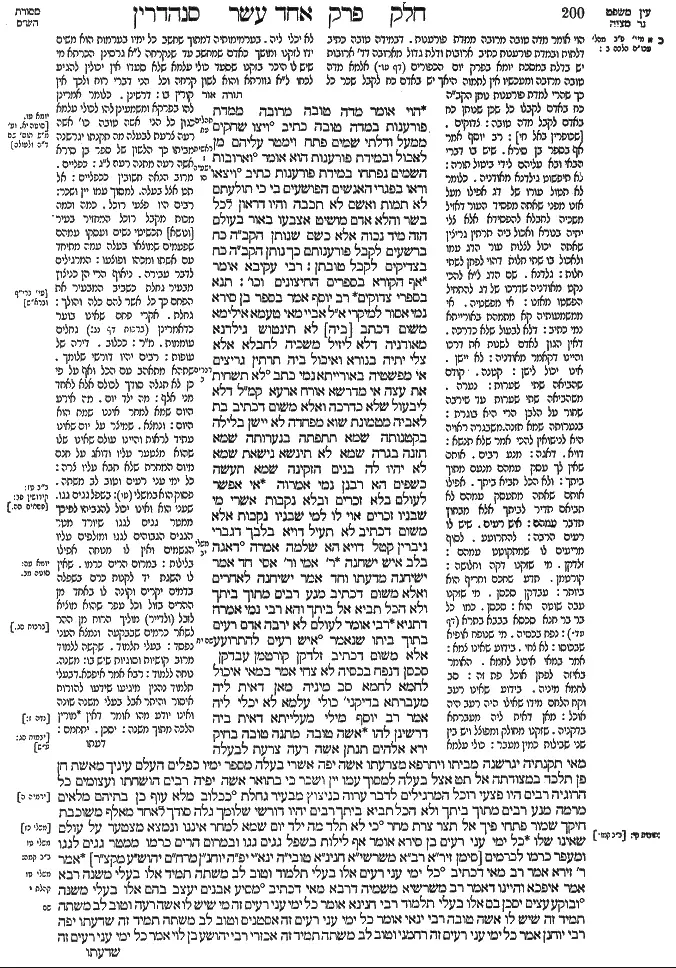
Sanhedrin 100b - Guemara
הוי אומר מדה טובה מרובה ממדת פורענות במדה טובה כתיב (תהלים עח, כג) ויצו שחקים ממעל ודלתי שמים פתח וימטר עליהם מן לאכול ובמידת פורענות הוא אומר (בראשית ז, יא) וארובות השמים נפתחו במידת פורענות כתיב (ישעיהו סו, כד) ויצאו וראו בפגרי האנשים הפושעים בי כי תולעתם לא תמות ואשם לא תכבה והיו דראון לכל בשר והלא אדם מושיט אצבעו באור בעולם הזה מיד נכוה אלא כשם שנותן הקב"ה כח ברשעים לקבל פורענותם כך נותן הקב"ה כח בצדיקים לקבל טובתן:
רבי עקיבא אומר אף הקורא בספרים החיצונים וכו':
תנא בספרי מינים רב יוסף אמר בספר בן סירא נמי אסור למיקרי א"ל אביי מאי טעמא אילימא משום דכתב [ביה] לא תינטוש גילדנא מאודניה דלא ליזיל משכיה לחבלא אלא צלי יתיה בנורא ואיכול ביה תרתין גריצים אי מפשטיה באורייתא נמי כתב (דברים כ, יט) לא תשחית את עצה אי מדרשא אורח ארעא קמ"ל דלא ליבעול שלא כדרכה ואלא משום דכתיב בת לאביה מטמונת שוא מפחדה לא יישן בלילה בקטנותה שמא תתפתה בנערותה שמא תזנה בגרה שמא לא תינשא נישאת שמא לא יהיו לה בנים הזקינה שמא תעשה כשפים הא רבנן נמי אמרוה אי אפשר לעולם בלא זכרים ובלא נקבות אשרי מי שבניו זכרים אוי לו למי שבניו נקבות אלא משום דכתיב לא תעיל דויא בלבך דגברי גיברין קטל דויא הא שלמה אמרה (משלי יב, כה) דאגה בלב איש ישחנה ר' אמי ור' אסי חד אמר ישיחנה מדעתו וחד אמר ישיחנה לאחרים ואלא משום דכתיב מנע רבים מתוך ביתך ולא הכל תביא אל ביתך והא רבי נמי אמרה דתניא רבי אומר לעולם לא ירבה אדם רעים בתוך ביתו שנאמר (משלי יח, כד) איש רעים להתרועע אלא משום דכתיב זלדקן קורטמן עבדקן סכסן דנפח בכסיה לא צחי אמר במאי איכול לחמא לחמא סב מיניה מאן דאית ליה מעברתא בדיקני' כולי עלמא לא יכלי ליה אמר רב יוסף מילי מעלייתא דאית ביה דרשינן להו אשה טובה מתנה טובה בחיק ירא אלהים תנתן אשה רעה צרעת לבעלה מאי תקנתיה יגרשנה מביתו ויתרפא מצרעתו אשה יפה אשרי בעלה מספר ימיו כפלים העלם עיניך מאשת חן פן תלכד במצודתה אל תט אצל בעלה למסוך עמו יין ושכר כי בתואר אשה יפיה רבים הושחתו ועצומים כל הרוגיה רבים היו פצעי רוכל המרגילים לדבר ערוה כניצוץ מבעיר גחלת (ירמיהו ה, כז) ככלוב מלא עוף כן בתיהם מלאים מרמה מנע רבים מתוך ביתך ולא הכל תביא ביתך רבים יהיו דורשי שלומך גלה סודך לאחד מאלף משוכבת חיקך שמור פתחי פיך אל תצר צרת מחר (משלי כז, א) כי לא תדע מה ילד יום שמא למחר איננו ונמצא מצטער על עולם שאינו שלו (משלי טו, טו) כל ימי עני רעים בן סירא אומר אף לילות בשפל גגים גגו ובמרום הרים כרמו ממטר גגים לגגו ומעפר כרמו לכרמים [סימן זיר"א רב"א משרשי"א חנינ"א טובי"ה ינא"י יפ"ה יוחנ"ן מרח"ם יהוש"ע מקצ"ר] אמר ר' זירא אמר רב מאי דכתיב (משלי טו, טו) כל ימי עני רעים אלו בעלי תלמוד וטוב לב משתה תמיד אלו בעלי משנה רבא אמר איפכא והיינו דאמר רב משרשיא משמיה דרבא מאי דכתיב (קהלת י, ט) מסיע אבנים יעצב בהם אלו בעלי משנה (קהלת י, ט) ובוקע עצים יסכן בם אלו בעלי תלמוד רבי חנינא אומר כל ימי עני רעים זה מי שיש לו אשה רעה וטוב לב משתה תמיד זה שיש לו אשה טובה רבי ינאי אומר כל ימי עני רעים זה אסטניס וטוב לב משתה תמיד זה שדעתו יפה רבי יוחנן אמר כל ימי עני רעים זה רחמני וטוב לב משתה תמיד זה אכזרי רבי יהושע בן לוי אמר כל ימי עני רעים זה
Comments from Rashi on Masechet Sanhedrin Page 100b
הוי אומר מדה טובה מרובה ממדת פורענות . דבמידה טובה כתיב דלתות ובמדת פורענות כתיב ארובות ודלת גדול מארובה דד' ארובות יש בדלת במסכת יומא בפרק יום הכפורים (דף עו.) אלמא מדה טובה מרובה ומעכשיו אין לתמוה היאך יש באדם כח לקבל שכר כל כך שהרי למדת פורענות נותן הקב"ה כח באדם לקבלו כל שכן שנותן כח באדם לקבל מדה טובה: צדוקים . [שכופרין באל חי]: רב יוסף אמר אף בספר בן סירא . שיש בו דברי הבאי ובא עליהם לידי ביטול תורה: לא תיפשוט גילדנא מאודניה . כלומר לא תטול עורו של דג אפילו מעל אזנו מפני שאתה מפסיד העור דאזיל משכיה לחבלא להפסידא אלא צלי יתיה בנורא ואכול ביה תרתין גריצין שאתה יכול לצלות עור הדג עמו ולאכול בו שתי חלות דהוי לפתן לשתי חלות: גלדנא . שם הדג ל"א להכי נקט מאודניה שדרכו של דג להתחיל הפשטו מאזנו: אי מפשטיה . אי ממשמעותיה קא מתמהת באורייתא נמי כתיב: דלא לבעול שלא כדרכה . דאין הגון לאדם לשנות את דרכו והיינו דקאמר מאודניה: לא יישן . אינו יכול לישן: קטנה . קודם שהביאה שתי שערות: נערה . משהביאה שתי שערות עד שירבה שחור על הלבן הרי היא בוגרת: בנערותה שמא תזנה . משבגרה ראויה היא לנישואין להכי אמר שלא תנשא: דויא . דאגה: מנע רבים . אותם שאין לך עסק עמהם מנעם מתוך ביתך: ולא הכל תביא ביתך . אפילו אותם שאתה מתעסק עמהם לא תביאם תדיר לביתך אלא מבחוץ תדבר עמהם: איש רעים . שיש לו רעים הרבה: להתרועע . לסוף מריעים לו שמתקוטט עמהם: זלדקן . מי שזקנו דקה וחלושה: קורטמן . תדע שחכם וחריף הוא ביותר: עבדקן סכסן . מי שזקנו עבה שוטה הוא: סכסן . כמו כל בר בר חנא סכסא בבבא בתרא (דף עד.): נפח בכסיה . מי שנופח אופיא שבכוסו: לא צחי . בידוע שאינו צמא: אמר במאי איכול לחמא . האומר באיזה לפתן אוכל פת זה: סב לחמא מיניה . בידוע שאינו רעב וקח הלחם מידו שאילו היה רעב היה אוכל: מאן דאית ליה מעברתא בדקניה . שזקנו מחולק ומפוצל ויש בין שני שבילות כמין מעבר: כולי עלמא לא יכלי ליה . בערמימותיה דמתוך שחשב כל ימיו בערמות הוא משים ידו לזקנו ומושך כאדם שמחשב עד שנקרחה ל"א גרסינן הכרתא מי שיש לו היכר בזקנו שסעד כולי עלמא שלא סעדו אין יכולין להגיע לכחו ל"א גוורתא והוא לשון קרחה וכל הני דברי רוח ולכך אין קורין בו: דרשינן . כלומר אמרינן להו בפרקא ומשמעינן להו לכולי עלמא כגון כל הני אשה טובה כו' אשה רעה צרעת לבעלה מה תקנתו יגרשנה מביתו כך הלשון של ספר בן סירא אשה רעה מתנה רעה ל"ג: כפליים . מרוב הנאה חשובין ככפליים: אל תט אצל בעלה . למסוך עמו יין ושכר: רבים היו פצעי רוכל . כמה וכמה מכות מקבל רוכל המחזיר בעיר [ונושא] תכשיטי נשים ועסקו עמהם שפעמים שמוצאו בעלה עמה מתיחד עם אשתו ומכהו ופוצעו: המרגילים לדבר עבירה . ניאוף הרי הן כניצוץ מבעיר גחלת כשביב המבעיר את הפחם כך כל אשר להם כלה והולך: גחלת . אקרי פחם שאינו בוער כדאמרינן (ברכות דף נג:) גחלים עוממות. מ"ר: ככלוב . דירה של עופות: ולא הכל תביא ביתך . אפילו אותם שאתה מתעסק עמהם לא תביאם תדיר לביתך אלא מבחוץ תדבר עמהם: רבים יהיו דורשי שלומך . שתהא מתאהב עם הכל ואף על פי כן לא תגלה סודך לכולם אלא לאחד מני אלף: מה ילד יום . מה אירע היום שמא למחר איננו שמת הוא היום: ונמצא . שמיצר על יום שאינו עתיד לראות והיינו עולם שאינו שלו שהוא מצטער עליו ודואג על חנם מיום המחרת שלא תבא עליו צרה: כל ימי עני רעים וטוב לב משתה . פסוק הוא במשלי (טו): בשפל גגים גגו . שעני הוא ואינו יכול להגביהו לפיכך ממטר גגים לגגו שיורד מטר הגגים הגבוהים לגגו ומזלפים עליו הגשמים ואין לו מנוחה אפילו בלילות: במרום הרים כרמו . שאין לו השגת יד לקנות כרם בשפלה בדמים יקרים וקונה לו באחד מן ההרים בזול וכל עפר שהוא מוציא לזבל (ולדייר) מוליך הרוח מן ההר לשאר כרמים שבבקעה ונמצא העני נפסד: בעלי תלמוד . שקשה ללמוד מרוב קושיות וסוגיות שיש בו: משנה . נוחה ללמוד: רבא אמר איפכא . דבעלי תלמוד נהנין מיגיעו שידעו להורות איסור והיתר אבל בעלי משנה שונה ואינו יודע מהו אומר דאין מורין הלכה מתוך משנה: יסכן . יתחמם:
Sanhedrin 100b - Mishnah translated into english
You must say that the attribute of reward is greater than the attribute of punishment, as with regard to the attribute of reward it is written: “He commanded the clouds from above, and opened the doors of heaven, and rained upon them manna to eat” (Psalms 78:23–24). And with regard to the attribute of punishment at the time of the flood the verse says: “And the windows of the heavens were opened” (Genesis 7:11). To mete out punishment, God opened only windows, which are considerably smaller openings than doors, indicating that the attribute of reward is greater.
With regard to the attribute of punishment it is written: “And they shall go forth, and look upon the carcasses of the men who have rebelled against Me; for their worm shall not die, neither shall their fire be quenched; and they shall be an abhorrence to all flesh” (Isaiah 66:24). The Gemara asks: Is it not so that when a person extends his finger into the fire in this world, he is immediately burned? How, then, can one withstand the fire of Gehenna, which is never extinguished? Rather, just as the Holy One, Blessed be He, provides strength to the wicked to receive their punishment, so too, the Holy One, Blessed be He, provides strength to the righteous to receive their reward, His handful.
§ The mishna teaches that Rabbi Akiva says: Also one who reads external literature has no share in the World-to-Come. The Sages taught in a baraita: This is a reference to reading books of heretics. Rav Yosef says: It is also prohibited to read the book of ben Sira, due to its problematic content. Abaye said to Rav Yosef: What is the reason that it is prohibited to read the book of ben Sira? If we say that it is prohibited due to the fact that ben Sira wrote in it: Do not flay the skin of the fish from its ear, so that its skin does not go to ruin, but roast it on the fire and eat with it two loaves of bread, and you believe it to be nonsense, that is not a sufficient reason.
If your difficulty is from its literal meaning, that does not pose a difficulty, as in the Torah, God also wrote: “You shall not destroy its trees” (Deuteronomy 20:19). It is prohibited to destroy both trees and fish skin arbitrarily. If your difficulty is from its homiletic interpretation as a euphemism, ben Sira is teaching us proper conduct: A man should not engage in sexual intercourse in an atypical manner, i.e., anal intercourse, with his wife, as it causes her discomfort.
Rather, perhaps the book poses a difficulty because it is written there: A daughter is for her father false treasure; due to fear for her he will not sleep at night: During her minority, lest she be seduced; during her young womanhood lest she engage in licentiousness; once she has reached her majority, lest she not marry; once she marries, lest she have no children; once she grows old, lest she engage in witchcraft (Ben Sira 42:11–14). Perhaps you believe that one should not say this to the father of daughters. Didn’t the Sages also say it with regard to women? They said: It is impossible for the world to exist without males and without females; nevertheless, happy is one whose children are males and woe unto him whose children are females.
Rather, perhaps the book poses a difficulty because it is written there: Do not introduce anxiety into your heart, as anxiety has killed mighty men (Ben Sira 14:1; 30:29). Didn’t Solomon already say it in the verse: “Anxiety in a man’s heart dejects him [yashḥena]” (Proverbs 12:25)? Rabbi Ami and Rabbi Asi interpret the term homiletically and read it as yesiḥenna. One says that it means: He shall remove it [yesiḥenna] from his mind, and that will ease his anxiety. And one says: He shall tell it [yesiḥenna] to others, and that will ease his anxiety. Both agree with the statement of ben Sira.
Rather, perhaps the book poses a difficulty because it is written there: Prevent the multitudes from inside your house, and do not bring everyone into your house (Ben Sira 11:37). But didn’t Rabbi Yehuda HaNasi also say it, as it is taught in a baraita that Rabbi Yehuda HaNasi says: A person should never have many friends inside his house, as it is stated: “There are friends that one has to his own detriment” (Proverbs 18:24), as through his association with them he will become weak and be ruined.
Rather, perhaps the book poses a difficulty because it is written there: A sparse-bearded man is clever; a thick-bearded man is a fool. One who blows on his cup is not thirsty. One who said: With what will I eat bread, take the bread from him. One who has a passage in his beard, the entire world is unable to overcome him. Abaye suggests: Due to all this nonsense, it is not appropriate to read this book.
Rav Yosef says: Even though there are passages in the book that are inappropriate, we teach the superior matters that are in it even in public. A good wife is a good gift; she will be given into the bosom of a God-fearing man (Ben Sira 26:3). A bad wife is leprosy for her husband. What is his remedy? He shall chase her from his house and will be healed from his leprosy (Ben Sira 25:30). A beautiful wife, happy is her husband; the number of his days is doubled (Ben Sira 26:1). Due to his happiness, it is as though his life is twice as long.
We also teach what it states there: Avert your eyes from a woman of grace, lest you be trapped in her snare. Turn not to her husband to mix wine and strong drink with him, as many have been corrupted by the beauty of the beautiful woman, and mighty are all her fatalities (Ben Sira 9:9–11). Many are the wounds of a peddler (Ben Sira 11:36), which in this context is referring to those who accustom others to matters of forbidden sexual relations. Like a spark ignites a coal (Ben Sira 11:43), like a cage full of birds, so too, their houses are filled with deceit (Ben Sira 11:36–37). Prevent the multitudes from inside your house, and do not bring everyone into your house (Ben Sira 11:37). Let many be those who greet you; reveal your secrets to one in a thousand. From she who lies in your bosom guard the openings of your mouth, i.e., do not tell her everything. Grieve not about tomorrow’s trouble, because you know not what a day may bring; perhaps tomorrow you will no longer be, and one will have worried about a world that is not his.
The verse states: “All the days of the poor are terrible” (Proverbs 15:15). The book of ben Sira says: Also the nights are terrible, as then the poor person worries. The poor person’s roof is among the lowest roofs in the city, and in the elevation of the hills is his vineyard, at the highest point, as those are of the lowest quality and consequently the least expensive places for each. From the rain on the roofs of the entire city, water will flow down to his roof and dampen it, and the soil of his vineyard is eroded by the rain and swept down to other vineyards.
§ The Gemara provides a mnemonic for the statements that follow, based primarily on those who authored those statements. Zeira; Rava; Mesharshiyya; Ḥanina toviyya, referring to Rabbi Ḥanina, who spoke of a good [tova] wife; Yannai yafe, referring to Rabbi Yannai, who spoke of one who is broad-minded [da’ato yafe]; Yoḥanan meraḥem, referring to Rabbi Yoḥanan, who spoke of one who is compassionate [meraḥem]; Yehoshua mekatzer, referring to Rabbi Yehoshua ben Levi, who spoke of one who is intolerant [da’ato ketzara].
Rabbi Zeira says that Rav says: What is the meaning of that which is written: “All the days of the poor are terrible, and for the good-hearted it is always a feast” (Proverbs 15:15)? “All the days of the poor are terrible”; these are masters of the Talmud, who invest constant effort in their study and encounter endless difficulties and questions. “And for the good-hearted it is always a feast”; these are masters of the Mishna, who study only halakhic conclusions and encounter no difficulties.
Rava says that the opposite is true; and this is that which Rav Mesharshiyya said in the name of Rava: What is the meaning of that which is written: “One who quarries stones shall be saddened by them and he who chops wood shall be warmed by it” (Ecclesiastes 10:9)? “One who quarries stones shall be saddened by them”; these are masters of the Mishna, as they invest effort, but are unable to benefit from that effort, as they do not reach halakhic conclusions. “And he who chops wood shall be warmed by it”; these are masters of the Talmud, who invest considerable effort and benefit from it, as they reach halakhic conclusions.
Rabbi Ḥanina says: “All the days of the poor are terrible”; this is referring to one who has a bad wife. “And for the good-hearted it is always a feast”; this is referring to one who has a good wife. Rabbi Yannai says: “All the days of the poor are terrible”; this is referring to one who is delicate [istenis], i.e., one who is sensitive to repulsive items. “And for the good-hearted it is always a feast”; this is referring to one who is broad-minded [da’ato yafe], i.e., he is not particular and will eat anything. Rabbi Yoḥanan says: “All the days of the poor are terrible”; this is referring to one who is compassionate [meraḥem], as he always senses the suffering in the world and is constantly anxious. “And for the good-hearted it is always a feast”; this is referring to one who is cruel and indifferent to suffering in the world. Rabbi Yehoshua ben Levi says: “All the days of the poor are terrible”; this is referring to
Traduction : The William Davidson digital edition of the Koren Noé Talmud, with commentary by Rabbi Adin Even-Israel Steinsaltz.